
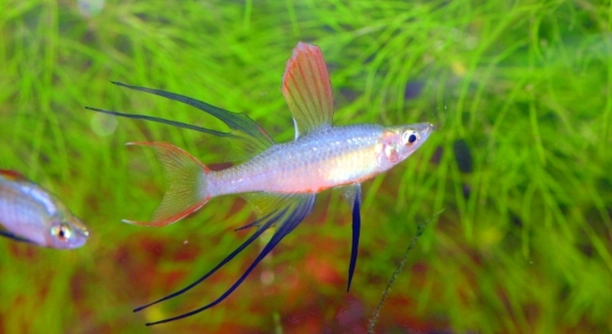
Do you ever notice your Threadfin Rainbowfish rubbing against plants or decorations in the tank? This behavior can be puzzling, leaving many aquarists unsure whether it signals stress, health issues, or simple natural instincts.
Threadfin Rainbowfish may rub against decorations primarily to remove external parasites or relieve mild irritation. This behavior can also stem from natural territorial marking or routine cleaning actions, which help maintain their scales and overall well-being in captivity.
Observing this behavior closely can help you ensure your fish stays healthy and comfortable in its environment.
Common Reasons Threadfin Rainbowfish Rub Against Decorations
Threadfin Rainbowfish often rub against decorations for reasons that are mostly instinctual or health-related. One of the main causes is irritation from external parasites like ich or skin flukes. Even minor abrasions or leftover food particles on their scales can prompt this behavior. Some fish also engage in rubbing to help shed old skin or to remove excess mucus. Environmental factors, such as rough surfaces on rocks or ornaments, can encourage them to rub as a form of gentle exfoliation. Tank setup plays a role too—dense decorations or plants give fish areas to explore and interact with, which can lead to increased rubbing. Stress is another factor; sudden changes in water temperature, pH levels, or the presence of new fish can make them more prone to this behavior. Understanding these triggers helps maintain both their comfort and health in a home aquarium.
This behavior is generally normal but should be monitored for signs of excessive irritation or injury.
Keeping an eye on your fish’s interactions with their environment can help prevent problems. Regular water changes, proper tank cleaning, and smooth surfaces on decorations reduce unnecessary rubbing. Observing how often and where the fish rub themselves allows you to spot early signs of parasites or stress. Additionally, ensuring the tank has a balanced layout with both open swimming areas and gentle hiding spots can keep your Rainbowfish engaged without causing harm. Some fish may also rub during mating or territorial displays, which is usually harmless but worth noting. Providing proper nutrition and monitoring overall behavior ensures their skin and scales remain healthy, helping them stay vibrant and active in the tank.
When Rubbing Signals a Health Concern
Occasional rubbing is normal, but constant or aggressive rubbing can indicate a health issue.
Persistent rubbing can suggest parasite infestations, bacterial infections, or skin injuries. Fish may scrape repeatedly against hard surfaces to relieve discomfort, which can worsen wounds. Poor water quality often exacerbates irritation, making skin more sensitive. Identifying the cause early is crucial. Parasites like ich can quickly spread to other fish, and untreated bacterial infections can become severe. Even minor injuries can become infected if left unchecked. Observing the fish closely for additional signs such as clamped fins, loss of appetite, or abnormal swimming patterns provides important clues. Addressing the underlying issue—whether it’s adjusting water parameters, treating parasites, or improving tank hygiene—ensures the fish recover quickly. Maintaining consistent care routines, including water testing and gentle handling, helps prevent recurring problems. Awareness and prompt action protect not just one fish, but the entire tank’s health.
How Tank Setup Affects Rubbing
Decorations with rough edges or abrasive surfaces can encourage fish to rub. Smooth surfaces reduce unnecessary irritation and help prevent minor injuries.
Tank layout plays a major role in fish behavior. Dense plants, rocks, and ornaments provide hiding spots and areas to explore. Fish may rub against these surfaces as part of natural movement or territorial marking. Placement of decorations should balance open swimming space and areas for interaction. Avoid overcrowding, which can increase stress and lead to more frequent rubbing. Observing your Rainbowfish regularly helps identify problem areas in the tank. Adjusting decorations can reduce excessive rubbing and protect delicate fins and scales.
The type of substrate also affects rubbing. Gravel with sharp edges can cause injuries, while sand or smooth pebbles minimize harm. Live plants can offer gentle surfaces for rubbing but may also get damaged if fish scrape too often. Regular maintenance of decorations and substrate ensures a safe environment. Fish often explore textures differently, so rotating ornaments or trimming plants may reduce repeated rubbing. Proper tank design supports both physical health and mental stimulation, keeping your Rainbowfish comfortable and active.
Diet and Health Influence on Rubbing
A poor diet can increase skin sensitivity, making rubbing more frequent. Balanced nutrition supports strong scales and a healthy immune system.
Threadfin Rainbowfish need a mix of high-quality flakes, pellets, and occasional live or frozen foods. Protein-rich meals and vitamins contribute to resilient skin and reduced irritation. Deficiencies may lead to flaky scales, lesions, or increased sensitivity, prompting rubbing. Hydration is also key; clean water helps maintain natural mucus layers that protect the skin. Monitoring feeding habits ensures fish receive adequate nutrition without overfeeding, which can affect water quality and stress levels. Supplements like spirulina or brine shrimp can improve coloration and overall skin health.
Regular observation of your fish during feeding reveals subtle signs of nutritional issues. Uneaten food can lead to water contamination, increasing irritation or disease risk. Rotating food types and ensuring proper portion sizes support both digestive health and skin integrity. Combining a well-maintained diet with clean water and stable environmental conditions helps reduce unnecessary rubbing while promoting vibrant coloration and overall vitality in your Threadfin Rainbowfish.
Stress and Environmental Changes
Sudden changes in water temperature or pH can make Threadfin Rainbowfish rub more frequently. Stress weakens their immune system and increases sensitivity to minor irritations.
Adding new fish or rearranging decorations may also trigger rubbing. Fish use this behavior to cope with unfamiliar conditions and to explore their modified environment.
Parasite Prevention
Regular monitoring and preventive treatments help control parasites that cause rubbing. Quarantining new fish reduces the risk of introducing infections. Maintaining clean water and avoiding overcrowding limits parasite growth. Observing for early signs such as white spots or frayed fins allows prompt treatment.
Observation Tips
Keep a log of rubbing behavior. Note frequency, location, and associated environmental changes to identify patterns.
Gentle Remedies
Providing smooth decorations and well-planted hiding spots can reduce rubbing. Consistent water maintenance and proper nutrition support healthier skin and scales, minimizing irritation.
FAQ
Why does my Threadfin Rainbowfish rub against decorations more at certain times of the day?
Fish are naturally more active at specific periods, often in the morning and evening. Increased movement during these times can lead to more rubbing as they explore their environment. Lighting, feeding schedules, and water flow also influence activity levels. Monitoring patterns helps determine if the behavior is normal or related to stress.
Can rubbing indicate illness in my Rainbowfish?
Yes, persistent or aggressive rubbing may indicate parasites, bacterial infections, or minor injuries. Watch for additional signs like clamped fins, lethargy, or loss of appetite. Early detection allows for proper treatment, preventing complications and protecting the overall health of your tank.
Is rubbing always harmful to my fish?
Occasional rubbing is normal and often harmless, serving as a way to remove mucus or explore textures. Harm occurs when rubbing becomes excessive, leading to scale damage, skin irritation, or infections. Observing frequency and intensity can help distinguish normal behavior from a health concern.
How can I prevent my fish from rubbing too much?
Providing smooth surfaces, appropriate decorations, and a balanced tank layout reduces unnecessary rubbing. Ensuring water quality, proper nutrition, and a stable environment also helps maintain healthy skin and reduces stress-induced rubbing. Avoid overcrowding and sharp-edged ornaments.
Are certain decorations better for Rainbowfish than others?
Smooth rocks, rounded ornaments, and soft substrate are ideal. Avoid sharp gravel or rough-edged decorations that can scratch or irritate the skin. Live plants offer gentle surfaces and areas for exploration, helping reduce aggressive rubbing.
Could diet affect rubbing behavior?
Yes, poor nutrition can make skin more sensitive and prone to irritation. A varied diet with high-quality flakes, pellets, and occasional live or frozen foods supports healthy scales and mucus layers, reducing the need for self-cleaning behavior through rubbing. Supplements like spirulina or brine shrimp can improve overall skin health.
How does water quality impact rubbing?
Poor water quality irritates the skin and increases rubbing. Maintaining proper pH, temperature, and low levels of ammonia, nitrites, and nitrates keeps fish comfortable. Regular water changes and tank cleaning reduce debris and harmful bacteria, preventing excessive rubbing caused by irritation.
When should I treat my fish for parasites?
Treatment is needed if rubbing is persistent and accompanied by visible symptoms like white spots, frayed fins, or unusual lethargy. Quarantining affected fish and using appropriate medications can stop parasite spread and protect other tank inhabitants.
Does tank layout influence rubbing behavior?
Yes, crowded tanks or sharp decorations can increase rubbing. Open swimming areas combined with safe hiding spots create balance. Fish will interact with decorations without causing injury, reducing excessive rubbing while maintaining natural activity levels.
Can stress alone cause rubbing?
Stress from new tank mates, sudden water changes, or frequent disturbances can increase rubbing. Monitoring behavior, maintaining stable conditions, and providing a comfortable environment reduces stress-related rubbing and supports fish well-being.
How do I know if rubbing is normal or a sign of illness?
Normal rubbing is occasional, gentle, and not accompanied by other symptoms. Signs of illness include constant rubbing, visible sores, loss of appetite, or changes in swimming patterns. Careful observation over several days helps determine the cause and appropriate response.
Should I remove decorations if my fish rubs on them frequently?
Not necessarily. Frequent rubbing may indicate irritation from specific surfaces. Adjusting or replacing rough decorations while keeping smooth, safe options allows fish to explore without injury. Balancing open space with interactive areas is key to reducing harmful rubbing.
Can multiple Rainbowfish rubbing on the same decoration indicate social behavior?
Yes, rubbing can be part of social or territorial interactions. Fish may use surfaces to establish territory, communicate, or engage in mild displays. As long as there is no injury or excessive aggression, this behavior is usually normal and safe.
How can I monitor rubbing effectively?
Keep a log noting the frequency, location, and time of day of rubbing. Compare behavior before and after environmental changes, feeding, or adding new fish. This helps identify triggers, determine if the behavior is normal, and prevent potential health issues.
Are there natural ways to reduce rubbing without medication?
Yes, improving tank layout, providing smooth decorations, maintaining excellent water quality, and offering a balanced diet all reduce irritation naturally. Gentle enrichment like live plants and hiding spots encourages exploration without causing harm.
Does rubbing affect fish coloration or overall appearance?
Excessive rubbing can damage scales and dull coloration, especially if it leads to minor injuries. Healthy, controlled rubbing is normal and usually does not affect appearance. Maintaining proper nutrition and water conditions keeps Rainbowfish vibrant and healthy.
How long should I monitor before taking action?
Observe for several days to a week to distinguish normal behavior from persistent issues. If rubbing continues excessively, or other symptoms appear, take action immediately to prevent further irritation or health problems.
Can rubbing indicate mating behavior?
Sometimes, especially during breeding season. Fish may rub against surfaces to clean themselves or establish territories. This behavior is usually harmless if it occurs alongside other mating displays and does not result in injury.
Is rubbing more common in certain tank sizes or setups?
Smaller tanks or overcrowded setups can increase rubbing due to stress or frequent interaction with decorations. Providing adequate space, balanced decoration placement, and proper water conditions helps minimize rubbing caused by environmental limitations.
Does age affect rubbing behavior?
Younger Rainbowfish may rub more as they explore and establish territories, while older fish tend to rub less unless irritated. Age-related changes in skin sensitivity or health can also influence rubbing frequency. Regular monitoring ensures all age groups remain healthy.
How do I safely inspect fish for injuries or parasites?
Gently observe your Rainbowfish in clear water, noting unusual spots, frayed fins, or missing scales. Avoid handling unless necessary. Use a flashlight or a magnifying glass for a closer look without stressing the fish, and treat any signs of parasites promptly.
Can tankmates influence rubbing?
Yes, aggressive or overly active fish may stress Rainbowfish, leading to more rubbing. Peaceful companions and a well-planned community tank reduce competition and irritation, helping prevent excessive rubbing caused by social stress.
What role does lighting play in rubbing behavior?
Bright or inconsistent lighting can increase activity and stress, prompting more rubbing. Stable lighting schedules and gradual adjustments support natural rhythms and reduce unnecessary rubbing. Observing how fish respond to changes helps maintain comfort.
How often should I check water parameters to prevent rubbing?
Weekly testing of pH, ammonia, nitrites, and nitrates is ideal. Maintaining stable, safe water conditions prevents irritation, supporting skin health and reducing rubbing caused by poor water quality. Immediate correction of imbalances protects fish from unnecessary stress.
Is rubbing a sign that my fish needs more enrichment?
Sometimes. Boredom or lack of stimulation can lead to repetitive rubbing. Providing varied decorations, plants, and swimming areas encourages natural behaviors, reducing unnecessary rubbing while keeping Rainbowfish mentally engaged.
Can rubbing lead to secondary infections?
Yes, excessive rubbing can damage scales and skin, allowing bacteria or fungi to enter. Maintaining clean water, smooth surfaces, and monitoring for injuries helps prevent infections before they develop.
How do I differentiate rubbing from scratching?
Rubbing is usually gentle and exploratory, while scratching involves forceful scraping against surfaces and may cause visible injury. Observing intensity, frequency, and resulting damage helps determine whether intervention is needed.
Are there signs that indicate immediate medical attention is needed?
Yes, open wounds, rapid scale loss, frayed fins, or lethargy require prompt action. These signs suggest infection, parasite infestation, or severe irritation. Timely treatment prevents worsening conditions and protects other tank inhabitants.
What are safe treatments for irritation caused by rubbing?
Mild irritation often improves with improved water quality, smooth decorations, and balanced nutrition. For parasite-related rubbing, appropriate anti-parasitic medication and quarantining affected fish are effective. Always follow instructions carefully to avoid harming the fish.
Can rubbing ever be completely eliminated?
No, occasional rubbing is natural. The goal is to reduce harmful or excessive rubbing while supporting overall fish health. Proper tank setup, nutrition, and maintenance ensure rubbing remains controlled and safe.
How do I balance decorations and open space to minimize rubbing?
Create a mix of smooth decorations, live plants, and open swimming areas. Avoid overcrowding or sharp surfaces. This allows exploration and territory establishment without causing excessive rubbing or injury.
Should I change feeding times to reduce rubbing?
Adjusting feeding times can help if rubbing coincides with heightened activity. Consistent schedules support normal behavior and reduce stress-induced rubbing, keeping Rainbowfish more relaxed during daily routines.
Can rubbing affect tank cleanliness?
Yes, rubbing can stir up substrate or dislodge debris from decorations. Regular cleaning and careful observation prevent water quality issues caused by increased activity around rubbing areas.
Does tank temperature influence rubbing behavior?
Yes, sudden changes in temperature can irritate skin and increase rubbing. Maintaining a stable, appropriate temperature for Threadfin Rainbowfish reduces stress and prevents unnecessary rubbing caused by environmental fluctuations.
How important is quarantine for new fish to prevent rubbing issues?
Quarantining new fish prevents introducing parasites or infections that can lead to rubbing. A separate tank for observation and treatment ensures the main tank remains safe and reduces health risks for all inhabitants.
Can rubbing indicate a need for better filtration?
Poor filtration can lead to debris accumulation, irritating skin and prompting rubbing. Ensuring adequate filtration keeps water clean, reduces irritation, and minimizes rubbing caused by environmental discomfort.
Does rubbing behavior vary between individual Rainbowfish?
Yes, some fish are more prone to rubbing due to personality, health, or sensitivity. Observing individual behaviors helps identify specific needs and prevent unnecessary stress or injuries.
Can stress from human interaction cause rubbing?
Excessive tapping, sudden movements, or frequent handling can increase stress, leading to more rubbing. Minimizing disturbances supports calm behavior and reduces irritation-related rubbing.
Are there long-term effects of frequent rubbing?
Excessive rubbing over time can damage scales, fins, and skin, making fish more susceptible to infections. Preventive care and proper tank maintenance reduce the risk of long-term health issues.
Is rubbing more common in newly established tanks?
Yes, newly set-up tanks can cause stress or minor irritations due to adjusting water conditions, decorations, or social dynamics. Monitoring and stabilizing the environment helps Rainbowfish acclimate safely.
Can rubbing indicate a fish is preparing to spawn?
Occasionally, rubbing occurs as part of spawning behavior, particularly when cleaning surfaces or establishing territories. This is usually brief and does not result in injury if the environment is suitable.
How can I differentiate stress rubbing from parasite rubbing?
Stress rubbing is often intermittent and not accompanied by visible signs, while parasite rubbing is persistent, often with white spots, frayed fins, or lesions. Careful observation and water testing help determine the cause.
Are certain species more prone to rubbing than others?
Threadfin Rainbowfish may rub more due to their active and exploratory nature. Compared to less active species, they interact with tank surfaces frequently, making monitoring and tank design important.
What are the best practices for monitoring rubbing behavior?
Observe daily, noting time, frequency, location, and any changes in environment. Maintain logs, track water parameters, and check decorations. Promptly address unusual patterns to prevent health issues and ensure fish comfort.
Can rubbing behavior be redirected?
Yes, providing alternative surfaces, gentle decorations, and proper enrichment can redirect rubbing to safe areas. Encouraging natural exploration without sharp edges minimizes harmful behavior while keeping fish active and healthy.
Does tank size directly affect rubbing frequency?
Smaller tanks with limited swimming space increase contact with surfaces, potentially leading to more rubbing. Larger tanks with balanced decorations reduce stress and allow exploration, minimizing excessive rubbing behavior.
Is rubbing more noticeable in certain lighting conditions?
Bright or harsh lighting can make fish more active, highlighting rubbing behavior. Stable, moderate lighting helps maintain normal activity and reduces stress-related rubbing.
Can rubbing behavior indicate water flow issues?
Strong or uneven currents may prompt fish to rub against decorations to stabilize themselves. Adjusting flow to moderate levels ensures comfort and reduces rubbing caused by environmental factors.
Are there seasonal changes in rubbing behavior?
Fish may rub more during breeding or temperature fluctuation periods. Seasonal changes in light or water conditions can influence activity levels, prompting occasional increases in rubbing without indicating illness.
Does rubbing cause permanent damage if addressed early?
Early intervention—improving water quality, adjusting decorations, and treating parasites—prevents lasting injuries. Timely care keeps Rainbowfish healthy and minimizes long-term impact on scales and fins.
Can rubbing behavior indicate social hierarchy issues?
Yes, dominant fish may encourage rubbing through territorial pressure or minor harassment. Observing interactions and providing sufficient space and hiding spots reduces stress and helps maintain harmony.
How do I know when to consult a veterinarian?
Persistent rubbing, visible wounds, severe scale loss, or signs of infection require professional advice. Early veterinary consultation ensures proper treatment and prevents worsening conditions.
Does rubbing behavior ever stop completely with proper care?
No, occasional rubbing is natural. Proper care ensures it remains safe and controlled, preventing harm while supporting natural behaviors.
Can rubbing be part of normal grooming?
Yes, fish often rub to remove excess mucus or debris. Controlled grooming is healthy and helps maintain clean scales, especially when environmental conditions are optimal.
How often should I rearrange decorations to reduce rubbing?
Minor adjustments every few weeks can prevent repetitive rubbing in the same spots. Frequent changes are unnecessary and may cause stress. Balance stability with variety for safe exploration.
Are there signs that rubbing is related to breeding rather than irritation?
Brief, surface-focused rubbing during spawning season, especially around plants or smooth areas, often indicates breeding behavior. It is generally harmless if scales remain intact.
How do I know if rubbing is caused by overcrowding?
If multiple fish rub against decorations frequently or show aggression, limited space may be the cause. Ensuring adequate swimming areas and hiding spots reduces rubbing caused by crowding.
Can rubbing be a sign of aging in Rainbowfish?
Older fish may rub less due to reduced activity, but if they increase rubbing, it may indicate sensitivity or mild irritation. Regular observation ensures aging fish remain healthy.
Does rubbing behavior affect tank mates?
Excessive rubbing may stir debris or stress other fish. Observing tank dynamics and providing sufficient space reduces negative impacts on other inhabitants.
Can rubbing indicate a problem with water hardness or mineral content?
Yes, improper hardness can irritate skin, prompting rubbing. Maintaining suitable mineral levels for Rainbowfish supports comfort and reduces excessive rubbing caused by environmental imbalances.
Is rubbing behavior hereditary?
There is no strong evidence suggesting heredity plays a major role. Behavior is mostly influenced by environmental conditions, health, and tank setup.
Can rubbing behavior vary by individual temperament?
Yes, some Rainbowfish are naturally more exploratory or sensitive. Individual differences affect frequency and intensity, so personalized observation and care are important.
How do I ensure rubbing does not damage plants?
Use robust plants, provide gentle hiding spots, and place decorations carefully. Rotating plant locations can prevent overuse while keeping fish engaged without harm to the greenery.
Are there signs rubbing is due to boredom?
Repetitive, aimless rubbing without signs of irritation or injury may indicate lack of stimulation. Adding varied decorations and enrichment reduces boredom-driven rubbing.
Does rubbing affect water clarity?
Rubbing can stir up substrate or dislodge debris, slightly reducing clarity. Regular maintenance ensures water remains clean and safe for all tank inhabitants.
Can rubbing be completely prevented in Threadfin Rainbowfish?
No, occasional rubbing is a natural behavior. The goal is to minimize harmful or excessive rubbing while supporting overall fish health. Proper tank setup and maintenance help maintain safe behavior patterns.
What is the safest way to reduce rubbing caused by parasites?
Quarantine affected fish, treat with appropriate medications, and maintain clean water. Prompt action prevents parasite spread and protects the tank from further irritation.
Does rubbing correlate with activity levels?
Yes, more active fish may rub more while exploring or interacting with decorations. Providing open swimming space helps prevent unnecessary rubbing while maintaining healthy activity.
Can rubbing indicate poor oxygen levels in the tank?
Indirectly, low oxygen can stress fish, making them rub more frequently. Ensuring proper aeration and water flow reduces stress-related rubbing and supports overall well-being.
Are certain substrates better for reducing rubbing?
Yes, smooth sand or rounded pebbles are ideal. Sharp gravel increases irritation and can lead to injuries, prompting more frequent rubbing.
Can rubbing behavior indicate an unsuitable tank temperature?
Sudden changes or temperatures outside the ideal range can irritate skin. Stable, appropriate temperature reduces stress and prevents rubbing caused by environmental discomfort.
Does rubbing ever occur as a response to excessive light or darkness?
Yes, extreme lighting conditions can increase stress and activity, prompting rubbing. Moderate, consistent lighting helps maintain normal behavior.
How do I differentiate between natural grooming and problematic rubbing?
Natural grooming is gentle, occasional, and does not cause injury. Problematic rubbing is frequent, forceful, or accompanied by visible damage or health concerns. Observation over time clarifies the cause.
Can rubbing behavior damage fins?
Excessive or aggressive rubbing can fray fins, especially if surfaces are rough. Providing smooth decorations and monitoring behavior prevents injury while allowing normal exploration.
Are there environmental adjustments that immediately reduce rubbing?
Yes, smoothing rough surfaces, improving water quality, stabilizing temperature, and adding hiding spots can quickly reduce irritation-induced rubbing. Observation ensures adjustments are effective.
Does rubbing behavior affect tank filtration needs?
Rubbing can stir debris, increasing filtration demand. Properly sized filters and regular maintenance prevent water quality issues caused by increased activity.
Can rubbing be redirected to safe areas?
Yes, placing smooth decorations and gentle plants in frequently rubbed areas encourages safe rubbing without causing injury.
How do I know if rubbing is due to tank stress or health issues?
Monitor frequency, intensity, and accompanying symptoms. Occasional gentle rubbing is normal; persistent, aggressive, or injury-associated rubbing indicates a health problem or environmental stressor.
Does rubbing behavior differ between male and female Rainbowfish?
Males may rub more during territorial or mating behaviors, while females typically rub less unless irritated. Observing patterns helps identify the cause.
Can rubbing lead to secondary infections even in clean tanks?
Yes, physical damage from rubbing can allow bacteria or fungi to enter, even with clean water. Regular observation and smooth surfaces prevent injuries that might lead to infection.
Are there signs rubbing is caused by aggression from tankmates?
If rubbing occurs alongside chasing, nipping, or hiding behavior, aggression may be the cause. Providing space and monitoring social interactions helps reduce stress-induced rubbing.
Does rubbing behavior change with age or maturity?
Younger Rainbowfish may rub more due to exploration, while older fish may rub less. Sensitivity to environmental factors can increase with age, affecting behavior.
**Can rubbing affect
Final Thoughts
Observing your Threadfin Rainbowfish rubbing against decorations can be puzzling, but in most cases, this behavior is a natural part of their routine. Fish use rubbing for several reasons, including cleaning their scales, exploring their environment, or marking territory. It is important to remember that occasional rubbing is normal and does not usually indicate a serious problem. By paying attention to when, where, and how often your fish rub against objects, you can better understand their behavior and distinguish normal activity from signs of irritation or stress. Being mindful of these patterns also helps you adjust tank conditions to support their overall health and comfort.
While natural rubbing is harmless, persistent or aggressive rubbing may indicate an underlying issue that needs attention. External parasites, poor water quality, or minor injuries can make fish more prone to rubbing, sometimes resulting in scale damage or skin irritation. Consistently monitoring your tank and maintaining stable conditions is essential for preventing these problems. Providing a clean environment with smooth decorations, appropriate hiding spots, and a balanced tank layout reduces unnecessary rubbing and protects your fish from injury. Nutrition also plays a key role; a varied diet rich in essential vitamins, minerals, and proteins helps maintain healthy skin and scales, which can further reduce rubbing behavior caused by irritation or sensitivity.
Creating an ideal environment for your Rainbowfish involves a combination of careful observation, proper tank setup, and consistent care. Ensure that water parameters are stable, decorations are smooth, and plants are placed strategically to offer both stimulation and safe spaces. Attention to tankmates and community dynamics can also prevent stress-related rubbing. Even minor adjustments, such as changing the substrate to smoother sand or rearranging decorations to reduce repetitive rubbing spots, can make a noticeable difference. Understanding your fish’s natural behaviors and providing a supportive habitat allows them to thrive, promoting both physical health and mental well-being. By observing their interactions with the tank environment and responding to changes thoughtfully, you can help your Rainbowfish live comfortably and vibrantly.

Hello,
If you enjoy the content that we create, please consider saying a "Thank You!" by leaving a tip.
Every little bit helps us continue crafting quality advice that supports the health, happiness, and well-being of pets around the world, for pets of all shapes, sizes, and species.
We really appreciate the kindness and support that you show us!