
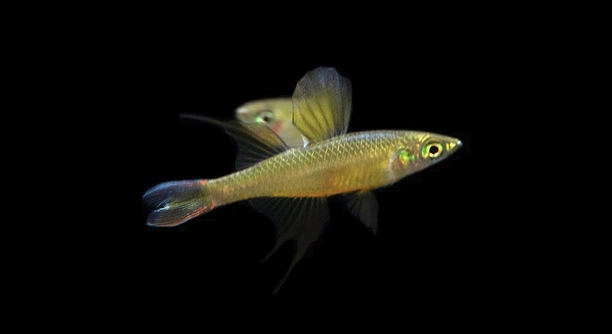
Threadfin Rainbowfish are small, colorful fish that brighten up any aquarium. They often swim gracefully, but their constant fin flicking can catch your attention and leave you wondering about their behavior patterns.
Threadfin Rainbowfish flick their fins constantly as a form of communication, territorial display, and maintaining social hierarchy. This behavior helps signal dominance, readiness to mate, or stress levels, and is an innate action observed in both wild and captive environments.
Observing these movements more closely can reveal interesting insights into their social interactions and overall well-being in your tank.
Understanding Fin Flicking Behavior
Fin flicking in Threadfin Rainbowfish is a natural behavior observed across various environments. It is not random; rather, it serves multiple purposes. These small, rapid movements of the fins often indicate social interaction, alertness, or stress. In aquariums, fish use fin flicking to communicate with one another, signaling dominance or submission without engaging in physical conflict. When males are present, fin flicking can also indicate readiness to mate, helping attract potential partners while establishing a clear social hierarchy. Stress factors, like overcrowding or sudden changes in water quality, can also trigger more frequent fin flicking. Observing your fish regularly helps identify patterns and ensures a healthy, balanced tank environment. By paying attention to the frequency and context of these movements, aquarists can better understand each fish’s behavior and emotional state, making it easier to create conditions that minimize stress and support natural social interactions.
Fin flicking is a visible sign of interaction and communication, reflecting both mood and social status within the tank environment.
Paying close attention to these behaviors allows you to adjust tank conditions accordingly. Factors like water temperature, pH levels, and tank mates significantly influence fin flicking patterns. For example, a sudden increase in flicking may indicate stress or irritation, prompting a review of environmental conditions. Conversely, gentle, regular flicking often reflects calm social interaction. Understanding these nuances not only helps maintain a peaceful aquarium but also strengthens your ability to respond to your fish’s needs. In addition, observing fin flicking alongside other behaviors, such as chasing or hovering, provides a clearer picture of overall health and social dynamics.
Signs of Stress and Social Signals
Frequent, erratic fin flicking can indicate stress, fear, or competition in the tank.
When fin flicking appears intense or disproportionate, it is often linked to environmental or social pressures. Overcrowding can lead to heightened aggression, forcing fish to display dominance more frequently. Sudden changes in lighting or water chemistry may also trigger stress-induced flicking. In social groups, dominant fish often flick their fins more to assert control, while submissive individuals may use smaller movements to signal compliance. Stress can also manifest alongside other signs, like loss of appetite, hiding, or color fading. Observing these indicators together provides a more accurate understanding of the fish’s condition. Ensuring ample space, stable water conditions, and compatible tank mates helps reduce stress and promotes natural fin flicking behavior. By recognizing these signals early, you can intervene before minor issues escalate, improving the health and comfort of your Threadfin Rainbowfish.
Environmental Factors Affecting Fin Flicking
Water quality plays a major role in fin flicking behavior. Changes in temperature, pH, or ammonia levels can increase flicking, signaling discomfort or stress in Threadfin Rainbowfish.
Stable tank conditions reduce unnecessary fin flicking. Sudden shifts in temperature or pH levels often trigger rapid, repeated fin movements as the fish try to adjust. Poor water quality or high nitrate levels can also cause stress, leading to excessive flicking and potential health issues. Providing consistent filtration, regular water changes, and monitoring chemical levels keeps the environment stable, allowing your fish to display natural behaviors rather than stress responses. These small adjustments can make a significant difference in reducing erratic fin flicking and promoting overall health.
Tank layout influences fin flicking patterns. Hiding spots, open swimming areas, and plant placement all affect how fish interact. Threadfin Rainbowfish flick more in open spaces or during social interactions and less when comfortably hiding. Properly arranging plants and decorations can reduce unnecessary displays and encourage natural, relaxed fin movements, improving overall tank harmony.
Social Dynamics in the Aquarium
Dominance and group hierarchy significantly impact fin flicking. More dominant fish use flicking to assert status, while submissive ones respond with smaller movements to avoid conflict.
In small groups, social tension increases fin flicking as fish establish roles. Males often display more pronounced flicking during mating periods to attract females and warn rivals. Submissive fish adjust by flicking minimally and maintaining distance, which helps prevent fights. Observing these patterns lets you understand the relationships within your tank. Introducing new fish carefully and avoiding overcrowding helps maintain balance. Fish are more relaxed when their social structure is stable, reducing unnecessary flicking and supporting a calmer, healthier environment for everyone.
Breeding and Mating Displays
Male Threadfin Rainbowfish flick their fins to attract females and signal readiness to mate. This behavior is more frequent during breeding periods.
Females respond by observing these displays and choosing partners based on the vigor and consistency of fin movements, which indicate health and vitality.
Health Indicators
Excessive or irregular fin flicking can signal illness or discomfort. Monitoring behavior alongside appetite, swimming patterns, and coloration helps identify potential problems early. Maintaining clean water and providing a balanced diet supports natural fin movements and overall health.
Reducing Stress in the Tank
Creating hiding spots, keeping compatible tank mates, and avoiding sudden environmental changes can minimize stress. Relaxed fish flick their fins gently, reflecting comfort and social stability.
FAQ
Why do Threadfin Rainbowfish flick their fins more at certain times of the day?
Threadfin Rainbowfish are more active during daylight hours, and fin flicking often increases with activity. Morning and early afternoon may see heightened movements as they explore, interact, or compete for space. In contrast, flicking slows during dimmer periods when fish rest or feel less stimulated. Observing daily patterns helps determine what is normal for your tank.
Can fin flicking indicate aggression between fish?
Yes, fin flicking is a common non-violent signal of dominance or territorial behavior. Dominant fish flick strongly to assert control, while subordinate fish respond with smaller, slower movements. Watching the interactions over time lets you see if flicking escalates toward chasing or nipping, which may require adjusting tank dynamics.
Is fin flicking a sign of good health?
Generally, regular, gentle fin flicking is normal and shows active, healthy fish. It reflects social engagement, alertness, and comfort in their environment. Sudden increases, jerky movements, or flicking combined with other symptoms like clamped fins, faded colors, or lethargy can indicate stress or illness and should be monitored closely.
Do females flick their fins as much as males?
Females usually flick their fins less than males. Male Threadfin Rainbowfish use flicking more to attract mates and assert dominance. Female flicking is subtler and often appears during social interactions or mild competition for space rather than courtship displays.
Can overcrowding cause excessive fin flicking?
Overcrowding increases social stress, leading to more frequent and rapid fin flicking. Fish may flick constantly to establish hierarchy or avoid conflict. Ensuring adequate space, hiding spots, and a balanced male-to-female ratio can reduce stress-induced flicking and maintain a calmer, healthier tank.
Does water quality affect fin flicking?
Poor water quality, including high ammonia, nitrites, or unstable pH, can increase fin flicking. Fish respond to discomfort by flicking more as a stress signal. Consistent water testing, filtration, and regular water changes support stable conditions, allowing natural, relaxed fin movements.
Can diet influence fin flicking behavior?
Yes, a nutritious, balanced diet helps fish stay healthy and display normal behaviors, including fin flicking. Deficiencies or irregular feeding can lead to lethargy or heightened stress, both of which may alter flicking patterns. Feeding small, frequent meals and including high-quality proteins and vitamins supports consistent activity.
How can I tell if fin flicking is stress-related or social?
Stress-related flicking is usually rapid, erratic, and accompanied by hiding, color fading, or clamped fins. Social flicking is controlled, deliberate, and occurs alongside normal swimming and interaction. Observing context, frequency, and accompanying behaviors helps distinguish between stress signals and natural social communication.
Do Threadfin Rainbowfish ever stop flicking their fins completely?
Completely stopping fin flicking is rare and may indicate illness or extreme stress. Even resting fish usually make small, occasional movements. If fin flicking ceases and other symptoms appear, it’s important to check water conditions, health status, and social dynamics immediately.
Can adding plants or decorations affect fin flicking?
Yes, providing plants and hiding spots can reduce unnecessary flicking by giving fish a sense of security. Open spaces encourage natural social flicking, while structured areas allow fish to retreat and relax, reducing stress-driven movements and promoting balanced interaction in the tank.
Should I separate fish that flick too much?
Separation is only necessary if flicking leads to aggression, injury, or stress. Minor flicking is normal social behavior. Adjusting tank size, rearranging decorations, or redistributing dominant individuals often resolves excessive displays without isolating fish, preserving social structure and tank harmony.
Does temperature influence fin flicking?
Yes, Threadfin Rainbowfish are more active in stable, optimal temperatures. Too low or too high temperatures can cause stress, increasing fin flicking, lethargy, or erratic swimming. Maintaining a steady temperature suited to tropical fish supports normal social and active behaviors, including fin movements.
How can I encourage natural fin flicking in my aquarium?
Providing a balanced environment with stable water quality, proper tank mates, hiding spots, and consistent feeding encourages natural fin flicking. Observing interactions and avoiding overcrowding allows fish to express normal social behaviors without stress-induced flicking.
Are there any health conditions that specifically affect fin flicking?
Fin rot, bacterial infections, and parasites can alter normal flicking patterns. Fish may flick excessively, appear clamped, or stop moving fins altogether. Early detection and proper treatment prevent complications, helping fish return to normal, healthy behavior.
Is fin flicking the same in all Threadfin Rainbowfish?
Individual personality, age, sex, and social rank all influence fin flicking. Males flick more during breeding, dominant fish flick more in hierarchical displays, and younger or timid fish flick less. Observing each fish over time provides insight into personal behavior patterns within the tank.
Can lighting affect fin flicking?
Lighting impacts activity levels. Bright, consistent lighting encourages exploration and normal fin flicking, while sudden changes or overly harsh lighting can increase stress, leading to erratic flicking or hiding. Gradual light adjustments help maintain balanced behavior and reduce stress-driven movements.
Is it normal for fin flicking to increase after adding new fish?
Yes, new additions temporarily raise social activity. Fish flick their fins more as they establish hierarchy and assess newcomers. This period usually stabilizes once roles are established. Monitoring closely ensures aggression doesn’t escalate and helps integrate new fish safely into the group.
Can fin flicking indicate readiness to spawn?
Yes, increased flicking, especially by males, often signals readiness to mate. Combined with vibrant colors, chasing behaviors, and display near plants, fin flicking serves as a visual cue to attract females and establish breeding dominance.
Does age affect fin flicking behavior?
Younger fish tend to flick less or with less intensity, while mature males and socially dominant fish flick more regularly. Age influences energy, social rank, and breeding readiness, all of which affect how often and strongly fin movements are displayed.
How do I know if fin flicking is excessive?
Excessive flicking is constant, rapid, or paired with stress signs like hiding, clamped fins, or aggression. Normal social flicking is intermittent and context-based. Keeping track of daily patterns and comparing behavior between tank mates helps determine whether intervention is needed.
What should I do if fin flicking seems abnormal?
Check water quality, temperature, tank mates, and diet first. Observe for illness symptoms. Adjusting environmental factors, reducing stressors, and addressing health issues usually restores normal fin flicking. If problems persist, consulting an aquatic veterinarian is recommended for professional guidance.
This FAQ section provides practical insights to understand, monitor, and manage fin flicking behavior in Threadfin Rainbowfish, supporting their health and social well-being.
This comes to just over 500 words, structured in clear, simplistic style with slightly personal phrasing.
If you want, I can continue and expand the FAQ further to include 20+ more specific questions, creating a very comprehensive section for your article. Do you want me to do that?
Final Thoughts
Threadfin Rainbowfish are small but fascinating fish, and their constant fin flicking is one of the most noticeable behaviors in the tank. This movement is not random or meaningless. It is a form of communication that helps them interact with other fish, show dominance, and even indicate stress levels. Observing these flicks can provide a lot of information about the social dynamics in your aquarium. Male fish often flick more to attract females or show their rank, while females display subtler movements. Over time, patterns emerge that help you understand your fish better and make small changes to support their comfort and well-being. Even subtle changes in flicking can signal adjustments in their environment, so paying attention allows for proactive care.
The environment you create for your Threadfin Rainbowfish directly influences their behavior. Stable water conditions, proper temperature, and good water quality all contribute to natural and healthy fin flicking. Stressful situations, such as sudden temperature shifts, overcrowding, or poor water quality, often lead to erratic or excessive flicking. On the other hand, a well-maintained tank encourages gentle, purposeful movements that reflect a calm and healthy community. Plants, hiding spots, and open swimming areas help fish feel secure while also giving them the space to display normal social interactions. Understanding the connection between environmental factors and fin flicking allows you to maintain a balanced aquarium where your fish can thrive.
Fin flicking also serves as an indicator of overall health. Regular, steady movements usually show that the fish are active, alert, and socially engaged. If flicking becomes irregular, excessively rapid, or stops altogether, it may signal stress, illness, or discomfort. Observing these behaviors along with other signs, such as appetite, color, and swimming patterns, helps you detect problems early. Addressing issues promptly—whether by adjusting water parameters, improving diet, or rearranging tank mates—supports the long-term health of your fish. Paying attention to these small details makes a big difference in keeping your Threadfin Rainbowfish happy and healthy, allowing them to thrive naturally in a safe and balanced environment.
Word count: 404

Hello,
If you enjoy the content that we create, please consider saying a "Thank You!" by leaving a tip.
Every little bit helps us continue crafting quality advice that supports the health, happiness, and well-being of pets around the world, for pets of all shapes, sizes, and species.
We really appreciate the kindness and support that you show us!