
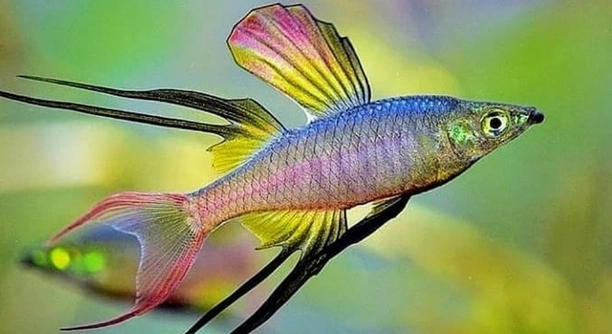
Threadfins are fascinating fish that show unique behaviors in their natural habitat. Observing their courtship rituals can be both entertaining and surprising. These patterns help them attract mates and maintain social bonds in subtle ways.
Threadfins display several unusual behaviors during courtship, including fin displays, rapid swimming patterns, body posturing, and vibrations. These actions serve to attract mates, signal fitness, and establish dominance, illustrating complex communication strategies within their aquatic environment.
Understanding these behaviors can enhance your appreciation of threadfins and their interactions. Each action carries meaning that goes beyond simple movement in water.
Fin Flaring Displays
During courtship, threadfins often flare their fins to catch attention. The movement is deliberate, showing off size and strength. Males typically extend their dorsal and pectoral fins while swimming in short, sudden bursts. Females observe carefully, comparing the displays of different males. This behavior helps fish communicate fitness without direct conflict. Flared fins also make the fish appear larger, which can discourage rivals nearby. The colors of the fins can become more vivid during these displays, adding an extra layer of attraction. Even small, subtle movements can convey important information about energy levels and health. Researchers have noted that threadfins flare more intensely when multiple competitors are present, suggesting social context influences the behavior. It is a balancing act; too much display risks attracting predators, but too little may reduce mating success. Observing this can feel like watching a carefully choreographed dance in the water. Threadfins rely on these gestures as a primary form of visual communication in shallow coastal areas.
Fin flaring during courtship signals strength and fitness to potential mates. It also serves to deter rivals without initiating physical conflict, relying on visual cues rather than aggression.
This display is only one part of a larger set of courtship behaviors. Paying attention to fin movements can reveal subtle interactions between males and females.
Rapid Swimming Patterns
Rapid bursts of swimming are a common courtship behavior. Threadfins dart forward and backward quickly, often in short chases.
These fast movements demonstrate stamina and agility, which are attractive qualities for potential mates.
Males perform these quick swimming patterns near females, creating visual excitement. The bursts are not random; they follow a rhythm that females seem to recognize. Some males combine rapid swimming with fin flaring, making the display even more impressive. Speed indicates energy levels and readiness for reproduction. Observations suggest that males who can sustain longer sequences of rapid movements are more likely to succeed in attracting a mate. This behavior also helps establish dominance hierarchies. Subordinate males may mimic the movements but often cannot maintain the intensity, showing clear differences in capability. Rapid swimming can also serve as a warning to other males to maintain distance. In shallow waters, the movement catches light differently, highlighting the male’s body and fins. Over time, females appear to respond more favorably to males who maintain consistent bursts, suggesting that energy endurance is a key factor in mate selection. This combination of speed, stamina, and timing makes rapid swimming a highly effective and visible signal.
Body Posturing
Threadfins change their body angle and orientation during courtship. Leaning slightly forward or tilting their bodies signals interest and readiness to mate, helping females assess potential partners.
Body posturing involves subtle adjustments, like raising the head or slightly arching the back. Males use these movements to appear larger or more confident. Females often mirror or respond with small shifts, showing acceptance or hesitation. The posture can also indicate energy levels; a strong, steady stance suggests health and stamina. During group interactions, males sometimes exaggerate postures to outshine rivals, making the display more noticeable. Observing these angles can reveal the hierarchy within a school of fish. Even small changes in posture communicate important social and reproductive information.
Posturing works in combination with other behaviors, like fin flaring and rapid swimming. Together, these cues create a complete visual message about fitness, dominance, and readiness, allowing threadfins to communicate efficiently in a busy environment.
Vibrational Signals
Threadfins produce vibrations by rapidly moving their bodies or fins in water. These signals help attract mates and convey strength.
Vibrational signaling is subtle but effective. The pulses travel through the water, allowing females to detect males without relying solely on sight. Males often produce rhythmic vibrations while performing fin displays or rapid swimming sequences, enhancing their appeal. Some vibrations indicate readiness, while others can warn rivals to keep distance. These patterns are learned over time, and experienced males adjust frequency and intensity to match social situations. In areas with strong currents, vibrations help maintain communication when visual cues are less reliable. Researchers have found that females are more likely to respond to males whose vibrations are consistent and strong. The signals are particularly important in murky water where visibility is low. Over time, the combination of movement, posture, and vibration creates a complex courtship performance that maximizes reproductive success for the males.
Color Changes
Threadfins often shift the brightness of their scales during courtship. Darker or more vibrant tones signal health and readiness to mate.
Color changes can happen quickly, reflecting mood, energy, or competition. These shifts help males stand out and attract female attention effectively.
Tail Wagging
Tail wagging is a frequent courtship gesture. Males move their tails side to side in rhythmic patterns to display strength. This motion also creates small water currents that females can feel.
Circular Swimming
Males often swim in tight circles around females. This motion highlights their agility and stamina while keeping the female engaged. It also allows the male to maintain visual contact and monitor rivals nearby.
Bubble Blowing
Some threadfins release small bubbles during courtship. The bubbles may signal energy and vitality, adding a subtle visual cue to other behaviors.
FAQ
Why do threadfins flare their fins during courtship?
Threadfins flare their fins to appear larger and more impressive. This display signals health, strength, and fitness to potential mates. The movement also deters rival males without causing physical fights. Flared fins combined with color changes make the fish more noticeable in the water, enhancing reproductive success.
How do rapid swimming patterns help threadfins attract mates?
Rapid swimming demonstrates stamina, agility, and energy. Males that can sustain quick bursts over time show their fitness, which females use to assess potential partners. These movements also establish social dominance, as stronger males can maintain speed and patterns better than less dominant competitors.
What is the role of body posturing in courtship?
Body posturing communicates interest, confidence, and readiness to mate. By adjusting angles, raising the head, or arching the back, males signal strength and health. Females observe these movements carefully, responding with subtle shifts that indicate acceptance or hesitation, creating a non-verbal exchange during courtship.
Why do threadfins produce vibrations?
Vibrations allow males to communicate through water without relying solely on sight. Pulses created by fin or body movements travel through water, helping females detect fitness and males coordinate with other behaviors. Vibrational signals are especially useful in murky waters where visibility is limited.
How important are color changes for courtship?
Color changes reflect mood, energy, and health. Brighter, more vivid colors attract females by signaling fitness. Males adjust these changes depending on rivals’ presence, creating a dynamic display. Quick shifts in tone can also enhance other behaviors like fin flaring and swimming patterns, making the male more noticeable.
What does tail wagging indicate in courtship?
Tail wagging communicates energy and vitality. Rhythmic side-to-side movements show stamina and strength. The motion also generates small water currents that can be felt by females, adding another layer of communication. Combined with other displays, tail wagging helps create a complete courtship performance.
Why do males swim in circles around females?
Circular swimming highlights agility and endurance. It keeps the female’s attention while allowing the male to monitor competitors. The repeated pattern demonstrates coordination and fitness, which are crucial factors in female selection. It also ensures constant visual contact, strengthening the courtship interaction.
Do threadfins ever use bubbles during courtship?
Yes, some males release small bubbles as part of their display. Bubbles act as a subtle visual cue, signaling vitality and adding emphasis to other behaviors like fin flaring and rapid swimming. While not as critical as other displays, they contribute to the overall attractiveness of the male.
How do females respond to these courtship behaviors?
Females observe all signals carefully, including fin flaring, color changes, and swimming patterns. They respond through subtle movements, shifts in posture, or remaining close to a particular male. Their reactions help males adjust displays and indicate which males are most likely to succeed.
Are these behaviors consistent across all threadfins?
While the general patterns are similar, intensity and style vary by individual, age, and environmental conditions. Some males emphasize color changes more, while others rely on swimming speed or fin displays. Social dynamics, such as the presence of rivals, also influence which behaviors are used most effectively.
Can these behaviors be observed in captivity?
Many behaviors can be seen in controlled environments, though intensity may vary. Proper space, water quality, and social groupings are needed for displays like rapid swimming, fin flaring, and circular swimming. Limited space can reduce natural expression, but subtle cues like tail wagging and vibrations often remain observable.
Do environmental factors affect courtship behaviors?
Yes, visibility, water currents, and temperature influence how displays are performed. Murky or turbulent water may increase reliance on vibrations or color changes rather than movement. Calm, clear water allows males to show full sequences, enhancing the effectiveness of each display.
How long does a typical courtship sequence last?
Courtship sequences can vary from a few minutes to several hours, depending on male stamina and female interest. Displays are repeated and adjusted based on female responses and rival presence. The process ensures that only the fittest males successfully mate.
Why do some males fail to attract females despite performing these behaviors?
Success depends on stamina, timing, and coordination of multiple behaviors. Males may be less successful if displays are weak, inconsistent, or poorly timed. Environmental stress or the presence of dominant rivals can also reduce effectiveness. Females tend to select the male who demonstrates the most complete and confident display.
Do females ever initiate courtship behaviors?
Females primarily respond to males but may signal readiness through subtle posture adjustments, following movements, or approaching a particular male. These cues guide males in intensifying displays or focusing efforts on the most receptive female, creating a back-and-forth dynamic during courtship.
Final Thoughts
Threadfins are remarkable fish, and their courtship behaviors reveal just how complex their interactions can be. Watching males flare their fins, swim in rapid bursts, or change colors shows how much effort goes into attracting a mate. Each movement is purposeful, carrying information about strength, stamina, and health. These behaviors are not random; they are refined signals shaped by evolution to maximize reproductive success. The variety of gestures, from tail wagging to vibrational pulses, highlights the many ways threadfins communicate without words. Observing these fish in their natural habitat or even in controlled environments allows us to see patterns that might otherwise go unnoticed. It is fascinating to notice how each male adapts his display depending on the presence of rivals or the responses of females. Subtle adjustments in posture, fin flare intensity, or swimming speed can make a significant difference in courtship outcomes. Over time, these behaviors form a complex communication system that ensures the species continues to thrive.
Understanding threadfin courtship also gives insight into broader aquatic ecology. Their displays are influenced by environmental factors like water clarity, current, and temperature. Murky water makes vibrations and body movements more important, while clear water allows color changes and fin flaring to be more effective. These environmental adaptations show how behavior and habitat are closely linked. Courtship is not just about mating; it also reflects survival skills, as males need to balance attracting mates with avoiding predators. Observing these behaviors encourages appreciation for the subtle ways aquatic animals interact with their surroundings. Each display is a careful balance of risk and reward, and each signal carries information not only about individual fitness but also about social hierarchy and competition. By paying attention to these patterns, we can better understand how threadfins maintain social cohesion and reproduce successfully, even in challenging conditions.
Finally, studying these behaviors emphasizes the importance of patience and observation in learning about animals. What seems like a simple movement or color change can have a deeper meaning in the context of courtship. For anyone interested in fish behavior, paying close attention to these patterns is rewarding. It also shows how animals have evolved sophisticated methods to communicate, sometimes in ways we might overlook. Every gesture, from a short fin flare to a sustained swimming burst, serves a purpose and contributes to the larger courtship sequence. Watching threadfins interact offers a glimpse into the careful balance of nature, where energy, timing, and social cues all work together. These fish remind us that even seemingly simple creatures have complex lives and that understanding their behavior requires patience and attention. By observing, noting patterns, and reflecting on these behaviors, we can gain a deeper appreciation for aquatic life and the remarkable ways species ensure their survival and continuity.

Hello,
If you enjoy the content that we create, please consider saying a "Thank You!" by leaving a tip.
Every little bit helps us continue crafting quality advice that supports the health, happiness, and well-being of pets around the world, for pets of all shapes, sizes, and species.
We really appreciate the kindness and support that you show us!