
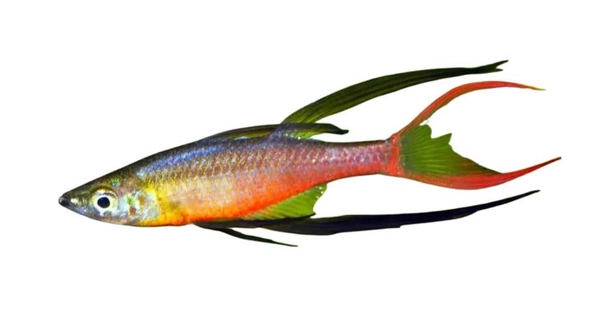
Threadfin rainbowfish are small, lively fish often found in home aquariums. They move gracefully through the water, exploring their surroundings. Their shimmering scales catch the light, giving them a lively, friendly presence in any tank environment.
When threadfin rainbowfish encounter something new or unusual, they approach it slowly, inspecting it with careful, deliberate movements. They may swim around, hover near, or make small nips at objects, demonstrating a natural curiosity important for understanding their environment.
Observing these behaviors can reveal much about their personalities and how they interact with their tank. Their reactions offer insight into their habits and preferences.
How They Approach New Objects
Threadfin rainbowfish often react carefully when a new object is placed in their tank. At first, they may keep their distance, swimming in small circles nearby, observing from different angles. Their fins quiver slightly, showing alertness, and their shimmering scales reflect the tank lights, drawing attention to their movements. Slowly, they inch closer, sometimes stopping entirely to study the item. They may hover above it, inspect it from below, or gently brush against it with their mouths. These actions help them determine if the object is safe, edible, or worth avoiding. Their natural curiosity is guided by instinct, allowing them to interact safely with their environment. Over time, repeated exposure can make them more confident and less hesitant. Observing these behaviors can be fascinating, as it shows a blend of caution and inquisitiveness. Each fish may respond slightly differently, creating unique patterns of exploration within the tank setting.
This careful approach allows threadfin rainbowfish to learn about changes in their environment without risking harm, showing a balance between curiosity and safety.
Watching them adapt can reveal subtle differences in personality, swimming patterns, and response speed. These small observations make caring for them engaging and rewarding.
Interacting with Tankmates
Threadfin rainbowfish are social and often approach tankmates with gentle movements. They use body language and swimming patterns to communicate, signaling comfort or caution in shared spaces.
In the presence of other fish, threadfin rainbowfish exhibit both curiosity and respect. They may swim in close proximity to observe behavior but avoid aggressive encounters. Sometimes, they mirror movements, creating synchronized swimming patterns that strengthen group cohesion. These interactions are subtle but important, as they help maintain a peaceful tank environment. Young or new fish may be watched more closely, with older fish sometimes taking the lead in exploring new corners or objects. Over time, observing these interactions can help identify social hierarchies, preferred companions, and individual temperaments. Keeping the tank environment stable, with adequate hiding spots and space, encourages healthy social behavior. These patterns demonstrate how threadfin rainbowfish balance curiosity with awareness of others, promoting a safe and engaging aquatic habitat.
Feeding Curiosity
Threadfin rainbowfish often approach new food cautiously. They circle it, sometimes nibbling lightly before fully eating, showing a careful balance between curiosity and instinct.
When introduced to unfamiliar foods, these fish display measured investigation. They may follow the food as it moves through the water, testing small portions first. This behavior ensures they avoid harmful substances while learning what is edible. Their exploration is often slow at first, gradually becoming more confident as they realize the food is safe. Watching them can reveal how individual fish differ in boldness, with some nibbling quickly and others taking time. This careful approach highlights their natural instincts for survival, blending curiosity with cautious assessment. Observing feeding behavior helps understand their personalities and can guide adjustments in diet to suit each fish’s comfort level.
Some fish may hesitate longer than others, while a few will dart in immediately. These differences make feeding time interesting and highlight the variety of personalities within a single tank.
Investigating Hiding Spots
Threadfin rainbowfish frequently explore every nook and cranny in their environment. They slip between plants, hover near rocks, and examine corners carefully.
Hiding spots are essential for these fish, offering both safety and opportunities to satisfy curiosity. When a new shelter is added, they inspect it thoroughly, swimming around and sometimes inside it before resting. Their fins and eyes are constantly alert, scanning for threats or opportunities. This exploration helps them feel secure while allowing them to learn about their environment. Each fish may choose different areas to investigate, and repeated visits often indicate a preferred spot. The process also strengthens their confidence, making them more comfortable navigating the tank. Observing these behaviors reveals how threadfin rainbowfish balance caution with curiosity, using hiding spots to feel safe and explore simultaneously.
Exploring Water Currents
Threadfin rainbowfish often follow gentle currents, gliding along with them. This movement lets them feel changes in the water and explore areas they might not reach otherwise.
They sometimes swim against currents briefly, testing strength and direction. These small experiments help them navigate confidently and understand their surroundings better.
Investigating Plant Life
Threadfin rainbowfish frequently swim through and around plants, brushing fins against leaves. This behavior helps them explore textures and potential hiding spots while remaining cautious of predators. Their curiosity often leads them to revisit the same plants multiple times.
Response to Reflections
Threadfin rainbowfish may approach reflections in the tank glass. They swim closer, circle, or pause, trying to understand the “other fish” they see, blending curiosity with caution.
FAQ
How do threadfin rainbowfish show curiosity?
Threadfin rainbowfish show curiosity by slowly approaching new objects, swimming around them, and occasionally nibbling or brushing against them. They observe changes in their tank carefully, using both movement and body positioning to gather information. Some may hover near items for several minutes before interacting.
Do all threadfin rainbowfish behave the same way?
No, each fish has its own personality. Some are bolder, swimming quickly to investigate, while others are cautious, taking their time to inspect surroundings. These differences can be observed during feeding, exploring plants, or interacting with reflections and other fish in the tank.
How do they react to new tankmates?
They approach slowly, often keeping a safe distance at first. Threadfin rainbowfish may follow movements of new fish, observe their behavior, and gradually integrate into the group. They tend to mirror swimming patterns and occasionally engage in gentle interaction, which helps establish a peaceful social environment.
Can their curiosity be harmful?
Generally, curiosity is safe if the tank is well-maintained and free from dangerous objects. Sharp decorations or untreated plants can pose risks, so monitoring the tank and removing hazards is important. Their cautious approach usually minimizes accidental harm.
What role do hiding spots play in their exploration?
Hiding spots are crucial for both safety and curiosity. Threadfin rainbowfish investigate shelters thoroughly, entering and exiting multiple times. These areas allow them to feel secure while still exploring, giving them confidence to swim more freely and observe other parts of the tank.
How do they interact with new food?
They often nibble lightly at first, sometimes following moving food before fully consuming it. This careful testing ensures the food is safe. Some fish may hesitate longer, while others quickly adapt. Observing these behaviors helps determine which foods each fish prefers and how they react to diet changes.
Why do they sometimes investigate reflections?
Reflections in tank glass can be mistaken for other fish. Threadfin rainbowfish approach cautiously, circle, or hover near the reflection. This behavior demonstrates both curiosity and awareness, as they attempt to understand whether the “other fish” is a companion, rival, or harmless image.
Do water currents affect their curiosity?
Yes, currents encourage exploration. Fish often glide with currents to reach new areas, then swim against them briefly to test strength. This movement allows them to experience different parts of the tank and enhances both physical activity and environmental awareness.
How can observing their curiosity help owners?
Watching their investigative behavior reveals personality differences, comfort levels, and social tendencies. It also highlights which areas or objects they prefer, allowing for better tank setup. Understanding these habits ensures their environment supports both safety and mental stimulation.
Is curiosity more common at certain times?
Threadfin rainbowfish tend to be more active during daylight hours when lighting and visibility are better. Early morning or late afternoon may see slower exploration, while midday activity often includes feeding, interacting with tankmates, and inspecting objects or plants in detail.
Can curiosity indicate stress or health issues?
A sudden drop in exploration may indicate stress, illness, or poor water quality. Healthy, curious fish will investigate new items, swim confidently, and interact with their environment. Observing changes in behavior is key for early detection of potential problems.
How does curiosity impact their social behavior?
Curiosity influences social interaction by encouraging observation of other fish, synchronized swimming, and cautious engagement. Bold fish may lead in exploring new areas, while cautious ones follow, helping maintain group cohesion and a balanced tank dynamic.
Do they explore differently in small vs. large tanks?
In smaller tanks, exploration is more limited but focused, often involving repeated investigation of the same objects. In larger tanks, threadfin rainbowfish cover more territory, interact with more hiding spots, and display greater variety in swimming patterns. This highlights adaptability and environmental influence on curiosity.
How do owners encourage safe curiosity?
Providing plants, decorations, gentle currents, and safe hiding spots stimulates natural behavior. Introducing new objects or foods gradually allows fish to investigate without stress. Monitoring reactions ensures the environment remains secure while supporting mental and physical activity.
Can curiosity change over time?
Yes, as fish grow or become accustomed to their tank, curiosity may increase or decrease. Familiarity with surroundings often leads to bolder behavior, while new additions or changes reignite investigative tendencies, keeping their environment engaging and dynamic.
Final Thoughts
Threadfin rainbowfish are fascinating little creatures, and watching them interact with their environment can be surprisingly rewarding. Their natural curiosity drives them to explore everything around them, from plants and hiding spots to tank decorations and even reflections in the glass. They approach new objects slowly, often pausing to inspect them from different angles or gently brushing against them with their mouths. These behaviors are not just playful; they are a way for the fish to learn about their surroundings while staying safe. Over time, observing these patterns reveals the unique personalities of each fish. Some are bolder and more adventurous, while others are cautious and deliberate. Recognizing these differences allows owners to better understand their fish and provide an environment that meets the needs of each individual. It also highlights how careful observation can make aquarium care more engaging and informative.
A well-planned tank can enhance this natural curiosity and support the fish’s overall well-being. Providing hiding spots, plants, and safe spaces encourages exploration while giving them a sense of security. Gentle water currents can also stimulate movement and investigation, helping them stay active. Feeding routines offer another opportunity for observation. Threadfin rainbowfish often approach food carefully at first, nibbling and testing it before fully consuming it. This cautious behavior reflects their survival instincts and attention to detail. By offering a variety of foods and observing how each fish reacts, owners can better understand dietary preferences and individual personalities. Social interactions among tankmates are also shaped by curiosity. Fish often mirror movements, circle one another, or follow each other through the tank. These subtle behaviors strengthen group cohesion and help maintain a peaceful environment. Paying attention to these details allows owners to respond to the needs of their fish while fostering a lively and dynamic tank environment.
Understanding the curiosity of threadfin rainbowfish also provides insight into their overall health and well-being. Healthy, active fish will explore, interact with tankmates, and investigate new objects regularly. A sudden change in behavior, such as reluctance to explore or hiding excessively, can be an early sign of stress or illness. Monitoring these behaviors over time helps owners catch potential problems early and make adjustments to improve water quality, tank layout, or social conditions. Their curiosity is a window into their natural instincts, highlighting the balance between caution and exploration that keeps them safe and engaged. Observing these little behaviors can be surprisingly satisfying, offering a glimpse into the complex and lively world of these small, shimmering fish. Caring for them with attention to their habits and environment ensures that they remain healthy, active, and fulfilled in their home, making the aquarium experience more meaningful for both the fish and their caretaker.

Hello,
If you enjoy the content that we create, please consider saying a "Thank You!" by leaving a tip.
Every little bit helps us continue crafting quality advice that supports the health, happiness, and well-being of pets around the world, for pets of all shapes, sizes, and species.
We really appreciate the kindness and support that you show us!