
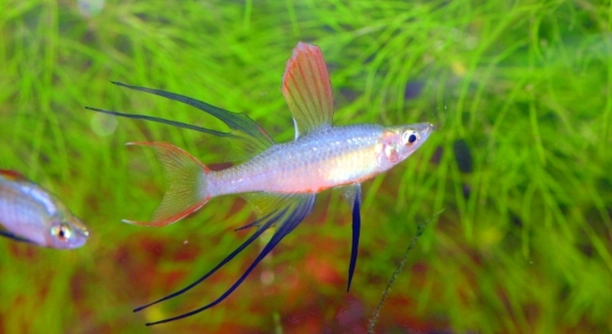
Keeping a tank for Threadfin Rainbowfish can be rewarding, yet challenging for many aquarists. These vibrant fish require specific conditions to thrive, and overlooking details can lead to avoidable stress and health issues in your aquarium.
The most common tank setup errors with Threadfin Rainbowfish include improper water parameters, overcrowding, insufficient hiding spaces, poor filtration, inadequate diet, unstable temperatures, and ignoring regular maintenance schedules. Correcting these issues ensures a stable environment and promotes healthy, active fish.
Addressing these mistakes early can help maintain a vibrant and balanced tank for your Threadfin Rainbowfish. Understanding these factors improves both fish health and aquarium longevity.
Improper Water Parameters
Threadfin Rainbowfish are sensitive to water conditions. Many aquarists overlook pH, hardness, and temperature, assuming fish can adapt easily. These fish thrive in slightly alkaline water with stable temperatures between 24–28°C. Sudden fluctuations can stress them, making them more prone to disease. Monitoring water quality regularly with a reliable test kit is essential. Ammonia, nitrite, and nitrate levels must be kept low. Filtration plays a key role in maintaining these parameters, as poor filtration can cause harmful chemical buildup. Regular partial water changes also help keep water safe. Even minor neglect can affect their coloration, appetite, and activity levels. Many beginners underestimate how small changes in water chemistry impact their fish. Taking time to stabilize and maintain water parameters ensures healthier, longer-living fish with vibrant colors and consistent behavior. Observing your fish’s responses to water changes can provide early warnings of stress or imbalance.
Maintaining proper water parameters is crucial for Threadfin Rainbowfish survival and overall well-being.
Consistent monitoring, appropriate filtration, and regular water changes create a stable environment. This stability prevents stress, encourages vibrant colors, and promotes natural behaviors. By adjusting pH, hardness, and temperature carefully, you reduce disease risk. Threadfin Rainbowfish will thrive, becoming active and interactive members of the aquarium.
Overcrowding
Keeping too many fish in one tank can lead to stress and poor growth. Even a spacious tank can feel crowded if numbers exceed recommendations. Overcrowding raises waste levels, which affects water quality and increases disease risks. Threadfin Rainbowfish prefer open swimming space, so avoid filling the tank with excessive decorations or other aggressive species. Territorial behavior can also emerge in tight spaces, causing fin damage and stress. Planning the number of fish before adding them is essential.
Overcrowding reduces fish health, making them more susceptible to illness.
Spacing fish appropriately ensures each individual has enough room to swim freely. Crowded conditions can stunt growth, dull coloration, and trigger aggression. Providing adequate swimming space, combined with proper filtration and water changes, minimizes stress. This setup encourages active schooling behavior, healthier fish, and a visually appealing tank. Observing interactions helps adjust stocking levels. Proper planning prevents future issues and promotes long-term success with Threadfin Rainbowfish.
Insufficient Hiding Spaces
Threadfin Rainbowfish need places to feel secure. A bare tank can cause stress, reducing activity and appetite. Plants, rocks, and driftwood create shelter, giving fish confidence and reducing aggression in the tank.
Providing a mix of live and artificial plants allows fish to hide when stressed. Dense planting near the edges and corners helps shy individuals find refuge while leaving open swimming areas in the center. Driftwood or smooth rocks create natural barriers, breaking line of sight and preventing territorial disputes. Over time, fish feel safer and display more natural schooling and foraging behavior, which contributes to overall health and coloration.
Hiding spaces also aid during feeding or when introducing new tankmates. Fish use cover to escape competition or assert territory calmly. Regularly rearranging plants or decorations can prevent boredom and maintain a dynamic environment. Properly structured hiding areas balance safety and open space, allowing Threadfin Rainbowfish to thrive while reducing stress and injury risks in a communal aquarium.
Poor Filtration
Inadequate filtration leads to chemical buildup, poor oxygenation, and water clarity issues. Threadfin Rainbowfish are sensitive to these changes, so effective filtration is essential.
A quality filter suited to tank size ensures consistent water flow and removes debris efficiently. Mechanical filtration captures particles, while biological filtration supports beneficial bacteria that break down ammonia and nitrites. Neglecting filter maintenance can cause clogging and decreased efficiency, leading to toxic conditions that affect fish health. Choosing a filter with adjustable flow prevents stress caused by excessive currents, especially in smaller tanks. Combining filtration with regular water changes maintains water quality, helping fish remain vibrant and active.
Regular monitoring of filter performance prevents unnoticed failures. Cleaning or replacing media according to manufacturer instructions avoids sudden spikes in waste. Some aquarists use a combination of sponge and canister filters to maximize both mechanical and biological filtration. Proper setup and upkeep reduce disease risk, stabilize water parameters, and create a more enjoyable aquarium environment. Threadfin Rainbowfish benefit directly from clean, well-oxygenated water that supports energy, growth, and coloration.
Inadequate Diet
Threadfin Rainbowfish require a varied diet for optimal health. Feeding only flakes or pellets can lead to nutritional deficiencies. Including live or frozen foods such as brine shrimp or daphnia ensures proper growth and vibrant coloration.
Overfeeding can also harm water quality and fish health. Portion control and feeding small amounts multiple times a day prevent leftover food from decaying. Observing fish during feeding helps adjust quantity and type of food. A balanced diet supports energy, immune system function, and natural behavior, keeping the fish active and colorful.
Unstable Temperatures
Sudden temperature changes stress Threadfin Rainbowfish, affecting appetite and immunity. Maintaining a stable range of 24–28°C is crucial for their health and activity levels.
Using a reliable heater and thermometer ensures consistent water conditions. Avoid placing tanks near windows or vents where temperature fluctuates. Gradual adjustments are necessary when changing water or moving fish to prevent shock. Stable temperatures support proper metabolism, reduce disease risk, and allow fish to display their full coloration and natural schooling behaviors. Observing behavior helps identify early signs of thermal stress, allowing timely intervention.
Ignoring Regular Maintenance
Skipping regular water changes and tank cleaning leads to toxic buildup. Threadfin Rainbowfish thrive in clean, well-maintained environments.
Routine maintenance prevents ammonia and nitrite spikes, removes debris, and keeps filtration systems efficient. Cleaning decorations and substrate reduces algae and waste accumulation. Scheduling weekly partial water changes of 20–30% maintains water quality without stressing the fish. Neglecting this routine can cause sluggish behavior, poor coloration, and increased susceptibility to disease. Proper maintenance supports a healthy ecosystem, ensuring Threadfin Rainbowfish remain active, healthy, and visually appealing.
FAQ
What is the ideal tank size for Threadfin Rainbowfish?
A minimum of 30 gallons is recommended for a small school of Threadfin Rainbowfish. These fish are active swimmers and need space to move freely. Larger tanks are better for maintaining water stability and accommodating proper schooling behavior. Overcrowding can cause stress and aggression.
How many Threadfin Rainbowfish should be kept together?
Threadfin Rainbowfish are schooling fish and should be kept in groups of at least six. Smaller numbers can lead to shyness, stress, and hiding. A proper group allows natural behaviors like synchronized swimming and reduces aggression from tankmates.
What water parameters are best for Threadfin Rainbowfish?
These fish thrive in slightly alkaline water with a pH of 7.0–8.0. Temperature should remain between 24–28°C. Hardness can range from 8–15 dGH. Sudden fluctuations in temperature or pH can stress the fish and lead to illness. Regular testing is important.
What should I feed Threadfin Rainbowfish?
A varied diet works best. High-quality flakes or pellets can be supplemented with live or frozen foods such as brine shrimp, daphnia, or bloodworms. Feeding small portions multiple times a day prevents overfeeding and helps maintain water quality. A balanced diet ensures growth and vibrant coloration.
How often should I clean the tank?
Partial water changes of 20–30% should be done weekly. Cleaning the substrate and decorations helps remove leftover food and debris. Filters should be rinsed or maintained according to the manufacturer’s instructions. Regular maintenance prevents ammonia and nitrite spikes, keeping the fish healthy.
Can Threadfin Rainbowfish live with other species?
Yes, but choose peaceful tankmates of similar size. Avoid aggressive or fin-nipping species. Threadfin Rainbowfish prefer calm, community environments with ample swimming space. Dense plants or hiding spaces reduce stress and help maintain harmony in a mixed-species tank.
Why are my Threadfin Rainbowfish losing color?
Color fading can result from stress, poor diet, or improper water conditions. Ensure water parameters are stable, feed a varied diet, and provide adequate hiding spaces. Healthy, unstressed fish will regain bright, vibrant colors over time.
Do Threadfin Rainbowfish require a special filter?
They do best with a filter that provides both mechanical and biological filtration. Adjustable flow is important to prevent strong currents, which can stress the fish. Regular maintenance of the filter is essential to maintain water quality and oxygen levels.
How can I prevent disease in Threadfin Rainbowfish?
Maintaining stable water parameters, feeding a balanced diet, and avoiding overcrowding are key. Quarantining new fish before adding them to the tank prevents introducing pathogens. Observing behavior regularly helps detect early signs of illness, allowing timely treatment and prevention of spread.
What is the best way to acclimate new Threadfin Rainbowfish?
Float the bag in the tank for 15–20 minutes to equalize temperature. Gradually add small amounts of tank water to the bag every 5–10 minutes for about an hour. This slow process reduces stress and prevents shock from sudden changes in water parameters.
How often should I test water quality?
Testing ammonia, nitrite, nitrate, pH, and hardness weekly is recommended. Monitoring helps detect problems early, preventing stress and disease. Consistent checks allow for timely water changes or adjustments to maintain a stable and healthy environment for your fish.
Why do my Threadfin Rainbowfish hide all the time?
Hiding behavior often indicates stress from overcrowding, poor water quality, or lack of shelter. Adding plants, driftwood, or rocks provides security. Ensuring proper water conditions and suitable tankmates reduces stress and encourages natural, active behavior in the tank.
Can Threadfin Rainbowfish breed in a home aquarium?
Yes, but breeding requires specific conditions, including slightly warmer water and fine-leaved plants or spawning mops. Eggs should be protected or separated to prevent adults from eating them. Fry require tiny live foods or specialized diets to grow successfully.
How long do Threadfin Rainbowfish live?
With proper care, they can live 5–7 years. Consistent water quality, a varied diet, and a stress-free environment support longevity. Observing fish regularly ensures early detection of issues that could affect their health and lifespan.
What plants are best for Threadfin Rainbowfish tanks?
Soft-leaved plants such as Java fern, hornwort, and floating plants provide hiding spots without damaging fins. Dense planting at the tank edges offers shelter, while open swimming areas in the center allow for schooling and activity. This balance reduces stress and promotes natural behavior.
How much lighting do Threadfin Rainbowfish need?
Moderate lighting works best. Too bright can stress shy fish, while too dim may reduce coloration. Providing a natural day-night cycle encourages healthy behavior, feeding patterns, and overall well-being. Floating plants can help diffuse bright light and create shaded areas.
Can I keep Threadfin Rainbowfish in a planted tank?
Yes, they thrive in planted tanks with open swimming areas. Live plants improve water quality and offer hiding spots. Avoid sharp decorations or rough substrates that could damage fins. A balanced setup ensures safety, comfort, and natural activity for the fish.
How do I handle aggression in the tank?
Aggression usually comes from overcrowding or unsuitable tankmates. Ensuring proper space, hiding spots, and compatible species reduces stress-related aggression. Observing interactions and adjusting stocking levels helps maintain a peaceful environment. Aggressive fish may need to be separated temporarily to prevent injury.
Are Threadfin Rainbowfish hardy fish for beginners?
They are moderately hardy but sensitive to water quality and temperature fluctuations. Beginners should monitor water regularly, provide a varied diet, and maintain stable tank conditions. With consistent care, they adapt well and display active, schooling behavior.
How can I improve coloration in my Threadfin Rainbowfish?
A varied diet, clean water, and low-stress conditions enhance coloration. Bright, vibrant colors indicate healthy fish. Proper tank setup with stable parameters, hiding spaces, and suitable lighting helps maintain their natural beauty. Stress, poor diet, or fluctuating water can dull their colors.
Is it necessary to use a heater year-round?
Yes, maintaining a stable temperature between 24–28°C is crucial. A reliable heater ensures consistent warmth, especially in cooler climates. Sudden drops in temperature can stress fish, weaken immunity, and lead to disease. Regular monitoring prevents temperature-related issues.
What signs indicate a sick Threadfin Rainbowfish?
Common signs include lethargy, faded coloration, clamped fins, loss of appetite, rapid breathing, or abnormal swimming. Early detection allows timely treatment. Maintaining stable water conditions, proper diet, and observing behavior daily reduces risk and helps identify problems early.
Can Threadfin Rainbowfish live in community tanks?
Yes, they are peaceful and compatible with other non-aggressive fish of similar size. Avoid fin-nippers or overly territorial species. Proper spacing, hiding spots, and open swimming areas prevent stress and maintain harmony. Observing tank dynamics ensures all species thrive.
How do I introduce new fish to an established tank?
Quarantine new fish for at least two weeks to prevent disease spread. Acclimate slowly by gradually mixing tank water. Introduce during calm periods to reduce stress. Adding plants or hiding spaces helps both new and existing fish adjust. Proper introduction promotes a peaceful, healthy tank environment.
Can Threadfin Rainbowfish tolerate brackish water?
They are primarily freshwater fish and do best in low-salinity conditions. Slightly soft to moderately hard water is ideal. Brackish conditions can stress the fish, reduce immunity, and negatively affect coloration and growth. Maintaining freshwater parameters ensures optimal health and longevity.
How do I prevent fin damage?
Provide smooth decorations, soft substrates, and avoid aggressive tankmates. Dense plants and hiding spaces reduce chasing and territorial disputes. Regular observation ensures any signs of damage are addressed quickly. Proper care preserves fins, reduces stress, and supports natural swimming behavior.
What is the best way to handle a power outage?
Keep a battery-operated air pump ready to maintain oxygen levels. Avoid feeding fish until normal filtration and temperature are restored. Monitoring water quality after the outage prevents sudden spikes in ammonia or nitrites. Preparation minimizes stress and health risks.
Are there any common mistakes beginners make?
Common errors include overstocking, improper water parameters, poor diet, skipping maintenance, and lack of hiding spaces. Awareness and careful planning prevent stress, illness, and poor growth. Following a structured routine ensures Threadfin Rainbowfish thrive in a healthy, vibrant environment.
Final Thoughts
Caring for Threadfin Rainbowfish requires attention to detail and consistency, but it is rewarding to see them thrive. These fish are active, social, and display beautiful colors when their environment meets their needs. Ensuring proper water parameters is essential. Maintaining a stable pH, temperature, and hardness helps prevent stress and disease. Regular water testing and partial water changes are key habits that protect their health. Even small fluctuations in water quality can impact their behavior, appetite, and overall well-being, so vigilance is important. A reliable filtration system supports clean water and a balanced ecosystem, which allows the fish to remain active and healthy. Observing their swimming patterns and coloration provides insight into whether adjustments are needed, helping aquarists respond promptly to potential problems.
Providing adequate space and schooling opportunities is equally important. Threadfin Rainbowfish are active swimmers that thrive in groups of at least six. Overcrowding can lead to stress, aggression, and stunted growth. Offering open swimming areas alongside well-placed hiding spaces creates a balance between security and freedom. Dense plants, driftwood, and rocks give shy fish a place to retreat, reducing stress and encouraging natural behaviors. Choosing compatible tankmates is also critical. Peaceful species of similar size prevent conflict and maintain harmony in a community tank. Paying attention to these details ensures that all inhabitants remain healthy and display their natural colors and behaviors, making the aquarium more enjoyable and visually appealing.
Diet and routine maintenance are additional factors that influence the success of keeping Threadfin Rainbowfish. A varied diet that includes high-quality flakes, pellets, and occasional live or frozen foods supports growth, coloration, and energy. Overfeeding should be avoided, as leftover food can degrade water quality and increase the risk of illness. Consistent cleaning of the tank, including substrate and decorations, prevents the buildup of harmful waste and reduces stress on the fish. Observing their feeding habits and behavior regularly helps identify early signs of health issues. Combining proper nutrition, regular maintenance, and stable environmental conditions ensures a thriving, active, and visually vibrant group of Threadfin Rainbowfish. Over time, these practices create a sustainable and healthy aquarium that allows both the fish and the aquarist to enjoy a balanced, harmonious aquatic environment.

Hello,
If you enjoy the content that we create, please consider saying a "Thank You!" by leaving a tip.
Every little bit helps us continue crafting quality advice that supports the health, happiness, and well-being of pets around the world, for pets of all shapes, sizes, and species.
We really appreciate the kindness and support that you show us!