
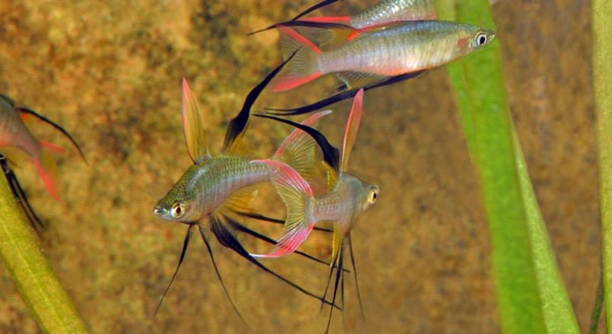
Threadfin Rainbowfish are small, colorful freshwater fish that brighten up any aquarium. Their shimmering scales and active swimming patterns make them popular among fish enthusiasts who enjoy observing lively aquatic life. Many keepers notice their unique daily habits.
Threadfin Rainbowfish generally exhibit consistent daily activity patterns influenced by light and feeding schedules. They are more active during daylight hours, resting during the night. Regular routines support their feeding, social interactions, and overall well-being, reflecting natural circadian rhythms.
Observing these patterns can help you maintain a healthy environment for your rainbowfish and better understand their natural behavior and needs.
Daily Activity Patterns of Threadfin Rainbowfish
Threadfin Rainbowfish are most active during daylight, moving through the water with bursts of energy. In the morning, they often swim near the surface, exploring their surroundings and interacting with other fish. By midday, they may spread out more, foraging for food and showing playful movements. As the afternoon progresses, their activity begins to slow, and they often rest near plants or decorations. These fish respond strongly to light changes, so consistent lighting helps maintain their rhythm. Feeding schedules also influence behavior, with fish becoming more alert and active around regular feeding times. Observing these patterns allows keepers to understand how to create a stable and comfortable habitat, ensuring fish remain healthy. Changes in activity can indicate stress, illness, or environmental issues, making daily observation important. Overall, maintaining a consistent environment and routine supports both physical and behavioral health for Threadfin Rainbowfish.
Their movements and interactions throughout the day reflect natural patterns, helping them stay healthy and maintain social connections.
Daily observation not only provides insight into their activity levels but also allows you to notice small changes early. Feeding at consistent times, maintaining clean water, and providing hiding spaces all contribute to well-being. Threadfin Rainbowfish can be sensitive to sudden changes in temperature, lighting, or tankmates, so monitoring their routine helps prevent stress. Over time, understanding their daily rhythm allows for better care and a more vibrant, active aquarium environment.
Feeding and Environmental Influences
Feeding schedules strongly impact Threadfin Rainbowfish behavior, guiding when they are most active and alert.
Proper diet and environment work together to support these patterns. A varied diet including high-quality flakes, small pellets, and occasional live or frozen foods ensures nutritional needs are met. Overfeeding can lead to sluggish behavior, while underfeeding may make fish more aggressive or restless. Tank setup also plays a role. Plants, decorations, and open swimming areas provide opportunities for exploration and rest. Water parameters, including temperature, pH, and cleanliness, affect energy levels and activity. Bright lighting during the day encourages natural movement, while dimming lights at night signals rest. Social dynamics also influence daily patterns. Threadfin Rainbowfish are schooling fish, and interactions with others can dictate swimming formations, feeding behavior, and resting locations. By observing these factors and maintaining consistency, keepers can help their fish thrive.
Balanced feeding and a stable environment create predictable routines, supporting both activity and long-term health.
Rest and Sleep Patterns
Threadfin Rainbowfish tend to rest in the evening, often finding calm areas among plants or decorations. Their activity slows gradually as light decreases, and they remain mostly still until daylight returns, following a natural day-night cycle.
Resting is essential for maintaining energy and health. These fish show predictable patterns, slowing their movement before fully settling for the night. Providing dim lighting or areas of shade allows them to rest undisturbed. Disturbances during rest, like sudden tank movement or bright lights, can stress them and disrupt sleep. Nighttime hiding spots, such as dense plants or caves, help them feel secure. Regular routines ensure consistent rest, which supports immune function, proper growth, and overall well-being. Observing these patterns also offers insight into their comfort in the tank environment.
Although they are active during the day, these fish need uninterrupted periods of rest to recover. A stable environment helps reinforce their natural circadian rhythm. Maintaining quiet and calm during nighttime prevents unnecessary stress, supporting behavioral stability. Monitoring their resting locations can also reveal preferences, aiding in optimal tank setup. Nighttime behavior, including subtle movements or occasional surface checks, shows their awareness while still allowing recovery. Consistent observation strengthens understanding of individual needs and improves long-term health.
Social Interactions and Group Behavior
Threadfin Rainbowfish display schooling behavior, moving together for protection and social engagement, often mirroring each other’s movements closely.
Their social behavior influences daily activity and overall well-being. In groups, they show coordinated swimming patterns, which reduce stress and increase confidence. Isolated fish may become shy or less active, highlighting the importance of maintaining small schools of compatible numbers. Interactions include chasing, playful nipping, and synchronized movements that create a dynamic tank environment. Social hierarchies can form, with dominant individuals guiding movement and feeding. Observing these behaviors provides insight into the group’s health, comfort, and compatibility. Environmental enrichment, such as plants, hiding spots, and open swimming areas, enhances positive social interactions. Maintaining proper group sizes ensures these fish remain active, confident, and healthy.
Grouping also supports feeding habits, encouraging more natural and energetic foraging. A balanced social environment reduces aggression and promotes stability in daily routines. Properly sized schools and adequate space prevent overcrowding and stress. Observing interactions helps anticipate potential conflicts and ensures compatibility among tankmates. Social dynamics influence rest patterns, swimming formations, and responses to environmental changes, making group management essential. Consistent monitoring of behavior reinforces healthy activity levels and fosters a harmonious aquarium setting where Threadfin Rainbowfish can thrive naturally.
Feeding Routine
Threadfin Rainbowfish respond quickly to regular feeding times, showing increased activity and alertness when food is offered. Small, frequent meals maintain energy levels and encourage natural foraging behavior.
A consistent feeding routine helps prevent stress and supports overall health. Overfeeding can lead to lethargy, while underfeeding may make them more restless or aggressive.
Environmental Cues
Light, temperature, and water quality directly affect daily activity patterns. Bright daylight encourages movement, while dimming signals rest.
Observing Subtle Behaviors
Watching fin movements, swimming patterns, and interactions provides insight into health, comfort, and routine stability for each fish.
Importance of Water Quality
Maintaining clean, stable water conditions supports daily routines. Regular testing and partial water changes prevent stress, disease, and behavioral changes.
FAQ
How often should I feed Threadfin Rainbowfish?
Feeding small amounts two to three times daily works best. This keeps them active and mimics their natural foraging behavior. Overfeeding can cause water issues and sluggishness, while underfeeding may lead to restlessness and reduced growth. High-quality flakes or pellets, supplemented with occasional frozen or live foods, provide balanced nutrition.
Do they need a specific lighting schedule?
Yes. A consistent light cycle helps maintain their daily rhythm. About 10 to 12 hours of light per day simulates natural conditions. Dimming lights in the evening signals rest, while bright daylight encourages activity. Sudden or irregular changes can stress the fish and disrupt routines.
Can they live alone?
Threadfin Rainbowfish are schooling fish and thrive in groups. Keeping at least five to six individuals reduces stress and promotes natural swimming patterns. Solitary fish often become shy, inactive, or stressed. Group behavior encourages coordinated movements and social interactions that maintain daily routines.
What is the ideal tank setup for daily activity?
Provide open swimming areas combined with plants, rocks, and decorations for hiding spots. Consistent water parameters, moderate flow, and a stable temperature between 23–28°C support activity and comfort. Environmental enrichment encourages exploration, foraging, and social behavior. A well-planned setup allows fish to rest and interact naturally.
How can I tell if their routine is disrupted?
Signs include lethargy, hiding excessively, reduced appetite, or unusual aggression. These behaviors often indicate stress, illness, or poor water quality. Monitoring their daily patterns closely allows early intervention. Adjust lighting, feeding, or tank conditions if noticeable changes occur.
Do they follow a strict daily schedule like humans?
Not exactly, but they have predictable patterns influenced by light, feeding, and environment. They are most active during daylight, resting at night. Routines are flexible, but consistency in care supports healthy rhythms. Irregular schedules can lead to stress or altered behavior.
Can water changes affect their activity?
Yes. Sudden water changes can temporarily stress the fish and interrupt normal swimming and feeding patterns. Partial, gradual changes are better. Maintaining stable water parameters ensures predictable behavior and reduces the risk of health issues.
How long do they stay active each day?
Threadfin Rainbowfish are active primarily during daylight, roughly 10–12 hours. They rest in the evening and night, often near plants or sheltered areas. Activity peaks around feeding times and bright lighting periods. Observing these patterns helps maintain proper care and a healthy tank environment.
What should I do if fish show unusual behavior?
Check water quality, temperature, and feeding schedules first. Observe for signs of illness or aggression. Adjust environmental factors gradually. Providing hiding spots and maintaining group stability often restores normal behavior. Consistent monitoring ensures long-term well-being.
Are there seasonal changes in their routine?
In home aquariums, seasonal variations are minimal if lighting, temperature, and feeding remain consistent. They may show slightly different activity levels if light intensity or water temperature fluctuates. Maintaining steady conditions supports predictable routines and reduces stress.
Can stress affect their daily pattern?
Yes. Stress from aggressive tankmates, sudden environmental changes, or poor water quality can alter swimming, feeding, and resting behaviors. Observing interactions and providing a stable environment minimizes stress. Healthy routines indicate comfort, while irregular activity signals potential problems.
Do they require specific temperature adjustments for activity?
Keeping the tank between 23–28°C supports natural movement and feeding behavior. Temperatures outside this range can reduce activity, suppress appetite, and increase vulnerability to disease. A stable temperature is crucial for predictable daily routines.
How does social behavior influence daily patterns?
Group interactions encourage coordinated swimming, feeding, and resting. Dominant individuals can influence movement patterns, while smaller fish follow the group. Proper schooling ensures activity levels remain consistent, promoting both physical and mental health.
Can lighting color or intensity affect them?
Yes. Bright, natural-toned lighting stimulates activity, while dim or low-intensity lighting encourages rest. Avoid sudden bright flashes, as these can startle the fish and temporarily disrupt daily patterns. Gradual light changes maintain natural rhythms and comfort.
Do they have favorite areas in the tank?
They often favor areas with shelter near plants or rocks for resting and protection. Open swimming spaces are preferred for activity periods. Observing their preferred spots helps in tank arrangement to support both movement and rest.
Can diet changes affect their routine?
Diet changes can alter activity levels. High-quality, varied food maintains energy and consistent behavior. Abrupt changes or low-quality food may reduce activity, affect growth, and disrupt daily patterns. Gradual diet adjustments help preserve stable routines.
Is it important to monitor group size constantly?
Yes. Too few fish can reduce social interactions and activity, while overcrowding increases stress and aggression. Maintaining proper group sizes ensures predictable routines, active swimming, and overall health. Observing social dynamics helps keep the aquarium balanced.
How do I encourage natural behavior?
Provide stable lighting, temperature, water quality, and consistent feeding. Include plants, decorations, and open spaces to support exploration, rest, and social interaction. Monitoring routines and maintaining consistency encourages natural, healthy behavior patterns.
Do they rest at the same time every day?
Generally, yes. They slow activity as light fades and rest at night in sheltered areas. Consistent routines reinforce healthy circadian rhythms. Irregular lighting or disturbances can shift resting periods and affect overall well-being.
Can their activity predict health issues?
Yes. Lethargy, reduced swimming, or sudden aggression can indicate illness, stress, or water issues. Observing daily patterns closely allows early intervention, helping maintain health and prevent serious problems.
Do they adapt quickly to new tanks?
Adaptation takes time. Introducing them gradually, maintaining proper water conditions, and keeping a small school reduces stress. Observation during the first few days is essential to ensure routines begin stabilizing and that they are comfortable in their new environment.
How long does it take for their daily routine to stabilize in a new tank?
Typically one to two weeks, depending on tank conditions and group dynamics. Gradual acclimation, stable water parameters, and consistent feeding help them establish predictable activity patterns and adapt confidently.
Are there common mistakes that disrupt routines?
Irregular feeding, inconsistent lighting, poor water quality, or overcrowding can disrupt daily activity. Sudden changes in tank setup or adding aggressive fish also interfere. Maintaining consistency in care and observing behavior prevents disruptions and supports healthy routines.
Can temperature or seasonal lighting changes in the house affect them?
Yes. Sudden drops in temperature or changes in ambient light can temporarily alter activity. Using aquarium heaters and maintaining a consistent light cycle helps prevent disruptions and keeps their daily patterns stable.
Is social hierarchy important for routine?
Yes. Dominant fish can guide group movements, while subordinate fish follow. Properly sized schools prevent stress and encourage coordinated swimming, feeding, and resting patterns. Observing hierarchy helps maintain group harmony and predictable daily behavior.
How do I know if they are stressed?
Signs include hiding excessively, erratic swimming, loss of appetite, or color fading. Stress affects routine, so observing changes helps identify issues. Adjusting environment, feeding, or group composition often restores normal behavior.
What role does water flow play in activity?
Moderate water flow encourages swimming and exploration. Too strong a current can cause fatigue, while stagnant water may reduce activity. Consistent flow supports predictable daily patterns and overall health.
Do they respond to human presence?
Yes, they often become more active when observing movement near the tank, especially around feeding times. Gentle and predictable interaction encourages natural behavior without causing stress.
Can they get bored?
Without sufficient stimulation, like plants, decorations, or social interaction, they may show reduced activity or repetitive swimming. Environmental enrichment helps maintain mental engagement and supports daily routines.
How can I track their activity effectively?
Observing daily swimming patterns, feeding behavior, and resting locations provides insight into routine stability. Taking notes or using brief video recordings helps identify trends, changes, and potential health concerns over time.
Is consistency more important than variety?
Both matter. Consistency in feeding, lighting, and water quality maintains daily routines, while variety in food and environmental enrichment keeps them active and engaged. Balanced care ensures predictable patterns and overall well-being.
How do I prevent disruptions during vacations or absences?
Automatic feeders, stable lighting timers, and reliable caretakers maintain routines. Preparing the tank in advance and minimizing sudden changes helps preserve daily activity and reduces stress.
Can tankmates affect their routine?
Yes. Aggressive or incompatible fish can cause hiding, reduced activity, or disrupted feeding. Choosing compatible species and monitoring interactions supports predictable routines and social harmony.
Do they have peak activity times?
Yes, they are most active during daylight, especially around feeding periods. Activity slows in mid-afternoon and peaks again before evening rest. Understanding these peaks helps in scheduling feeding and observation.
How long do they typically live in captivity?
Threadfin Rainbowfish can live up to five years with proper care. Maintaining consistent routines, good water quality, proper diet, and social stability supports longevity and healthy daily behavior.
Are there signs of aging in their routine?
Older fish may show slower swimming, reduced activity, and longer rest periods. Adjusting feeding amounts and providing accessible resting areas helps maintain comfort and health in later years.
Can tank size influence daily behavior?
Yes. Adequate space allows natural swimming and social interaction. Overcrowding restricts movement, increases stress, and disrupts routines. Proper tank size promotes predictable activity and healthy growth.
What role does temperature stability play in their routine?
Stable temperature ensures normal activity and prevents stress. Sudden fluctuations can cause lethargy, erratic behavior, or suppressed feeding. Consistent heating supports predictable daily patterns and long-term health.
Is monitoring water quality daily necessary?
Yes. Clean, balanced water directly impacts activity, feeding, and rest. Regular testing and partial water changes prevent disruptions in routine and help detect potential issues early.
Do they prefer specific areas at different times of day?
Yes. Active periods are spent in open swimming areas, while rest occurs near plants or decorations. Observing preferred locations helps optimize tank layout for comfort and natural behavior.
Can adding new fish disrupt routines?
Yes. Introducing new individuals may cause temporary stress and changes in activity. Gradual introduction and observation help stabilize routines and maintain social harmony.
How can I encourage natural schooling behavior?
Keep adequate numbers of fish, provide open swimming areas, and maintain consistent feeding. Environmental enrichment encourages movement and interaction, supporting coordinated daily patterns.
Do they react differently on weekends or weekdays?
Human schedules have minimal impact if feeding, lighting, and water conditions remain consistent. Predictable routines ensure behavior is driven by environmental factors rather than external activity.
How long should they rest at night?
They typically rest for 10–12 hours, often in sheltered areas. Consistent lighting and quiet conditions help maintain uninterrupted rest, supporting overall health and energy for the next day.
Are there signs that their daily routine is optimal?
Active swimming during daylight, regular feeding responses, social interaction, and calm resting at night indicate a healthy routine. Monitoring these behaviors ensures they remain comfortable and stress-free.
Do water plants influence behavior?
Yes. Plants provide shelter, hiding spots, and exploration opportunities. Dense vegetation encourages natural resting and swimming patterns, supporting daily activity and reducing stress.
Is diet variety necessary for stable routines?
Yes. A balanced diet keeps them energetic and maintains predictable activity. Incorporating flakes, pellets, and occasional live or frozen foods prevents boredom and nutritional deficiencies.
Can lighting timers help maintain routines?
Absolutely. Automatic timers ensure consistent light cycles, supporting predictable activity and rest periods. Sudden light changes without timers can disrupt daily patterns.
Does tank cleanliness affect activity?
Yes. Dirty water or accumulated waste reduces activity and can cause stress or disease. Regular maintenance supports healthy routines and predictable behavior.
How does tank depth influence movement?
They prefer moderate depth with open swimming areas. Too shallow limits natural movement, while very deep tanks may reduce visibility and social coordination. Balanced depth supports active routines.
Do they ever skip resting periods?
Occasionally, disturbances or stress can shorten rest, but they generally follow a consistent night cycle. Maintaining calm conditions ensures uninterrupted rest.
Is water pH important for daily behavior?
Yes. Stable pH around 6.5–7.5 supports energy, feeding, and social interactions. Sudden shifts can reduce activity or induce stress.
Can sudden noise affect them?
Yes. Loud or abrupt noises can startle them, temporarily interrupting activity or causing hiding. Consistent, calm surroundings support natural daily patterns.
How do I track long-term routine changes?
Observing swimming, feeding, and resting over weeks reveals trends. Noting deviations helps identify health, environmental, or social issues before they become serious.
Do they respond to seasonal decorations or tank changes?
Minor decor changes may initially cause exploration or hiding, but they adapt quickly if routine feeding, lighting, and group dynamics remain consistent.
Are nighttime checks stressful?
Limited, quiet observation is usually fine. Sudden bright lights or movement can disturb rest, so use dim lighting if monitoring at night.
Do they interact with tankmates at all times?
Interactions are most frequent during activity periods. Nighttime rest is mostly solitary, although they remain aware of others. Observing patterns helps manage social balance.
Can tank layout changes disrupt routines permanently?
Temporary disruptions may occur, but if changes are gradual and feeding, lighting, and water remain consistent, routines typically stabilize quickly.
How do I maintain routine while away on vacation?
Automatic feeders, light timers, and a trusted caretaker keep feeding, lighting, and water stable. This prevents stress and maintains daily patterns until return.
Are younger fish more active than older ones?
Yes. Juveniles swim more frequently and explore actively. Adults have steadier patterns, and older fish may slow down. Adjusting environment and feeding ensures all ages maintain healthy routines.
Can tank overcrowding stop natural routines?
Yes. Limited space increases stress, aggression, and hiding. Adequate tank size and proper group numbers ensure swimming, social interaction, and resting behaviors remain stable.
Do they ever adjust to new routines naturally?
Yes. Gradual changes in feeding, lighting, or environment allow adaptation. Abrupt changes can cause stress or reduced activity. Maintaining stability helps routines re-establish quickly.
Is it important to monitor individual behavior?
Yes. Each fish may have slightly different activity or resting preferences. Observing individuals ensures all are healthy and adapting well within the group.
Can adding new plants or decorations improve routines?
Yes. Proper placement encourages exploration, resting, and social interactions, supporting predictable activity and reducing stress.
Do temperature drops at night affect rest?
Mild drops are acceptable, but large fluctuations can reduce activity or disturb sleep. Stable temperatures maintain normal patterns.
Can they recognize feeding times?
Yes. They quickly learn schedules and become alert around regular feeding times. Consistency reinforces daily routines and reduces stress.
How long does it take for routines to stabilize after changes?
Typically one to two weeks, depending on the type of change and tank conditions. Gradual adjustments help fish adapt without disrupting daily behavior.
Are there signs of happiness in their routine?
Active swimming, social interaction, responsive feeding, and calm resting indicate comfort and well-being. Observing these behaviors confirms routines are healthy and stable.
Does tank decoration influence stress levels?
Yes. Adequate hiding spots and open swimming areas reduce stress, support exploration, and maintain natural daily activity.
Can sudden temperature rises cause unusual activity?
Yes. Elevated temperatures may increase movement initially, but prolonged heat can stress fish, reduce feeding, and alter routines. Maintaining stability is crucial.
Do they need sleep like humans?
Yes. Rest periods allow energy recovery and maintain health. Nighttime hiding areas and calm conditions are essential for proper rest.
Is water hardness important for daily activity?
Moderate hardness supports swimming, feeding, and social behavior. Sudden changes can reduce activity or cause stress, so monitoring is important.
Do they adjust quickly to lighting changes?
Gradual adjustments are best. Sudden bright lights can startle them and temporarily interrupt swimming and feeding patterns. Timers help maintain consistency.
How do I ensure young fish establish proper routines?
Provide consistent feeding, stable water conditions, gentle social introduction, and environmental enrichment. Gradual exposure helps juveniles adopt predictable activity and rest patterns.
Do they have favorite spots for feeding?
Yes. Open areas near the surface or mid-water are preferred. Observing these locations helps distribute food efficiently and encourages natural foraging behavior.
Can tank noise or vibration affect routines?
Yes. Frequent disturbances can cause hiding, reduced swimming, or disrupted feeding. Calm surroundings support predictable daily patterns and reduce stress.
How long do they typically remain active after lights turn on?
They become alert immediately, peaking in movement and foraging within the first few hours of light. Activity gradually slows toward midday and evening rest.
Do they respond differently to manual versus automated feeding?
Manual feeding often triggers more excitement and social interaction. Automated feeding maintains consistency, which helps preserve daily routines and predictable behavior.
Can adding tankmates change activity patterns?
Yes. New individuals may temporarily alter social dynamics, feeding, and resting behavior. Gradual introductions and monitoring help stabilize routines.
Is observing them daily necessary?
Yes. Daily observation helps track health, behavior, and routine stability. Noticing subtle changes allows early adjustments to maintain well-being.
Do they interact with humans beyond feeding times?
Occasionally. Movement near the tank may trigger curiosity, but feeding schedules are the primary driver of human-focused interactions.
Can water temperature drops during cleaning affect routines?
Yes. Sudden changes can stress fish and temporarily reduce activity. Using stable water during maintenance preserves normal patterns.
Do they prefer certain swimming depths at different times?
Yes. Active periods often occur mid-water or near the surface, while rest is typically closer to plants or decorations near the bottom or sides.
Can tank size changes disrupt daily behavior?
Yes. Moving to a smaller or larger tank alters swimming patterns, social interactions, and feeding behavior. Gradual acclimation minimizes stress.
How do I know if schooling behavior is healthy?
Synchronized swimming, coordinated turns, and minimal aggression indicate healthy social routines. Observing deviations can signal stress or imbalance.
Are there signs they enjoy their environment?
Frequent active swimming, regular feeding, exploration, and calm resting indicate comfort. A well-arranged tank supports these behaviors.
Can they adjust to varying human activity levels?
Yes, if lighting, feeding, and water conditions remain consistent. Gradual exposure helps them maintain daily routines despite household activity fluctuations.
**Do they require special care during molting or color changes
Final Thoughts
Threadfin Rainbowfish are remarkable in their ability to maintain consistent daily routines when provided with stable conditions. Their activity levels, feeding patterns, and resting behaviors are closely tied to light cycles, water quality, temperature, and social environment. Observing these patterns offers insight into their overall well-being and comfort in the tank. A predictable routine is not just a matter of convenience for the keeper; it is essential for the fish’s physical and mental health. When fish follow a consistent schedule, they are less stressed, more energetic, and display natural behaviors, which can be rewarding to watch. Even small details, such as the timing of feedings or the placement of plants and decorations, contribute significantly to supporting these routines. By understanding the subtle cues that influence their behavior, keepers can create an environment that allows the fish to thrive. The connection between environmental stability and routine is clear: consistent care encourages natural behavior and reduces the likelihood of health issues or stress-related disruptions.
Providing a stable and enriching habitat is essential for promoting healthy daily routines. Open swimming areas, sheltering spots among plants or decorations, and a balanced social group all contribute to predictable behavior. Feeding schedules play a central role in signaling activity, while consistent lighting supports their circadian rhythm. Sudden changes, whether in tank setup, water conditions, or social dynamics, can disrupt routines and cause stress. Therefore, gradual adjustments and careful observation are crucial when introducing changes. Water quality, in particular, has a strong influence on daily activity. Clean, well-maintained water encourages swimming, foraging, and social interactions, while poor conditions can lead to lethargy or irregular behavior. Temperature stability also contributes to consistent activity patterns. These factors, combined with attention to group dynamics, help maintain a natural flow of behavior throughout the day. Understanding how each element affects routine allows for better long-term planning and improved care.
Daily observation and attentive care are key to maintaining these fish in optimal condition. By paying close attention to activity levels, feeding responses, resting locations, and social interactions, keepers can quickly detect deviations from normal routines. Subtle changes often indicate environmental issues, stress, or health concerns that require prompt attention. Supporting natural behaviors through consistent routines not only benefits the fish but also enhances the overall aquarium experience. Threadfin Rainbowfish respond positively to a stable, enriched environment, which helps them develop predictable activity and rest patterns. Over time, observing their daily behavior provides valuable feedback on tank conditions, feeding practices, and social harmony. Keeping routines steady, providing environmental enrichment, and monitoring behavior closely ensures these fish remain healthy, active, and comfortable in their home. Predictable care creates a supportive habitat where Threadfin Rainbowfish can thrive and display their vibrant, lively nature every day.

Hello,
If you enjoy the content that we create, please consider saying a "Thank You!" by leaving a tip.
Every little bit helps us continue crafting quality advice that supports the health, happiness, and well-being of pets around the world, for pets of all shapes, sizes, and species.
We really appreciate the kindness and support that you show us!