
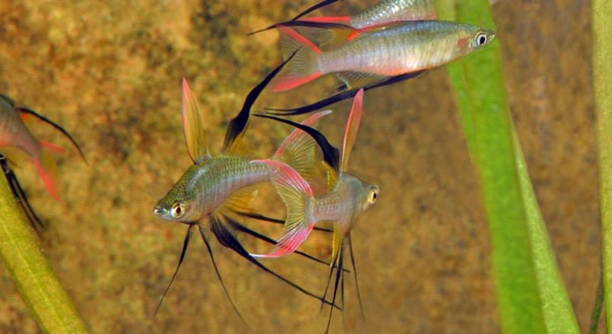
Threadfin Rainbowfish are vibrant freshwater fish that thrive in well-planned aquariums. Their natural behavior and coloration can be enhanced with thoughtful additions that replicate elements from their native habitat, creating a balanced and engaging environment.
Incorporating natural items such as plants, driftwood, rocks, and leaf litter can enrich Threadfin Rainbowfish tanks. These elements provide hiding spaces, encourage natural foraging, and help maintain water quality, supporting the overall health, behavior, and visual appeal of the fish.
Exploring these natural enhancements can transform a standard tank into a lively, balanced, and stimulating aquatic space for Threadfin Rainbowfish.
Live Aquatic Plants
Live aquatic plants add more than just color to a Threadfin Rainbowfish tank. They create natural hiding spots, helping fish feel secure and reducing stress. Plants like Java fern, Anubias, and Amazon sword provide shelter while supporting water quality by absorbing excess nutrients. Their roots stabilize substrate and prevent erosion, while leaves offer resting areas for fish. Over time, plants encourage natural behavior, including grazing and exploring. Floating plants can diffuse light, creating shaded areas that mimic a natural habitat. Regular trimming ensures plants stay healthy and do not overcrowd the tank. By carefully selecting low-maintenance species, you can maintain a balanced ecosystem that complements the aesthetic appeal of the aquarium. Proper plant placement enhances visual depth, giving the tank a layered, more natural appearance. Aquatic plants contribute both functionally and visually, creating a more dynamic and livable environment for Threadfin Rainbowfish, encouraging activity, growth, and comfort within their habitat.
Plants improve tank quality, provide shelter, and encourage fish activity, supporting both health and natural behavior.
Adding plants is more than decoration. They help oxygenate water and reduce nitrates, while offering surfaces for biofilm growth, which fish graze on. Plants also buffer water conditions, stabilizing pH and providing shade. Their presence encourages more active swimming patterns and natural hiding, particularly for timid individuals. When positioned thoughtfully, plants create visual barriers and break open spaces, allowing fish to claim territories and explore safely. Even hardy plants like Java moss can attract small invertebrates that enhance the diet of Rainbowfish. Combining tall and short species adds layers, improving both aesthetic and functional complexity. In addition, root structures help anchor decorations and substrate, preventing disturbances during fish movement. Maintaining healthy plants supports water clarity and reduces algae growth by competing for nutrients. The result is a tank that feels alive, encouraging natural behaviors, improving overall fish well-being, and offering an ever-changing, visually appealing underwater scene.
Driftwood
Driftwood provides essential structure and natural hiding spots for Threadfin Rainbowfish.
It adds texture, encourages exploration, and releases tannins that subtly soften water and slightly lower pH. Selecting pieces without sharp edges prevents injury, and soaking wood beforehand reduces cloudiness. Driftwood creates visual interest while promoting territorial and foraging behavior.
Driftwood is versatile and durable, offering both functional and aesthetic benefits. It can be arranged with plants to create natural caves and pathways. Tannins released into the water have mild antibacterial properties, benefiting fish health. Over time, the wood develops biofilm, a natural food source for Rainbowfish. Driftwood also serves as an anchor for mosses and epiphytic plants, enhancing the layered look of the tank. The irregular shapes encourage fish to navigate around obstacles, stimulating activity. Multiple pieces can create varied territories, reducing aggression by providing separate zones. Choosing lighter or darker wood can complement the tank’s design and the fish’s vibrant coloration. Driftwood requires minimal maintenance, though occasional cleaning helps prevent excessive debris buildup. Overall, it enriches the environment both visually and biologically, supporting natural behavior, shelter, and tank stability.
Leaf Litter
Leaf litter offers Threadfin Rainbowfish both shelter and natural foraging opportunities. It creates shaded areas and mimics their natural environment. Fallen leaves slowly decompose, enriching the substrate and providing nutrients for beneficial microorganisms that support fish health.
Leaves such as Indian almond, oak, or beech are commonly used. When added, they create hiding spaces for shy fish and fry, reducing stress and aggression. As leaves break down, they release tannins that gently acidify the water, simulating the soft, slightly acidic conditions of rivers and streams. The decomposing material also encourages biofilm growth, which serves as an additional food source. Regular replacement prevents excessive decay and maintains water quality. Positioning leaves in corners or under decorations ensures fish have secure resting areas while keeping open swimming space. Leaf litter also adds texture and depth to the aquarium, making it visually richer and more natural.
Decomposing leaves improve water conditions while promoting natural feeding and hiding behaviors. They serve both ecological and aesthetic roles in the tank.
Adding leaf litter encourages natural behavior and supports microfauna populations that Threadfin Rainbowfish may graze on. Over time, it enhances the aquarium’s ecological balance.
Smooth Rocks
Smooth rocks provide surfaces for grazing, hiding spots, and visual contrast in the tank. They prevent injury due to their rounded edges and help define territories for Threadfin Rainbowfish. Placement should consider open swimming areas alongside shaded retreats.
Rocks of varying sizes can create caves, tunnels, or borders for plant clusters. Their inert nature ensures they do not drastically change water chemistry while offering surfaces for algae and biofilm growth, which fish nibble on. Smooth stones reduce aggression by establishing natural barriers, giving each fish a sense of space. Combining rocks with plants and driftwood creates a layered, visually appealing aquascape. Carefully stacking or positioning rocks adds dimension while preventing collapse or damage. Over time, rocks also encourage fish to explore different levels of the tank, stimulating exercise and curiosity. Cleaning rocks periodically prevents buildup of debris while maintaining the tank’s overall appearance. Strategically placed rocks balance aesthetics and function, enhancing the environment for both fish and plants.
Floating Plants
Floating plants create shaded areas and reduce strong lighting in the aquarium. They offer hiding spaces for Threadfin Rainbowfish and fry while helping maintain water quality.
Plants like duckweed, water lettuce, or frogbit provide surfaces for microfauna and algae growth, enhancing natural feeding opportunities.
Caves and Hiding Spots
Artificial or natural caves give fish secure areas to rest and reduce stress. Materials like ceramic, resin, or rock formations work well when smooth and stable. Placement should allow easy access while maintaining open swimming areas. Caves also encourage territorial behavior and mimic natural riverbed structures, supporting comfort and social interaction among Threadfin Rainbowfish.
Sand and Substrate
Fine sand or small-grain substrate is gentle on fish and supports natural foraging. It prevents injury to delicate fins and allows root growth for plants. Sand creates a natural look, anchors decorations, and makes cleaning easier while maintaining a stable, comfortable environment for Rainbowfish.
FAQ
What types of live plants are best for Threadfin Rainbowfish tanks?
Low-maintenance plants that tolerate a range of water conditions are ideal. Java fern, Anubias, Amazon sword, and Java moss work well. These plants provide shelter, reduce stress, and allow fish to explore. They also help maintain water quality by absorbing excess nutrients and producing oxygen. Floating plants like duckweed or frogbit create shaded areas and surfaces for microfauna, which fish may graze on. Layering tall and short species can create a natural look while maintaining open swimming space. Regular trimming and care ensure plants remain healthy without overcrowding the tank.
How does driftwood benefit my aquarium?
Driftwood serves multiple purposes. It offers hiding spots, encourages territorial behavior, and creates visual interest. Tannins released from certain types of wood slightly lower pH and soften water, mimicking natural habitats. Driftwood also develops biofilm that fish may graze on, adding a supplemental food source. It can anchor mosses or other epiphytic plants, creating layered areas in the tank. Placement is important to prevent floating or instability, and pre-soaking driftwood reduces cloudiness and ensures safety. Over time, driftwood contributes to a healthier, more natural environment, enhancing both fish behavior and the aesthetic appeal of the aquarium.
Why is leaf litter useful in my Threadfin Rainbowfish tank?
Leaf litter mimics natural riverbeds and provides shaded resting areas. Leaves like Indian almond, oak, or beech release tannins, slightly acidifying the water and supporting fish health. Decomposing leaves foster microfauna, which act as a natural food source for the fish. They create hiding spots for shy fish or fry, reducing stress and encouraging natural foraging behavior. Replacing leaves regularly prevents excessive decay, maintains water clarity, and ensures the tank stays clean. Leaf litter also adds texture and visual depth, making the aquarium appear more dynamic and closer to a natural environment.
How do smooth rocks improve the aquarium environment?
Smooth rocks provide both shelter and surfaces for algae and biofilm growth. They help establish territories, reduce aggression, and encourage exploration. Their rounded edges prevent injury, making them safe for delicate fins. Rocks can be combined with plants and driftwood to create caves, tunnels, or layered layouts, adding both aesthetic and functional benefits. Cleaning them periodically prevents debris buildup and maintains water quality. Strategically positioned rocks can guide swimming patterns and stimulate activity, offering fish a more engaging and natural environment. They also anchor decorations and support plants, ensuring a stable aquarium layout.
Are floating plants necessary for a healthy tank?
Floating plants are not strictly necessary but provide multiple benefits. They create shaded areas, reducing stress for fish and helping fry hide. These plants also support microfauna populations, which serve as supplemental food. Floating plants like duckweed or frogbit help maintain water quality by absorbing excess nutrients. They can diffuse light, protect sensitive plants below, and add a natural, layered appearance to the aquarium. Removing excess growth ensures the tank does not become overcrowded, maintaining proper light penetration for submerged plants. Floating plants contribute both visually and biologically to a healthier aquarium environment.
What substrate is best for Threadfin Rainbowfish?
Fine sand or small-grain substrate is preferred. It is gentle on fins and allows fish to forage naturally. Sand anchors plants, decorations, and other elements, creating a stable environment. It also contributes to a natural appearance, making the tank more visually appealing. Regular cleaning prevents debris buildup, maintaining water clarity and fish health. Sand works well with leaf litter, rocks, and driftwood, allowing for layered and functional layouts that mimic natural habitats. It supports healthy plant roots and provides a safe, comfortable space for Rainbowfish to swim and explore.
How often should natural items be maintained or replaced?
Maintenance depends on the item. Plants require trimming and occasional replanting to prevent overcrowding. Leaf litter should be replaced as it decomposes to maintain water quality. Driftwood may need occasional scrubbing to remove debris, while rocks require periodic cleaning. Floating plants need thinning to prevent shading issues. Observing fish behavior and water clarity helps determine maintenance frequency. Regular care ensures the tank remains visually appealing and biologically stable, supporting healthy fish behavior. Proper maintenance also prevents excessive algae growth, nutrient imbalances, and potential stress factors, keeping the aquarium in a well-balanced, functional state.
Can natural items affect water chemistry?
Yes, natural items can subtly influence water chemistry. Leaf litter and driftwood release tannins that soften water and slightly lower pH. Rocks and substrates can affect hardness depending on their composition. Live plants help regulate nutrient levels, reducing nitrates. Floating plants shade and reduce light intensity, influencing algae growth and temperature. Monitoring water parameters ensures that these natural items maintain safe conditions for Threadfin Rainbowfish. Proper selection, placement, and routine maintenance of natural items help create a stable and balanced environment that supports fish health, behavior, and long-term tank stability.
Do natural items encourage natural behavior in Rainbowfish?
Absolutely. Hiding spots, caves, and leaf litter reduce stress and promote natural foraging, schooling, and territorial behavior. Driftwood, rocks, and plants create an environment that encourages exploration and interaction. Floating plants provide shade and microhabitats, enhancing comfort and activity. The combination of these elements replicates natural conditions, stimulating curiosity and promoting well-being. Fish use these items to establish territories, navigate spaces, and interact socially. Enriched tanks result in more active, confident, and visually vibrant Threadfin Rainbowfish, as natural items offer both functional benefits and environmental complexity. Maintaining these features consistently ensures long-term behavioral enrichment and health.
Final Thoughts
Creating a thriving Threadfin Rainbowfish tank goes beyond just adding water and fish. Natural items such as live plants, driftwood, smooth rocks, and leaf litter play an essential role in establishing a balanced environment. Each element contributes to the health, comfort, and behavior of the fish while enhancing the overall visual appeal of the tank. Plants provide hiding spaces, oxygenate the water, and absorb excess nutrients, which helps maintain water clarity. Floating plants diffuse light and offer surfaces for microfauna, supporting natural feeding. Driftwood and rocks create structure, offering both security and opportunities for exploration. Leaf litter mimics natural riverbeds, reduces stress, and encourages grazing on biofilm. Together, these natural additions create a habitat that allows Threadfin Rainbowfish to behave naturally, swim actively, and feel secure. Incorporating these items carefully can transform an ordinary aquarium into a more dynamic and balanced space, replicating aspects of the fish’s natural environment.
Maintaining these natural items requires attention and care, but the effort is worthwhile. Plants need occasional trimming, and leaf litter should be replaced as it decomposes to prevent water quality issues. Driftwood may require soaking or scrubbing to reduce cloudiness, while rocks should be cleaned periodically to remove debris. Floating plants must be thinned when necessary to avoid excessive shading. Monitoring water parameters ensures that the natural items are contributing positively to the aquarium environment rather than disrupting it. Regular maintenance helps maintain a stable habitat that supports the long-term health of Threadfin Rainbowfish. Observing how the fish interact with their surroundings can guide adjustments, such as rearranging rocks or adding more plants to create better hiding spots. These small efforts make a significant difference in the fish’s well-being and overall activity. A well-planned, naturally enriched tank encourages healthier, more confident, and visually vibrant fish.
The benefits of natural items extend beyond aesthetics. They foster natural behaviors such as schooling, foraging, and territory establishment, which are essential for the physical and psychological health of Threadfin Rainbowfish. Enriched environments reduce stress, prevent aggression, and improve growth and coloration. Carefully combining plants, driftwood, rocks, leaf litter, and floating plants creates a layered, functional, and visually appealing tank. Even simple additions like a few smooth rocks or a small cluster of leaves can make a noticeable difference in fish behavior and tank dynamics. By investing time in selecting, arranging, and maintaining these natural items, the aquarium becomes a stable, balanced, and engaging habitat. Ultimately, incorporating natural items provides a healthier, more stimulating environment that benefits both the fish and the aquarist, resulting in a harmonious and lively aquarium.

Hello,
If you enjoy the content that we create, please consider saying a "Thank You!" by leaving a tip.
Every little bit helps us continue crafting quality advice that supports the health, happiness, and well-being of pets around the world, for pets of all shapes, sizes, and species.
We really appreciate the kindness and support that you show us!