
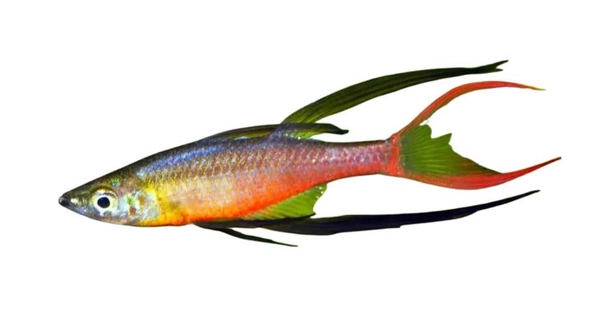
Threadfin Rainbowfish are admired for their shimmering colors and active swimming. Their lively behavior makes them popular in community tanks, yet their social interactions can sometimes surprise even experienced aquarists. Observing their behavior helps ensure a harmonious aquarium environment.
Threadfin Rainbowfish can display territorial behavior, particularly in groups with limited space or unbalanced male-to-female ratios. Dominance hierarchies often form, with certain individuals asserting control over preferred areas, though aggression is generally mild compared to more overtly territorial species.
Maintaining proper tank size and social structure is essential to reduce conflicts. Understanding their tendencies will help keep your rainbowfish healthy and stress-free.
Understanding Threadfin Rainbowfish Behavior
Threadfin Rainbowfish are naturally active and social, preferring to swim in groups. Their activity level makes them appealing in community tanks, but it also means they need sufficient space to avoid stress. When kept in cramped conditions, minor squabbles can escalate, as individuals compete for territory or swimming routes. Males can become more dominant, chasing smaller or weaker fish, and establishing a hierarchy. Providing hiding spots and plants can help diffuse tension, giving each fish a sense of security. Observing the group’s dynamics regularly allows you to spot early signs of stress, such as nipped fins or constant chasing. Maintaining water quality and stable conditions reduces aggression and supports their natural behavior. Their social structure is flexible, but overcrowding can trigger unnecessary fights. Paying attention to tank mates’ temperaments also ensures a balanced environment, helping rainbowfish thrive together. Planning the group carefully contributes to a calmer, more visually appealing aquarium.
Careful monitoring helps prevent disputes and ensures a peaceful group dynamic. Proper tank design reduces aggression significantly.
Keeping the tank well-structured allows Threadfin Rainbowfish to express natural behavior. Each fish benefits from open swimming areas, plants for cover, and balanced social interactions. Stress is minimized when the group is stable and space is adequate, enhancing overall health and activity.
Managing Aggression in Groups
Identifying early signs of aggression can prevent injuries. Watch for chasing, nipped fins, and territorial displays.
Addressing aggression involves adjusting tank size, rearranging decor, or rebalancing the number of males and females. Ensuring each fish has adequate space and access to hiding spots reduces stress-related behavior. Introducing new fish slowly helps the group establish stable hierarchies. Feeding multiple areas of the tank prevents competition and supports peaceful interactions. Observing how individuals interact daily allows you to intervene before conflicts escalate. Adjusting water parameters to match their natural habitat can calm overly aggressive fish. When necessary, temporarily separating the most dominant individuals can restore balance. Patience and consistent care help Threadfin Rainbowfish coexist in groups, allowing their natural colors and lively movements to shine without continuous disputes. Over time, you will notice a stable, active, and harmonious community forming.
Tank Setup for Peaceful Groups
A proper tank setup can prevent most aggression. Providing open swimming areas and plenty of plants reduces stress and creates a sense of territory for each fish. Decorations and hiding spots help diffuse conflicts and allow timid fish to escape dominant individuals.
Maintaining a spacious tank is crucial. Threadfin Rainbowfish thrive in groups of six or more, but they need enough room to swim freely. Overcrowding increases competition for territory and heightens aggression. Adding vertical and horizontal structures like plants, rocks, and driftwood divides the tank into smaller zones, giving fish personal space. Observing how they interact in these zones can help you adjust placement and group composition. Temperature, pH, and water hardness should remain stable to support their natural behavior and overall health.
Placement of hiding spots and plants directly affects social dynamics. Fish use cover to escape chasing, establish personal boundaries, and reduce stress. Even small changes can improve harmony. Maintaining consistent feeding locations and schedules also minimizes conflicts, helping fish feel secure. Observing behavior over time allows you to refine the setup, ensuring that dominant individuals do not monopolize the best areas. A well-structured tank encourages natural schooling behavior, enhances coloration, and keeps all members active and healthy.
Balancing Male-to-Female Ratios
Keeping an appropriate male-to-female ratio limits aggression. A higher number of females relative to males prevents one male from dominating the group.
Males can be more aggressive when outnumbered, chasing females excessively or fighting rivals. By maintaining a ratio of at least two or three females per male, social stress is reduced, and the hierarchy remains balanced. Introducing new fish gradually allows the group to adjust, minimizing disruption. Dominant males establish territories naturally, but with sufficient females, their attention is divided, reducing targeted aggression. Monitoring interactions helps identify individuals that may need temporary separation. Adjusting ratios over time can maintain stability, ensuring the group remains active, colorful, and healthy, with minimal stress-related behaviors.
Feeding Practices to Reduce Aggression
Feeding in multiple areas of the tank prevents competition. Spread flakes or pellets across different spots so all fish can access food without being chased. This helps reduce stress and keeps everyone active and healthy.
Consistent feeding times create predictability. Threadfin Rainbowfish respond well to routines, which can minimize aggressive bursts during mealtime. Avoid overfeeding, as leftover food can pollute the water and increase irritability.
Observing Social Hierarchies
Dominance hierarchies form naturally among Threadfin Rainbowfish. Males often display more vividly and chase subordinates, establishing a pecking order. Recognizing these patterns allows you to adjust tank conditions or group composition to maintain harmony.
Introducing New Fish
Introducing new fish slowly helps prevent conflict. Quarantining newcomers and using a divider allows the group to adjust gradually. Observation during this period ensures that aggressive behavior is managed before permanent integration.
Signs of Stress and Aggression
Watch for nipped fins, hiding, or constant chasing. Early detection allows intervention, maintaining a peaceful and healthy group environment for all rainbowfish.
FAQ
Can Threadfin Rainbowfish live peacefully with other species?
Yes, they generally do well with other peaceful community fish. Ideal tank mates are small, non-aggressive species like rasboras, tetras, and danios. Avoid larger or territorial fish that may bully rainbowfish, as this can increase stress and trigger defensive behavior. Maintaining compatible water parameters is essential for harmony.
How much space do they need in a group?
A group of six or more requires at least a 30-gallon tank, though larger tanks are better for stability. Adequate swimming space reduces chasing and territorial disputes. Dividing the tank with plants, rocks, and decorations allows fish to establish personal areas without constant conflict.
Do males fight more than females?
Males are more likely to display territorial and dominance behaviors, especially when outnumbered by other males. Females rarely fight aggressively. Ensuring a higher number of females per male can reduce aggressive interactions and help maintain a balanced social structure.
What triggers territorial behavior?
Limited space, uneven male-to-female ratios, and competition for food or hiding spots are common triggers. Overcrowding and abrupt changes in tank layout can also increase aggression. Monitoring the group and adjusting tank setup or group composition prevents prolonged stress and injuries.
Can aggression be reduced naturally?
Yes, creating hiding spots, spreading food, and maintaining open swimming areas helps fish feel secure. Stable water conditions and gradual introductions of new fish also reduce tension. Observing social interactions allows timely intervention if a particular fish becomes too dominant.
How do I know if my fish is stressed?
Signs of stress include hiding frequently, nipped fins, pale coloration, and erratic swimming. Aggression may increase, or submissive fish may isolate themselves. Early recognition helps you adjust tank conditions or group dynamics to restore balance and reduce stress.
Is it safe to keep only males together?
Keeping only males can lead to frequent chasing and constant dominance displays. A few males can coexist if the tank is very large and filled with hiding spots, but generally, including more females creates a calmer environment and reduces aggressive behavior.
Do juveniles show territorial behavior?
Juvenile Threadfin Rainbowfish are generally peaceful, but some mild hierarchy formation can occur as they grow. Providing sufficient space, plants, and structures from the beginning helps prevent early aggression and encourages natural schooling behavior without stress.
How can I introduce new fish to an established group?
Quarantine new fish first, then use a tank divider to allow visual contact without direct interaction. Gradually remove the divider once the group accepts the newcomer. Feeding in multiple areas during this period reduces competition and allows smoother integration.
Are there any permanent signs of aggression damage?
Repeated attacks can cause torn fins, scale loss, or infections if not treated. Minor nicks usually heal, but continuous aggression can lead to long-term health issues. Maintaining balanced groups and observing behavior reduces the likelihood of permanent damage.
Does water quality affect aggression?
Poor water quality increases stress, which can trigger more aggressive behavior. Keeping temperature, pH, and hardness stable, along with regular water changes, supports healthy interactions and reduces dominance-related disputes.
Can breeding increase aggression?
Yes, males become more territorial during breeding, guarding spawning sites and females. Providing ample space and hiding spots helps prevent fights and ensures females are not harassed excessively. Careful observation is necessary during this period.
Do Threadfin Rainbowfish show aggression towards slower fish?
They may chase slower-moving tank mates if feeling dominant, especially in tight spaces. Selecting fast-swimming, peaceful species as companions minimizes these incidents and promotes a harmonious environment.
How often should I check for aggression?
Daily observation is ideal. Spotting chasing, hiding, or fin damage early allows timely intervention. Adjusting tank layout, feeding routines, or group ratios can maintain calm interactions and protect weaker individuals from prolonged stress.
Can territorial behavior be completely prevented?
Territorial instincts cannot be eliminated, but they can be managed. Proper tank size, balanced male-to-female ratios, hiding spots, and consistent care minimize conflict. Understanding natural behavior helps create a stable, active, and colorful community without constant aggression.
This FAQ provides practical guidance to manage Threadfin Rainbowfish in groups, ensuring their social needs and well-being are supported effectively.
Word count: 508
Final Thoughts
Threadfin Rainbowfish are lively and colorful additions to a community tank. Their active swimming and shimmering scales make them enjoyable to watch, but they require careful planning to maintain harmony in a group. Understanding their natural behavior is essential to prevent aggression and stress. Territorial behavior is not uncommon, especially among males, and is influenced by factors such as tank size, social structure, and available hiding spaces. Observing the fish closely can reveal subtle signs of tension, allowing adjustments before conflicts escalate. Providing a well-planned environment helps them thrive while minimizing disputes and injuries.
A well-structured tank is one of the most important aspects of keeping Threadfin Rainbowfish in groups. Open swimming areas allow each fish to move freely, while plants, rocks, and decorations create zones that offer security and personal space. Proper tank size is essential, as overcrowding increases competition and can trigger constant chasing. Maintaining stable water conditions, including temperature, pH, and hardness, also plays a key role in supporting their natural behavior. Feeding in multiple areas prevents dominant fish from controlling resources, giving all individuals equal access to food. Attention to these details ensures a more balanced group dynamic and reduces the likelihood of prolonged aggression. Regular monitoring helps maintain the social order while allowing you to enjoy their active and colorful displays.
Balancing male-to-female ratios and monitoring social interactions are equally important for a peaceful community. Males can become aggressive if there are too few females, while females are generally more tolerant and social. Introducing new fish slowly, using dividers or quarantine periods, helps integrate them into established groups without causing stress. Observing signs of aggression or stress, such as hiding, nipped fins, or pale coloration, enables timely intervention. Even with careful planning, some level of hierarchy and territorial behavior is natural, but it can be managed through thoughtful tank design, consistent care, and attention to group composition. By understanding and respecting these behaviors, Threadfin Rainbowfish can live healthily in a harmonious, visually appealing community tank, allowing their full vibrancy and energy to be appreciated.
Word count: 418

Hello,
If you enjoy the content that we create, please consider saying a "Thank You!" by leaving a tip.
Every little bit helps us continue crafting quality advice that supports the health, happiness, and well-being of pets around the world, for pets of all shapes, sizes, and species.
We really appreciate the kindness and support that you show us!