
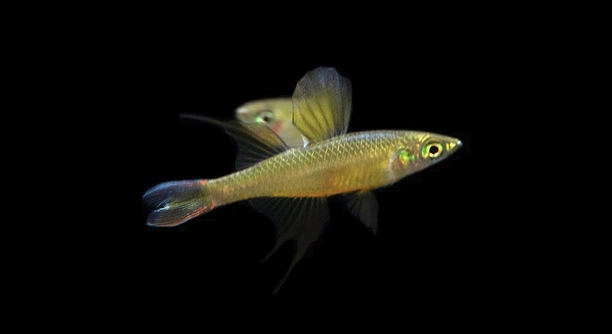
Threadfin Rainbowfish are lively and colorful, making them a popular choice for aquariums. Observing their behavior closely can reveal subtle signs about their health and well-being, helping owners maintain a balanced and thriving aquatic environment.
Subtle changes in swimming patterns, feeding behavior, coloration, fin condition, and social interactions often indicate the health status of Threadfin Rainbowfish. Recognizing these behavioral clues early allows for timely interventions, preventing disease progression and promoting overall fish welfare in captive habitats.
Monitoring these signs consistently provides valuable insights into your fish’s condition. Understanding their behavior ensures they remain healthy, active, and comfortable within your aquarium setting.
Changes in Swimming Patterns
Threadfin Rainbowfish usually swim smoothly and confidently, exploring all areas of the tank. When I noticed sudden changes, like darting, staying near the surface, or hiding, it often signaled stress or health issues. These behaviors can result from water quality problems, temperature fluctuations, or minor illnesses. Observing their swimming patterns daily helps catch problems early. Even subtle hesitation or uncoordinated movement can indicate something is off. Over time, consistent monitoring allows you to see what is normal for each fish and spot unusual behavior quickly. Sudden bursts of energy followed by lethargy or swimming in circles may suggest internal parasites or discomfort. Ensuring the tank has enough space and proper filtration minimizes stress. I found that even small adjustments, like removing aggressive tankmates or adding plants for hiding, improved swimming confidence. Paying attention to these cues reduces the likelihood of serious health issues.
Recognizing these changes early allows for faster intervention, preventing more severe health problems.
Providing a stable environment and consistent care significantly improves swimming behavior. Regular observation ensures any issues are addressed promptly, keeping your fish active and comfortable.
Feeding Behavior and Appetite
A healthy Threadfin Rainbowfish shows consistent interest in food and eats eagerly.
Changes in appetite, such as refusing food or only nibbling, can indicate stress, illness, or poor water conditions. Overfeeding or inappropriate diets can also affect their energy and growth. Noticing which foods they prefer and how quickly they eat provides insight into their health. Gradually, I learned that sudden disinterest in food often meant an underlying issue, from water quality shifts to infections. Feeding smaller portions more frequently keeps their digestion steady and prevents leftover food from polluting the tank. Occasionally, I adjust diet composition, including live, frozen, or high-quality flake food, to maintain optimal nutrition. Monitoring their feeding patterns alongside other behavioral signs helps create a complete picture of their well-being. Even minor changes in eating habits can serve as an early warning system. Ensuring a balanced diet and clean environment keeps their appetite stable and supports overall vitality.
Consistency in diet and observation strengthens health management. Regularly tracking feeding patterns helps detect problems before they escalate.
Well-balanced nutrition, combined with attentive observation, promotes robust growth, vibrant coloration, and active swimming. Feeding adjustments can prevent nutrient deficiencies and improve resistance to disease. Observing how each fish reacts to different food types also aids in tailoring a diet that maximizes health and reduces stress, supporting a thriving tank ecosystem.
Coloration Shifts
Color changes often reflect health or stress. Dull or faded colors can indicate poor water quality, illness, or dietary deficiencies.
I noticed that when my Threadfin Rainbowfish lost their vibrant hues, it usually meant something in the tank was off. Water parameters, especially pH and ammonia levels, have a direct impact on coloration. Illnesses like ich or internal infections also cause paleness or blotches. Ensuring a varied diet with high-quality nutrients can restore vibrancy over time. Even minor stressors, such as overcrowding or aggressive tankmates, affect color intensity. Consistent observation and timely adjustments helped my fish regain their bright appearance.
Tracking subtle color shifts over days or weeks provides insight into underlying issues. Pairing dietary improvements with careful monitoring of water conditions prevents long-term stress and promotes natural vibrancy.
Observing when colors fade or intensify allows me to act quickly, adjusting diet, environment, or tank maintenance. This proactive approach helps maintain their natural brilliance and signals overall health effectively.
Fin Condition
Torn, clamped, or frayed fins signal possible injury, infection, or stress in Threadfin Rainbowfish. Maintaining clean water reduces the risk.
I discovered that minor fin damage often starts unnoticed. Poor water quality, aggressive tankmates, or fungal infections can worsen over time if left untreated. Routine checks for fin integrity became a habit, allowing me to spot small tears or discoloration early. Treating infections promptly and adjusting tank conditions prevented further deterioration. Adding plants or decorations provided safer swimming areas, reducing accidental damage. Overfeeding can also affect fin health, as leftover food leads to water contamination and bacterial growth. Ensuring balanced nutrition supported faster fin recovery and overall vitality.
Regular observation and quick intervention help prevent infections from spreading. Proper tank maintenance and careful feeding practices reduce risks, keeping fins strong and intact.
Healthy fins enhance swimming efficiency and reduce stress. By addressing damage promptly, I maintained both physical function and appearance, ensuring my fish could move naturally and remain energetic in their environment.
Social Interaction Changes
Threadfin Rainbowfish are social and usually swim in groups. Isolation or aggression indicates stress or illness.
I noticed that when a fish stopped joining the school or hid constantly, it often needed attention. Aggressive behavior from tankmates can also cause withdrawal, signaling environmental adjustments are required.
Breathing Irregularities
Rapid gill movement or gasping at the surface signals oxygen issues or illness. Maintaining proper aeration and water quality is essential.
I observed that occasional fast breathing often meant water oxygen levels were low or ammonia had increased. Regular water testing and adequate filtration quickly resolved these problems. Keeping the tank clean prevents stress and respiratory strain, ensuring fish remain active and healthy.
Unusual Body Swelling
Swelling or bloating in Threadfin Rainbowfish may indicate infection or digestive issues.
Noticing body changes early allowed me to adjust diet or provide treatment, preventing serious health complications.
FAQ
What causes my Threadfin Rainbowfish to swim erratically?
Erratic swimming often results from stress, poor water conditions, or illness. I noticed that when water temperature fluctuated or ammonia spiked, my fish started darting around or swimming in circles. Aggressive tankmates or overcrowding can also trigger unusual movement. Observing their environment closely and testing water regularly helped stabilize their behavior. Ensuring enough hiding spaces and adjusting tankmates reduced stress and restored normal swimming patterns.
Why is my fish losing its vibrant colors?
Color fading usually reflects stress, nutritional deficiencies, or illness. I found that changes in water quality, such as high nitrates or incorrect pH, directly affected their vibrancy. Feeding a varied diet rich in carotenoids and high-quality flakes or frozen food helped restore bright colors. Minor stressors like sudden changes in lighting, overcrowding, or aggressive neighbors can also cause dullness. Consistent observation and small adjustments to diet and environment improved the fish’s natural hues over time.
What does it mean when fins are clamped or frayed?
Clamped or damaged fins indicate stress, injury, or infection. I observed that even minor tears could worsen if left untreated. Poor water conditions, rough decorations, or aggressive tankmates often caused initial damage. Regular water changes, proper filtration, and treating infections promptly helped maintain fin health. Adding plants and smooth surfaces gave my fish safer swimming spaces, reducing the risk of tearing. A balanced diet also supported faster fin recovery.
Why is my fish refusing to eat?
Loss of appetite can signal stress, illness, or water issues. I noticed that sudden disinterest in food often coincided with water parameter changes or minor infections. Overfeeding or spoiled food can also reduce appetite. Offering small portions of varied food and monitoring tank conditions helped restore normal eating habits. Ensuring proper oxygenation and temperature stability also made them more willing to feed.
What causes unusual body swelling?
Swelling often indicates internal infection, constipation, or organ issues. When I noticed bloating, it usually pointed to dietary problems or mild infections. Reducing feeding frequency, providing high-quality, easily digestible food, and observing for other symptoms helped address the issue. Prompt water testing and maintaining cleanliness prevented further complications. Swelling can also appear if the fish is carrying eggs, so distinguishing between reproductive and health-related causes is important.
Why is my fish gasping at the surface?
Gasping usually signals low oxygen or poor water quality. I found that insufficient aeration, high ammonia, or crowded tanks caused frequent surface breathing. Adding an air stone or increasing water circulation improved oxygen levels. Testing and adjusting water regularly prevented recurring issues, keeping my fish breathing normally.
How can I prevent stress in my Threadfin Rainbowfish?
Stress is reduced through proper tank size, clean water, and compatible tankmates. I noticed that providing hiding spaces and maintaining stable temperature and pH kept my fish calmer. Avoiding sudden changes, overcrowding, and aggressive companions helped maintain peaceful interactions. Regular feeding schedules and high-quality nutrition also played a significant role.
How do I know when my fish needs medical attention?
Medical attention is required when behavioral changes are persistent, fins are damaged, colors fade, or swelling occurs. I observed that minor issues could often be managed through environment adjustments, but persistent or severe signs needed treatment. Consulting a veterinarian familiar with fish health ensures proper diagnosis and care. Early detection through consistent observation prevented complications and supported overall vitality.
Can water quality alone affect all these behaviors?
Yes, water quality directly influences swimming, appetite, coloration, and breathing. I learned that testing ammonia, nitrate, nitrite, and pH levels regularly prevented most behavioral and health issues. Maintaining clean tanks, using proper filtration, and performing regular water changes kept my fish active, vibrant, and healthy.
What daily habits help keep Threadfin Rainbowfish healthy?
Observing behavior, checking water quality, feeding balanced portions, and maintaining a clean tank are essential. I found that spending just a few minutes daily monitoring swimming, appetite, and color helped detect problems early. Providing hiding spaces, gentle water flow, and a varied diet created a stress-free environment that supported long-term health and natural behavior patterns.
This FAQ provides practical guidance based on observation and care, ensuring Threadfin Rainbowfish thrive in a stable, well-maintained environment. Regular attention and small adjustments go a long way in maintaining their health and vitality.
Word count: 516
Final Thoughts
Caring for Threadfin Rainbowfish requires careful observation and attention to their daily behavior. These fish communicate their well-being through subtle signs, such as swimming patterns, appetite, coloration, and fin condition. I found that spending a few minutes each day watching them made a significant difference in identifying potential issues before they became serious. Even small changes in behavior can indicate stress, water quality problems, or early stages of illness. Consistency in monitoring allows for timely adjustments in tank maintenance, diet, or environment. Over time, this approach helps maintain a stable, healthy aquarium where the fish can thrive. Creating a routine of observation and care also builds confidence in managing their needs effectively.
Maintaining water quality is one of the most critical aspects of keeping Threadfin Rainbowfish healthy. Regular testing for parameters like pH, ammonia, nitrite, and nitrate prevents conditions that could stress or harm the fish. I learned that even minor fluctuations could trigger changes in behavior or appearance, such as fading colors, frayed fins, or unusual swimming. Proper filtration, frequent water changes, and avoiding overcrowding are essential measures to support their overall well-being. Providing a balanced diet with a mix of flake, frozen, or live food also contributes to their vitality. Paying attention to both environmental and nutritional factors ensures the fish remain active, vibrant, and free from disease.
Behavioral observation and proactive care work together to support long-term health in Threadfin Rainbowfish. By tracking appetite, swimming patterns, social interactions, and coloration, I could anticipate and address problems before they escalated. Minor issues, like temporary fin damage or brief appetite loss, often resolved quickly with proper care and adjustments. Over time, understanding each fish’s individual habits made it easier to spot unusual patterns and provide the right interventions. Consistency, patience, and attention to detail create an environment that promotes natural behavior, reduces stress, and enhances overall quality of life. Through this attentive approach, Threadfin Rainbowfish can remain healthy, active, and vibrant, allowing them to flourish in a stable and well-maintained aquarium.
Word count: 416

Hello,
If you enjoy the content that we create, please consider saying a "Thank You!" by leaving a tip.
Every little bit helps us continue crafting quality advice that supports the health, happiness, and well-being of pets around the world, for pets of all shapes, sizes, and species.
We really appreciate the kindness and support that you show us!