
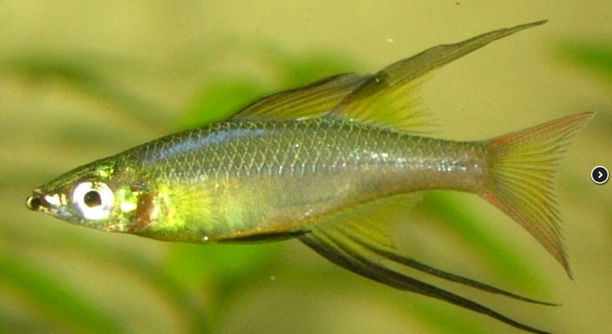
Threadfin Rainbowfish are small, colorful freshwater fish that brighten up any aquarium. Their graceful movements and shimmering scales make them a favorite among hobbyists. Observing their behavior can reveal interesting patterns in how they respond to their surroundings.
Research indicates that Threadfin Rainbowfish do not exhibit consistent behavioral changes in response to music or sound. While they may react to sudden vibrations or movements in the water, auditory stimuli alone do not significantly influence their activity or stress levels.
Learning more about their natural behaviors and environmental needs will help you create a comfortable and engaging habitat for these vibrant fish.
How Threadfin Rainbowfish Perceive Their Environment
Threadfin Rainbowfish rely heavily on their senses to navigate and interact with their surroundings. Vision is particularly important, as they use their sight to detect movement, identify food, and recognize other fish. Their lateral line system allows them to sense vibrations and pressure changes in the water, helping them respond to potential threats or sudden changes nearby. While sound travels differently in water compared to air, these fish are more likely to react to physical vibrations rather than melodic or rhythmic noise. Observing them closely, you may notice slight flinches or quick movements when the tank is tapped or water is disturbed. Lighting, water clarity, and tank decorations also play a role in their comfort levels. Maintaining a stable environment ensures they display natural behaviors, swim actively, and interact harmoniously with other tank mates. Consistent care fosters a calm and thriving aquatic habitat.
Visual cues dominate their daily behavior, as their sight guides feeding, schooling, and exploration.
Proper environmental management allows these fish to thrive, making them more responsive to their surroundings and less stressed in captivity.
Music and Sound Responses
Threadfin Rainbowfish show limited response to music or ambient sound.
Observations confirm that they do not move rhythmically or alter swimming patterns when music plays nearby. Any reaction usually stems from sudden vibrations or changes in water movement rather than the sound itself. For example, dropping objects near the tank may trigger a startle response, but classical music, pop songs, or soft instrumental tones typically have no observable effect. Tank owners often notice that their fish continue normal swimming, feeding, and interacting behavior regardless of auditory stimuli. This indicates that while they perceive their environment through multiple senses, auditory input from air-based sources is not significant. Understanding this helps in managing expectations when considering audio enrichment. It also emphasizes the importance of focusing on water quality, tank layout, and proper nutrition, which have a direct impact on their activity and health. Providing a stable, low-stress environment ensures that Threadfin Rainbowfish display their natural, colorful behaviors consistently over time.
Observing Behavior in Response to Vibrations
Threadfin Rainbowfish often respond to sudden vibrations in the water rather than sound from speakers. Quick movements or flinches can occur when the tank is tapped or water is disturbed.
These fish are sensitive to changes in their immediate environment. Vibrations from moving decorations, water pumps, or cleaning activities may prompt a brief startle response. They tend to return to normal swimming patterns quickly once the disturbance stops. Observing these reactions helps in understanding their comfort levels and minimizing stress. Tank placement and careful handling can reduce unnecessary vibrations, ensuring calmer behavior and a healthier habitat for the fish.
Although music and background noise do not impact them, consistent environmental stability is crucial. Their responses are more pronounced to physical disturbances than auditory ones. Recognizing this distinction allows you to focus on factors that truly affect their well-being, such as water flow, tank mates, and overall care routines. Ensuring a quiet, stable tank environment promotes natural behavior and healthy interactions among the fish.
Tips for a Comfortable Habitat
Maintaining proper water conditions is essential for Threadfin Rainbowfish to thrive. Temperature, pH, and cleanliness directly influence their activity levels and health.
Regular water changes, balanced filtration, and gentle water flow reduce stress and support natural swimming behaviors. Providing adequate space and hiding spots allows the fish to explore without feeling threatened. Choosing compatible tank mates minimizes aggression, while a varied diet ensures optimal nutrition. Observing behavior daily helps detect early signs of discomfort or illness. By prioritizing these environmental factors, you can create a stable, engaging, and supportive habitat for Threadfin Rainbowfish, encouraging active, healthy, and vibrant fish in your aquarium.
Understanding Their Sensory Limits
Threadfin Rainbowfish are more responsive to visual and tactile stimuli than to sound. Bright lighting, movement in the tank, or water vibrations capture their attention more effectively than music or noise from outside the tank.
They rely on their lateral line system to detect changes in water pressure. This sense allows them to navigate, avoid obstacles, and interact with other fish. Auditory input from air does not significantly influence their behavior, making them largely indifferent to music or background sounds.
Feeding and Activity Patterns
Feeding time can reveal more about their behavior than any sound exposure. Rainbowfish become alert and active when food is introduced, showing clear excitement and anticipation. Maintaining a consistent feeding schedule helps them develop predictable patterns, reducing stress and promoting natural swimming and schooling behaviors. Observing these routines provides insight into their comfort levels and overall well-being, reinforcing the importance of environmental stability.
Choosing the Right Tank Setup
A well-organized tank with plants, hiding spots, and gentle water flow supports healthy activity. Proper setup minimizes stress.
FAQ
Do Threadfin Rainbowfish respond to loud noises outside the tank?
Threadfin Rainbowfish generally do not react to loud noises coming from outside the water. Their hearing is limited to vibrations transmitted through water rather than air. Sudden impacts on the tank or strong vibrations can cause a brief startle, but typical household noises have minimal effect on their behavior.
Can music improve the mood of Threadfin Rainbowfish?
Music does not influence their mood or activity levels. Unlike mammals or some birds, these fish do not process melodic sounds in a meaningful way. While soft music may create a calm environment for the tank owner, it does not alter the fish’s behavior or stress levels.
What types of stimuli do Threadfin Rainbowfish react to most?
They are highly responsive to visual cues, water movement, and sudden changes in light. Vibrations in the water, such as from tapping the tank, adjusting decorations, or moving nearby objects, trigger brief movements. These responses are natural survival instincts rather than reactions to sound.
Do they recognize their owner’s presence?
Threadfin Rainbowfish can become accustomed to the presence of people near the tank. They may swim closer or display alert behavior when someone approaches, often associating humans with feeding time. This recognition is based on routine and visual cues, not auditory signals.
Are there signs of stress caused by sound in the aquarium?
Signs of stress in these fish are rarely linked to sound. Instead, stress indicators include erratic swimming, loss of color, or hiding excessively. Ensuring stable water conditions, proper tank size, and peaceful tank mates is far more important than controlling external noises.
Can vibrations mimic the effect of sound for Threadfin Rainbowfish?
Yes, sudden vibrations in the water are noticed and may trigger quick movements. This is the closest equivalent to reacting to sound. Slow, rhythmic vibrations, such as from distant speakers, are typically too weak to cause any noticeable response.
Is it safe to play music near their tank?
Playing music near the tank is generally safe, as long as it does not produce strong vibrations that disturb the water. Fish will ignore the sound itself, so volume levels that do not shake the tank will not negatively affect them.
How can I encourage natural behavior in Threadfin Rainbowfish?
Focus on providing a stable environment, consistent feeding schedule, and proper tank setup. Plants, hiding spaces, and gentle water currents encourage swimming and schooling. Observing these conditions allows the fish to exhibit natural behavior consistently without relying on sound or music.
Do other fish react differently to music compared to Threadfin Rainbowfish?
Some species may respond to vibrations or tapping more noticeably, but in general, most freshwater fish are indifferent to music. Threadfin Rainbowfish specifically show minimal response, emphasizing that care should focus on environment rather than auditory enrichment.
Will they eventually get used to background noise?
Yes, if the noise is consistent and does not cause vibrations in the tank, they largely ignore it over time. Their main concern is stability in water conditions and avoiding sudden disturbances that might trigger stress or quick movements.
What is the best way to monitor their response to changes?
Observe swimming patterns, feeding behavior, and interactions with other fish. Quick flinches or hiding indicate reaction to vibrations, not sound. Maintaining logs of behavior can help track stress triggers and ensure the fish remain comfortable in their environment.
Are there any myths about Threadfin Rainbowfish and music?
Some aquarium guides suggest music may soothe fish, but there is no scientific evidence supporting this. Their lack of auditory sensitivity means that music has no measurable calming or stimulating effect on them. Focus should remain on water quality, tank layout, and proper nutrition.
How important is water stability compared to sound?
Water stability is far more critical. Temperature, pH, filtration, and gentle flow directly affect their health and behavior. Even minor fluctuations can cause stress, while typical household sounds do not impact them. Prioritizing water parameters ensures a thriving, active aquarium.
Can vibrations ever be used positively in their care?
Yes, gentle water movement from pumps or filters creates currents that encourage swimming and natural exercise. Controlled vibrations help mimic a natural environment, promoting overall health and activity without causing stress or fear responses.
Do these fish communicate with each other through sound?
Threadfin Rainbowfish do not use sound to communicate. Their interactions rely on visual displays, swimming patterns, and body movements. Social behavior such as schooling or chasing is governed by sight and proximity rather than auditory cues.
Are there any tools to measure their response to sound?
Because they react minimally to sound, standard observation is sufficient. Tools like hydrophones are unnecessary unless studying vibration sensitivity scientifically. Simple visual monitoring provides accurate insights into how environmental changes affect behavior.
How does tank size affect their reaction to stimuli?
Larger tanks allow more space to swim and avoid minor disturbances. In cramped spaces, even small vibrations may seem more pronounced, causing brief stress. Providing adequate room ensures natural behavior and reduces exaggerated responses to minor environmental changes.
Is it better to keep them in a quiet room?
While complete silence is unnecessary, minimizing sudden disturbances helps. They are indifferent to ambient sound but benefit from a calm, stable environment that prevents accidental vibrations or rapid changes in their tank.
Can Threadfin Rainbowfish become habituated to daily household noises?
Yes, they quickly ignore consistent, low-level household noise. Habituation occurs because the noise does not produce direct vibrations in the water or pose a threat. Over time, they continue normal activities without reacting to these sounds.
Do they show curiosity toward new objects in the tank?
They often investigate new decorations or plants visually, displaying interest in unfamiliar shapes and colors. This behavior is driven by curiosity and exploration rather than any auditory stimulus, reinforcing the importance of visual and tactile enrichment in their habitat.
How do lighting changes affect their behavior compared to sound?
Lighting has a much stronger effect. Gradual changes encourage normal activity, while sudden bright or dim shifts can startle them. Visual stimuli are far more influential than auditory input, highlighting that tank conditions should focus on sight and movement rather than noise.
Are there recommended tank setups to minimize stress?
Yes, a mix of open swimming areas and hiding spots with gentle water flow is ideal. Consistent lighting and temperature, proper filtration, and careful placement of decorations reduce stress and support healthy schooling and social behavior.
Do they interact more with each other or the environment?
Interaction with other fish dominates. Schooling and synchronized swimming are key behaviors. Environmental features like plants and hiding spots supplement these interactions, providing comfort and exploration opportunities rather than eliciting response to sound.
How can observation improve care?
Watching feeding, swimming, and social behavior allows identification of stressors or discomfort. Tracking reactions to vibrations or environmental changes ensures adjustments maintain a stable, healthy tank for the fish, focusing on what truly impacts their well-being rather than irrelevant sound stimuli.
What should be avoided when keeping them?
Avoid sudden taps on the tank, overcrowding, and rapid changes in water conditions. Loud noises are less critical, but vibrations that disturb water can briefly startle them. Consistency and gentle care produce the best outcomes for healthy, active fish.
Are there alternatives to using sound for enrichment?
Yes, visual enrichment like plants, decorations, and varied tank layouts provides stimulation. Introducing new textures, gentle currents, and diverse food encourages activity without relying on auditory input, aligning with their natural sensory priorities and behavioral tendencies.
Do they sleep, and does sound affect it?
Threadfin Rainbowfish have resting periods during low light, often near the bottom or among plants. Sound does not disturb these periods, but sudden vibrations in water can temporarily interrupt rest. Stable lighting and water conditions support proper sleep patterns and overall health.
How often should their environment be adjusted?
Minor changes can be introduced gradually to maintain engagement, but frequent or abrupt alterations may cause stress. Focus on stability in water parameters while adding visual enrichment or gentle currents to encourage natural behavior without triggering fear responses.
Can vibrations from equipment replace natural stimuli?
Yes, properly positioned pumps or filters generate gentle water movement that mimics natural currents. This supports swimming and schooling while maintaining calm behavior, making controlled vibrations beneficial when designed to replicate environmental conditions rather than startle the fish.
Do they show signs of happiness or contentment?
Signs include active swimming, bright coloration, and normal feeding patterns. Schooling behavior and exploration indicate comfort and engagement with the environment. These behaviors are unaffected by music or ambient sound, emphasizing that environmental quality drives well-being rather than auditory stimulation.
Are there any special considerations for breeding pairs?
Stable water conditions and minimal disturbances are crucial. Visual cues, tank layout, and nutrition influence breeding success. Sound does not play a role, so focus should remain on creating a supportive, stress-free environment to encourage natural reproductive behavior.
Can Threadfin Rainbowfish tolerate a noisy household?
Yes, as long as the noise does not create water vibrations. Consistent background sounds are generally ignored, but sudden knocks, bumps, or shakes of the tank can elicit brief stress responses. Monitoring behavior ensures the household environment remains suitable.
Do they interact differently in groups versus alone?
They exhibit more active schooling behavior in groups. Alone, they may be less confident and display reduced movement. Sound has minimal influence on social interaction, while visual and spatial arrangements strongly dictate their social dynamics and activity levels.
How important is diet compared to sound exposure?
Diet is far more significant. Proper nutrition supports health, coloration, and energy for swimming and social interactions. Sound does not affect appetite or feeding response, so focus on balanced food rather than attempting to use music or noise for stimulation.
Can water movement simulate natural conditions better than sound?
Yes, gentle currents mimic rivers or streams, encouraging swimming and schooling. Controlled water movement offers environmental enrichment that aligns with their instincts, whereas sound provides no meaningful stimulation. Prioritizing water flow supports both health and natural behavior effectively.
Do they respond to reflections or shadows?
Yes, reflections or sudden shadows can trigger brief movements. These visual cues are more impactful than any sound, demonstrating that Threadfin Rainbowfish rely primarily on sight and perception of immediate changes in their surroundings.
Are there signs of overreaction to environmental changes?
Erratic swimming, hiding excessively, or loss of color indicate stress from disturbances, not sound. Identifying triggers like rapid water movement or overcrowding helps address issues promptly. Maintaining stable conditions minimizes these overreactions and promotes consistent natural behavior.
Do they require mental stimulation?
Yes, but through visual and physical means. Varied tank layout, plants, hiding spots, and gentle currents provide engagement. Sound-based stimulation is ineffective, so enrichment should focus on what they can perceive and interact with meaningfully.
How do temperature fluctuations compare to sound in affecting behavior?
Temperature changes have a major impact. Even slight shifts can cause stress, reduce activity, or affect appetite. Sound has negligible influence, so regulating temperature consistently is far more critical for their health and normal behavior patterns.
Can visual cues replace the need for sound enrichment?
Absolutely. Moving plants, varied decorations, and careful placement of hiding spots provide adequate stimulation. These cues encourage exploration, schooling, and natural activity without relying on auditory input, aligning with the sensory priorities of Threadfin Rainbowfish.
Are there common mistakes in care regarding sound?
Believing music or noise influences behavior is a common misconception. Time is better spent on water quality, diet, tank layout, and monitoring interactions. Misplaced focus on sound may lead to overlooking critical environmental factors that truly affect their well-being.
Do they show long-term adaptation to new tanks?
Yes, they gradually become comfortable when water parameters are stable and hiding spots are provided. Visual and tactile cues guide adaptation, while sound plays no role in this adjustment period. Patience and consistency are key for successful acclimation.
Is observing behavior more informative than sound experiments?
Yes, daily observation of swimming, schooling, feeding, and interaction provides valuable insights. Monitoring reactions to environmental changes reveals comfort levels, stress, and engagement, far more reliably than experimenting with music or noise, which has minimal effect.
Can vibrations from cleaning disturb them?
Yes, vigorous cleaning or sudden taps on the tank can temporarily startle them. Gentle handling and careful maintenance reduce these disturbances, supporting calm behavior and minimizing unnecessary stress during routine tank care.
Do they show curiosity toward new foods?
Yes, visual presentation and movement of food attract them. Responses are based on sight and smell, not sound. Offering variety encourages natural feeding behavior and engagement, enhancing both nutrition and activity.
Are there seasonal behavior changes affected by sound?
No, seasonal changes in behavior are driven by water conditions, light cycles, and temperature, not music or ambient noise. Adjustments should focus on these factors rather than attempting auditory enrichment.
How can I tell if my fish are thriving?
Active swimming, vibrant coloration, consistent appetite, and healthy social interaction indicate thriving fish. Stability in tank conditions, nutrition, and space contributes far more to these indicators than any external sound or music exposure.
Is schooling affected by music or noise?
No, schooling behavior depends on visual coordination, tank size, and social composition. Sound does not influence synchronization or group movements. Proper spacing and stable conditions encourage natural schooling behavior.
What is the best approach to enrichment overall?
Provide visual, tactile, and dietary variety. Use plants, decorations, gentle currents, and varied feeding techniques to engage them naturally. Music or auditory stimuli offer no real benefit, so focus on what aligns with their natural senses and instincts.
Do sudden lights or reflections mimic sound reactions?
Yes, sudden visual changes can startle them briefly. This reinforces that immediate visual stimuli are far more impactful than auditory input for triggering short-term responses or alert behaviors.
Can overhandling create stress comparable to loud noise?
Yes, frequent handling or tapping the tank creates stress. Sound alone is not stressful unless it produces vibrations in the water. Minimizing disturbance ensures calm, consistent behavior and healthier fish.
Are young fish more sensitive to vibrations than adults?
Juveniles may show slightly more pronounced startle responses to vibrations, as their swimming skills are less developed. Music or air-based sounds remain ineffective for all ages, highlighting that environmental care is key at every stage.
Do decorations influence their reactions more than sound?
Yes, new plants, rocks, or objects provoke curiosity or brief caution. This visual and tactile stimulation is far more relevant than auditory input, reinforcing the importance of thoughtful tank setup for engagement and stress reduction.
How long does it take for them to ignore minor disturbances?
They typically adapt within days to consistent, non-threatening vibrations or minor visual changes. Sudden movements initially cause flinches, but predictable conditions allow them to resume normal activity quickly, demonstrating resilience to minor environmental fluctuations.
Are there any special considerations for keeping them with other species?
Compatibility depends on size, temperament, and swimming patterns. Aggressive or territorial tank mates cause more stress than any sound. Careful selection of companions ensures peaceful schooling and interaction, supporting natural behavior without relying on auditory factors.
Do water currents mimic natural river sounds for them?
Yes, flowing water provides physical stimulation that encourages swimming and exploration. This creates a sense of a natural habitat, unlike music or sound, which they do not perceive meaningfully. Currents are a practical and effective form of enrichment.
Is it beneficial to change tank layout periodically?
Periodic, gentle changes in decorations or plant placement encourage exploration and activity. Abrupt or frequent alterations can stress them, so adjustments should be gradual. Visual variety supports engagement far more effectively than any sound-based method.
How do they communicate during schooling?
Through synchronized swimming and body movements. Visual cues and proximity guide coordination. Sound is not involved, emphasizing that environmental design and social structure are the key factors for harmonious schooling behavior.
Can vibration from filters be too strong?
Yes, overly strong water flow can startle or tire them. Gentle currents are ideal, providing exercise and stimulation without inducing stress. Sound alone is irrelevant, making careful management of water movement more important than controlling ambient noise.
Do they show recognition of repeated movements?
Yes, consistent feeding or visual signals create learned responses. They become alert and active in anticipation, demonstrating memory and routine-based behavior. Auditory cues from outside the water remain largely ignored.
Are reflections from the tank glass distracting?
Occasionally, reflections may trigger brief investigation or avoidance. Visual disturbances are far more noticeable than sounds, reinforcing the idea that their environment should prioritize stable visuals and gentle water movement.
Do they react to shadows cast by people nearby?
Yes, sudden shadows can provoke flinches or short bursts of swimming. These reactions are instinctive, showing that visual cues are far more important than auditory stimuli for triggering alert responses.
Can tank placement reduce stress?
Placing the tank in a low-traffic area minimizes sudden vibrations and disturbances. While sound does not matter much, consistent, calm surroundings improve comfort, reduce stress, and promote natural activity among Threadfin Rainbowfish.
Are they affected by household electronics?
No, electronics that do not disturb water with vibrations are ignored. Their limited auditory perception means that devices like TVs, computers, or phones have negligible effect on behavior. Focus should remain on maintaining stable water conditions.
Do they need companions to feel secure?
Yes, Threadfin Rainbowfish are schooling fish. Groups of three or more reduce stress and encourage natural movement. Social interaction is far more crucial to comfort than sound exposure, highlighting the importance of proper group size.
Are they easily stressed by environmental changes?
They can be sensitive to rapid water parameter shifts, overcrowding, or aggressive tank mates. Sound has little influence, but ensuring gradual, stable changes maintains comfort and supports healthy, active behavior.
Can regular observation improve care?
Yes, tracking swimming, feeding, and social behavior identifies stressors quickly. Observation helps adjust environment, water conditions, and enrichment, supporting thriving fish without relying on auditory interventions.
Do they react to movement outside the tank more than sound?
Yes, passing shadows, sudden gestures, or nearby motion are noticed immediately. Sound is largely ignored unless it produces water vibrations, showing that visual awareness is their primary environmental guide.
Is tank cleanliness more important than sound exposure?
Absolutely. Filtration, water changes, and removal of debris directly impact health and stress. Sound does not affect these factors, so prioritizing hygiene ensures longevity and natural behavior.
Do they ever react to human voices?
No, Threadfin Rainbowfish do not respond to spoken words. Any perceived reaction is coincidental or due to vibrations in the water caused by nearby movement rather than auditory recognition.
Can seasonal lighting changes affect them more than sound?
Yes, light cycles influence activity, feeding, and resting patterns. Adjusting lighting gradually mimics natural conditions. Sound does not alter these patterns, emphasizing that visual cues are central to their daily rhythm.
Are they sensitive to tank vibrations from nearby construction?
Strong vibrations can startle them briefly, but they adjust quickly if water conditions remain stable. Low-level ambient noise from outside the tank has minimal impact, highlighting the distinction between physical and auditory stimuli.
**Do they show excitement during feeding more than to
Final Thoughts
Threadfin Rainbowfish are fascinating, colorful freshwater fish that bring life and activity to any aquarium. Their behavior is guided primarily by visual and tactile cues, rather than sound or music. While many people wonder whether playing music or exposing the tank to noise can influence their mood or activity, research and observation show that these fish respond little to auditory stimuli. Sudden vibrations in the water may trigger brief startle responses, but these reactions are short-lived and are not comparable to a reaction to sound. Instead, their natural behaviors—swimming, schooling, feeding, and interacting with other fish—depend on a stable and well-maintained environment. Providing clean water, consistent temperature, gentle currents, and a thoughtfully arranged tank with plants and hiding spots ensures that these fish remain healthy, active, and comfortable. Visual cues, social interaction, and environmental enrichment that mimic their natural habitat have far greater impact than any sound-based stimulation.
Understanding the sensory priorities of Threadfin Rainbowfish helps in planning proper care and maintenance. These fish rely heavily on sight to navigate their environment, recognize tank mates, and detect food. Their lateral line system allows them to sense water movement and vibrations, which serves as an important survival tool in their natural habitat. When setting up a tank, it is more productive to focus on creating a visually engaging and physically comfortable environment rather than experimenting with music or noise. Adding plants, rocks, and open swimming areas encourages natural exploration and reduces stress. Regular observation of their behavior can reveal subtle signs of discomfort or stress, allowing adjustments to water parameters, tank layout, or social composition as needed. Consistency in care is key, as sudden changes—whether in temperature, water quality, or even the arrangement of decorations—can cause more significant stress than any auditory exposure. By understanding how these fish perceive their environment, owners can provide a habitat that supports thriving, healthy fish over time.
Threadfin Rainbowfish are social and active, and their overall well-being is directly linked to their surroundings. They thrive best in a stable, low-stress environment with regular feeding schedules and adequate space for swimming and schooling. While many aquarium owners may enjoy playing music or exposing the tank to background noise, it is important to recognize that these factors have minimal effect on the fish themselves. Their attention and responses are largely governed by visual stimuli, movement in the water, and interactions with other fish. Prioritizing water quality, temperature control, gentle water flow, and visual enrichment ensures that these fish maintain bright coloration, active behavior, and strong social bonds. Observing them closely and providing a stable, thoughtfully arranged environment allows you to support their natural instincts and behaviors. Overall, the care of Threadfin Rainbowfish benefits most from attention to the practical aspects of their habitat rather than focusing on auditory stimulation, ensuring long-term health, activity, and vibrant presence in the aquarium.

Hello,
If you enjoy the content that we create, please consider saying a "Thank You!" by leaving a tip.
Every little bit helps us continue crafting quality advice that supports the health, happiness, and well-being of pets around the world, for pets of all shapes, sizes, and species.
We really appreciate the kindness and support that you show us!