
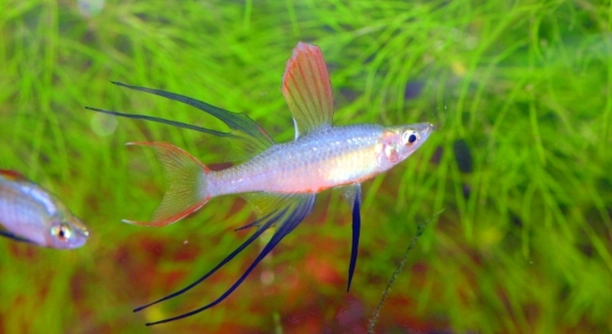
Are your threadfins showing signs of stress or unusual behavior in their tank? Observing these fish closely can reveal patterns that are often overlooked. Encouraging natural behavior is essential for their overall health and well-being.
The most effective ways to encourage natural behavior in threadfins involve providing appropriate tank size, maintaining optimal water quality, offering varied diets, creating hiding spaces, introducing environmental enrichment, ensuring compatible tank mates, and establishing a consistent light and feeding schedule.
Implementing these strategies will help your threadfins thrive, displaying behaviors closer to those seen in their natural environment and supporting their long-term health and activity levels.
Provide Appropriate Tank Size
Threadfins need ample space to swim and explore. A tank that is too small can lead to stress, aggressive behavior, and stunted growth. Ideally, a minimum of 55 gallons is recommended for a small group. Large tanks allow them to establish territories and reduce conflicts. Consider their active swimming habits when designing the layout. Open areas combined with hiding spots give them options to move freely while feeling secure. Consistent water movement simulates their natural environment, encouraging natural swimming patterns. Proper spacing also helps maintain water quality, as overcrowding increases waste levels and the risk of disease. Monitoring their activity levels and behavior will help you adjust tank size or decoration as needed. Over time, threadfins become more confident and display natural behaviors when they have enough room. Choosing a tank that fits their needs sets the foundation for their health and overall happiness.
Providing a spacious tank reduces stress and allows threadfins to swim naturally, establishing a healthier and more active environment for them.
Careful placement of hiding areas combined with open swimming zones ensures that threadfins feel safe while remaining active, mimicking their natural habits.
Maintain Optimal Water Quality
Consistent water quality is crucial for threadfins, as sudden changes can stress them and alter natural behaviors. Regular water testing for pH, ammonia, nitrite, and nitrate levels is necessary. Water temperature should be stable, typically between 75–82°F, to match their natural habitat. Frequent partial water changes help remove waste buildup and maintain clarity. Filtration systems should provide adequate circulation without creating overly strong currents that could tire the fish. Using dechlorinated water and avoiding sudden chemical additions prevents shock and illness. Monitoring water parameters allows early detection of issues that may disrupt behavior. Clean water encourages feeding, schooling, and other normal activities. Over time, threadfins become more active and display natural behaviors when the water environment is stable and free from pollutants. A consistent maintenance routine promotes long-term health and reduces the risk of behavioral or physiological problems.
Water quality directly impacts threadfins’ natural activity levels. Maintaining stability ensures their health and encourages normal swimming, feeding, and social interactions.
Regular testing and careful attention to temperature, chemical balance, and circulation help create an environment where threadfins feel secure, swim freely, and exhibit behaviors typical of their species. Proper filtration and gradual adjustments prevent stress and foster a lively, healthy tank.
Offer Varied Diets
Threadfins need a balanced diet to stay healthy and active. Feeding only one type of food can lead to deficiencies. Incorporating live, frozen, and high-quality pellet foods ensures they receive all necessary nutrients for growth and energy.
A varied diet encourages natural foraging behavior. Live foods like brine shrimp or daphnia stimulate hunting instincts, while frozen foods provide essential vitamins. High-quality pellets supply consistent nutrition, supporting overall health. Rotating food types also prevents boredom and encourages more active swimming and exploration, which are important indicators of natural behavior. Observing how they respond to different foods helps adjust portions and frequency for optimal results. Feeding small amounts multiple times a day mimics natural feeding patterns and reduces the risk of overfeeding.
Supplying a mix of protein-rich live foods, nutrient-dense frozen options, and quality pellets creates a dynamic feeding environment. This approach ensures threadfins remain engaged, maintain energy, and develop healthier natural habits. Regular monitoring and adjusting portions based on activity and appetite will keep them thriving.
Create Hiding Spaces
Hiding spots reduce stress and promote natural behaviors like resting and exploring cautiously. Threadfins feel more secure when they have access to shelters within the tank.
Adding plants, rocks, or driftwood creates multiple hiding areas. This allows fish to retreat when they feel threatened and reduces aggression among tank mates. Natural-looking structures encourage exploration and play, supporting mental stimulation and activity. Varied textures and levels within the tank provide choices for both solitary and social behavior, giving fish control over their environment. Threadfins use these spaces to rest during daylight or hide when water parameters fluctuate, mimicking natural protective strategies. Well-placed hiding areas enhance confidence and promote overall well-being, allowing fish to display behaviors closer to those seen in the wild.
Properly arranged shelters and open areas help threadfins balance activity and rest. Incorporating plants and driftwood encourages exploration while giving them safe zones, leading to healthier and more natural behavior patterns within the tank.
Introduce Environmental Enrichment
Adding elements like floating plants, tunnels, and gentle currents stimulates natural curiosity. Threadfins become more active when they have options to explore and interact with their environment.
Changing decorations occasionally prevents monotony. Rotating objects or introducing new textures encourages investigative behavior and keeps their tank lively.
Ensure Compatible Tank Mates
Choosing peaceful species that share similar water requirements prevents stress and competition. Aggressive or overly dominant fish can inhibit threadfins from displaying natural behaviors. Maintaining small, compatible groups allows for healthy social interactions, schooling, and activity, which are vital for their well-being.
Establish Consistent Light and Feeding Schedule
Threadfins respond well to routine. Regular feeding times and stable light cycles help regulate their activity patterns and mimic natural day-night rhythms, encouraging normal behavior.
Monitor Behavior Regularly
Observing daily activity helps detect changes in health or stress early. Adjustments to diet, environment, or tank conditions can be made to support optimal behavior and well-being.
FAQ
How often should I feed my threadfins?
Threadfins do best with small, frequent meals. Feeding two to three times a day ensures they receive enough nutrition without overloading the tank with waste. Offering a mix of live, frozen, and pellet foods keeps them active and encourages natural foraging behavior. Adjust portions based on their appetite and activity levels. Overfeeding can cause obesity and water quality issues, while underfeeding may result in lethargy and stunted growth. Observing how quickly they consume each feeding helps determine the right amount.
What water parameters are ideal for threadfins?
Stable water conditions are essential. Threadfins thrive in temperatures between 75–82°F with a pH of 7.0–8.0. Ammonia and nitrite levels should be zero, while nitrate should remain below 20 ppm. Regular testing and partial water changes maintain these parameters. Filtration should provide gentle circulation without causing fatigue. Avoid sudden changes in temperature, pH, or chemical additives, as these can stress the fish and reduce natural activity. A stable environment encourages normal swimming, schooling, and feeding patterns.
How can I reduce stress in my threadfins?
Stress is minimized by providing hiding spaces, compatible tank mates, and stable water quality. Open swimming areas combined with shelters allow fish to feel secure while remaining active. Avoid overcrowding, sudden lighting changes, or aggressive companions. Consistent feeding and environmental enrichment also help maintain calm behavior. Observing daily habits can alert you to stress, allowing timely adjustments.
What types of foods are best for threadfins?
A varied diet is crucial. Live foods like brine shrimp and daphnia stimulate hunting instincts. Frozen options supply essential vitamins and minerals. High-quality pellets offer balanced nutrition consistently. Rotating these food types prevents boredom and encourages activity. Feeding small portions multiple times a day mimics natural feeding patterns, reduces waste, and supports growth.
How do I introduce new tank mates to threadfins?
Introduce new fish slowly and in small numbers. Quarantine new arrivals for at least two weeks to prevent disease. Place them in a separate container within the tank initially, allowing threadfins to observe and adapt. Gradual integration reduces stress and aggression. Choose species with similar water requirements and temperaments to ensure a harmonious environment. Monitoring interactions during the first few days helps identify potential conflicts.
How often should I clean the tank?
Partial water changes of 20–30% every week help maintain water quality. Remove uneaten food, waste, and debris regularly. Clean filters according to manufacturer instructions to prevent buildup and maintain circulation. Avoid complete tank cleaning too frequently, as it can disrupt beneficial bacteria. Keeping the tank clean supports healthy behavior, feeding, and swimming patterns.
What signs indicate my threadfins are unhealthy?
Look for reduced activity, loss of appetite, erratic swimming, faded colors, or visible injuries. These can indicate stress, illness, or poor water conditions. Regular observation and prompt response to any abnormalities, such as adjusting water parameters, diet, or tank setup, help maintain their health and encourage natural behaviors.
Can threadfins be kept in a community tank?
Yes, if tank mates are peaceful, similarly sized, and share water requirements. Avoid aggressive or territorial species that could inhibit normal behaviors. Maintaining a proper ratio of fish prevents overcrowding and competition, allowing threadfins to swim freely and exhibit natural activity. Adequate hiding spaces further reduce stress in a community setting.
How do I encourage natural schooling behavior?
Keeping threadfins in small groups of three to five encourages social interactions and schooling. Open swimming spaces and minimal disturbances allow them to coordinate movements naturally. Introducing gentle currents and enrichment items can further stimulate schooling and exploration, mimicking natural behaviors observed in the wild.
What role does lighting play in threadfin behavior?
Consistent light cycles help regulate activity patterns. Threadfins are more active during daylight and rest at night. Using timers ensures stable day-night rhythms, reducing stress and promoting normal swimming, feeding, and social interactions. Sudden or inconsistent lighting can cause anxiety and disrupt natural behaviors.
This FAQ covers the most common questions, providing guidance to maintain healthy, active, and naturally behaving threadfins in a home aquarium. By following these principles, their well-being and activity levels are supported consistently.
Final Thoughts
Encouraging natural behavior in threadfins requires careful attention to their environment, diet, and social interactions. Providing a spacious tank with well-placed hiding spots allows them to swim freely while feeling secure. Open areas combined with shelters reduce stress and enable fish to display resting, exploring, and schooling behaviors naturally. Maintaining stable water conditions, including temperature, pH, and low levels of ammonia and nitrite, is crucial. Threadfins are sensitive to sudden changes, and consistent water quality encourages activity, feeding, and social interaction. Observing their daily habits can help identify any disruptions early, allowing timely adjustments to tank setup, water parameters, or tank mates.
Diet also plays a significant role in promoting natural behavior. A varied feeding plan that includes live foods, frozen options, and high-quality pellets ensures they receive necessary nutrients while stimulating foraging instincts. Rotating food types prevents boredom and encourages active exploration in the tank. Feeding small portions multiple times a day mimics natural patterns and prevents overfeeding, which can compromise water quality. By paying attention to their response to different foods, you can fine-tune portions and feeding schedules to match their activity levels and appetite. This approach supports both physical health and natural behavioral patterns, keeping threadfins energetic and engaged in their environment.
Finally, social structure and environmental enrichment are key factors. Choosing compatible tank mates reduces aggression and competition, allowing threadfins to interact naturally within a small group. Introducing gentle currents, plants, and other enrichment items encourages curiosity and exploration. Consistent light cycles and feeding routines further support their natural rhythms. By combining these elements—adequate space, clean water, balanced diet, compatible companions, and enrichment—you create an environment where threadfins can thrive. Attention to these details ensures that they remain healthy, active, and capable of displaying behaviors that closely resemble those seen in the wild, ultimately enhancing both their well-being and the overall enjoyment of maintaining the tank.

Hello,
If you enjoy the content that we create, please consider saying a "Thank You!" by leaving a tip.
Every little bit helps us continue crafting quality advice that supports the health, happiness, and well-being of pets around the world, for pets of all shapes, sizes, and species.
We really appreciate the kindness and support that you show us!