
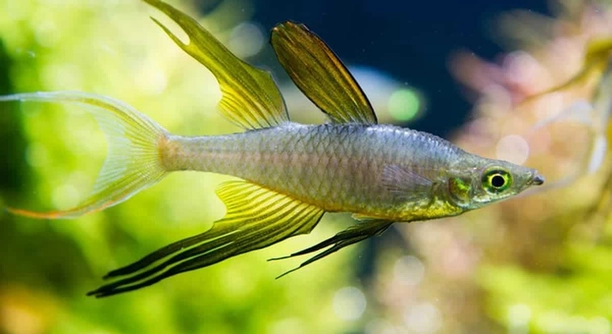
Threadfin are delicate fish that thrive under careful care and attention. Their health is closely linked to the type and frequency of food they receive. Feeding habits play a major role in ensuring their long lifespan.
Optimal feeding habits for threadfin involve providing a balanced diet rich in nutrients, maintaining consistent feeding schedules, and avoiding overfeeding. These practices reduce stress, support growth, strengthen immunity, and contribute to overall longevity in controlled environments.
Proper nutrition and consistent care are just the beginning. Learning which habits make the most difference will help threadfin live healthier, longer lives in both home and commercial settings.
Understanding Threadfin Nutritional Needs
Threadfin require a carefully balanced diet to maintain health and vitality. They thrive on foods that provide essential proteins, vitamins, and minerals. A diet rich in live or frozen small fish, crustaceans, and insect larvae mimics their natural feeding habits. Including plant-based supplements can support digestion and overall wellness. Regularly monitoring the quality of feed ensures that fish are not exposed to spoiled or nutrient-deficient food, which can compromise their immune system. Different life stages demand adjustments in diet. Juvenile threadfin need more protein to support rapid growth, while adults benefit from a slightly reduced protein content and more fiber. Avoiding sudden changes in feed types or schedules is crucial, as threadfin are sensitive to stress, which can affect their feeding response and overall health. Observing their feeding behavior helps identify early signs of illness or nutritional deficiencies, allowing timely interventions that promote longevity and resilience.
Maintaining proper nutrition significantly reduces disease risk, supporting a longer, healthier life.
Careful attention to feeding routines, including quantity and frequency, ensures that threadfin grow steadily, remain active, and display natural behaviors. Providing variety within their diet prevents boredom and supports mental stimulation. Monitoring their response to different foods allows adjustments for optimal health. Combining protein-rich foods with fiber and vitamins helps maintain strong immune systems and improves survival rates. Water quality and temperature also affect digestion, so consistent environmental conditions complement good nutrition. Regularly separating leftover food prevents contamination, ensuring the tank remains clean. Integrating these practices establishes a balanced ecosystem where threadfin can thrive, showing improved growth rates and resilience to stress. Over time, proper feeding habits develop predictable patterns, making care routines easier to manage. By observing both quantity consumed and behavioral cues, caretakers can fine-tune diets for individual fish. This approach not only extends lifespan but enhances the quality of life, ensuring threadfin remain active and healthy for many years.
Establishing a Consistent Feeding Schedule
Threadfin respond well to a predictable feeding routine. Feeding at the same times each day reduces stress and promotes healthy digestion.
A consistent schedule prevents overfeeding and helps maintain water quality. Spacing meals evenly ensures that fish absorb nutrients efficiently.
Consistency in feeding allows threadfin to develop a natural rhythm, which supports digestion and reduces aggressive competition for food. Regular schedules also make it easier to track appetite changes, indicating early health issues. Adjusting portions according to age and activity level ensures all fish receive adequate nutrition. Combining morning and evening feedings with careful observation prevents underfeeding while avoiding excessive waste. Structured routines also aid in tank maintenance, as caretakers can anticipate cleaning needs and monitor leftovers. Over time, threadfin become more confident and comfortable in their environment, feeding actively and efficiently. These practices enhance immune function, minimize stress-related diseases, and support steady growth. A consistent schedule also allows for better integration of supplements or specialized diets when necessary, ensuring long-term health and improved survival rates. Observing their response to routine changes helps refine feeding plans, promoting optimal energy levels and overall well-being.
Avoiding Overfeeding
Overfeeding threadfin can lead to poor water quality, obesity, and weakened immunity. Keeping portions moderate prevents these issues and promotes steady growth.
Monitoring how much your threadfin consume is key. Offer only the amount they can eat within a few minutes and remove any leftover food immediately. Overfeeding not only stresses the fish but also increases waste accumulation, which can harm water conditions and trigger disease. Using smaller, more frequent feedings rather than one large meal helps maintain digestive health. Observing individual fish ensures that all receive proper nutrition without excess. Adjusting portions based on appetite and activity levels prevents both underfeeding and overfeeding. Careful control of food amounts reduces the risk of nutrient imbalance, supporting optimal development and lifespan. Maintaining this balance requires consistency and attention, but the benefits to health and longevity are significant.
Limiting feed quantity and maintaining a clean environment work together to keep threadfin active, healthy, and growing steadily over time.
Overfeeding can cause long-term health problems such as fatty liver, slower growth, and increased susceptibility to infections. The excess nutrients from uneaten food also promote harmful bacteria and algae growth, which can destabilize water chemistry. By offering controlled portions and monitoring intake, you support a more stable tank environment and reduce the effort required for frequent water changes. This approach ensures that nutrients are efficiently used, energy levels remain high, and fish maintain ideal body condition. Developing a habit of regular portion checks improves overall management and promotes healthier, more resilient threadfin.
Providing a Variety of Foods
Threadfin thrive when fed a mix of protein sources, vegetables, and supplements. A diverse diet strengthens their health and keeps them active.
Relying on only one type of feed can lead to nutrient deficiencies. Offering live, frozen, or processed foods along with occasional plant matter ensures balanced nutrition. Rotation of protein sources, like small crustaceans, insect larvae, and fish, promotes growth and supports immunity. Introducing different textures and types of feed encourages natural hunting behaviors, which help maintain activity and mental stimulation. Variety also reduces feeding stress, as fish are less likely to compete aggressively for a single food source. Supplements like vitamins or mineral-enriched pellets fill dietary gaps and improve resilience. Consistently providing this range of options ensures all threadfin receive essential nutrients while preventing monotony. By paying attention to preferences and adjusting portions accordingly, caretakers can maximize the benefits of a varied diet, ultimately supporting longevity and overall well-being.
A diet rich in different foods improves digestion, enhances color, and reduces disease risk, making threadfin healthier and more resilient to stress.
Feeding During Active Hours
Threadfin feed most efficiently during daylight hours when they are naturally active. Aligning feeding times with their activity levels ensures better digestion and nutrient absorption.
Providing food when fish are alert prevents waste and reduces stress. Observing their behavior helps determine the best timing for meals.
Incorporating Live Food
Live food stimulates natural hunting instincts and provides high-quality nutrition. Small crustaceans, insect larvae, and tiny fish serve as ideal live feed for threadfin. Regular inclusion enhances growth, immunity, and overall vitality.
Offering live food encourages activity and engages natural behaviors. It also supplies essential proteins and fats often missing in processed feeds. Careful sourcing and proper handling are important to prevent disease transmission. Rotating live feed with frozen or prepared options balances nutrients and ensures consistent dietary quality. By observing how threadfin respond, portions can be adjusted to meet appetite and prevent leftovers. Combining live and supplementary foods supports strong immune systems and promotes steady growth, contributing to longer lifespan and improved resilience against stressors in their environment. Consistent use of live feed as part of a varied diet ensures fish remain energetic and healthy over time.
Monitoring Feeding Response
Watching how threadfin respond to each meal helps identify health or dietary issues early, allowing timely adjustments.
FAQ
How often should I feed threadfin?
Threadfin should be fed multiple times per day in small portions rather than a single large meal. Juveniles benefit from three to four feedings daily, while adults do well with two or three. Frequent small meals improve digestion, reduce waste, and prevent overfeeding, which can harm water quality and fish health. Observing the fish’s appetite helps adjust feeding frequency if necessary.
What types of food are best for threadfin?
A mix of live, frozen, and processed foods works best. Small crustaceans, insect larvae, and tiny fish provide essential proteins and fats. Plant-based supplements or finely chopped vegetables support digestion and supply vitamins. Using a variety of foods ensures a balanced diet and helps prevent deficiencies or boredom in feeding behavior.
Can I overfeed my threadfin?
Yes, overfeeding is a common issue. Excess food can pollute water, weaken immunity, and cause obesity. Only offer the amount that can be consumed within a few minutes and remove leftovers promptly. Using measured portions and monitoring appetite prevents both underfeeding and overfeeding.
Is it necessary to provide live food?
Live food is highly beneficial. It stimulates natural hunting instincts, improves activity levels, and provides high-quality nutrients often absent in processed feeds. Incorporating live food a few times a week ensures protein variety, supports immune function, and encourages natural behavior, which contributes to overall health.
How can I tell if my threadfin is eating properly?
Healthy fish actively seek food and consume it quickly. Uneaten food, lethargy, or sudden changes in appetite may indicate health issues or improper diet. Observing feeding behavior daily helps identify problems early and allows adjustments to diet, portions, or feeding schedule.
Should feeding schedules vary with water temperature?
Yes, water temperature affects metabolism. In cooler water, fish may need less frequent feedings since digestion slows down. In warmer water, metabolism increases, requiring more frequent, smaller meals. Adjusting feeding based on activity levels ensures proper nutrition without overloading the system.
Can processed foods replace live or frozen feed?
Processed foods can be part of a balanced diet but shouldn’t entirely replace live or frozen feed. High-quality pellets or flakes provide essential nutrients, but live and frozen options offer protein variety and stimulate natural behavior. Combining both types ensures long-term health and growth.
What role does portion size play in threadfin health?
Portion size is critical. Small, controlled amounts prevent overfeeding and maintain water quality. Offering food gradually over multiple sessions ensures even consumption and reduces competition among fish. Proper portions support growth, prevent digestive issues, and improve overall lifespan.
How do I prevent nutrient deficiencies in threadfin?
Providing a varied diet with proteins, fats, vitamins, and minerals is key. Rotating live, frozen, and supplemented feeds ensures balanced nutrition. Observing fish for signs of poor growth, faded coloration, or low activity can help identify deficiencies early, allowing adjustments to prevent long-term health problems.
Is it important to monitor leftover food?
Yes, leftover food can decay and pollute the water. Removing uneaten portions prevents bacterial growth, reduces ammonia buildup, and keeps the tank environment stable. Regular cleaning, combined with controlled portions, helps maintain water quality and promotes healthier, longer-living threadfin.
Can feeding habits influence lifespan?
Absolutely. Proper feeding practices, including frequency, portion control, variety, and alignment with natural activity, directly impact growth, immune function, and stress levels. Consistent, balanced feeding habits are among the most effective ways to extend the lifespan of threadfin in captivity.
How do I balance feeding for multiple fish?
Feed small portions in several spots to ensure all fish receive food without aggressive competition. Observing individual responses helps adjust amounts. Mixing food types and monitoring consumption prevents dominance by more aggressive fish and ensures weaker individuals get adequate nutrition.
What is the best way to introduce new feed?
Introduce new foods gradually, mixing small amounts with familiar feed. Sudden changes can stress threadfin or cause refusal. Gradual integration allows fish to adapt, maintaining appetite and ensuring they benefit from nutritional variety without disrupting established feeding patterns.
How can I tell if threadfin are getting enough vitamins?
Signs of adequate vitamin intake include vibrant coloration, strong growth, and active behavior. Deficiencies may appear as pale colors, stunted growth, or lethargy. Supplementing pellets or occasional vegetable matter can fill nutritional gaps, supporting long-term health and resilience.
How does feeding frequency affect water quality?
Feeding too often or in excessive amounts increases uneaten food, producing waste that raises ammonia and nitrate levels. Controlled frequency and portions reduce organic waste, supporting cleaner water, healthier fish, and a more stable aquatic environment conducive to longer lifespan.
Can stress affect feeding habits?
Yes, stressed threadfin may eat less or show erratic behavior. Stress can result from overcrowding, sudden environmental changes, or poor water quality. Maintaining consistent feeding routines and stable tank conditions reduces stress, encouraging regular eating patterns and promoting better overall health.
Are there signs of overfeeding in threadfin?
Overfed fish may appear bloated, sluggish, or display abnormal swimming. Uneaten food accumulating in the tank is also a clear indicator. Adjusting portion sizes and feeding frequency promptly corrects these issues and supports better growth and longevity.
What precautions should I take when feeding live food?
Ensure live food is disease-free and sourced from reputable suppliers. Rinse or quarantine live feed if necessary. Introduce gradually to prevent digestive upset. Mixing live feed with prepared or frozen options balances nutrition and reduces the risk of contamination while providing variety and enrichment.
How can I encourage picky eaters?
Rotate food types and gradually introduce preferred options alongside familiar feeds. Observing individual preferences and adjusting portions helps ensure all fish receive adequate nutrition. Combining textures and flavors often increases acceptance and promotes consistent feeding habits.
Does water quality influence how threadfin eat?
Yes, poor water quality can reduce appetite and affect digestion. Maintaining stable temperature, pH, and cleanliness encourages regular feeding and nutrient absorption. Clean, well-oxygenated water supports healthy metabolism and maximizes the benefits of a balanced diet.
What is the best strategy for feeding a large group of threadfin?
Feed smaller portions multiple times a day in different areas of the tank. Rotate food types to provide balanced nutrients. Observing consumption and behavior ensures all fish eat adequately, prevents overfeeding, and supports overall growth, health, and longevity.
How do feeding habits interact with growth rates?
Consistent, balanced feeding promotes steady growth without causing stress or digestive issues. Overfeeding may lead to fat accumulation, while underfeeding slows development. Proper timing, variety, and portion control ensure optimal growth, healthier immune function, and improved lifespan.
How important is meal timing?
Meal timing matters. Feeding during active periods enhances digestion, nutrient absorption, and natural behavior. Aligning feeding with natural rhythms minimizes stress, ensures energy use efficiency, and supports overall vitality and longevity.
What should I do if a fish refuses to eat?
Monitor the fish closely for illness, stress, or water quality issues. Offer alternative foods, adjust feeding times, or separate the fish temporarily. Consistent observation and gradual reintroduction of food encourage normal eating behavior and prevent nutritional deficits.
How can I track effective feeding habits?
Keep a feeding log noting time, type, and amount of food, as well as fish response. Recording observations helps identify patterns, optimize routines, and prevent problems like overfeeding, deficiencies, or behavioral stress, ensuring threadfin remain healthy and active.
How do I balance protein and other nutrients?
Include a mix of protein-rich foods and supplements for vitamins and minerals. Rotating live, frozen, and plant-based feeds ensures balance. Monitoring growth, activity, and health allows adjustments, supporting longevity and maintaining optimal condition.
How often should I adjust feeding routines?
Adjust routines based on growth stages, activity levels, water temperature, and health status. Regular observation helps tailor schedules and portions to meet nutritional needs without overfeeding, preventing stress, and supporting long-term well-being.
Can feeding influence coloration in threadfin?
Yes, nutrient-rich diets with varied foods and vitamins enhance natural coloration. Protein, carotenoids, and other micronutrients support pigmentation, making fish appear vibrant while maintaining overall health and resilience.
How can I prevent competition during feeding?
Spread food across multiple areas and monitor distribution. Providing varied textures and types reduces aggressive behavior and ensures weaker fish receive adequate nutrition. Controlled portions and strategic placement promote peaceful feeding and uniform growth.
Is it okay to skip a feeding occasionally?
Skipping a feeding rarely causes harm if fish are otherwise healthy. Overfeeding is more damaging than occasional missed meals. Maintaining overall consistency is more important than strict adherence to every scheduled feed.
What are common mistakes in feeding threadfin?
Common mistakes include overfeeding, using only one food type, inconsistent schedules, and ignoring water quality. Each can negatively affect growth, immunity, and lifespan. Correcting these ensures healthier, longer-living fish with better overall vitality.
How does feeding interact with stress management?
Consistent, balanced meals reduce stress by providing predictability and adequate nutrition. Stress lowers appetite and weakens immunity. Well-planned feeding routines help maintain calm, active, and healthy fish.
Can I mix live and processed foods in a single meal?
Yes, combining live and processed foods provides both natural stimulation and balanced nutrition. It ensures adequate protein, vitamins, and minerals while keeping feeding interesting and encouraging natural behaviors.
What is the safest way to introduce new food types?
Introduce gradually by mixing small amounts with familiar feed. Observe acceptance and digestion before increasing quantity. Gradual introduction prevents stress, supports proper nutrition, and encourages healthy feeding patterns.
How important is portion consistency?
Consistent portions prevent overfeeding, reduce waste, and maintain steady growth. Observing fish response and adjusting gradually ensures each individual receives proper nutrition without compromising water quality or tank health.
Do threadfin benefit from supplemental vitamins?
Yes, occasional vitamin supplements fill gaps in diet and support immune function, growth, and coloration. They are especially useful when relying heavily on processed or single-source feeds.
How do I handle picky eaters in a group tank?
Offer variety, spread food across the tank, and observe individual consumption. Gradually introduce preferred foods alongside regular feed to ensure every fish receives adequate nutrition. Consistent monitoring prevents malnutrition and promotes balanced growth.
Can feeding habits affect disease resistance?
Proper feeding improves immune function. Balanced, varied diets strengthen the fish’s ability to resist infections. Overfeeding or nutrient deficiencies reduce resilience, increasing susceptibility to stress-related illnesses.
Is there a recommended sequence for introducing new feeds?
Start with small amounts mixed into familiar feed, monitor acceptance, and gradually increase proportion. Sequence should maintain nutrition while minimizing stress and encouraging natural feeding behavior.
How do I know if feeding routines are effective?
Healthy growth, active behavior, vibrant coloration, and minimal leftover food indicate effective routines. Regular observation allows timely adjustments to maintain optimal nutrition and overall well-being.
What impact does tank size have on feeding?
Larger tanks require more careful food distribution to prevent competition and ensure all fish consume adequate portions. Overcrowding or uneven feeding can lead to malnutrition and stress, so spacing and observation are key.
Can improper feeding shorten threadfin lifespan?
Yes, inadequate, excessive, or unbalanced feeding directly affects growth, immunity, and stress levels. Proper, consistent nutrition is essential for longevity, healthy development, and disease prevention.
How do I balance feeding for fish at different life stages?
Adjust portion sizes, frequency, and protein content according to age. Juveniles need higher protein for growth; adults need slightly lower protein but consistent nutrient variety. Observing individual consumption ensures balanced nutrition for all life stages.
What role does feeding play in breeding threadfin?
Proper nutrition supports reproductive health. Protein-rich diets with vitamins and minerals improve egg quality, sperm production, and spawning success. Consistent feeding routines reduce stress, supporting healthy reproduction.
How do environmental changes affect feeding behavior?
Sudden temperature shifts, poor water quality, or overcrowding can reduce appetite. Maintaining stable conditions ensures regular feeding and nutrient absorption, supporting growth, immunity, and lifespan.
Are there signs of malnutrition in threadfin?
Signs include stunted growth, pale coloration, low activity, and irregular feeding patterns. Adjusting diet variety, portions, and feeding frequency can correct deficiencies and restore health.
How do I prevent overfeeding in a group tank?
Feed small amounts in multiple locations, observe individual consumption, and remove leftovers. Gradually adjust portions based on appetite and behavior to ensure all fish receive proper nutrition.
What is the impact of feeding frequency on metabolism?
Frequent, smaller meals improve metabolism, digestion, and nutrient absorption. Infrequent, large meals can stress the digestive system and affect growth. Tailoring frequency to activity levels optimizes health and longevity.
Can feeding habits influence behavior?
Yes, structured, balanced feeding promotes natural hunting, reduces aggression, and encourages activity. Overfeeding or monotony can cause lethargy, stress, and unhealthy behaviors.
Should I use a timer for feeding?
Timers help maintain consistency but should be paired with observation. Adjustments may be needed based on appetite, water quality, and fish behavior to ensure optimal nutrition and prevent overfeeding.
How do I rotate food types effectively?
Alternate between live, frozen, and prepared feeds on a set schedule. Rotation ensures balanced nutrients, encourages natural feeding behaviors, and prevents monotony, supporting growth and immune function.
Is it necessary to remove all uneaten food?
Yes, leftover food can decay and affect water quality, increasing stress and disease risk. Prompt removal maintains a clean environment and supports healthy, active fish.
How can I encourage feeding during low appetite periods?
Offer more appealing feed types, slightly adjust water conditions, or reduce portion size temporarily. Gradual reintroduction and observation help restore normal eating habits without overfeeding.
Does feeding affect stress recovery?
Proper feeding aids stress recovery by providing energy, nutrients, and stability. Balanced meals and predictable routines help fish regain normal behavior and immune function after stressful events.
What is the impact of feeding on growth uniformity?
Controlled, evenly distributed feed ensures all fish grow at similar rates. Unequal feeding leads to competition, uneven growth, and weaker individuals, reducing overall health and lifespan.
How do I optimize feeding in a mixed-species tank?
Distribute food across different areas and adjust types to suit species-specific needs. Monitor consumption to prevent dominance and ensure all fish receive proper nutrition, maintaining health and harmony.
Can improper feeding cause disease outbreaks?
Yes, poor nutrition weakens immunity and promotes pathogen growth in water. Balanced diets, controlled portions, and proper sanitation reduce the likelihood of disease spreading within the tank.
What are key signs of effective feeding routines?
Fish display active swimming, vibrant colors, consistent growth, and minimal leftover food. Regular observation and adjustments ensure continued health, proper nutrition, and improved lifespan.
How does feeding support long-term health?
Balanced, varied, and properly timed feeding strengthens immunity, supports growth, reduces stress, and enhances natural behaviors, contributing to longevity and overall vitality in threadfin.
How do I handle feeding during illness?
Offer easily digestible, high-quality foods in small portions. Monitor appetite and adjust feeding frequency based on recovery progress. Nutrient-rich meals aid healing and maintain strength.
Can feeding habits influence tank cleanliness?
Yes, overfeeding or uneven feeding increases waste accumulation, promoting algae and bacterial growth. Controlled portions and consistent removal of leftovers support cleaner water and healthier fish.
What adjustments are needed for seasonal changes?
Adjust feeding frequency and portion size to match metabolic changes from temperature fluctuations. Warmer seasons may require more frequent meals, cooler periods slightly less, maintaining nutrition without overfeeding.
How do I ensure balanced nutrition for all fish?
Rotate feed types, monitor consumption, and distribute food evenly. Adjust portions based on appetite, life stage, and health to maintain growth, immunity, and vitality for every individual.
What is the most common feeding mistake?
Overfeeding or relying on a single food type. Both can reduce water quality, cause nutrient imbalances, and negatively affect growth and lifespan. Balanced portions and dietary variety prevent these issues.
How does feeding frequency impact energy levels?
Regular, moderate meals sustain activity, metabolism, and alertness. Irregular feeding or excessive portions can cause lethargy, digestive issues, and uneven growth, affecting overall health.
Can feeding habits prevent behavioral issues?
Yes, consistent schedules and variety reduce competition, aggression, and stress-related behaviors. Proper nutrition supports natural activity and promotes a calmer, healthier tank environment.
How do I introduce supplements safely?
Add small amounts to regular feed gradually. Observe acceptance and adjust accordingly. Supplements should complement the diet without replacing essential natural protein sources.
What is the relationship between feeding and water filtration needs?
More food means higher waste production, requiring stronger filtration. Controlled portions and frequent removal of leftovers reduce filtration load, maintain water quality, and support healthier fish.
How do I manage feeding in a high-density tank?
Provide multiple feeding points, distribute food evenly, and monitor consumption. Adjust portions carefully to prevent dominance, overfeeding, and nutrient deficiencies in weaker fish.
Can feeding habits reduce mortality rates?
Yes, balanced, consistent, and properly timed feeding enhances immunity, growth, and stress tolerance, lowering mortality and supporting longer lifespans.
How do I maintain interest in feed for long-term health?
Rotate food types, include live options, and vary textures. Stimulating natural behaviors keeps fish active, ensures consistent intake, and prevents nutritional deficiencies over time.
Is fasting ever beneficial?
Occasional short fasts may help regulate metabolism and prevent overfeeding. Ensure fish are otherwise healthy and maintain water quality to avoid stress during fasting periods.
How do I adjust feeding for active vs. less active fish?
More active fish require slightly larger portions or more frequent feedings, while less active fish need smaller, controlled amounts. Observing individual behavior ensures proper nutrition without overfeeding.
How important is feeding observation?
Daily observation identifies appetite changes, health issues, and feeding efficiency. This allows prompt adjustments, maintaining optimal nutrition, water quality, and overall fish well-being.
How can I optimize growth through feeding?
Provide high-quality protein sources, varied diet, controlled portions, and consistent schedules. Monitoring consumption and behavior ensures balanced nutrition, promoting steady growth and reducing stress.
Does feeding affect immune system strength?
Yes, balanced nutrition strengthens immunity. Proper protein, vitamins, and minerals support disease resistance, recovery, and overall vitality. Inadequate feeding weakens defenses, making fish more susceptible to illness.
Can feeding influence reproductive success?
Adequate nutrition and consistent routines support reproductive health, egg quality, and successful spawning. Protein-rich diets with essential vitamins and minerals improve fertility and offspring survival.
How do I handle feeding in mixed-size groups?
Feed smaller portions in multiple spots, observe consumption, and adjust for size differences. Ensure all fish, regardless of size, get
Final Thoughts
Proper feeding habits are the foundation of long, healthy lives for threadfin. Consistently providing a balanced diet that includes protein-rich foods, plant supplements, and occasional live feed ensures that these fish receive the nutrients they need to grow, maintain immunity, and remain active. Overfeeding or offering only one type of food can cause health problems, including poor water quality, slower growth, and weakened immune systems. Monitoring how much food is eaten, removing leftovers promptly, and adjusting portions according to age and activity levels helps maintain a stable environment. Careful attention to diet not only improves the lifespan of threadfin but also supports their overall well-being, making them more resilient to stress and disease. By observing their behavior during feeding, caretakers can identify potential health issues early, allowing for timely interventions that maintain fish health over the long term.
Establishing a consistent feeding schedule is just as important as the type of food provided. Threadfin respond well to regular meal times, which support digestion, reduce stress, and encourage natural activity patterns. Aligning feedings with periods of high activity ensures that the fish are alert and able to consume food efficiently. In addition to timing, variety plays a significant role in maintaining health. Rotating live, frozen, and processed foods provides balanced nutrition while keeping feeding engaging and encouraging natural hunting behaviors. A varied diet prevents deficiencies and keeps the fish mentally stimulated. Supplements can also help fill nutritional gaps, particularly in diets that rely heavily on processed foods. Overall, careful planning and attention to both schedule and content of meals establish routines that maximize longevity and support the development of strong, healthy fish.
Water quality, environmental stability, and proper portioning are equally important in reinforcing feeding practices. Overfeeding can lead to waste accumulation, which increases ammonia and nitrate levels, negatively affecting health and behavior. Maintaining clean water and distributing food evenly reduces competition and ensures that all fish receive adequate nutrition. Environmental factors, such as temperature and tank density, also influence appetite and digestion, so caretakers must adjust feeding routines accordingly. Observing individual fish helps identify any struggling or picky eaters, allowing for tailored feeding strategies that ensure no fish is left undernourished. When combined, these practices create a balanced system that promotes steady growth, prevents disease, and supports long-term health. By focusing on proper feeding habits, consistent schedules, food variety, and a stable environment, caretakers can help threadfin thrive and enjoy a longer, healthier life.

Hello,
If you enjoy the content that we create, please consider saying a "Thank You!" by leaving a tip.
Every little bit helps us continue crafting quality advice that supports the health, happiness, and well-being of pets around the world, for pets of all shapes, sizes, and species.
We really appreciate the kindness and support that you show us!