
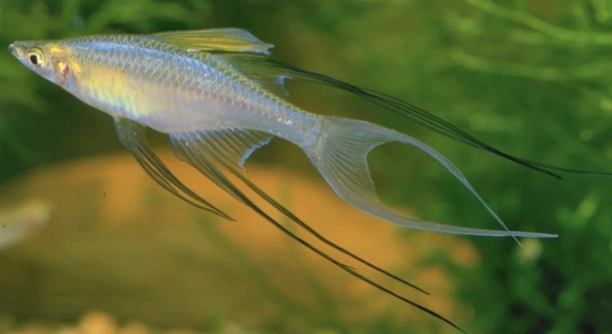
Have you ever spent time watching your Threadfin Rainbowfish glide through the water and wondered if they ever take short naps during the day?
Threadfin Rainbowfish do not nap in the same way mammals do, but they do rest during the day by slowing their movement and reducing activity. This resting behavior helps them conserve energy while remaining alert to their surroundings.
Their quiet resting moments may seem like sleep, but there is more to learn about how these graceful fish manage rest and energy in their daily lives.
Understanding Their Resting Behavior
Threadfin Rainbowfish are active swimmers, often seen darting gracefully across their tanks or natural habitats. However, when they need to rest, their behavior becomes noticeably different. Instead of fully sleeping, they hover quietly near plants or the bottom of the tank. Their fins move slowly, and their colors may slightly dull during this period. This form of rest allows them to conserve energy while staying aware of any changes around them. Since they are prey fish in the wild, maintaining awareness even while resting helps them stay safe. Their short, frequent resting phases are spread throughout the day and night, instead of being concentrated into a single long period.
This light resting habit is similar to a power nap, giving them small bursts of recovery without losing alertness. It’s their natural way of balancing activity and rest efficiently.
When observing these behaviors, it’s easy to mistake stillness for sleep, but Threadfin Rainbowfish remain partly aware. Their subtle eye movement and occasional fin flicks show that their senses stay active. They’re simply taking small breaks from swimming, allowing their bodies to recharge while still keeping an eye out for movement nearby. These moments of calm reflect their unique rhythm of rest.
How Environment Affects Their Rest
A peaceful and stable environment greatly influences how well Threadfin Rainbowfish can rest during the day.
Bright lighting, sudden tank vibrations, or frequent disturbances can make it hard for them to feel secure enough to pause activity. Soft lighting and the presence of plants or hiding spots help them relax and reduce unnecessary stress. When the tank is calm, they naturally engage in short rest periods more often. A well-maintained environment with steady water flow and balanced temperature also supports this behavior. Keeping the tank near a quiet area of your home, away from loud noises or constant movement, helps them feel safe. With consistent care and the right setup, their resting patterns will appear more regular, showing how much the environment influences their comfort and overall well-being.
Signs Your Threadfin Rainbowfish Is Resting
When Threadfin Rainbowfish rest, their movements slow down noticeably. They may hover in one spot or gently sway with the water current. Their colors can appear slightly faded, and their fins move less frequently, showing that they’re conserving energy without fully falling asleep.
During rest, they often choose spots near plants, rocks, or calm corners of the tank where they feel secure. You might notice their eyes staying open, as fish lack eyelids and cannot close them. Instead of drifting into deep sleep, they enter a light resting state, remaining aware of changes in light or water movement. This semi-alert rest is essential for maintaining energy levels and overall health. Understanding these subtle cues helps you recognize when your fish is taking a quiet moment rather than showing signs of illness or distress.
Observing their routine closely allows you to distinguish between normal rest and potential health issues. Healthy resting behavior appears calm and steady, with slow, rhythmic fin movements and stable breathing. If they lie flat at the bottom, gasp for air, or isolate themselves for long periods, that may signal stress or water quality problems. Paying attention to these differences ensures their resting time remains safe and natural.
Encouraging Healthy Resting Habits
Creating the right conditions helps your Threadfin Rainbowfish feel safe enough to rest during the day. Providing shaded areas, tall plants, and gentle water flow can make them feel more at ease. Avoiding sudden noise or movement near their tank is equally important.
Soft, indirect lighting mimics their natural environment and helps them settle comfortably. Maintaining a consistent feeding schedule also supports predictable rest times, preventing stress caused by irregular activity. Ensure water parameters stay within stable ranges, as even slight fluctuations can disrupt their comfort. Adding live plants like java fern or hornwort gives them peaceful spots to pause between active swimming. Observing and adjusting the setup based on their behavior creates a calm and balanced habitat. When your fish feel secure, their resting patterns become more natural, allowing them to display their graceful colors and active energy more vividly throughout the day.
Common Mistakes That Disturb Their Rest
Many fish owners unintentionally disrupt their Threadfin Rainbowfish’s rest by keeping tank lights on for too long. Constant brightness prevents them from experiencing calm periods. Overfeeding and sudden tank maintenance can also startle them, interrupting their natural rhythm and increasing unnecessary stress.
Frequent tapping on the glass or placing the tank in a noisy area can make them feel unsafe. Sudden movements nearby or loud vibrations from appliances also cause tension. These small disturbances add up, making it harder for them to settle into restful pauses throughout the day.
Why Proper Rest Matters
Rest plays an important role in maintaining the overall health of Threadfin Rainbowfish. Their short resting moments allow muscle recovery and energy balance, helping them stay active and vibrant. Without proper rest, they may become more anxious, display duller colors, or eat less than usual. Continuous activity without pauses can weaken their immune system, making them more prone to stress-related illnesses. Observing their rest and creating a calm environment ensures they maintain a steady routine. Balanced lighting, stable water conditions, and limited interruptions all work together to promote better health and a longer lifespan for these delicate fish.
Watching for Behavioral Changes
Changes in resting habits often reveal early signs of stress or illness. If your Threadfin Rainbowfish stops resting or hides excessively, it may need closer attention and quick adjustments to its environment.
FAQ
Do Threadfin Rainbowfish actually sleep?
Threadfin Rainbowfish don’t sleep like humans or mammals. Instead, they rest in a semi-alert state where their body slows down, but their senses remain active. This helps them conserve energy without completely shutting off awareness. You may see them hovering quietly or staying close to plants. Their eyes remain open since fish lack eyelids, but their movement and reaction to external changes become much slower. This light rest gives them recovery time while keeping them ready to respond if needed.
How often do Threadfin Rainbowfish rest during the day?
They rest multiple times throughout the day and night in short intervals rather than taking one long break. Their resting periods usually occur after feeding or when tank activity slows. You might notice them becoming less active in the afternoon or early evening. These short breaks are perfectly normal and part of their routine. Providing a calm environment helps them settle into this natural rhythm without feeling stressed or startled.
Where do Threadfin Rainbowfish prefer to rest?
They often choose calm spots with shelter, such as behind plants, under driftwood, or near the bottom where the water current is gentle. These areas give them a sense of safety and allow them to stay still without using much energy. In community tanks, they usually pick quiet spaces away from more active species. If your tank has enough plants or hiding areas, your fish will feel secure enough to rest more naturally throughout the day.
Can too much light stop them from resting?
Yes, excessive light can prevent Threadfin Rainbowfish from settling down. Bright lighting keeps them alert and active longer than needed, disrupting their natural rhythm. To support healthy rest, use a consistent light schedule of around 8 to 10 hours daily. Soft or dim lighting during the afternoon helps them calm down. Adding floating plants can also reduce light intensity, creating shaded areas for relaxation. A proper lighting routine plays an important role in maintaining their comfort and daily balance.
Why do their colors fade when they rest?
Their colors may appear slightly duller when resting because their metabolism slows down. During active swimming, blood circulation increases, which enhances their bright hues. When they rest, energy is redirected toward recovery, causing a temporary fade. Once they resume normal activity, their vivid shades return quickly. This color change is normal and not a sign of illness, as long as it only happens during calm periods and their usual vibrancy returns afterward.
How can I tell if my Threadfin Rainbowfish is resting or sick?
Resting fish remain steady but responsive to small movements or light changes. Sick fish, however, may appear lethargic for long periods, struggle to swim properly, or lose interest in food. If they’re lying flat at the bottom or gasping near the surface, that suggests something is wrong. Checking water quality, temperature, and diet helps determine if the cause is environmental. Regular observation helps you distinguish between normal rest and possible health problems before they worsen.
Do Threadfin Rainbowfish rest more when stressed?
Yes, stress can make them rest or hide more often. Factors like poor water conditions, aggressive tankmates, or sudden temperature changes can make them seek quiet corners more frequently. However, this is not true rest—it’s a response to discomfort. Reducing stressors and restoring stable conditions helps their behavior return to normal. When they feel safe, they balance activity and rest naturally. Monitoring their interactions and tank environment helps prevent chronic stress that affects health and color vibrancy.
Should I turn off the lights completely to help them rest?
Turning off the lights at night supports their natural rhythm, but during the day, soft ambient light works better than complete darkness. Sudden darkness can startle them, while a gentle transition helps them adjust. You can use a timer to mimic sunrise and sunset patterns, which promotes a healthy routine. Ensuring a gradual light change also prevents stress and gives them time to move into comfortable resting spots.
Can tankmates affect their resting habits?
Yes, tankmates influence how comfortably Threadfin Rainbowfish can rest. Peaceful species allow them to relax freely, while aggressive or overly active fish can disrupt their calm moments. Choosing companions like small rasboras, tetras, or peaceful gouramis encourages a stable and restful atmosphere. Crowded tanks can also lead to tension, so giving them enough space is important. A balanced community setup helps everyone maintain proper activity and rest cycles without conflict.
What happens if Threadfin Rainbowfish never seem to rest?
If they’re constantly active, something in the tank environment might be causing stress. Check for excessive lighting, unstable water parameters, or frequent disturbances. Fish that can’t rest properly often become anxious and show dull colors. Over time, lack of rest weakens their immune system and shortens their lifespan. Providing a peaceful space, consistent care, and predictable conditions encourages them to rest more naturally, leading to healthier behavior and improved well-being overall.
Final Thoughts
Threadfin Rainbowfish are gentle and active fish that bring life and color to any aquarium. Understanding their resting behavior helps you care for them in a way that supports both their health and comfort. They may not sleep like mammals, but their quiet moments of stillness are just as important. These short, light resting periods allow their bodies to recover energy and maintain balance throughout the day. Recognizing these behaviors also prevents confusion, as many owners worry when their fish stop swimming or seem less active. In reality, this calmness is natural and healthy when the environment is stable and safe. By observing them closely, you can easily tell the difference between peaceful rest and signs of stress or illness.
Maintaining proper lighting, temperature, and tank setup plays a big role in supporting their rest. A tank that is too bright or noisy can disturb their natural rhythm, leading to stress or constant movement. Gentle lighting, shaded areas, and a calm surrounding space encourage them to settle down comfortably. Adding live plants and keeping water parameters consistent will also make them feel secure. When Threadfin Rainbowfish trust their environment, they rest more easily and display their beautiful, shimmering colors during active hours. Their behavior becomes more predictable, creating a balanced cycle of energy and calm. Observing this routine is one of the most rewarding aspects of keeping these delicate fish, as it shows they are content and thriving under your care.
Good rest is an important part of overall fish health, even for small species like the Threadfin Rainbowfish. Resting helps them manage stress, maintain a strong immune system, and keep up their graceful movement and bright coloration. When their needs are met, they show natural curiosity and activity without appearing anxious or fatigued. As an owner, your role is to provide an environment that promotes this balance between rest and activity. A steady routine, limited disturbances, and gentle care go a long way in keeping them healthy. Watching them glide peacefully through the water and settle into still moments reminds you that even the most active creatures need calm and quiet time. In the end, understanding and respecting their resting habits not only benefits the fish but also deepens your appreciation for the small but meaningful patterns that make aquarium life so fascinating.

Hello,
If you enjoy the content that we create, please consider saying a "Thank You!" by leaving a tip.
Every little bit helps us continue crafting quality advice that supports the health, happiness, and well-being of pets around the world, for pets of all shapes, sizes, and species.
We really appreciate the kindness and support that you show us!