
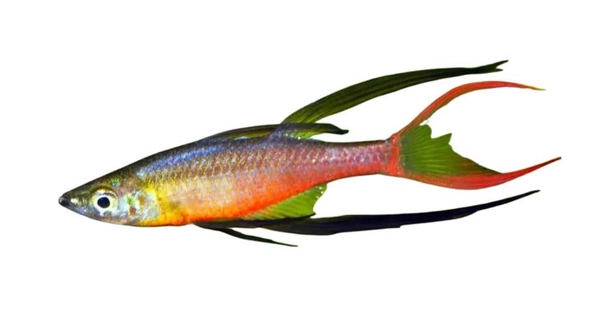
Keeping threadfin rainbowfish healthy means paying attention to their diet. Not all fish foods are safe, and some can harm their digestion or overall well-being if fed regularly in a home aquarium setting.
Certain foods, such as bread, processed human snacks, fatty meats, and dairy products, should be avoided when feeding threadfin rainbowfish. These items can cause digestive issues, nutrient imbalance, and long-term health problems in these sensitive freshwater fish species.
Learning which foods to skip helps ensure your fish remain healthy and active while preventing common dietary mistakes that many new owners make.
Bread and Processed Human Snacks
Bread and other processed human snacks are not suitable for threadfin rainbowfish. These items often contain preservatives, salt, and sugars that can upset their delicate digestive system. Even small amounts can lead to bloating or constipation over time. Fish need a diet that is high in protein and specifically formulated for their species, which is why feeding bread or chips can be harmful. It’s easy to assume that small bits won’t cause problems, but repeated feeding of these items accumulates health risks. Threadfin rainbowfish are naturally adapted to eat insects, larvae, and specially designed fish flakes or pellets. Introducing foods outside their natural diet can also disrupt their nutrient intake, causing vitamin deficiencies or obesity. If you’ve noticed any unusual swimming behavior, such as sluggishness or floating abnormally, it could be linked to improper feeding. Keeping their diet focused on appropriate fish food ensures long-term vitality and prevents unnecessary stress.
Processed snacks like chips or crackers should never be fed to threadfin rainbowfish due to digestive risks.
Avoiding processed human food helps maintain stable water quality and prevents common health problems associated with improper nutrition.
Fatty Meats
Fatty meats, including pork, beef, and chicken skin, are dangerous for threadfin rainbowfish. These meats are high in fats that their bodies cannot process efficiently, often leading to liver stress or obesity. Even small pieces can have long-term negative effects.
Feeding fatty meats to threadfin rainbowfish may seem harmless if done occasionally, but the consequences accumulate quickly. Their metabolism is designed for lean protein sources, like insects or specialized fish flakes. Fatty foods can coat their digestive tract, making it difficult for nutrients to be absorbed. Over time, this can stunt growth and reduce immune function, leaving them more prone to disease.
Many fish owners assume that human food supplements can enrich their tank, but fatty meats are a notable exception. Unlike flakes or pellets, these meats are not balanced with the vitamins, minerals, and amino acids that threadfin rainbowfish require. Once ingested, the fats can also cloud the aquarium water and promote bacterial growth, creating an unhealthy environment. Feeding appropriate protein sources keeps the fish active, supports natural coloration, and ensures consistent growth. Sticking to a diet designed for freshwater tropical fish minimizes risks and keeps their digestive system functioning correctly. A careful approach to diet prevents avoidable health issues and promotes overall well-being.
Dairy Products
Dairy products like milk, cheese, and yogurt are harmful to threadfin rainbowfish. Their digestive systems cannot process lactose, leading to bloating, diarrhea, and discomfort. Even small amounts can upset their stomachs and impact overall health.
Dairy is a common mistake for fish owners who want to add variety to their tank. While humans digest lactose easily, fish lack the enzymes needed to break it down. Feeding cheese or yogurt can create digestive blockages, slow growth, and weaken the immune system. Over time, this can result in long-term health issues that are difficult to treat.
The effects of dairy are not always immediate, making it easy to underestimate the risk. Fish may appear fine for a few hours after ingestion, but bloating, unusual swimming patterns, and loss of appetite often follow. In severe cases, prolonged exposure can cause organ stress or bacterial infections in the gut. It’s much safer to stick to fish-specific foods and avoid introducing human dairy products entirely. Consistency in their diet supports strong health and vibrant coloration.
Citrus Fruits
Citrus fruits, such as oranges, lemons, and limes, are too acidic for threadfin rainbowfish. Their stomachs cannot tolerate the low pH, which can lead to irritation and stress. Even small pieces of citrus can disrupt their digestive system.
Acidic fruits can lower water quality and shock your fish. The natural acids interfere with the delicate balance of the aquarium and may change the water’s pH, which threadfin rainbowfish are sensitive to. Sudden changes in pH can cause stress, reduce immunity, and increase vulnerability to infections. Feeding citrus also provides no nutritional benefit and can lead to feeding-related health problems.
Regular exposure to citrus can damage their gills and scales over time. While small amounts may seem harmless, repeated feeding can make the fish lethargic and prone to disease. Maintaining a diet with neutral pH foods ensures they stay active, healthy, and visually vibrant. Fish flakes, pellets, and small live or frozen insects are better choices that support their natural biology. Avoiding acidic fruits keeps both the fish and tank environment stable, promoting long-term well-being.
Starchy Vegetables
Starchy vegetables like potatoes and corn are not ideal for threadfin rainbowfish. Their digestive systems struggle with high starch content, which can lead to bloating, sluggishness, and reduced nutrient absorption. Feeding these foods occasionally can still cause issues over time.
Even small pieces of starchy vegetables can create digestive discomfort. Threadfin rainbowfish thrive on protein-rich diets, so introducing carbs in large amounts disrupts their natural feeding balance.
Sugary Foods
Sugary foods, including candy, syrup, and pastries, should never be fed to threadfin rainbowfish. Sugar can upset their digestive system, encourage bacterial growth in the tank, and negatively impact overall health. Avoiding sugary items keeps fish active and prevents water quality problems.
Raw Beans
Raw beans are highly toxic to threadfin rainbowfish. Compounds in uncooked beans can interfere with digestion and cause serious illness or death if consumed. Always avoid feeding any raw legumes to your fish.
FAQ
What happens if I accidentally feed my threadfin rainbowfish one of these foods?
Accidental feeding usually isn’t fatal, but it can still cause digestive stress. Depending on the food, your fish may experience bloating, diarrhea, or loss of appetite. Keep an eye on their behavior and swimming patterns. If you notice unusual signs, removing uneaten food and performing a partial water change can help minimize problems. In some cases, temporarily switching to a light, easily digestible diet like high-quality flakes or small live insects can help their digestive system recover. Consistency in proper feeding after the incident is key to preventing long-term effects.
Can cooked versions of harmful foods be safe for threadfin rainbowfish?
Some cooked foods are less harmful because cooking removes certain toxins or breaks down complex compounds. However, many still pose risks, especially dairy, fatty meats, and sugary items. Cooking may reduce immediate digestive issues, but it does not make the food nutritionally appropriate. Fish need protein-rich diets designed for their species, so even cooked versions should generally be avoided. Sticking to specialized fish flakes, pellets, or safe live and frozen foods is always safer for health, growth, and immune function.
Are there any human foods that are safe for threadfin rainbowfish?
Very few human foods are suitable. Small, plain vegetables like peas (shelled and softened) or blanched zucchini can be offered occasionally. Avoid spices, salt, and oils. Treats should be minimal and given infrequently. The safest approach is to rely mainly on fish-specific foods to meet nutritional needs and maintain water quality.
How can I tell if my fish is suffering from a bad diet?
Common signs include bloating, floating abnormally, loss of appetite, dull coloration, or sluggish swimming. Digestive problems can also appear as stringy feces or unusual gill movement. Observing your fish daily helps detect issues early. Promptly removing harmful foods and providing a balanced diet can prevent permanent damage.
Is it possible to reverse damage caused by improper feeding?
Some damage can be reversed if caught early. Switching to an appropriate diet, improving water quality, and monitoring behavior can help restore health. Chronic issues from repeated improper feeding, however, may have lasting effects on growth, immunity, or organ function. Early intervention is critical.
Can feeding harmful foods affect tank water quality?
Yes. Uneaten or decaying foods like bread, sugary items, or fatty meats increase waste and promote bacterial growth. This can spike ammonia or nitrite levels, stressing fish and harming their immune system. Maintaining a clean tank and proper feeding routine is essential to prevent these problems.
How often can I safely give treats to threadfin rainbowfish?
Treats should be extremely limited—no more than once or twice a week. They should complement, not replace, a protein-rich diet. Overfeeding treats can lead to obesity, digestive issues, or nutrient deficiencies. Keeping the majority of their diet as fish flakes, pellets, or live/frozen insects ensures proper growth and health.
Are frozen or live insects better than flakes or pellets?
Both have advantages. Live insects encourage natural hunting behavior and can be more stimulating, while high-quality flakes and pellets provide balanced nutrition and vitamins. A combination often works best. Avoid feeding wild-caught insects from unknown sources, as they may carry parasites or pesticides.
Can the size of the food affect health risks?
Yes. Food that is too large can cause choking or digestive blockage. Always provide appropriately sized pieces for threadfin rainbowfish. Small, bite-sized flakes, pellets, or chopped insects help them eat efficiently and reduce the risk of bloating or internal injury.
What should I do if my fish refuses to eat proper food after harmful feeding?
It may take time for them to adjust. Remove any remaining harmful food, ensure the tank is stress-free, and offer small portions of high-quality fish food. Gently shaking flakes on the water surface or slightly soaking pellets can encourage feeding. Patience is important, and regular monitoring ensures they return to a healthy diet.
This FAQ provides guidance to prevent dietary mistakes and maintain the health of threadfin rainbowfish. Following safe feeding practices and avoiding harmful foods ensures their longevity, vibrant colors, and active behavior.
Final Thoughts
Feeding threadfin rainbowfish the right foods is essential for their overall health and happiness. These fish thrive on a diet that is high in protein and carefully balanced for their specific needs. While it can be tempting to share small pieces of human food or experiment with treats, doing so often leads to digestive problems, nutrient deficiencies, and long-term health risks. Breads, processed snacks, fatty meats, dairy, citrus, starchy vegetables, sugary items, and raw beans can all be harmful in different ways. Avoiding these foods keeps the fish active, supports their natural growth, and ensures their digestive systems function properly. A consistent diet of fish flakes, pellets, and safe live or frozen insects provides all the nutrients they need while minimizing the risk of illness or stress.
Even occasional feeding of inappropriate foods can cause subtle but important issues. Digestive discomfort, bloating, and changes in swimming behavior are common signs that their diet is not ideal. Problems may not appear immediately, but repeated exposure over time can lead to more serious conditions, including weakened immunity and stunted growth. Monitoring fish behavior and health is crucial, as it allows early intervention before long-term damage occurs. Making small adjustments to their diet, such as replacing occasional human food treats with safe alternatives like peas or blanched vegetables, can make a significant difference. Maintaining clean water, controlling portions, and providing high-quality nutrition are all part of keeping threadfin rainbowfish healthy and vibrant in a home aquarium.
Ultimately, caring for threadfin rainbowfish is about balance and consistency. Providing a proper diet, avoiding harmful foods, and observing their health daily ensures that they live long, active, and visually striking lives. While it may take some effort to resist the urge to share human snacks or experiment with untested foods, the payoff is a healthier, more resilient fish population in your tank. Following safe feeding practices not only improves their immediate well-being but also promotes a strong immune system and better overall vitality. With careful attention to diet, owners can enjoy watching their threadfin rainbowfish thrive, maintaining their natural colors, energy, and playful behavior. Proper nutrition, clean water, and thoughtful observation are the foundation of responsible fish care and the key to a successful, long-term aquarium environment.

Hello,
If you enjoy the content that we create, please consider saying a "Thank You!" by leaving a tip.
Every little bit helps us continue crafting quality advice that supports the health, happiness, and well-being of pets around the world, for pets of all shapes, sizes, and species.
We really appreciate the kindness and support that you show us!