
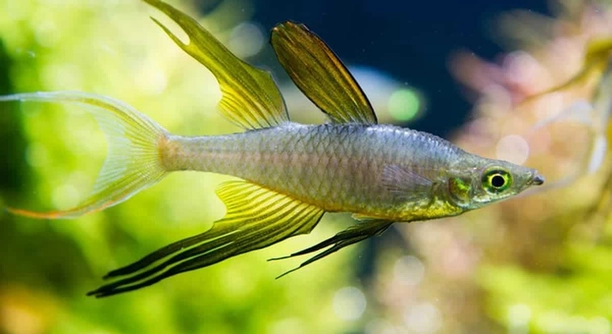
Introducing new fish to your aquarium can be exciting but also stressful if things go wrong. Threadfins are delicate and require careful attention to prevent unnecessary stress or aggression when joining a new tank.
The best approach to introducing threadfins without drama involves gradual acclimation, proper tank setup, and monitoring their behavior closely. Ensuring stable water conditions, compatible tankmates, and a structured feeding routine minimizes stress and promotes a harmonious environment.
Following these simple strategies will help your threadfins adjust smoothly. Maintaining patience and consistency ensures your aquarium remains peaceful and your fish thrive in their new home.
Preparing the Tank
Before adding threadfins, make sure your aquarium is ready. Clean the tank thoroughly and remove any debris or leftover food. Check water parameters like temperature, pH, and salinity to match their natural needs. Introduce plants or hiding spots so the fish feel secure. Proper filtration is essential to maintain oxygen levels and remove waste efficiently. Stable water conditions reduce stress, which helps threadfins adapt quickly. Avoid overcrowding by planning the number of fish based on tank size.
A well-prepared tank keeps threadfins healthy and minimizes sudden changes that can upset them. Small adjustments before introduction make a significant difference in their comfort and survival.
Setting up the tank correctly also prevents future health problems. Threadfins are sensitive to fluctuating water conditions and aggressive neighbors. Adding decorations strategically gives them areas to explore without conflict. Monitoring the water regularly helps catch issues early. By establishing a calm, balanced environment, you support both their physical health and natural behaviors, making acclimation smoother and more predictable.
Acclimating Slowly
Acclimate threadfins gradually to reduce stress. Move them in small groups rather than all at once.
Start by floating the bag in the tank for 15–20 minutes. Slowly add small amounts of tank water to the bag every five minutes. This helps the fish adjust to temperature and water chemistry differences. Avoid sudden movements or pouring the fish directly into the tank. Watch their behavior closely during this process. Calm, steady introductions prevent panic and reduce the chance of injury.
During acclimation, patience is crucial. Rushing the process can lead to shock or illness. Use a soft net when transferring the fish and minimize handling. Provide gentle aeration and maintain quiet around the tank. Observing the fish carefully helps you notice stress signs like rapid gill movement or erratic swimming. Make adjustments if needed, including slowing the water mixing or pausing the process. After acclimation, give them a few hours without feeding to settle into their new space. These steps increase the likelihood that threadfins will thrive and interact calmly with their new environment.
Monitoring Behavior
Watch threadfins closely after introduction. Look for signs of stress, aggression, or hiding.
Pay attention to how they interact with other fish and explore the tank. Healthy threadfins swim actively and investigate their surroundings, while stressed fish may stay in corners or gasp at the surface. Early observation helps prevent conflicts.
Observe feeding habits as well. Threadfins should eat consistently and show interest in food. Note any sudden changes in behavior, such as lethargy or aggression toward tankmates. Intervene if fights occur, separating aggressive fish temporarily. Keep a log of their behavior for at least a week to track adjustments and ensure the environment remains stable. Regular monitoring allows you to act before small issues turn into larger problems, supporting their long-term well-being.
Feeding and Nutrition
Feed threadfins small portions multiple times a day to prevent overfeeding. Stick to high-quality flakes, pellets, or frozen foods suitable for their species.
Ensure a balanced diet with protein-rich items, but avoid overloading the tank. Uneaten food can pollute water and stress the fish. Observe their appetite, adjusting portions as needed. Offer variety occasionally to encourage natural foraging behaviors and maintain interest.
Pay attention to feeding location. Some threadfins prefer the mid or upper tank, while others search near the bottom. Feeding slowly allows all fish to eat without competition. Maintain a consistent schedule so they can anticipate meals. Remove leftover food promptly to keep the water clean and reduce disease risk. Providing proper nutrition strengthens immunity, encourages healthy growth, and helps them integrate peacefully into the tank ecosystem.
Tankmates Selection
Choose tankmates that are calm and non-aggressive. Avoid large or territorial species that may bully threadfins.
Small, peaceful fish work best. Threadfins thrive with companions that don’t compete aggressively for food or space. Compatibility ensures a stress-free environment and reduces the risk of injuries.
Maintaining Water Quality
Regular water changes are essential to keep the tank clean. Remove 20–25% of water weekly and replace it with conditioned water at the same temperature.
Test water parameters frequently, including pH, ammonia, nitrite, and nitrate levels. Stable water conditions prevent illness and promote healthy growth. Avoid sudden changes, which can stress the fish. Clean filters regularly to maintain proper flow and prevent debris buildup. Proper maintenance ensures threadfins remain active, healthy, and stress-free, allowing them to display natural behaviors and thrive in their new environment.
Observing Health
Check for signs of illness daily. Look for discoloration, unusual swimming, or lethargy.
FAQ
How often should I feed threadfins?
Threadfins do best with small meals two to three times a day. Offer high-quality flakes, pellets, or frozen foods suitable for their species. Feeding smaller amounts more frequently helps prevent overfeeding and reduces waste in the tank. Always remove uneaten food promptly to maintain clean water.
Can threadfins live with other fish?
Yes, but tankmates must be calm and non-aggressive. Avoid large or territorial species. Small, peaceful fish that don’t compete aggressively for food or space are ideal. Observing interactions during the first days ensures all fish adjust smoothly without conflicts.
How do I acclimate threadfins to a new tank?
Float the bag in the tank for 15–20 minutes. Gradually mix tank water into the bag every five minutes. Use a soft net to transfer them, minimizing stress. Avoid pouring them directly into the tank. Observe their behavior for signs of stress during the process.
What water conditions do threadfins need?
Maintain stable temperature, pH, and salinity levels suitable for their species. Test water regularly for ammonia, nitrite, and nitrate. Perform weekly water changes of 20–25% and clean filters as needed. Sudden changes in water conditions can cause stress or illness.
How can I tell if my threadfins are stressed?
Signs of stress include hiding constantly, rapid gill movement, erratic swimming, or loss of appetite. Address stress immediately by checking water quality, tankmates, and feeding routines. Providing hiding spots and a calm environment reduces stress and encourages natural behavior.
What is the best way to prevent disease in threadfins?
Maintain clean water, avoid overfeeding, and monitor behavior daily. Quarantine new fish before introducing them. Remove sick fish promptly to prevent spreading illness. Balanced nutrition strengthens immunity, while regular observation allows you to act quickly if a problem arises.
Do threadfins need special tank decorations?
They benefit from plants, rocks, or hiding spots that provide security and exploration areas. Decorations should not crowd the tank or block swimming space. Properly arranged decorations reduce aggression and allow threadfins to feel safe while displaying natural behaviors.
How do I handle aggression between threadfins and other fish?
Separate aggressive fish temporarily if fights occur. Observe interactions closely and rearrange decorations to create boundaries. Ensuring compatible tankmates and giving threadfins space to retreat minimizes aggression. Consistency and careful monitoring help maintain a peaceful tank environment.
Can threadfins survive in a small tank?
They prefer medium to large tanks with enough swimming space. Overcrowding increases stress and aggression, reducing overall health. Plan the number of fish based on tank size and provide proper filtration to maintain clean, oxygen-rich water for all inhabitants.
How long does it take for threadfins to adjust to a new tank?
Adjustment varies but generally takes several days to a few weeks. Patience is essential. Observe behavior, feeding habits, and interactions with tankmates. Gradual acclimation, stable water, and proper tank setup support a smooth transition and help threadfins thrive.
Are threadfins sensitive to water changes?
Yes, they are sensitive to sudden changes in water conditions. Gradual water changes and consistent monitoring of water parameters reduce stress. Always match temperature and chemistry of replacement water to the tank before adding it. This approach ensures the fish remain healthy.
What should I do if a threadfin stops eating?
Check water quality, tankmates, and recent changes in the environment. Stress, illness, or poor water conditions are common causes. Offer a variety of foods and remove uneaten items. Isolate the fish if necessary and monitor closely for recovery or signs of disease.
Do threadfins need special lighting?
Moderate lighting works best. Too bright or too dim lighting can stress them. Mimic natural light cycles to support their activity patterns. Providing shaded areas or plants gives them space to retreat if they feel exposed or uncomfortable.
Can I breed threadfins in a home aquarium?
Breeding threadfins at home is challenging due to water sensitivity and space requirements. Successful breeding requires stable water, proper nutrition, and careful observation. Most keepers focus on maintaining healthy adults rather than attempting reproduction in a standard tank.
How do I introduce multiple threadfins at once?
Add them in small groups, floating each bag and acclimating gradually. Monitor behavior carefully, separating any aggressive individuals. Ensure sufficient hiding spots and space to reduce stress. Gradual introductions help establish a harmonious group without competition or injuries.
What is the ideal tank temperature for threadfins?
Maintain temperature consistent with their species, usually between 75–82°F (24–28°C). Use a heater and thermometer to monitor accurately. Avoid sudden temperature shifts, as threadfins are sensitive and stress can lead to health issues.
How often should I check water parameters?
Test key parameters like pH, ammonia, nitrite, and nitrate at least once a week. Frequent checks allow early detection of imbalances. Regular monitoring, combined with consistent water changes and filter maintenance, helps maintain a stable environment for threadfins.
What should I do if a threadfin becomes aggressive?
Separate it temporarily and observe interactions. Ensure there are hiding spots for all fish. Avoid overcrowding and incompatible tankmates. Adjust decorations to create territories if needed. Consistent monitoring and proactive management reduce aggression and maintain a peaceful tank.
Are threadfins sensitive to noise or movement outside the tank?
Yes, sudden vibrations, loud noises, or frequent movement can stress them. Keep the area around the tank calm and avoid tapping the glass. A stable, quiet environment supports natural behavior and reduces stress-induced health problems.
Can threadfins live alone?
While they can survive alone, they often do better in groups of their own species. Solitary fish may become stressed or display abnormal behavior. Providing companions ensures social interaction, activity, and a more natural environment.
Final Thoughts
Introducing threadfins to a new tank requires planning, patience, and attention to detail. These fish are delicate, and rushing the process can lead to stress, illness, or aggression. A carefully prepared tank with stable water conditions and suitable hiding spots is essential. Taking the time to research their needs and understand their behavior before adding them ensures a smoother introduction. The right tank setup prevents future problems, allowing threadfins to thrive physically and feel secure in their environment. Even small adjustments, like proper filtration or gentle decorations, can make a significant difference in their comfort and long-term health.
Acclimation is another critical step in successfully introducing threadfins. Gradually adjusting them to the tank water and temperature reduces the risk of shock. Watching their initial behavior closely helps identify stress or compatibility issues with other fish. Feeding them small, frequent meals while observing interactions ensures they are adjusting well. Threadfins benefit from a calm and stable environment, so minimizing sudden changes and avoiding overcrowding helps maintain a peaceful tank. By combining careful observation, proper feeding routines, and a stable environment, these fish are more likely to develop healthy behaviors and adapt confidently to their new surroundings.
Ongoing care is just as important as the introduction itself. Regular monitoring of water parameters, tank cleanliness, and fish behavior prevents problems from escalating. Maintaining a balanced diet and ensuring tankmates are compatible helps reduce stress and aggression. Providing consistent care allows threadfins to grow, explore, and display natural behaviors without unnecessary pressure. Even with careful preparation, occasional adjustments may be needed, such as separating aggressive fish or adding new hiding spots. By approaching their care with patience, attentiveness, and consistency, you create an environment where threadfins can live healthily and happily. In the end, the effort put into preparation, acclimation, and ongoing care pays off, resulting in a peaceful, thriving aquarium where your threadfins feel secure and active.

Hello,
If you enjoy the content that we create, please consider saying a "Thank You!" by leaving a tip.
Every little bit helps us continue crafting quality advice that supports the health, happiness, and well-being of pets around the world, for pets of all shapes, sizes, and species.
We really appreciate the kindness and support that you show us!