
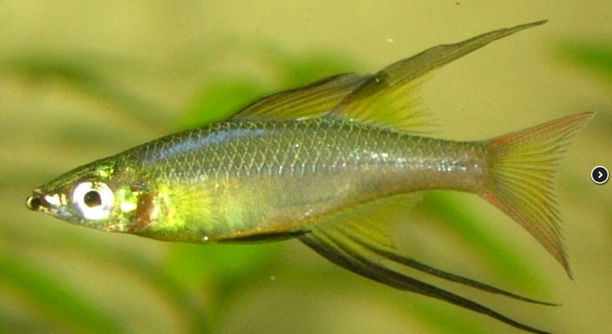
Do your Threadfin Rainbowfish sometimes linger near the glass, appearing intrigued by the world beyond their tank? Many aquarists notice these delicate fish watching the room, flickering their fins as light shifts and shadows pass across the window.
Threadfin Rainbowfish can perceive movement and light outside their tank, but they do not derive enjoyment in a human sense from the view. Observational behavior is linked to environmental awareness and natural curiosity rather than aesthetic appreciation.
Observing these behaviors can reveal much about their daily patterns and comfort within the aquarium environment, offering subtle insights into their natural instincts and interactions.
How Threadfin Rainbowfish Respond to Their Environment
Threadfin Rainbowfish are naturally observant and react to changes in their surroundings. They notice light shifts, shadows, and movement outside the tank, which may explain why they often swim near windows or glass. Their behavior is not tied to enjoyment like humans experience, but rather to curiosity and environmental awareness. These fish are visually oriented, using their keen eyesight to monitor potential threats and opportunities. Placing a tank near natural light can encourage activity, but direct sunlight should be avoided to prevent overheating and algae growth. Interaction with their own reflection or passing motion may also stimulate their senses. Even subtle environmental changes, such as rearranging decorations or adding plants, capture their attention. Their schooling instinct further enhances this behavior, as they often move together in response to stimuli. By observing these reactions, aquarists can better understand their fish’s needs and ensure a healthy, stimulating habitat that supports both activity and comfort.
Their reactions are rooted in natural instincts rather than emotional enjoyment, making careful habitat setup important for their well-being.
Creating an environment that allows safe observation encourages activity while maintaining stability. Adding plants, hiding spots, and varied textures promotes exploration, reduces stress, and strengthens their immune responses. By monitoring how they respond to different light sources or movement outside the tank, you can adjust placement to avoid overstimulation. Using gentle, diffused light prevents stress while keeping them engaged. Over time, aquarists may notice consistent patterns in their behavior, such as preferred areas near windows or specific times of day when they are most active. These insights inform better care practices, from feeding schedules to water changes, ensuring that the fish thrive. A balanced environment supports both physical health and natural behaviors, highlighting the importance of thoughtful tank arrangement. Understanding these factors allows for a more responsive and effective approach to aquarium management, improving both the fish’s quality of life and the observation experience.
Visual Stimulation and Fish Behavior
Providing visual stimulation helps maintain mental engagement and reduces boredom for Threadfin Rainbowfish.
They respond to movement, shadows, and light patterns, which mimics natural environmental variation. Observing activity outside the tank can trigger curiosity, prompting swimming or exploration. Introducing safe, predictable stimuli inside the tank supports mental stimulation. Fish may investigate reflections, plants, or subtle motions, which enhances activity levels and encourages interaction. Visual enrichment prevents monotony, contributing to overall health. Patterns of movement and light changes keep their senses active, reflecting their natural instincts to explore surroundings, assess threats, and respond to environmental cues. Regularly varying the tank setup, such as adding floating plants or rearranging ornaments, maintains this stimulation. By offering diverse visual experiences, aquarists promote healthy behaviors and reduce stress-induced inactivity. A well-stimulated environment mirrors conditions they would encounter in nature, supporting instinctive behaviors like schooling, exploring, and reacting to sudden changes. Thoughtful observation and management of visual stimuli are essential for maintaining a lively and healthy aquarium for Threadfin Rainbowfish.
Placement of the Tank
Positioning a Threadfin Rainbowfish tank near natural light can influence activity, but direct sunlight may overheat the water and encourage algae growth. Balance exposure to ensure stimulation without compromising water quality or fish health.
Proper tank placement affects behavior and overall well-being. These fish are sensitive to sudden changes in light and movement, so avoiding high-traffic areas reduces stress. A quiet, stable location allows them to explore safely while observing surroundings. Consider room temperature, drafts, and proximity to electronics, as vibrations or heat fluctuations may disturb them. Consistent lighting schedules support their natural rhythms, encouraging normal feeding and swimming patterns. Elevated or low positioning also impacts their visibility of environmental stimuli, which can alter curiosity levels and schooling behavior. Small adjustments in tank placement often lead to noticeable differences in activity and engagement.
Tank height, surrounding furniture, and nearby windows all influence visibility and stimulation. Strategic placement ensures your Threadfin Rainbowfish can engage with their environment safely while minimizing stress from unpredictable movements or excessive sunlight. Maintaining this balance is key to supporting their natural instincts and comfort.
Interaction With Reflections
Threadfin Rainbowfish may react to their reflection in the glass, interpreting it as another fish. This behavior is common in visually oriented species and can influence swimming patterns.
Reflections can stimulate curiosity and mild activity, but repeated exposure may cause stress or territorial behavior. They often investigate reflections briefly before returning to normal swimming routines. Some fish may prefer indirect light or areas with fewer reflective surfaces to reduce confusion. Providing plants or decorations near reflective spots can help redirect attention and encourage natural exploration. Observing these interactions helps understand their social tendencies and environmental preferences, which can inform adjustments to tank layout. Reflection management is part of maintaining a healthy, engaging habitat.
Light and Window Exposure
Threadfin Rainbowfish are sensitive to light changes, which can affect activity levels. Indirect natural light is beneficial, but avoid direct sunlight that may overheat the tank or encourage excessive algae growth.
Consistent lighting schedules help maintain normal behavior. Sudden shifts in light intensity can startle the fish, causing stress or hiding. Using blinds or curtains can moderate sunlight exposure, keeping the tank environment stable.
Signs of Stress
Rapid swimming, clamped fins, or hiding are common indicators of stress in Threadfin Rainbowfish. Observing these behaviors can help identify environmental issues early and prevent health problems.
Encouraging Natural Behavior
Providing plants, decorations, and varied textures allows Threadfin Rainbowfish to explore and engage with their environment. These additions promote swimming, hiding, and schooling, supporting mental and physical well-being.
Monitoring Activity
Regular observation of your fish helps track behavior patterns, stress signs, and responses to environmental changes. Noting changes over time allows for timely adjustments to tank setup.
FAQ
Do Threadfin Rainbowfish actually enjoy looking out the window?
Threadfin Rainbowfish do not experience enjoyment in the human sense. Their attention to windows or movement outside the tank is driven by curiosity and instinct. Observing motion or changes in light provides stimulation and allows them to remain aware of their surroundings, which is part of their natural behavior.
Can too much exposure to sunlight harm them?
Yes. Direct sunlight can raise water temperature rapidly and encourage algae growth, both of which can stress the fish. Indirect natural light is sufficient for visual stimulation while maintaining a stable environment. Using curtains or positioning the tank away from strong sunlight helps prevent potential harm.
Will reflections confuse or stress them?
Reflections can sometimes cause mild stress, as the fish may perceive their reflection as another individual. Most Threadfin Rainbowfish quickly realize it is not a threat and resume normal activity. However, minimizing highly reflective surfaces in key areas of the tank can reduce unnecessary agitation.
How can I make my tank more stimulating for them?
Adding plants, decorations, and varied textures encourages exploration and natural behaviors such as hiding, schooling, and swimming in patterns. Changing the arrangement occasionally provides new visual stimuli. Gentle movement of water or subtle changes in lighting can also maintain engagement without causing stress.
Is their behavior around the glass linked to social instincts?
Yes. These fish are schooling fish and are naturally observant of their environment and companions. Swimming near glass or interacting with reflections often reflects social instincts and the desire to assess surroundings safely. It is not necessarily a sign of boredom but of natural vigilance.
How do I know if environmental changes are too stressful?
Look for signs such as clamped fins, rapid darting, or prolonged hiding. A stressed Threadfin Rainbowfish may become less active, lose appetite, or show unusual swimming patterns. Gradual changes in decorations, lighting, or tank placement are preferable to sudden modifications, which can cause more noticeable stress.
Can outside movement keep them entertained?
Movement outside the tank can provide mild stimulation. Passing shadows, people walking by, or shifting light patterns engage their senses. However, excessive or unpredictable motion may startle them. Maintaining a calm and stable environment around the tank balances stimulation and comfort.
Do they need a view to stay healthy?
A view is not essential for their health, but visual stimulation supports mental activity and encourages natural behaviors. Ensuring the tank has diverse textures, hiding spots, and moderate movement in water helps maintain engagement even without an external view.
How often should I observe their behavior?
Daily observation is ideal. Monitoring patterns in swimming, interaction with reflections, and reactions to light or movement helps identify stress or environmental issues early. Keeping notes or mental records of behavior changes ensures timely adjustments to tank conditions.
Can overexposure to reflections or outside activity become harmful?
Yes, prolonged or intense visual stimuli can increase stress levels. Providing balanced lighting, stable surroundings, and areas where the fish can retreat reduces overstimulation. Properly arranged plants, decorations, and safe hiding spots give them control over their environment, which is critical for well-being.
What is the best overall environment for Threadfin Rainbowfish?
A stable, clean tank with moderate lighting, plants, decorations, and sufficient swimming space provides both comfort and stimulation. Gradual environmental changes, careful observation, and a balanced diet support physical and mental health. External visual stimuli should be gentle, occasional, and non-threatening.
Are they more active at certain times of day?
Yes. Threadfin Rainbowfish tend to be more active during daylight hours when natural light and mild movement are present. Activity may decrease during dim or overly bright conditions. Maintaining consistent lighting schedules supports natural rhythms and predictable behavior patterns.
How do I prevent boredom if I cannot place the tank near a window?
Focus on internal enrichment: plants, rocks, decorations, and gentle water flow can simulate natural variation. Small rearrangements over time keep their environment dynamic. Interaction with tank mates and consistent feeding schedules also provide mental stimulation without needing an external view.
Can behavioral changes indicate illness or stress?
Significant changes in swimming, appetite, or response to stimuli may indicate illness or environmental stress. Observing for these signs, alongside water quality checks, helps ensure timely care. Maintaining a stable and enriched habitat minimizes these risks.
How should I balance stimulation and calm in their tank?
Provide moderate visual and environmental stimuli while ensuring quiet areas and hiding spots. Avoid sudden, frequent changes and limit strong external movement or light shifts. This balance supports natural curiosity without overwhelming the fish.
Threadfin Rainbowfish are naturally curious and visually oriented, which often leads them to observe movement outside their tank. While this behavior may look like enjoyment, it is primarily a response to environmental stimuli and instinct. These fish rely on keen eyesight to detect changes in their surroundings, assess potential threats, and explore opportunities within their environment. Watching movement outside the tank or noticing light shifts provides mental stimulation and helps them stay alert. Their schooling instincts also reinforce this behavior, as individuals often follow each other when investigating new sights. While aquarists may interpret these behaviors as interest or entertainment, it is important to recognize that their actions are driven by survival instincts rather than human-like pleasure. Proper understanding of these behaviors helps in creating a suitable environment that meets both their physical and behavioral needs.
Maintaining a stable and balanced tank environment is essential for the well-being of Threadfin Rainbowfish. Direct sunlight should be avoided because it can increase water temperature and promote algae growth, both of which may lead to stress or illness. Indirect natural light is sufficient to provide visual stimulation while ensuring a comfortable habitat. Tank placement should also consider external movement, noise, and vibration, as excessive stimuli can startle the fish or disrupt their routine. Providing plants, decorations, and hiding spots encourages exploration and supports natural behaviors like swimming, schooling, and seeking shelter. Gentle rearrangements or subtle visual changes in the tank over time can maintain engagement without causing stress. Observing their responses to these adjustments allows aquarists to fine-tune the environment and ensure a healthy balance between stimulation and calm.
Regular observation of Threadfin Rainbowfish is key to understanding their behaviors and maintaining their health. Noting patterns in swimming, interaction with reflections, and reactions to light or external movement helps identify potential stress or environmental issues early. Recognizing signs of stress, such as clamped fins, rapid swimming, or hiding, allows timely intervention to restore comfort and stability. Visual enrichment, combined with consistent lighting, clean water, and proper diet, promotes both mental and physical well-being. While they do not enjoy a view in the human sense, providing an environment that allows safe observation and gentle stimulation ensures these fish can display natural behaviors comfortably. Attentive care, thoughtful tank arrangement, and regular monitoring support a thriving aquarium where Threadfin Rainbowfish remain active, alert, and healthy.

Hello,
If you enjoy the content that we create, please consider saying a "Thank You!" by leaving a tip.
Every little bit helps us continue crafting quality advice that supports the health, happiness, and well-being of pets around the world, for pets of all shapes, sizes, and species.
We really appreciate the kindness and support that you show us!