
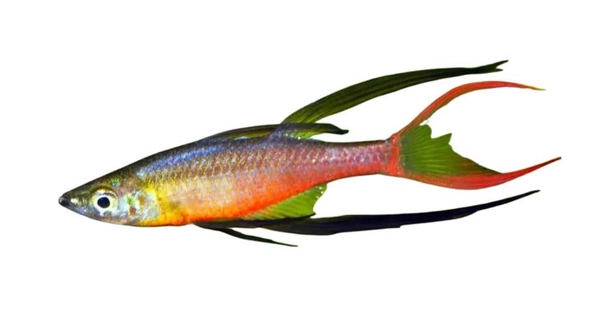
Threadfin Rainbowfish are small, colorful freshwater fish that attract many aquarium enthusiasts. They thrive in well-maintained tanks with stable conditions and enjoy calm lighting that supports their natural behavior and colors.
Blue moonlights can benefit Threadfin Rainbowfish by enhancing their coloration and promoting natural nocturnal activity. These lights provide gentle illumination without causing stress, supporting both visual appeal and overall well-being in a controlled aquarium environment.
Exploring lighting choices can help maintain vibrant, healthy fish while creating a more natural and engaging aquarium atmosphere for both the fish and their caretaker.
How Blue Moonlights Affect Behavior
Threadfin Rainbowfish are sensitive to light, and blue moonlights mimic the subtle glow of natural moonlight. This lighting allows them to maintain a natural day-night cycle, which can reduce stress and support calmer behavior. When the lights are used consistently, the fish often exhibit more active swimming at night, exploring the tank without signs of anxiety. Unlike bright or harsh lighting, the soft blue illumination does not overwhelm their eyes, helping them feel secure in their environment. Over time, consistent exposure to moonlight can encourage natural schooling patterns, as the fish tend to stay closer together under dim lighting. Additionally, feeding routines may improve because the fish are less startled during low-light periods. Tank decorations, such as plants and rocks, appear differently under blue lighting, giving the fish visual variety and mild stimulation. Overall, using blue moonlights creates a gentle and supportive setting that aligns with their natural habits, promoting both mental and physical health in the aquarium.
Behavioral observation shows that the fish are calmer and more exploratory under gentle moonlight.
Maintaining a night cycle with blue moonlights can also help regulate feeding and activity patterns. Fish display natural behaviors, such as swimming near plants or interacting with tank structures. They are less prone to hiding excessively, which can be a sign of stress. For breeders, moonlights may subtly encourage spawning by simulating natural environmental cues. Additionally, this lighting allows hobbyists to observe the subtle beauty of their fish at night without disturbing them. The light intensity should be balanced, ensuring it is neither too bright nor too dim, to provide comfort and visibility. Overall, blue moonlights create an environment that respects the fish’s natural rhythms, promoting healthier, more consistent behavior while enhancing the tank’s aesthetic appeal.
Coloration Benefits of Blue Moonlights
Soft blue lighting enhances the iridescent colors of Threadfin Rainbowfish, making them appear more vibrant without artificial stress.
Consistent exposure to blue moonlights can subtly improve the fish’s overall coloration over time. When their environment mimics natural night conditions, the pigments in their scales reflect light differently, highlighting blues, silvers, and subtle reds. Unlike strong white or yellow lights, which can sometimes wash out delicate hues, moonlights provide gentle contrast that showcases the fish’s natural patterns. Aquarists often notice that fish seem more visually appealing and lively under this lighting. Proper tank maintenance, along with moonlight exposure, ensures the effect is healthy and sustainable. Regular water changes, balanced feeding, and the right plants complement the benefits of blue lighting. For community tanks, this setup allows multiple species to coexist without one being overstimulated by harsh illumination. Overall, using blue moonlights is a simple, effective method to support both the aesthetic and behavioral needs of Threadfin Rainbowfish.
Setting Up Blue Moonlights
Position the blue moonlights above the tank so the illumination reaches the entire aquarium evenly. Avoid placing them too close to the water surface to prevent glare and stress for the fish.
When installing the lights, ensure they are compatible with your tank size and fixtures. Use a timer to simulate a natural night cycle, typically around 8 to 10 hours of moonlight per night. This helps Threadfin Rainbowfish maintain regular activity patterns and reduces stress. Avoid combining these lights with overly bright daytime lighting during the same period, as sudden transitions can startle the fish. Proper placement and timing maximize the benefits of moonlight exposure while maintaining a natural and comfortable environment.
Blue moonlights should be adjusted gradually, especially if your tank previously lacked low-light settings. Slowly increase exposure over several nights to help fish acclimate. Monitor behavior during this period, noting changes in swimming patterns or color intensity. Ensure decorations and plants are not casting harsh shadows, which can cause hiding behavior. Additionally, pairing the lighting with a consistent feeding schedule helps reinforce healthy habits. Maintaining clean water conditions complements the moonlight, enhancing both visual effects and fish well-being. This approach balances aesthetics, health, and comfort effectively.
Observing Health Changes
Consistent use of blue moonlights can support physical health by reducing stress and encouraging natural behavior in Threadfin Rainbowfish.
Fish exposed to soft blue lighting often display stronger activity rhythms and improved appetite. Reduced stress levels help maintain immune system function, lowering the risk of common illnesses. Monitoring for subtle improvements, such as more vibrant coloration and consistent schooling behavior, indicates positive effects. Behavioral changes are easier to observe under gentle lighting, allowing caretakers to adjust care practices promptly. Additionally, the lights contribute to better rest cycles, which is essential for long-term health. Using moonlights in conjunction with proper diet, water quality, and tank maintenance ensures fish remain healthy and active.
Beyond immediate stress reduction, blue moonlights can have long-term benefits on overall vitality. Fish tend to show improved energy levels during the day, as their nighttime rest is more complete. Consistent lighting patterns help regulate hormonal cycles, indirectly supporting growth and reproduction. For breeding pairs, moonlight can act as a subtle environmental cue, enhancing natural reproductive behaviors without aggressive stimulation. In community tanks, the gentle illumination reduces conflicts, as fish are less startled and maintain predictable social interactions. Over time, these health improvements lead to a more stable and visually appealing aquarium, highlighting both the fish’s natural beauty and overall wellness.
Choosing the Right Intensity
Blue moonlights should be dim enough to mimic natural night conditions without overwhelming the fish. A soft, even glow works best for maintaining calm behavior and natural activity patterns.
Too bright lighting can stress Threadfin Rainbowfish, causing them to hide or reduce movement. Start with a low intensity and adjust gradually.
Timing and Duration
Blue moonlights are most effective when used consistently during nighttime hours. Using a timer ensures the fish experience a regular cycle, which supports healthy sleep and activity patterns. Consistent timing helps reduce stress and promotes natural behavior.
Maintaining moonlight for roughly 8 to 10 hours each night is sufficient. Avoid extending this period unnecessarily, as prolonged light exposure can interfere with rest. Pairing the lights with a stable daytime schedule helps fish establish predictable rhythms. Observation during the first weeks of use is important to ensure the intensity and duration suit your specific tank environment. Consistent lighting contributes to color enhancement, improved behavior, and overall health benefits.
Maintenance Tips
Regularly check the lights for dust, algae buildup, or electrical issues. Clean fixtures gently to maintain proper illumination.
FAQ
How long should blue moonlights be left on each night?
Blue moonlights are most effective when they simulate a natural night cycle, typically 8 to 10 hours per night. Using a timer ensures consistency, which helps Threadfin Rainbowfish maintain regular activity and rest patterns. Too short a duration may reduce benefits, while overly long exposure can disrupt natural behaviors.
Can blue moonlights harm Threadfin Rainbowfish?
When used at a low intensity and for an appropriate duration, blue moonlights are safe for these fish. Excessively bright or improperly placed lights can stress fish, causing hiding, reduced activity, or irregular feeding. Gradual adjustment and monitoring are key to avoiding stress.
Will blue moonlights improve coloration immediately?
Color enhancement is gradual. Consistent exposure over several weeks allows natural iridescent pigments to reflect light more effectively. The effect is subtle and works best alongside proper diet, clean water, and a well-maintained tank. Moonlights highlight colors without causing harm.
Are blue moonlights necessary for all aquariums?
They are not strictly required but can enhance the environment for Threadfin Rainbowfish. The lights promote natural behaviors, support rest cycles, and improve color visibility. Community tanks with multiple species may benefit, but care should be taken to balance lighting for all fish.
Can I use blue moonlights with other lighting systems?
Yes, but avoid using them simultaneously with overly bright or harsh daytime lights. Transitioning from strong white or yellow lights directly to moonlights can startle the fish. Using timers for both lighting systems ensures gradual, predictable changes that mimic natural day-night cycles.
Do blue moonlights affect feeding schedules?
Indirectly, yes. When fish are exposed to low, consistent lighting at night, they follow natural activity patterns, which can make feeding times more predictable. Fish are less stressed and more likely to feed actively during their normal day cycle.
Is there a risk of algae growth with moonlights?
Blue moonlights produce minimal energy for photosynthesis, so the risk of algae growth is low compared to strong white lights. Maintaining regular tank cleaning and water changes keeps algae under control while still allowing the fish to benefit from gentle illumination.
Should moonlights be adjusted for small tanks versus large tanks?
Yes. Smaller tanks require lower intensity lighting, as the glow can be more concentrated, while larger tanks need slightly stronger illumination to reach all areas evenly. Proper placement ensures that all fish receive gentle, uniform light without creating overly bright spots.
Can moonlights encourage breeding behavior?
They can subtly support natural reproductive behavior by simulating environmental cues. Fish may become more active and display courtship behaviors during low-light periods. However, moonlights alone are not sufficient; proper water conditions, diet, and tank setup remain critical factors for successful breeding.
How can I monitor the effects of blue moonlights?
Observe your fish for changes in activity, coloration, and schooling patterns. Healthy fish will appear more vibrant, explore the tank confidently, and maintain consistent feeding habits. Any signs of stress, such as hiding or erratic swimming, indicate that adjustments to intensity, duration, or placement may be necessary.
Are there alternatives to blue moonlights for night viewing?
Dim red or soft white lights can also provide low-level illumination without disturbing fish. However, blue moonlights are often preferred for Threadfin Rainbowfish because they enhance iridescent colors and mimic natural nocturnal conditions more effectively, promoting both aesthetics and behavioral benefits.
Do moonlights affect other fish species in a community tank?
Most species tolerate low blue lighting well, but some may react differently depending on their natural habits. Monitor all inhabitants when introducing moonlights. Adjust placement and intensity to ensure that no fish experience stress while the Threadfin Rainbowfish benefit from gentle illumination.
Can blue moonlights be used year-round?
Yes, but maintaining a consistent schedule is important. Fish rely on regular day-night cycles for optimal health. Sudden changes or prolonged light periods can disrupt sleep and activity patterns. Consistency ensures long-term benefits for coloration, behavior, and overall well-being.
How do I clean and maintain blue moonlights?
Unplug lights before cleaning. Use a soft cloth to remove dust or algae buildup. Avoid harsh chemicals that could damage fixtures or leach into the water. Regular maintenance ensures proper illumination, prolongs the lifespan of the lights, and keeps the tank safe for your fish.
Are there energy concerns with running moonlights nightly?
Most modern blue moonlights are energy-efficient LED systems. They consume minimal electricity even when used nightly for extended periods. Using a timer further optimizes energy use while maintaining consistent lighting schedules.
Will moonlights replace daytime lighting needs?
No, daytime lighting remains necessary for plant growth and normal fish activity. Moonlights are supplemental, primarily for night cycles, behavioral support, and color enhancement. They work best in combination with a proper daytime lighting system rather than as a full replacement.
How quickly should I see changes in behavior or coloration?
Behavioral adjustments can be noticeable within a week, as fish acclimate to a calmer, low-light environment. Coloration improvements are more gradual, often taking several weeks of consistent exposure. Patience and proper tank care are essential for long-term results.
Can moonlights be left on during feeding?
It is best to feed during daytime lighting to mimic natural conditions. Moonlights at night provide rest and activity cues rather than feeding signals. Consistent feeding during daylight ensures proper nutrition and avoids confusion in the fish’s behavioral rhythm.
Are specific brands better for Threadfin Rainbowfish?
Quality matters more than brand. Look for LED moonlights that provide adjustable intensity, even coverage, and durability. Reliable fixtures ensure safety, consistent illumination, and optimal benefits for both fish health and tank aesthetics.
Is it necessary to adjust water conditions when using moonlights?
No direct adjustment is needed, but maintaining clean water supports the fish’s response to lighting. Healthy water conditions complement moonlight benefits, helping fish display vibrant colors, remain active, and experience reduced stress consistently.
Can moonlights be used with planted tanks?
Yes, blue moonlights are generally safe for plants, as they emit minimal light for photosynthesis. They provide aesthetic value and nighttime visibility without interfering with daytime plant growth. Plants continue normal photosynthesis under regular daytime lighting.
What should I do if fish appear stressed under moonlights?
Reduce intensity or duration gradually. Check placement to avoid glare or harsh shadows. Ensure water quality is optimal and that the tank environment supports natural hiding spots. Monitoring responses helps achieve a balance between visual effects and fish comfort.
Do moonlights affect tank temperature?
LED moonlights produce very little heat, so they generally do not impact water temperature. They can be used safely alongside heaters and filtration systems without altering the tank’s thermal balance.
Can I combine moonlights with automatic feeders?
Yes, automatic feeders work independently of lighting. Maintaining a consistent feeding schedule alongside controlled night lighting supports natural behavior, health, and color enhancement. Timers for lights and feeders ensure a predictable routine for Threadfin Rainbowfish.
Are there any long-term risks of using moonlights?
When used correctly, blue moonlights pose no long-term risks. Proper intensity, duration, and placement, along with regular tank maintenance, ensure ongoing benefits without negative effects on health, behavior, or coloration of Threadfin Rainbowfish.
How do I choose the right size moonlight for my tank?
Match the light’s coverage area to your tank size. Smaller tanks require lower-intensity or compact fixtures, while larger tanks need stronger, wider-spread illumination. Even distribution prevents bright spots and ensures all fish benefit from the lighting.
Can moonlights help during nighttime observation?
Yes, they allow you to observe natural fish behavior without disturbing them. The soft illumination highlights coloration and movement, offering a clear view while maintaining a calm environment for Threadfin Rainbowfish.
Final Thoughts
Blue moonlights are a gentle and effective way to enhance the environment for Threadfin Rainbowfish. By providing a low-intensity, soothing light, they help simulate a natural night cycle. This lighting supports calmer behavior, encourages natural swimming patterns, and allows the fish to feel secure in their tank. Consistent use over time can also make their vibrant colors more noticeable, highlighting the subtle blues, silvers, and reds that make them visually appealing. Unlike harsh or overly bright lighting, blue moonlights do not startle the fish or disrupt their daily routines. They simply add a soft glow that supports both the health and appearance of the fish while improving the overall aesthetic of the aquarium.
Maintaining a proper schedule is key when using moonlights. The lights should be on for a consistent period each night, typically around 8 to 10 hours, to mimic a natural night cycle. Using a timer helps maintain this schedule, which reduces stress and promotes predictable behavior. Fish become more comfortable with their surroundings, explore the tank confidently, and establish better feeding and resting patterns. Gradual adjustments in intensity are important, especially if your tank previously lacked low-light periods. Sudden exposure to moonlights can startle fish, so increasing light gradually allows them to acclimate safely. Placing the lights correctly to cover the entire tank evenly ensures all fish experience the benefits without creating harsh shadows or overly bright spots. Regular monitoring during the first few weeks helps identify if adjustments are needed to achieve the most comfortable environment.
In addition to supporting behavior and coloration, blue moonlights can have subtle health benefits. Fish that experience reduced stress and maintain regular sleep and activity cycles are less prone to illness and display more stable immune function. Observing fish under moonlight can make it easier to notice changes in behavior, color, or activity that might indicate health issues, allowing timely adjustments to care practices. Moonlights are also safe to use alongside daytime lighting, plants, and filtration systems without interfering with tank conditions. Over time, the combination of consistent lighting, proper diet, and clean water creates a well-balanced environment. By using blue moonlights thoughtfully, caretakers can enhance the well-being, appearance, and natural behaviors of Threadfin Rainbowfish, making the aquarium both healthier for the fish and more enjoyable to observe.

Hello,
If you enjoy the content that we create, please consider saying a "Thank You!" by leaving a tip.
Every little bit helps us continue crafting quality advice that supports the health, happiness, and well-being of pets around the world, for pets of all shapes, sizes, and species.
We really appreciate the kindness and support that you show us!