
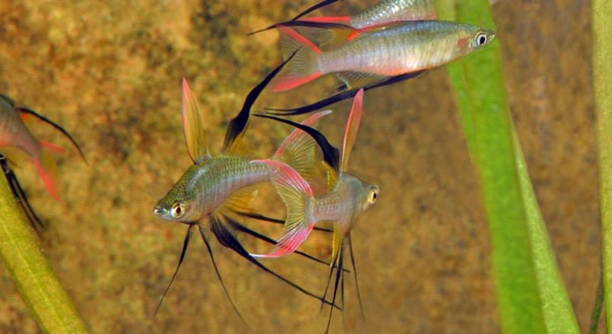
Are your threadfins swimming alone in their tank, making the aquarium feel empty and less lively? Finding compatible tankmates can be challenging, especially when you want companions that are both peaceful and interesting to watch.
Uncommon but effective tankmates for threadfins include certain small catfish, rainbowfish, danios, and gobies that share similar water conditions and swimming behaviors. These species coexist well, reduce stress in threadfins, and enhance the overall visual appeal of the tank.
Choosing the right companions can transform your tank environment and improve the wellbeing of all fish involved. Understanding compatibility is key to creating a harmonious aquarium community.
Small Catfish Varieties
Small catfish varieties like Corydoras and Otocinclus are excellent companions for threadfins. They are peaceful bottom dwellers that rarely compete for the same swimming space, keeping the tank balanced. Corydoras have a social nature, often moving in groups, which adds gentle activity at the bottom of the tank. Otocinclus are algae eaters that help maintain a clean environment without bothering other fish. Both types thrive in similar water conditions to threadfins, including slightly acidic to neutral pH levels and moderate temperatures. These catfish are also hardy and adapt well to community tanks, making them reliable additions. Threadfins generally stay in mid to upper levels, so having catfish below creates a dynamic yet non-confrontational ecosystem. Their subtle movements and feeding habits make the tank visually engaging without overwhelming more active species. Regular monitoring ensures compatibility, but most small catfish varieties coexist peacefully and encourage healthier interactions in the aquarium.
Adding small catfish encourages natural behavior in threadfins and reduces stress levels. The tank feels livelier and balanced.
Selecting the right catfish involves considering size, water conditions, and temperament. Corydoras and Otocinclus are small enough not to intimidate threadfins but active enough to keep the tank dynamic. Keeping them in groups promotes social behavior, and their algae-eating habits help with maintenance. They prefer sandy substrates and hiding spots, which also benefit other tank inhabitants. Feeding should include sinking pellets, algae wafers, and occasional live food. Compatibility is generally high because these species avoid aggressive interactions. Observing behavior during the first few weeks ensures the tank remains peaceful. Proper care and tank setup allow both threadfins and catfish to thrive together. Over time, their coexistence creates a well-structured aquarium where fish occupy distinct areas while interacting safely. These catfish are subtle, yet they contribute significantly to the tank’s overall health and appearance, making them practical and beneficial companions.
Rainbowfish Varieties
Rainbowfish are colorful, active mid-level swimmers that match threadfins’ peaceful temperament. Their lively movements add visual interest without triggering aggression.
Rainbowfish are adaptable to similar water conditions as threadfins, including moderate temperatures and slightly acidic to neutral pH. They thrive in small groups, which creates a natural schooling effect. Most rainbowfish species are not territorial, reducing stress for threadfins. Their vibrant colors complement threadfins’ silver bodies, enhancing the tank’s aesthetic appeal. They feed easily on flakes, small pellets, and live foods, which makes diet management straightforward. Active but non-aggressive, rainbowfish maintain energy throughout the day without dominating the tank. Plant cover and open swimming spaces help them feel secure while giving threadfins room to swim freely. Their presence encourages natural behavior, including schooling and exploration, which enriches the tank environment. Over time, the combination of rainbowfish and threadfins creates a lively yet harmonious display that is visually balanced and behaviorally stable. Careful observation during initial introduction ensures mutual comfort and prevents any minor conflicts.
If you want, I can continue with the next tankmates in the same format. Do you want me to proceed?
Danios
Danios are small, fast-swimming fish that coexist well with threadfins. Their activity complements mid-level swimmers without causing stress or competition for food. They are hardy, tolerate a range of water conditions, and maintain a peaceful presence in community tanks.
Danios thrive in slightly acidic to neutral pH and moderate temperatures, similar to threadfins. Their constant movement encourages a lively tank environment, while their schooling behavior creates visual cohesion with threadfins. They are omnivorous, eating flakes, pellets, and occasional live foods, making feeding simple. Danios’ adaptability allows them to settle quickly in established tanks without disrupting existing fish hierarchies. Their energetic behavior promotes healthy swimming habits among all tankmates, enhancing overall activity levels. Observing them interact with threadfins shows minimal aggression, as their size and temperament prevent conflicts.
Keeping danios in groups of at least five ensures comfort and natural social behavior. They occupy different swimming levels than threadfins, minimizing competition. Their presence enhances the tank visually and behaviorally. Danios also tolerate occasional water fluctuations, making maintenance easier for the aquarist. Their resilience and active schooling make them an ideal addition for threadfins, providing movement and color without stress. The combination creates a dynamic, peaceful aquarium that feels lively yet balanced.
Gobies
Gobies occupy the tank bottom, adding diversity without disturbing threadfins swimming above. They are generally peaceful and easy to feed, requiring small amounts of live or frozen food.
These fish adapt well to similar water conditions as threadfins, including moderate temperatures and slightly acidic to neutral pH. Gobies often burrow or hide among substrate and decorations, reducing stress while contributing to a natural tank layout. Their bottom-dwelling habits prevent competition for space with threadfins, who swim in mid to upper water levels. Regular observation ensures they do not disturb plants or other shy species. Feeding gobies requires attention to prevent food from sinking uneaten, but they are generally low-maintenance and compatible with most peaceful community fish. Their subtle movements add visual interest without overwhelming the tank.
Selecting gobies requires attention to size and temperament. Smaller species like Stiphodon or Brachygobius coexist peacefully with threadfins. Providing sandy substrates or hiding spots enhances their comfort and encourages natural behaviors. They consume small invertebrates, algae, or prepared sinking foods, which helps maintain a balanced ecosystem. Gobies are sensitive to water quality, so regular monitoring is essential. Their activity complements threadfins’ mid-level swimming, creating vertical movement that makes the tank dynamic and visually appealing. Grouping multiple gobies encourages natural social interactions, reducing stress for all fish. Proper integration ensures a peaceful, healthy aquarium where each species thrives without interference.
Hatchetfish
Hatchetfish stay near the water surface, providing movement in the upper levels without disturbing threadfins below. They are peaceful, small, and prefer calm tankmates, making them ideal for a balanced aquarium.
These fish are surface feeders and require floating foods like flakes or small pellets. Their presence encourages a layered tank environment, with threadfins in the mid-levels and hatchetfish above.
White Cloud Mountain Minnows
White Cloud Mountain Minnows are hardy, adaptable, and calm. They school naturally, which keeps them active without causing stress to threadfins. They tolerate a range of temperatures and are easy to feed with flakes, micro-pellets, or occasional live foods. Their small size makes them compatible with other non-aggressive tankmates, enhancing mid-level swimming activity.
Kuhli Loaches
Kuhli Loaches are gentle, nocturnal bottom dwellers. They hide during the day and become active at night, reducing competition with threadfins. Their slender bodies allow them to explore narrow spaces and substrate layers, helping keep the tank clean and adding subtle activity in less visible areas.
FAQ
What is the best number of threadfins to keep together?
Threadfins are schooling fish, so keeping at least five to six individuals helps reduce stress and encourages natural swimming behavior. Smaller numbers can lead to anxiety, while larger groups create a more dynamic and visually engaging tank. Maintaining a proper ratio with tankmates also ensures balance in the aquarium.
Can threadfins live with aggressive fish?
No, threadfins are peaceful by nature and do not tolerate aggressive or territorial species. Introducing aggressive fish can cause stress, injuries, or even death. Choosing calm, compatible tankmates like small catfish, danios, or gobies ensures a harmonious environment. Observation during the first few weeks is essential to confirm compatibility.
What tank size is suitable for threadfins and their tankmates?
A minimum tank size of 55 gallons is recommended when keeping threadfins with other mid-level swimmers. Larger tanks allow for distinct swimming zones for different species, reducing stress and territorial disputes. Providing open swimming areas and hiding spots ensures all fish feel secure.
How should I feed threadfins with other fish in the tank?
Threadfins are mid-level feeders, so floating or slow-sinking pellets work best. Feeding should be spread across the tank to ensure all fish get food. Supplementing with live or frozen foods, such as brine shrimp or daphnia, encourages natural foraging behavior and maintains health.
Are water conditions important for maintaining harmony in the tank?
Yes, threadfins and their compatible tankmates thrive in slightly acidic to neutral pH and moderate temperatures around 72–78°F (22–26°C). Sudden changes in temperature or pH can stress fish, causing illness or aggression. Consistent monitoring and regular water changes support a healthy environment.
Can threadfins coexist with bottom-dwelling species like loaches or gobies?
Yes, they generally coexist well. Bottom-dwelling species occupy different levels in the tank, reducing competition for space and food. Providing sandy substrates, hiding spots, and smooth décor ensures these species can express natural behaviors without disturbing threadfins.
How often should I monitor the tank for stress or aggression?
Daily observation is recommended, especially during the first few weeks after introducing new tankmates. Watch for signs of fin nipping, hiding, or erratic swimming. Early detection allows adjustments in stocking, feeding, or décor to maintain harmony.
Are schooling fish better companions for threadfins?
Yes, schooling species like danios, rainbowfish, and White Cloud Mountain Minnows match threadfins’ social nature. Grouping them in appropriate numbers encourages natural swimming patterns, reduces stress, and creates a visually appealing, lively mid-level community.
Do threadfins require special lighting or tank setup?
Threadfins prefer moderate lighting that mimics natural conditions. Open swimming spaces combined with plants or driftwood for shelter create a balanced habitat. Layering the tank with different swimming zones for top, mid, and bottom dwellers enhances compatibility and allows each species to thrive.
Can I mix multiple uncommon tankmates in the same aquarium?
Yes, but careful selection is crucial. Avoid combining aggressive or large species with small, peaceful fish. Ensuring adequate space, hiding spots, and compatible feeding routines helps maintain a balanced ecosystem. Monitoring interactions ensures all species coexist peacefully over time.
How can I encourage natural behavior in threadfins and their tankmates?
Providing open swimming areas, varied substrates, and live or frozen foods promotes natural activity. Grouping compatible schooling fish encourages social interaction, while bottom-dwelling species explore substrate layers. Observing their interactions helps refine tank setup to maintain a healthy, dynamic community.
Is it necessary to quarantine new fish before adding them to a threadfin tank?
Yes, quarantining new fish for at least two weeks prevents introducing disease or parasites. Monitoring health and behavior during quarantine reduces the risk of illness spreading to established fish. Proper acclimation before adding them to the main tank ensures a smoother integration.
Can threadfins live in a planted tank with their tankmates?
Yes, threadfins and compatible species benefit from a planted tank. Plants provide hiding spots, reduce stress, and enhance water quality. Choose hardy species that tolerate moderate swimming activity, ensuring both mid-level and bottom-dwelling fish can coexist without damaging plants.
What are common signs of stress in threadfins?
Stress can manifest as erratic swimming, hiding excessively, loss of appetite, or faded coloration. Early identification allows adjustments in tankmates, water conditions, or feeding routines to restore balance. Maintaining peaceful tankmates and consistent care is essential for long-term wellbeing.
How do I maintain harmony when introducing new tankmates?
Introduce new fish gradually, preferably during feeding times to reduce territorial behavior. Ensure tankmates occupy different swimming levels and provide plenty of hiding spots. Observation during the first few days helps identify any conflicts early, allowing adjustments to maintain a peaceful aquarium.
Can threadfins adapt to community tanks over time?
Yes, when introduced to compatible, non-aggressive species in suitable numbers, threadfins gradually adapt. Maintaining consistent water conditions, proper feeding, and adequate space ensures long-term coexistence and reduces stress, resulting in a balanced and lively aquarium.
What is the ideal diet for threadfins and their tankmates?
Threadfins are omnivorous, thriving on high-quality flakes, pellets, and occasional live or frozen foods. Complementary species like danios, rainbowfish, and gobies have similar dietary needs, allowing synchronized feeding. Rotating food types supports health, coloration, and natural foraging behavior, promoting activity and longevity in the tank.
How important is tank maintenance for compatibility?
Regular water changes, substrate cleaning, and monitoring water parameters prevent stress and disease. A well-maintained tank supports harmony among threadfins and tankmates, ensuring all fish remain healthy and display natural behaviors. Consistency is key to long-term success in community aquariums.
Can threadfins coexist with small schooling fish at the same level?
Yes, but ensure space is sufficient to prevent overcrowding. Schooling fish like danios or rainbowfish complement threadfins if stocked in proper numbers. Maintaining separate swimming zones and observing interactions minimizes competition and supports natural behaviors.
Are temperature fluctuations harmful for threadfins and their companions?
Sudden temperature changes can stress threadfins and other species, potentially leading to illness or aggression. Using a reliable heater, monitoring daily, and avoiding drastic changes ensures a stable environment that promotes health and peaceful coexistence.
How do I prevent aggression in a mixed tank with threadfins?
Choose peaceful species of similar size, maintain open swimming areas, and provide hiding spots. Introducing new fish gradually and observing early interactions reduces conflicts. Consistent feeding and proper tank layout help maintain harmony, allowing all fish to coexist comfortably.
Can threadfins tolerate slightly harder or softer water?
They can adapt within moderate limits, but sudden shifts should be avoided. Gradual acclimation and consistent monitoring of pH, hardness, and temperature help maintain comfort and reduce stress, ensuring all tankmates remain healthy.
What tank decorations are best for threadfins and their tankmates?
Smooth rocks, driftwood, and plants create hiding spaces without obstructing swimming paths. Open areas for mid-level swimmers and soft substrate for bottom dwellers promote natural behavior. Proper layout reduces stress and prevents territorial disputes.
How often should I check water quality in a community tank with threadfins?
Weekly testing of ammonia, nitrite, nitrate, and pH levels is recommended. Sudden changes can affect all species, so maintaining consistent water quality supports health, reduces stress, and encourages peaceful interactions. Monitoring temperature daily ensures stability.
Are threadfins compatible with livebearers or small cichlids?
Small livebearers may coexist if peaceful, but most cichlids are too aggressive. Compatibility depends on temperament, size, and tank layout. Observing initial interactions is crucial, and separating species when aggression occurs prevents stress and injuries.
Can I keep multiple uncommon tankmates together with threadfins?
Yes, but careful planning is necessary. Ensure each species occupies a different zone, and provide sufficient hiding spots. Monitoring behavior and adjusting stocking levels helps prevent stress and maintains harmony in the tank.
Do threadfins need strong filtration?
Moderate filtration is sufficient as long as water quality is maintained. Gentle flow supports swimming without causing stress. Overly strong currents can disturb delicate species, so balance is key for a healthy, peaceful tank.
How often should I feed threadfins and tankmates?
Two to three small feedings per day keep fish healthy and active. Even distribution of food ensures all species receive adequate nutrition. Supplementing with live or frozen foods several times a week encourages natural foraging behavior.
Are threadfins suitable for beginners keeping community tanks?
Yes, if paired with compatible, non-aggressive species and maintained in stable water conditions. Their peaceful nature, moderate size, and schooling behavior make them manageable for those willing to provide proper care and attention.
Can lighting affect threadfins’ behavior?
Yes, moderate lighting mimics natural conditions and reduces stress. Too bright or inconsistent lighting can cause hiding or erratic swimming. Providing a balance of light and shaded areas helps maintain calm, natural behavior for all tank inhabitants.
How do I handle illness in a community tank with threadfins?
Quarantine sick fish immediately, identify the disease, and treat appropriately. Consistent water quality, balanced diet, and stress reduction help prevent outbreaks. Monitoring all tankmates ensures early detection and effective treatment.
Can threadfins live with shrimps or snails?
Yes, peaceful shrimps and snails usually coexist without problems. They occupy different niches and provide additional cleaning benefits. Avoid species that are aggressive or large enough to be seen as prey.
Do threadfins prefer open water or planted areas?
They prefer open mid-level swimming areas with access to some plants for shelter. Layering the tank with top, mid, and bottom zones allows all species to express natural behavior and coexist without stress.
How long do threadfins typically live in a well-maintained community tank?
Threadfins can live 5–8 years or longer with proper care. Stable water conditions, compatible tankmates, and a balanced diet contribute to longevity, allowing them to thrive and display natural schooling behavior.
What should I do if threadfins show signs of stress?
Check water parameters, ensure compatible tankmates, and provide hiding spots. Adjust feeding routines and monitor behavior closely. Quick intervention prevents health issues and maintains harmony in the aquarium.
Is it necessary to provide a varied diet for all tankmates?
Yes, a mix of flakes, pellets, and occasional live or frozen foods ensures proper nutrition. Variation supports health, color, and activity levels for threadfins and all other fish in the tank.
Can threadfins and their tankmates tolerate occasional changes in lighting or temperature?
Gradual, minor adjustments are generally tolerated, but sudden or extreme changes can cause stress. Maintaining stable conditions promotes long-term health, natural behavior, and peaceful coexistence.
How do I introduce new tankmates to minimize stress for threadfins?
Add new fish slowly, ideally during feeding times, and monitor interactions. Provide hiding spots and sufficient space to prevent aggression. Gradual acclimation reduces stress and allows all fish to adjust comfortably to changes.
Are threadfins compatible with floating plants?
Yes, floating plants offer shade, reduce stress, and create a more natural environment. They allow open swimming spaces while providing cover for shy or new tankmates, enhancing comfort and security for all species.
What is the maximum number of species I can keep with threadfins?
The number depends on tank size, swimming zones, and species temperament. Prioritize peaceful, non-aggressive fish and maintain distinct areas for mid, top, and bottom dwellers. Proper planning ensures harmony and minimizes stress.
Can threadfins adapt to different types of substrate?
Yes, they tolerate sand, fine gravel, or smooth substrates. Bottom-dwelling species may have specific preferences, so consider all tankmates when selecting substrate to ensure natural behavior and comfort.
How can I encourage schooling behavior in threadfins?
Keep at least five to six individuals together in open mid-level swimming areas. Consistent feeding, stable conditions, and peaceful tankmates support natural schooling, reducing stress and enhancing visual appeal.
Are there common mistakes to avoid when keeping threadfins with other fish?
Avoid overcrowding, aggressive species, and sudden changes in water parameters. Ensure compatible tankmates, adequate swimming space, and proper feeding routines. Regular observation helps catch early signs of stress or aggression.
How often should I clean the tank with threadfins and multiple tankmates?
Partial water changes every one to two weeks and routine substrate cleaning maintain water quality. Over-cleaning can stress fish, so balance is essential. Monitoring parameters ensures a healthy, peaceful aquarium environment.
Do threadfins require a specific water flow?
Moderate flow is ideal, reflecting natural conditions. Strong currents can exhaust them, while stagnant water may reduce activity. Balancing flow supports swimming behavior and overall tank health.
Can threadfins coexist with small schooling fish and bottom dwellers simultaneously?
Yes, with careful selection and adequate space, threadfins occupy mid-levels while schooling fish swim together, and bottom dwellers explore the substrate. Layering the tank and providing hiding spots ensures all species coexist peacefully.
Are threadfins sensitive to changes in water hardness?
They tolerate moderate variations but sudden shifts can stress them. Gradual acclimation and consistent monitoring maintain comfort and reduce the risk of disease or aggressive behavior.
How do I balance feeding in a mixed-species tank with threadfins?
Distribute food across swimming levels, using sinking, floating, and slow-sinking options. This ensures all species receive nutrition and prevents dominant fish from consuming more than their share. Observing feeding behavior allows adjustments as needed.
Is it necessary to separate new or sick fish from threadfins?
Yes, quarantine protects the established community from disease and stress. Isolating new or ill fish ensures safer integration and supports long-term tank stability.
What is the ideal temperature range for threadfins and their companions?
Moderate temperatures of 72–78°F (22–26°C) suit most compatible species. Consistency prevents stress, supports natural activity, and maintains harmony among all tank inhabitants.
Can threadfins live in tanks with varied plant density?
Yes, they adapt to lightly or heavily planted areas as long as open mid-level swimming spaces remain. Plants offer shelter and reduce stress, enhancing overall compatibility with other fish.
Are threadfins compatible with surface-feeding fish?
Yes, species like hatchetfish occupy the top water levels, while threadfins remain in mid-levels. This separation reduces competition for food and maintains harmony throughout the tank.
How do I prevent disease outbreaks in a tank with threadfins?
Regular water changes, quarantine for new fish, balanced feeding, and monitoring water parameters minimize risk. Early detection and treatment maintain a healthy, peaceful aquarium environment.
Can threadfins tolerate temporary changes in tankmates?
Yes, gradual adjustments and monitoring allow threadfins to adapt, but introducing aggressive or fast-moving species can cause stress. Maintaining compatible, peaceful fish ensures long-term stability.
What is the best approach to introducing multiple uncommon tankmates?
Introduce one species at a time, monitor behavior, and provide hiding spots. Ensure distinct swimming zones and balanced feeding. Gradual integration reduces stress and maintains harmony across the tank.
Do threadfins require a specific lighting schedule?
Moderate, consistent lighting that mimics natural daylight supports natural activity. Avoid sudden changes, which can stress fish and disrupt behavior patterns. Light should complement plant growth and tank aesthetics.
Are threadfins compatible with soft or hard water conditions?
They tolerate moderate ranges but prefer slightly acidic to neutral pH. Gradual adjustments and monitoring help maintain comfort and reduce stress, ensuring peaceful coexistence with other species.
Can threadfins live with small shrimp safely?
Yes, peaceful shrimp species usually coexist well, occupying different niches. Ensure threadfins do not perceive them as food, and provide hiding spaces for shrimp to reduce stress.
How do I encourage active swimming in threadfins?
Keep them in groups of at least five to six, provide open mid-level swimming areas, and pair them with peaceful, active tankmates. Supplementary feeding with live or frozen foods promotes natural movement.
What are signs of aggression among threadfins and tankmates?
Fin nipping, chasing, hiding, or sudden color changes indicate aggression. Early detection allows adjustments in tankmates, hiding spots, or feeding routines to restore peace and reduce stress.
Can threadfins coexist with small, fast-moving schooling fish?
Yes, as long as tank size allows separate swimming zones. Observing interactions and maintaining adequate space prevents stress, ensuring harmony among all species.
Are threadfins sensitive to overcrowding?
Yes, overcrowding increases stress, reduces swimming space, and may lead to aggression. Proper stocking levels, open areas, and balanced feeding prevent these issues.
How do I maintain peace in a mixed-species tank with threadfins?
Provide adequate space, choose peaceful tankmates, create hiding spots, and monitor interactions. Consistent feeding and stable water conditions help all species coexist peacefully.
Do threadfins require a specific pH range?
Slightly acidic to neutral pH, around 6.5–7.5, is ideal. Consistency supports health, reduces stress, and ensures compatibility with most peaceful tankmates.
Can threadfins live with fish that occupy different swimming levels?
Yes, pairing mid-level threadfins with top or bottom dwellers reduces competition for space and food. Proper layering encourages natural behavior and tank harmony.
What precautions should I take when adding new species to a threadfin tank?
Quarantine new fish, introduce gradually, provide hiding spots, and observe interactions. Ensure compatible swimming levels and feeding habits to maintain harmony.
Are threadfins compatible with plants that float or drift?
Yes, floating plants offer shade and cover without restricting swimming space. They support natural behavior and reduce stress for threadfins and tankmates alike.
Can threadfins adapt to moderate water flow?
Yes, moderate currents promote natural swimming behavior. Strong currents can exhaust them, while stagnant water may reduce activity. Balanced flow supports health and activity.
Is it necessary to monitor each tankmate separately for health issues?
Yes, individual observation helps detect early signs of stress or disease, allowing timely intervention to prevent problems from affecting the entire tank.
How do I balance tankmates with different dietary needs?
Offer a mix of sinking, floating, and slow-sinking foods to accommodate species feeding at different levels. Observing consumption ensures all fish are nourished without overfeeding.
Do threadfins prefer soft substrates or gravel?
They tolerate both, but bottom dwellers may have specific needs. Soft sand is ideal for
Threadfins are peaceful, active fish that thrive in well-planned community tanks. Choosing compatible tankmates is essential to maintain harmony and reduce stress. Uncommon companions like small catfish, danios, rainbowfish, gobies, hatchetfish, and loaches each bring unique qualities to the aquarium. Their varied swimming levels and temperaments help create a balanced environment, ensuring that threadfins can swim freely without competition or aggression. Providing proper hiding spots, layered swimming zones, and adequate space allows all species to express natural behavior. Observing interactions between threadfins and their tankmates is important, especially during the first few weeks, to make sure everyone is adjusting well.
Feeding and water maintenance play a critical role in keeping threadfins and their companions healthy. Threadfins are mid-level feeders, and their tankmates often feed at different levels, so distributing food throughout the tank ensures that all fish receive proper nutrition. Using a combination of flakes, pellets, and live or frozen foods can encourage natural foraging behavior. Maintaining stable water conditions, including consistent temperature, pH, and filtration, supports the wellbeing of all species. Sudden changes in water quality or aggressive introductions can cause stress and reduce fish health. Gradual acclimation of new fish, careful monitoring of water parameters, and consistent feeding routines help create a stable, peaceful aquarium that promotes longevity and vitality for threadfins and their tankmates.
In a well-organized tank, threadfins coexist with multiple species without conflict, creating a visually interesting and active environment. Their schooling behavior encourages natural movement, while bottom dwellers like loaches and gobies explore substrate layers, and surface swimmers like hatchetfish add life to the upper level. Proper planning of tank size, decorations, and swimming zones ensures that each species has room to thrive. Over time, a thoughtful mix of uncommon tankmates enhances the aquarium, making it more dynamic and engaging to observe. Maintaining harmony requires patience, observation, and regular care, but the result is a healthy, balanced tank where threadfins and their companions can flourish together, displaying natural behaviors and peaceful interactions every day.

Hello,
If you enjoy the content that we create, please consider saying a "Thank You!" by leaving a tip.
Every little bit helps us continue crafting quality advice that supports the health, happiness, and well-being of pets around the world, for pets of all shapes, sizes, and species.
We really appreciate the kindness and support that you show us!