
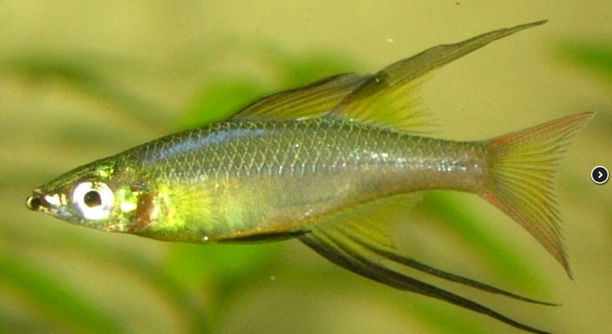
Have you ever noticed your Threadfin Rainbowfish swimming differently or lingering in certain areas of the tank? Many fish owners wonder if their colorful pets can sense when their environment is not as clean as it should be. Observing these small movements may provide clues about their comfort and well-being.
Threadfin Rainbowfish are capable of detecting changes in water quality through sensory perception. They respond to elevated waste levels, low oxygen, or cloudy water by altering swimming patterns, hiding more often, or showing signs of stress.
Understanding how your fish reacts to its environment can help you maintain a cleaner, healthier tank and support its long-term well-being and happiness.
Continue the blog post following the outline and format. Write in a simplistic style. Do not use a greeting. Make it feel slightly personal. Format the headers as h2 headers in Markdown formatting. Do not repeat yourself.; Outline and Format:; Header: xxxxxxxxxxxxxxxxxxx; 150 words paragraph; 50 word paragraph; 100 word paragraph; Header: xxxxxxxxxxxxxxxxxxx; 50 words paragraph; 200 words paragraph; Note: Do not use the words: “culprit”, “journey”, “scrumptious”, “enthusiast”, “friend”, “world of”. ; Note: Get straight to the point. Respect the given word count for every paragraph.
Signs Your Threadfin Rainbowfish Notices Dirty Water
When the water in your tank becomes cloudy or develops a smell, Threadfin Rainbowfish may act differently. They might swim slower, stay near the surface, or hide more often, showing subtle signs of discomfort or stress.
Fish are very sensitive to water changes. Even small amounts of uneaten food or waste can affect water clarity and quality. Threadfin Rainbowfish respond quickly, often moving to cleaner areas or increasing activity near the filter. Watching their swimming patterns and behavior can help you recognize early signs that water maintenance is needed. Observing their reactions is one of the most reliable ways to ensure their tank stays healthy.
Sometimes, noticing your fish’s behavior is easier than measuring water parameters. They may become less social, avoid feeding, or cluster together in corners. These responses indicate that water quality may be declining. Acting quickly by cleaning the tank or adjusting filtration helps prevent illness and keeps your fish active and healthy.
Maintaining a Clean Environment
Keeping the tank clean prevents stress and disease. Regular water changes and proper filtration are key.
Consistent maintenance is essential for Threadfin Rainbowfish. This includes weekly partial water changes, removing debris, and checking filter function. Uneaten food should be removed promptly, and water parameters monitored to maintain safe levels of ammonia, nitrites, and nitrates. A clean environment encourages natural swimming patterns, feeding behavior, and bright coloration. Ignoring small changes can lead to rapid declines in water quality, which the fish quickly sense. Being attentive to both visual water clarity and the fish’s behavior ensures long-term health and reduces the risk of illness.
Proper care also includes monitoring temperature and pH levels. Threadfin Rainbowfish thrive in stable conditions, so avoiding sudden changes is crucial. Using a reliable filtration system and introducing live or artificial plants can help absorb excess nutrients. Observing your fish daily allows you to notice subtle shifts in activity or appearance that may indicate a need for maintenance. Small, consistent efforts in tank care make a significant difference in keeping the fish happy and healthy, creating an environment where they can flourish naturally.
How Often to Check Water Quality
Checking water regularly prevents problems before they escalate. Small daily observations, like noticing fish behavior or water clarity, are helpful.
Using simple test kits weekly helps track ammonia, nitrites, and nitrates. Keeping a log of readings makes it easier to see patterns and act quickly.
Tools for Monitoring
Reliable test kits and a quality thermometer are essential. They help track pH, ammonia, nitrite, nitrate, and temperature accurately. Frequent checks provide data to maintain a stable environment. Regular monitoring prevents sudden changes that can stress your Threadfin Rainbowfish and supports overall tank health.
Immediate Actions When Water Is Dirty
Remove uneaten food and debris promptly. Partial water changes of 20–30% help restore clarity and reduce harmful compounds quickly.
FAQ
Can Threadfin Rainbowfish survive in slightly dirty water?
Threadfin Rainbowfish can tolerate minor water changes, but even slight buildup of waste or debris affects their health over time. Stress levels increase, which can reduce immune response and lead to illness. Maintaining consistent partial water changes and monitoring water parameters ensures they remain healthy.
How can I tell if my Threadfin Rainbowfish is stressed by dirty water?
Signs include hiding more than usual, swimming near the surface, reduced appetite, or unusual clumping with other fish. Behavior changes are often the first visible sign of declining water quality. Observing your fish daily helps catch these issues early.
What water parameters are most important for Threadfin Rainbowfish?
Ammonia, nitrites, nitrates, pH, and temperature are the main factors to monitor. Ammonia and nitrites should always be zero, nitrates kept below 40 ppm, and pH maintained around 6.5–7.5. Temperature should remain stable between 23–28°C (73–82°F).
How often should I change the water in a tank with Threadfin Rainbowfish?
Weekly partial water changes of 20–30% are recommended. More frequent changes may be necessary if the tank is heavily stocked or if fish produce more waste. Consistency in water maintenance helps prevent sudden stress on the fish.
Can overfeeding affect water quality?
Yes, uneaten food decomposes and raises ammonia and nitrate levels. Feed only what the fish can consume in a few minutes and remove leftovers. Overfeeding is one of the most common reasons tanks become dirty quickly.
Do Threadfin Rainbowfish react differently in planted tanks?
Live plants help absorb excess nutrients, which can improve water quality and reduce stress. Fish may appear calmer and swim more naturally in a well-planted tank. However, plants require care, as decaying plant matter can contribute to dirty water if neglected.
Will water conditioners help if my tank is dirty?
Water conditioners can neutralize chlorine, chloramines, and some heavy metals, but they don’t remove waste or nitrates. They are useful for water changes, but tank cleaning and filtration remain essential for long-term water quality.
Can a dirty tank lead to disease in Threadfin Rainbowfish?
Yes, poor water conditions can trigger bacterial, fungal, and parasitic infections. Stress weakens the immune system, making fish more vulnerable. Regular water testing, cleaning, and observing fish behavior are key preventive measures.
How long can a Threadfin Rainbowfish stay in dirty water before it becomes dangerous?
Even a few days of poor water quality can cause stress, but serious health issues usually develop within a week if conditions remain poor. Prompt water changes and filtration adjustments prevent long-term damage and ensure the fish remain healthy.
What is the simplest way to maintain clean water?
Combine regular partial water changes, efficient filtration, controlled feeding, and observation of fish behavior. A routine schedule reduces surprises and keeps your Threadfin Rainbowfish active and stress-free. Monitoring both water parameters and fish behavior ensures a balanced, healthy tank environment.
This FAQ addresses common concerns and provides practical steps to maintain a clean, safe habitat for Threadfin Rainbowfish. Regular attention to water quality directly impacts their health, behavior, and overall longevity in your aquarium.
Final Thoughts
Maintaining a healthy environment for Threadfin Rainbowfish is simpler than it may seem if you follow consistent routines. These fish are sensitive to changes in water quality, and even small amounts of waste or leftover food can affect their behavior and health. Paying attention to their swimming patterns, feeding habits, and general activity is one of the easiest ways to gauge whether the tank needs cleaning. When you notice changes, addressing them promptly with water changes or filtration adjustments helps prevent stress and illness. By keeping the tank clean and observing your fish daily, you can create a stable environment that supports their natural behavior and keeps them active. Consistency in care is far more effective than occasional deep cleaning, as Threadfin Rainbowfish thrive best in steady, predictable conditions.
Proper water maintenance also includes monitoring key parameters such as ammonia, nitrite, nitrate, pH, and temperature. Even slight fluctuations in these values can affect the fish. Weekly testing of water parameters allows you to catch potential problems early, making it easier to maintain a balanced environment. In addition, partial water changes of 20–30% help reduce harmful compounds while leaving beneficial bacteria intact. Removing uneaten food, cleaning the substrate, and checking filtration regularly prevents unnecessary buildup that could stress the fish. Using tools like test kits and a thermometer ensures you have accurate information to make adjustments. By combining observation of behavior with routine monitoring, you create a system that keeps both the fish and their tank in optimal condition without unnecessary effort or worry.
Caring for Threadfin Rainbowfish requires attention to both their environment and their needs. They are naturally active, social, and responsive to changes in water quality, which makes them excellent indicators of tank health. A clean, well-maintained tank encourages bright coloration, normal swimming patterns, and proper feeding behavior. Neglecting water quality, even briefly, can lead to stress and long-term health issues. Focusing on small, regular maintenance tasks, such as partial water changes, monitoring behavior, and using reliable test kits, ensures that your fish stay healthy and comfortable. By observing, responding, and maintaining consistent care, you create an environment where Threadfin Rainbowfish can flourish, making your aquarium both visually appealing and supportive of their long-term well-being.

Hello,
If you enjoy the content that we create, please consider saying a "Thank You!" by leaving a tip.
Every little bit helps us continue crafting quality advice that supports the health, happiness, and well-being of pets around the world, for pets of all shapes, sizes, and species.
We really appreciate the kindness and support that you show us!