
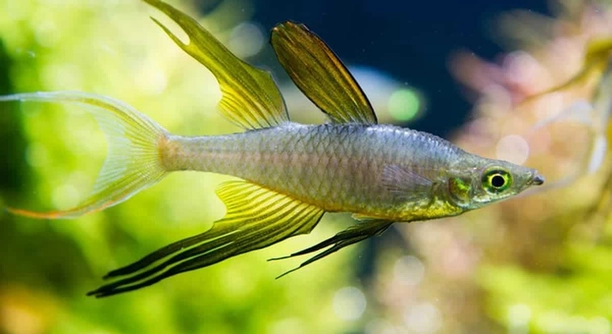
Threadfin Rainbowfish are small, colorful freshwater fish that brighten any aquarium. Observing their behavior can be relaxing, but it can also be tricky to know when they are actually resting or just swimming slowly.
Threadfin Rainbowfish exhibit several visual cues when resting, including reduced swimming activity, a lowered body posture, fins held close to the body, diminished color intensity, minimal interaction with tank mates, and positioning near shelter or the tank bottom.
Recognizing these subtle signals ensures your fish remain healthy while providing insight into their natural behaviors and daily rhythms.
Identifying Reduced Swimming Activity
Threadfin Rainbowfish slow down noticeably when they are resting. Unlike their usual energetic darting around the tank, resting fish glide gently or remain almost stationary. You might notice them hovering in one spot or making short, slow movements, conserving energy. This behavior is completely normal and signals that your fish are taking a break from constant activity. It’s important to observe them without disturbing the tank, as sudden movements or tapping can stress them. Over time, you’ll learn their patterns and know when they typically rest during the day. Watching these subtle changes can make caring for them more intuitive. While some fish may stay near the tank bottom, others prefer mid-level areas or close to decorations, depending on comfort and safety. Their stillness is an essential part of their daily routine, allowing them to rest and maintain health.
Resting with reduced swimming activity helps Rainbowfish preserve energy for feeding and social interactions later in the day.
Being aware of this cue allows aquarists to maintain a calm environment and reduce unnecessary stress for their fish.
Observing Lowered Body Posture
A clear indicator of resting is a lowered body posture. Rainbowfish often angle slightly downward or tuck themselves closer to the substrate or nearby decorations when taking a break. This posture reduces exposure and helps them feel secure. Maintaining a proper tank setup with hiding spots and plants supports this natural resting behavior. A lowered posture also signals the fish are conserving energy rather than displaying illness. Observing this over time helps you distinguish between normal resting and potential health concerns, as sick fish may exhibit unusual or prolonged postures.
Lowered posture is a subtle but reliable visual cue of a Rainbowfish at rest.
Ensuring your tank mimics a natural environment with gentle water flow, stable lighting, and safe corners allows Rainbowfish to rest comfortably. Decorations and live plants offer security while encouraging natural behaviors. Over weeks of observation, you can predict resting periods and adjust feeding or cleaning schedules accordingly. By recognizing the lowered body posture, you’re supporting both their physical health and sense of safety. This cue, combined with reduced swimming and fin positioning, gives a full picture of the fish’s rest state. Consistent observation builds confidence in understanding your Rainbowfish’s behavior patterns and overall well-being.
Fins Held Close to the Body
When Rainbowfish are resting, their fins are often held close to their body rather than spread out. This reduces energy use and makes them less noticeable to other fish. Observing this can help you distinguish between resting and active swimming behaviors.
Holding fins close is a natural way for Rainbowfish to conserve energy. In resting periods, the dorsal, anal, and pectoral fins are tucked in, contrasting with the wide, active fin movements seen during swimming or displaying. This subtle cue is easy to miss if the tank is busy or crowded, but regular observation will make it obvious. Fish that keep fins close while remaining otherwise still are almost always resting. It’s important to note that damaged or clamped fins due to stress or illness may resemble resting behavior, so context and other cues should be checked.
This fin position also indicates comfort within their environment. When fins are held close, Rainbowfish feel safe, often resting near plants, decorations, or shaded areas. It signals they are not threatened and are conserving energy. Monitoring these behaviors over time helps anticipate natural rest periods, giving insight into their daily activity rhythms. Recognizing this cue alongside reduced swimming, lowered posture, and color changes ensures a complete understanding of their resting habits.
Diminished Color Intensity
Resting Rainbowfish often show muted colors compared to their active, vibrant state. This subtle fading is a sign of lowered activity and energy conservation. Observing these shifts in hue helps distinguish rest from other behaviors.
Color changes during rest are temporary and normal. While active, Rainbowfish display bright, shimmering scales to signal health and interact with tank mates. During rest, pigments become less intense, reflecting a state of calm rather than distress. This is a natural physiological response that conserves energy while the fish is less active. Tracking these shifts over time helps recognize typical resting patterns. Sudden or permanent dullness, however, can indicate illness, so context is essential.
Understanding these temporary color variations allows aquarists to gauge the fish’s well-being. Resting periods with diminished colors are essential for maintaining long-term health, as constant activity without breaks can cause stress. Observing this cue alongside posture, fin positioning, and swimming activity creates a fuller picture of the fish’s rest state. Maintaining stable lighting and minimal tank disturbances supports natural color changes. This ensures Rainbowfish can rest safely while still displaying vibrant colors during active periods, promoting both visual appeal and behavioral health.
Minimal Interaction with Tank Mates
Resting Rainbowfish often avoid interacting with other fish. They may drift apart or remain still while tank mates swim nearby. This behavior signals a period of rest rather than aggression or illness.
During these quiet periods, Rainbowfish focus on conserving energy. They temporarily reduce social activity, staying in calm areas of the tank.
Positioning Near Shelter or the Tank Bottom
Rainbowfish tend to rest near plants, decorations, or the tank bottom where they feel secure. This positioning reduces exposure to potential stressors and allows them to relax fully. Choosing sheltered spots is a natural behavior that ensures safety while resting.
Being close to hiding spots also helps them maintain a consistent routine. Observing these choices over time can reveal preferred resting locations. These positions provide protection from strong currents, sudden movements, or overly bright lighting, which might disturb their rest. Monitoring these patterns helps aquarists create a supportive environment, ensuring Rainbowfish have safe spaces to rest daily without disruption.
Reduced Response to External Stimuli
Resting Rainbowfish may not react immediately to movement outside the tank. Their focus shifts inward, conserving energy during these low-activity periods.
FAQ
How can I tell if my Threadfin Rainbowfish is truly resting or sick?
Resting Rainbowfish display subtle cues such as reduced swimming, fins held close, muted colors, and a lowered body posture. They often stay near plants or the tank bottom, minimizing interaction with tank mates. Sick fish may show prolonged lethargy, rapid breathing, clamped fins, or unusual spots. Observing multiple behaviors over time helps distinguish normal rest from health issues. Environmental stability, such as proper water temperature, clean filters, and minimal disturbances, also supports healthy resting patterns.
How long do Rainbowfish typically rest each day?
Resting periods vary, but most Rainbowfish take short breaks several times daily, often aligning with dimmer lighting or quieter tank conditions. These periods can last from a few minutes to an hour, depending on age, activity level, and tank environment. Juveniles may rest more frequently, while adults tend to have longer, more predictable rest intervals. Recognizing their natural rhythm helps in scheduling feeding, cleaning, and maintenance routines without disturbing their rest.
Do Rainbowfish need complete darkness to rest?
Complete darkness is not strictly necessary. Threadfin Rainbowfish can rest under normal aquarium lighting if it mimics natural day-night cycles. They usually seek shaded or sheltered areas during bright periods. Providing plants, decorations, or floating objects helps create calm zones, allowing rest without altering the lighting schedule dramatically. This setup supports healthy behavior while maintaining visibility for observation.
Is it normal for Rainbowfish to rest in groups or alone?
Both behaviors are natural. Some fish prefer resting near their tank mates for security, while others choose solitary spots. Group resting often occurs in larger tanks or where sufficient hiding spaces are available. Observing individual preferences ensures each fish has access to comfortable resting areas, reducing stress and promoting consistent rest patterns.
Can resting Rainbowfish change color temporarily?
Yes, temporary color fading is a normal sign of rest. Rainbowfish may appear less vibrant, which indicates lower activity and energy conservation. Permanent or drastic color changes, however, can signal stress, poor water conditions, or illness. Tracking subtle shifts during resting periods helps aquarists distinguish normal behavior from potential health issues.
Should I avoid feeding my Rainbowfish during rest periods?
Feeding should be timed with their active periods rather than resting phases. Attempting to feed resting fish can cause unnecessary stress and disrupt their energy recovery. Observing their activity patterns allows you to provide food when they are alert and ready, ensuring proper nutrition and minimizing waste.
Do environmental changes affect resting behavior?
Absolutely. Sudden changes in water temperature, lighting, or tank arrangement can disrupt resting cycles. Consistency is key for maintaining healthy rest patterns. Gradual adjustments, along with providing hiding spots and calm areas, help Rainbowfish feel secure and maintain their natural daily rhythm.
Can stress reduce resting periods?
Stress can shorten or interrupt resting periods. Causes include aggressive tank mates, loud vibrations, or irregular feeding schedules. Monitoring for stress indicators alongside resting behaviors helps identify environmental or social factors affecting their well-being. Creating a calm, predictable environment encourages normal rest and reduces long-term health risks.
Is it necessary to monitor resting behavior regularly?
Regular observation is helpful for understanding individual and group behaviors. Monitoring resting cues such as posture, fin position, swimming activity, and color changes provides insight into overall health and comfort. Consistent tracking allows early detection of potential issues and ensures that your Rainbowfish maintain stable daily rhythms.
Do all Threadfin Rainbowfish rest the same way?
No, individual differences exist. Factors such as age, size, tank conditions, and personality influence resting habits. Some fish prefer hiding spots, while others rest mid-water or near tank decorations. Observing each fish helps identify personal patterns and provides tailored care that supports healthy rest and energy conservation.
Can resting behavior indicate readiness for breeding?
Resting itself is not a direct indicator of breeding readiness, but consistent health and energy conservation are essential for reproductive behavior. Well-rested fish are more likely to display normal courtship and spawning behaviors, emphasizing the importance of proper rest in maintaining overall vitality.
How can I improve my Rainbowfish’s resting environment?
Provide adequate hiding spots with plants, decorations, or floating objects. Maintain stable water parameters, moderate lighting, and minimal disturbances. Observing where fish prefer to rest allows adjustments to the tank layout to ensure comfort and security, supporting natural resting behavior.
Can multiple cues appear simultaneously?
Yes, resting Rainbowfish often display several cues at once: muted colors, reduced swimming, fins held close, lowered posture, and minimal social interaction. Monitoring these combined behaviors provides a clear picture of rest, helping distinguish it from illness or stress.
Does age affect resting patterns?
Younger Rainbowfish may take shorter, more frequent rests, while adults tend to have longer, predictable periods. Recognizing these patterns helps adjust feeding and tank maintenance schedules, ensuring the fish are not disturbed during essential rest phases.
What should I do if my Rainbowfish are not resting properly?
Evaluate tank conditions, lighting, water quality, and social dynamics. Reducing stressors, providing hiding spaces, and maintaining a calm environment often restores normal rest patterns. Persistent issues may require consulting aquatic health resources to ensure underlying problems are addressed promptly.
This FAQ section provides practical guidance on observing and supporting natural resting behaviors, helping maintain healthy and stress-free Threadfin Rainbowfish.
Final Thoughts
Observing Threadfin Rainbowfish resting is an important part of understanding their overall health and behavior. These fish exhibit subtle cues when they are resting, such as reduced swimming activity, fins held close to the body, and temporary color changes. Paying attention to these signals allows you to distinguish between normal rest and signs of stress or illness. Providing a stable environment with clean water, consistent lighting, and safe hiding spots helps support their natural rest patterns. Over time, consistent observation makes it easier to anticipate when your fish are likely to rest, ensuring that you do not inadvertently disturb them. Recognizing these visual cues is a simple yet effective way to care for their well-being.
Creating a supportive tank environment is key to encouraging healthy resting behavior. Rainbowfish prefer areas with plants, decorations, or shaded corners where they feel secure while resting. Minimizing sudden movements around the tank and maintaining a calm atmosphere reduces stress, allowing the fish to rest fully. Feeding should be timed with active periods, not rest periods, to avoid disturbing their natural rhythm. Observing multiple cues together—such as posture, swimming speed, fin position, and color intensity—gives a complete picture of their state. Even small adjustments to tank layout or lighting can make a noticeable difference in how comfortably the fish rest. Paying attention to these details ensures your Rainbowfish can maintain a healthy balance between activity and rest.
Resting behavior also provides insight into the overall dynamics of your aquarium. Healthy rest indicates that fish are comfortable, safe, and receiving adequate care. By learning their preferred resting spots and typical patterns, you can arrange the tank to meet these needs more effectively. Regular observation also helps in identifying early signs of potential issues, such as stress or water quality problems, before they become serious. Supporting natural rest helps Rainbowfish conserve energy, maintain vibrant colors during active periods, and interact normally with tank mates. Ultimately, understanding and respecting their resting habits contributes to a calmer, healthier, and more balanced aquarium environment. Observing these behaviors consistently makes caring for Threadfin Rainbowfish more rewarding and ensures their long-term health and comfort.

Hello,
If you enjoy the content that we create, please consider saying a "Thank You!" by leaving a tip.
Every little bit helps us continue crafting quality advice that supports the health, happiness, and well-being of pets around the world, for pets of all shapes, sizes, and species.
We really appreciate the kindness and support that you show us!