
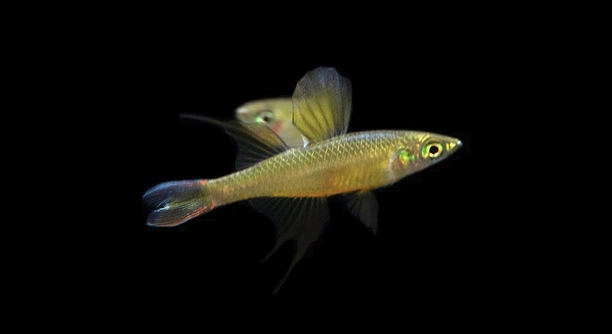
Do you ever notice your threadfin rainbowfish lingering near the glass of your aquarium, moving gracefully yet staying close to the surface? Their shimmering colors catch the light, making them a captivating sight for anyone watching quietly.
Threadfin rainbowfish often hover near the glass due to a combination of social interaction, environmental stimulation, and feeding habits. They may recognize their own reflection, respond to movement outside the tank, and anticipate food from a familiar caretaker.
Observing this behavior can reveal subtle insights into their daily routines and social tendencies within the aquarium environment. It also enhances the overall enjoyment of maintaining a vibrant, healthy tank.
Why Threadfin Rainbowfish Hover Near the Glass
Threadfin rainbowfish are naturally curious and social, which makes them drawn to areas where there is activity, including the aquarium glass. They often notice movements outside the tank, such as people walking by or small changes in light and shadows, and this stimulates their attention. Hovering near the glass allows them to observe and interact with these changes, providing both mental and sensory engagement. Additionally, their bright coloration makes them more visible near the glass, where they can reflect light and show off their patterns. Regular feeding routines also encourage this behavior, as the fish learn to associate human presence with food, making them more likely to gather near the front of the tank. Over time, this behavior becomes a pattern, with fish responding consistently to environmental cues and interactions, demonstrating both intelligence and adaptability. Observing them can be rewarding and reveals their subtle, responsive nature.
This behavior is primarily a response to stimulation and anticipation of feeding. It is a normal and healthy activity for the fish.
Understanding why your threadfin rainbowfish hover can help improve tank management. Ensuring varied enrichment, maintaining water quality, and keeping consistent feeding routines can make the fish feel secure and engaged. Recognizing their patterns also allows you to identify stress or illness early, improving their overall health. Small adjustments, such as adding plants, decorations, or rearranging the tank layout, can influence their movement and comfort. Being mindful of lighting and avoiding sudden disturbances helps maintain a calm environment.
Feeding and Interaction Patterns
Hovering often occurs when fish expect feeding. They become alert to signals like hand movements or shadows.
Consistent feeding routines are key to maintaining healthy habits in threadfin rainbowfish. When fish are fed at predictable times, they develop anticipation behaviors, often gathering near the glass. This behavior is reinforced when the fish learn that human presence often signals food. Over time, this pattern becomes a reliable indicator of their feeding schedule. Interaction with the fish also strengthens their social behavior and reduces stress. Fish that are regularly engaged in predictable ways are more likely to exhibit natural behaviors, including hovering and exploring. Feeding should be balanced to prevent overfeeding, which can harm water quality and fish health. Observing their movements during feeding can also provide insights into their preferences, energy levels, and social hierarchy. Small adjustments, like varying food types or locations within the tank, can enhance stimulation while supporting overall well-being. These patterns demonstrate that threadfin rainbowfish are intelligent, adaptable, and responsive to their environment.
Reflection and Social Behavior
Threadfin rainbowfish often hover near the glass because they notice their own reflection. This behavior is natural and shows their awareness of surroundings. It also allows them to interact with other fish and observe subtle movements in the tank, supporting their social habits.
Reflections can create the illusion of other fish, which encourages natural schooling behavior. The fish may swim alongside their reflection or respond with small displays, helping them practice social interaction without stress. This behavior is most noticeable in well-lit tanks, where reflections are clearer. Social interactions with reflections are also influenced by the number of fish in the tank and their personalities. Observing these patterns can provide insights into dominance, playfulness, and stress responses. Regularly noticing reflections can help maintain mental stimulation and enrich their environment.
Besides reflections, threadfin rainbowfish respond to environmental cues like shadows and light changes. Movement outside the tank triggers alertness, prompting them to hover near the glass. This shows their attentiveness and ability to adapt to surroundings.
Environmental Factors
Tank setup significantly impacts hovering behavior. Fish prefer areas with open visibility and minimal obstructions, often hovering near the glass for better observation and comfort.
Lighting, decorations, and plant placement all influence fish movement. Bright lights or sudden changes can attract fish to specific areas, while open spaces give them a sense of security. Threadfin rainbowfish are sensitive to environmental changes, and subtle adjustments can alter their behavior. Proper water temperature and quality also contribute to active, healthy behavior. Overcrowding or excessive noise can increase stress, causing unusual patterns, while a well-maintained tank encourages natural hovering and swimming. Understanding these environmental factors allows for better tank management and promotes overall fish well-being.
Feeding Anticipation
Threadfin rainbowfish often hover near the glass when they expect to be fed. They recognize familiar routines and associate movement outside the tank with mealtime. This anticipation is natural and shows their ability to learn and adapt to consistent schedules.
Hovering during feeding times helps them secure food quickly. They often gather in areas where feeding usually occurs, displaying both eagerness and alertness. This behavior indicates mental engagement and reinforces positive interaction with their environment.
Comfort and Security
Fish feel more comfortable near the glass because it offers a sense of boundary and protection. Open areas with clear visibility allow them to monitor their surroundings safely.
Interaction With Caretakers
Threadfin rainbowfish recognize the presence of a caretaker and often respond with movement near the glass. This interaction is reinforced by feeding and gentle attention, encouraging a consistent connection.
Stress and Health Indicators
Hovering near the glass can sometimes signal mild stress or discomfort. Changes in water quality, temperature, or tank layout may influence this behavior. Observing consistency in hovering can help identify early signs of stress or health issues in the fish.
FAQ
Why do threadfin rainbowfish hover near the glass so often?
This behavior is primarily linked to curiosity, social interaction, and feeding anticipation. The fish are drawn to movement outside the tank, reflections, and light changes. Hovering near the glass allows them to observe, interact, and respond to their environment, providing mental stimulation and engagement.
Is it normal for them to stay in one spot near the glass?
Yes, staying near the glass is normal, especially when they anticipate feeding or notice reflections. As long as the fish swim normally, eat well, and show no signs of stress or illness, hovering is a healthy behavior.
Can this behavior indicate stress?
Occasionally, hovering can signal mild stress. Sudden changes in water temperature, poor water quality, overcrowding, or loud disturbances may make fish seek the glass as a perceived safe boundary. Monitoring consistency and accompanying behaviors can help determine if intervention is needed.
Does the number of fish in the tank affect this behavior?
Yes. Threadfin rainbowfish are social, and their behavior can vary with tank population. Larger groups may reduce individual hovering due to schooling, while smaller numbers may encourage more interaction with reflections or caretakers.
How can I encourage healthy hovering behavior?
Providing predictable feeding routines, proper lighting, and engaging tank decorations helps maintain natural behavior. Adding plants or open swimming spaces encourages mental stimulation while giving fish comfort and security. Regular observation ensures the behavior remains healthy.
Are reflections harmful to the fish?
Reflections are not harmful and often stimulate natural social behaviors. Fish may interact with their reflection as if it is another fish, which provides enrichment and practice for social responses. Avoid excessive bright lights that could cause stress from too much visual stimulation.
Does feeding location influence hovering?
Yes. Fish learn where food usually appears and will hover in those areas. Changing feeding spots occasionally can provide gentle mental stimulation, but consistency is important to avoid confusion or stress.
Should I worry if my fish only hover near the glass?
Not necessarily. As long as they show regular swimming, feeding, and social behaviors elsewhere in the tank, hovering near the glass is typical. Persistent inactivity elsewhere may indicate underlying stress, poor water conditions, or health issues.
Can tank setup reduce excessive hovering?
Adjusting tank layout, decorations, and plant placement can influence movement. Creating open spaces for observation, hiding spots for security, and balanced lighting reduces unnecessary hovering while maintaining comfort and natural behavior patterns.
Does caretaker interaction affect this behavior?
Absolutely. Fish recognize familiar caretakers and often respond to hand movements, shadows, or feeding. Consistent, gentle interaction reinforces positive behavior and helps them anticipate feeding without creating stress.
How long do threadfin rainbowfish hover near the glass?
Duration varies depending on feeding schedules, tank activity, and environmental conditions. Short periods before meals or during reflections are common. If hovering becomes prolonged or obsessive, reviewing water quality, tank setup, and stress factors is recommended.
Can hovering near the glass indicate illness?
Hovering alone is rarely a sign of illness, but combined with lethargy, loss of appetite, or abnormal swimming, it could indicate health concerns. Regular monitoring of water parameters and physical appearance ensures early detection and care.
Is this behavior the same for all rainbowfish species?
No, behaviors vary among species. Threadfin rainbowfish are particularly social and reflective, which increases hovering tendencies. Other rainbowfish may display different patterns, emphasizing the importance of understanding species-specific habits.
How can I provide mental stimulation for my fish?
Varying feeding techniques, rearranging decorations occasionally, and adding plants or open swimming areas encourage exploration. Reflections, shadows, and subtle environmental changes also promote natural curiosity and prevent boredom.
Are there any risks to feeding near the glass?
Feeding near the glass is safe if portions are controlled. Overfeeding can harm water quality, so distributing food evenly throughout the tank is recommended. Monitoring consumption ensures fish remain healthy and active.
Will hovering affect tank cleanliness?
Hovering itself does not affect cleanliness. However, anticipation of food near the glass may lead to leftover particles. Maintaining proper filtration and regular cleaning keeps the tank environment safe and hygienic.
Do young and adult fish behave differently?
Yes. Juvenile rainbowfish may hover more due to curiosity and smaller size, while adults may show more controlled patterns. Social hierarchy and feeding habits also influence how different age groups interact with the glass.
How can I tell if the behavior is healthy?
Healthy hovering is characterized by normal swimming, eating, and interaction. Fish should appear bright, responsive, and active. Sudden changes, lethargy, or erratic swimming may indicate stress or health concerns that need attention.
Can adding more fish reduce hovering near the glass?
Adding compatible fish can distribute attention and reduce individual interaction with reflections or caretakers. However, overstocking can create stress, so careful consideration of tank size and social dynamics is important to maintain balance.
Does tank location influence this behavior?
Yes. Tanks near high traffic areas or windows may increase hovering due to constant visual stimulation. Placing the tank in a stable, moderately active environment can help manage the behavior while keeping fish engaged.
Is this behavior common in small home aquariums?
Very common. Small tanks often bring fish closer to observers and light sources, increasing the likelihood of hovering. Awareness of tank size, setup, and social needs helps maintain healthy activity patterns.
How can I prevent obsessive hovering?
Providing hiding spots, balanced lighting, and varied feeding locations prevents obsessive hovering. Ensuring water quality, stable temperature, and proper tank population also keeps behavior normal and reduces stress-related activity.
Are there any long-term benefits to this behavior?
Yes. Hovering supports mental stimulation, social interaction, and anticipation skills. It allows fish to adapt to their environment and reinforces natural behaviors, contributing to overall health and well-being in the aquarium.
Can this behavior be trained or modified?
Yes. Consistent feeding schedules, gentle interaction, and environmental adjustments can guide hovering patterns. Training focuses on reinforcing positive behaviors while maintaining comfort and minimizing stress for the fish.
What is the best way to observe this behavior?
Watching quietly without sudden movements or tapping the glass ensures natural observation. Noting patterns related to feeding, reflections, and tank changes provides insights into fish health, social behavior, and environmental preferences.
Does tank size matter for this behavior?
Larger tanks may reduce hovering as fish have more space to explore, while smaller tanks increase interaction with glass and observers. Balancing tank size, decorations, and population ensures healthy engagement without excessive stress.
Can seasonal changes affect hovering?
Yes. Changes in daylight, temperature, and feeding frequency may influence activity levels. Maintaining consistent environmental conditions helps reduce fluctuations in hovering behavior and supports overall fish health.
Is it safe to tap the glass to attract attention?
No, tapping can stress fish and disrupt natural behavior. Gentle, predictable signals like hand movement outside the tank are safer ways to encourage interaction without causing fear or anxiety.
Do all threadfin rainbowfish in a tank hover at the same time?
Not always. Individual personality, social hierarchy, and curiosity levels influence behavior. Some fish may hover more frequently, while others stay in the mid or lower levels of the tank, reflecting natural diversity in behavior.
Can reflections ever confuse the fish?
Occasionally. Persistent strong reflections may trigger repetitive behavior or slight stress in sensitive individuals. Adjusting lighting or adding background elements can reduce excessive reflection while maintaining visual stimulation.
How often should I monitor this behavior?
Daily observation is recommended. Noting patterns, feeding responses, and changes in movement helps detect early signs of stress, illness, or environmental issues, ensuring the fish remain healthy and active.
Are there signs of overfeeding linked to hovering?
Yes. Fish may hover excessively near the glass if food is abundant or feeding routines are inconsistent. Controlling portions and distributing food evenly throughout the tank prevents overeating and maintains water quality.
Can this behavior be used to bond with the fish?
In a way. Predictable feeding and gentle interaction encourage trust and recognition. While fish do not bond like mammals, consistent positive experiences strengthen their comfort and responsiveness to caretakers.
Does water flow influence hovering?
Yes. Moderate currents allow natural swimming, while strong flow may push fish toward calmer areas, including near the glass. Adjusting flow ensures comfort and reduces unnecessary stress while maintaining activity levels.
Is this behavior more noticeable in certain tank setups?
Yes. Open-front tanks, clear glass, and bright lighting make hovering more visible. Dense decorations or dim lighting may reduce interaction with the glass but provide other forms of enrichment for the fish.
How long does it take for fish to learn feeding routines?
Typically, fish adapt within a few days to weeks, depending on consistency and predictability. Once learned, hovering behavior around feeding times becomes routine and reinforces their anticipation skills.
Are there other signs that accompany healthy hovering?
Healthy hovering is accompanied by bright coloration, active swimming, regular eating, and social interaction. Fish should respond to environmental cues without showing signs of stress such as clamped fins, rapid breathing, or erratic movement.
Can tank mates influence this behavior?
Yes. Peaceful, compatible tank mates encourage normal hovering and social behavior. Aggressive or overly shy companions may alter patterns, causing hiding or increased stress near the glass. Careful selection ensures balanced dynamics.
Is this behavior more common in older or younger fish?
Younger fish are often more curious and hover frequently, while adults may exhibit more controlled patterns. Social hierarchy, feeding experience, and environmental familiarity influence behavior across different age groups.
Can excessive light make them hover more?
Bright or direct lighting can increase reflection and visual stimulation, encouraging hovering. Balanced lighting that mimics natural conditions promotes healthy activity without causing stress or obsession with the glass.
Does hovering affect fish growth?
Not directly. Healthy hovering reflects normal curiosity and feeding anticipation. Growth depends on diet, water quality, tank size, and genetics. Proper care ensures that normal behavior does not interfere with physical development.
How do I know if this is a permanent behavior?
It becomes habitual when associated with reflections, feeding, and environmental cues. While individual patterns vary, hovering typically continues as long as conditions remain stable, feeding routines consistent, and stimulation adequate.
Can water temperature changes trigger hovering?
Moderate changes may increase activity near the glass, as fish seek stable areas. Extreme fluctuations can stress them, causing erratic behavior. Maintaining stable temperature ensures normal, healthy interaction with the environment.
Are there signs that hovering is excessive?
Excessive hovering includes constant glass interaction, reduced swimming elsewhere, and stress signs like rapid gill movement or color fading. Adjusting environmental factors, feeding routines, and tank layout can reduce overactivity.
Does hovering behavior differ during breeding season?
Yes. During breeding, fish may hover near glass more frequently to establish territory, monitor surroundings, or respond to partners. Observing patterns helps manage tank setup and ensures breeding behaviors do not cause stress.
Can tank cleaning affect hovering?
Yes. Disturbances during cleaning may temporarily increase glass-focused behavior as fish adjust to movement and new arrangements. Gentle, predictable cleaning reduces stress while maintaining their comfort zones.
Do they ever hover at night?
Generally, hovering is reduced at night due to low activity and dim lighting. Fish retreat to calmer areas or hiding spots, conserving energy while maintaining a sense of security. Nighttime behavior varies by tank setup and lighting conditions.
Can adding background images affect hovering?
Yes. Backgrounds reduce reflections, minimizing unnecessary hovering, and create a more natural environment. This encourages exploration elsewhere in the tank while maintaining visual stimulation and comfort for the fish.
Is hovering linked to water quality issues?
Not usually, but poor water conditions can cause stress, which may increase hovering near perceived safe zones. Maintaining proper filtration, pH, temperature, and cleanliness ensures behavior remains natural and healthy.
Can feeding type affect hovering?
Yes. Live or moving food may increase anticipation and hovering behavior, while slow-dispensing or scattered food can encourage exploration and reduce glass-focused behavior. Variation in feeding methods promotes mental stimulation.
Do fish remember interactions that cause them to hover?
Yes. Fish demonstrate learning and memory by associating feeding times, hand movements, and reflections with expected outcomes. Consistent, positive interactions reinforce natural and healthy hovering patterns over time.
Is this behavior different in community tanks?
Yes. In community tanks, social dynamics, tank mates, and space influence hovering. Fish may hover less due to shared attention or more due to curiosity, depending on tank population and interactions.
Are there any signs that hovering is declining?
Declining hovering may indicate stress, illness, poor water quality, or lack of stimulation. Regular monitoring ensures early detection and correction, maintaining healthy engagement and activity levels.
Can adding hiding spots reduce hovering?
Yes. Providing caves, plants, or decorations offers security, encouraging fish to explore other areas and reducing excessive time spent near the glass. Balanced tank design supports comfort and natural behavior.
Do fish ever hover for play or entertainment?
While not conscious of entertainment, hovering provides mental stimulation and engagement with their environment. Interaction with reflections, movement, and feeding cues satisfies natural curiosity and social instincts.
Is hovering more common in certain times of day?
Yes. Fish often hover before feeding or during periods of activity in the household. Morning and early evening may show more consistent behavior, reflecting natural rhythms and feeding schedules.
Does water current affect hovering patterns?
Yes. Calm areas near the glass often attract fish as they conserve energy and monitor surroundings. Strong currents may push them toward mid-tank or sheltered areas, altering normal hovering behavior.
How do I know if hovering is excessive or normal?
Normal hovering is brief, predictable, and accompanied by regular swimming and feeding. Excessive or constant glass-focused behavior, color fading, or stress signs indicate environmental, social, or health issues needing attention.
Can tank mates influence individual fish’s hovering?
Yes. Dominant or curious tank mates may encourage similar behavior, while shy or stressed companions may reduce activity. Observing group dynamics helps maintain balance and healthy engagement for all fish.
Do environmental noises impact hovering?
Yes. Vibrations, loud sounds, or household activity can cause temporary increases in hovering as fish monitor perceived threats. Stable, calm surroundings encourage normal behavior.
Is this behavior affected by water chemistry?
Yes. pH, hardness, and chemical stability influence comfort levels. Fish may hover more in areas with favorable water parameters or retreat from zones of stress, indicating the importance of regular testing.
How long should I observe hovering before making changes?
Observing over several days to weeks provides accurate patterns. Short-term observation may be misleading. Consistent monitoring ensures interventions are necessary and appropriate.
Can tank decorations cause increased hovering?
Yes. Mirrors, reflective surfaces, or open spaces near the glass encourage interaction. Arranging decorations strategically supports exploration while maintaining comfort and engagement.
Do fish ever hover for temperature regulation?
Mild temperature differences in tank zones can attract fish to certain areas. Glass-front regions often provide more stable conditions, encouraging brief hovering while maintaining overall comfort.
Is hovering linked to dominance behavior?
In social groups, dominant fish may hover to assert presence, monitor others, or guard preferred areas. Subordinate fish adjust their behavior, reflecting natural social hierarchies within the tank.
Does the type of glass affect hovering?
Clear, reflective glass increases interaction due to reflections and visibility. Frosted or textured glass reduces reflections and may decrease hovering, influencing where and how fish engage with their environment.
Can seasonal light changes impact this behavior?
Yes. Longer daylight hours or stronger lighting may increase visual stimulation, encouraging more hovering. Adjusting artificial lighting to simulate stable conditions supports consistent behavior and comfort.
How does feeding frequency influence hovering?
More frequent, predictable feeding encourages anticipation and hovering. Inconsistent or irregular feeding can cause stress, reduce trust, or lead to obsessive behavior near the glass. Maintaining routine promotes healthy patterns.
Is hovering more noticeable in planted or bare tanks?
In bare tanks, fish often hover near the glass due to limited hiding spots. In planted tanks, exploration and shelter reduce constant glass interaction while still allowing occasional hovering for observation or feeding anticipation.
Can hovering behavior change with age?
Yes. Young fish are more curious and hover frequently, while adults may become more selective, focusing on reflections, feeding cues, or specific tank zones. Changes in energy levels and experience shape behavior over time.
Does hovering affect oxygen intake?
Not directly. Normal hovering involves regular swimming and respiration. Poor water circulation or overcrowding may indirectly stress fish, affecting oxygen intake and prompting more frequent glass-focused behavior.
Can adding floating plants reduce hovering?
Yes. Floating plants create shaded areas, diffuse light, and reduce reflections. This encourages exploration and reduces constant hovering, while still providing stimulation and environmental enrichment for the fish.
Is this behavior linked to memory?
Yes. Fish remember feeding times, patterns, and interactions. Hovering reflects learned behaviors, anticipation, and recognition of routine, demonstrating cognitive engagement and adaptability.
Can I train fish to hover less?
Yes, with consistent environmental adjustments, feeding distribution, and gradual changes to lighting or reflections. Training focuses on encouraging exploration, reducing dependency on glass interaction without causing stress.
Does glass cleanliness affect hovering?
Yes. Clear, clean glass enhances reflections and visibility, increasing hovering. Smudged or dirty glass may reduce interaction but does not harm the fish. Regular maintenance balances hygiene and natural engagement.
Are there signs that hovering indicates boredom?
Occasional hovering for reflections or curiosity is normal. Persistent, repetitive glass-focused behavior without other stimuli may indicate lack of enrichment. Providing plants, hiding spots, or varied feeding can reduce boredom and encourage exploration.
Do water temperature fluctuations influence hovering?
Yes. Even minor fluctuations may lead fish to seek areas with stable conditions. Glass-front zones often provide perceived stability, encouraging temporary hovering until conditions normalize.
Can excessive hovering indicate aggression?
In some social contexts, dominant fish may hover to assert territory. Observing interactions, chasing, or nipping helps distinguish aggression from normal curiosity or feeding anticipation.
Is this behavior observed in tanks with multiple species?
Yes, but patterns vary. Tank mates, space, and social dynamics influence how often individual threadfin rainbowfish hover. Some species may distract or encourage interaction, altering normal patterns of glass-focused behavior.
Does hovering change during molting or growth?
Yes. Fish undergoing growth or slight stress from molting may hover more frequently near stable areas like the glass. Observation ensures behavior remains healthy and temporary.
Can altering light intensity reduce hovering?
Moderate adjustments can help. Too bright light increases reflections and stimulation, while dim lighting may reduce unnecessary glass-focused interaction. Balanced lighting supports natural exploration and comfort.
Are there behavioral signs that accompany healthy hovering?
Yes. Active swimming, bright colors, normal feeding, and social interaction accompany healthy hovering. Fish remain responsive to environmental cues without showing stress or lethargy.
**How can I distinguish
Threadfin rainbowfish hovering near the glass is a natural behavior influenced by curiosity, social interaction, and feeding anticipation. Observing them in this way allows us to understand their environment and daily routines. This behavior reflects their awareness and responsiveness to changes inside and outside the tank. Reflections, movements, and light changes provide stimulation, encouraging them to hover while remaining alert. It is a behavior that develops over time, especially in response to regular feeding schedules. Consistent routines help the fish feel secure, and hovering becomes part of their normal activity. Watching this behavior can be enjoyable, offering insights into how fish interact with their surroundings and with each other. It is also a sign of their adaptability, showing that they can learn and respond to patterns in their environment.
Maintaining a healthy environment is essential to ensure that hovering remains a positive and natural behavior. Proper water quality, consistent temperature, and balanced lighting all contribute to the comfort of the fish. Tank setup plays a significant role in their movement and interactions. Open areas allow them to feel safe while monitoring surroundings, while decorations, plants, and hiding spots give them security and enrichment. Feeding practices also influence hovering. Predictable feeding routines encourage the fish to associate human presence with food, while varying feeding locations and types of food provide stimulation and prevent boredom. Observing hovering in combination with overall activity, coloration, and social interactions helps gauge the fish’s health and well-being. If any unusual behavior arises, it may indicate stress or health concerns, signaling the need for adjustments in care or environmental factors.
Hovering near the glass is not a negative behavior and, in most cases, should be seen as a sign of a responsive and healthy fish. It provides an opportunity for caretakers to connect with the fish through observation and gentle interaction, reinforcing trust and comfort. Adjusting environmental factors, such as reflections, lighting, and tank layout, can manage excessive hovering without creating stress. Encouraging exploration through plants, open swimming areas, and varied enrichment supports natural curiosity and mental stimulation. Recognizing the reasons behind this behavior allows for better care, a more engaging tank setup, and improved observation of daily patterns. Overall, hovering reflects intelligence, adaptability, and the social nature of threadfin rainbowfish, highlighting the importance of creating a stable and stimulating environment that allows them to thrive. By paying attention to these patterns, caretakers can enjoy the beauty and responsiveness of their fish while promoting a healthy and balanced aquarium.

Hello,
If you enjoy the content that we create, please consider saying a "Thank You!" by leaving a tip.
Every little bit helps us continue crafting quality advice that supports the health, happiness, and well-being of pets around the world, for pets of all shapes, sizes, and species.
We really appreciate the kindness and support that you show us!