
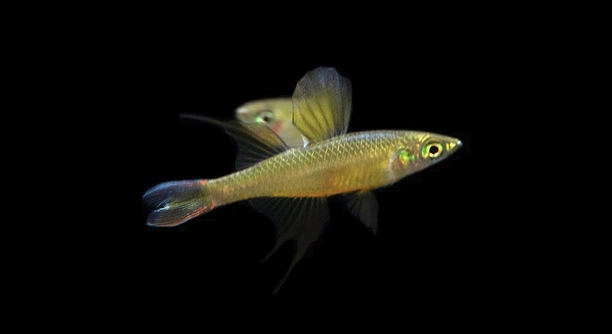
Are your aquariums looking plain but you want to keep your threadfin swimmers safe? Finding decorations that are gentle on delicate fins can be challenging yet essential for a healthy tank environment.
Soft decorations such as silk plants, smooth pebbles, sponge caves, floating moss mats, soft driftwood, cotton-based ornaments, and gentle fabric hides provide enrichment without sharp edges or rough surfaces, minimizing risk of fin damage and promoting natural swimming behaviors.
These soft additions can transform your tank into a lively yet safe space, making it easier to care for your threadfin swimmers effectively.
Silk Plants
Silk plants are a safe and versatile option for threadfin swimmers. Unlike plastic decorations, silk leaves are soft and flexible, which prevents fin tears. They come in various sizes and colors, allowing you to create a visually appealing tank without compromising fish safety. Placement is important; secure larger plants at the bottom or corners to avoid floating disruptions. Regular cleaning keeps the plants free from algae or debris, maintaining water quality. These plants also provide hiding spots, reducing stress for your fish. Silk plants mimic natural foliage, encouraging natural behavior such as exploring, resting, or lightly grazing. They are lightweight and can be moved around easily when adjusting tank layout. Unlike real plants, they require no special lighting or substrate, making them low-maintenance. Their durability ensures they last a long time without deteriorating or fraying, offering consistent protection for your threadfin swimmers. Overall, silk plants combine safety, aesthetics, and convenience.
They provide gentle surfaces while enhancing tank aesthetics, making them an ideal decoration for delicate fish.
Silk plants fit into any tank style, from minimal setups to heavily decorated environments. They allow flexibility in design and easy maintenance. Threadfin swimmers can move freely around the plants, reducing the risk of injury. By choosing silk over plastic, you maintain both beauty and safety in your aquarium.
Smooth Pebbles
Smooth pebbles are another safe option for aquariums with threadfin swimmers. Avoid sharp or jagged stones that can cut fins.
Smooth pebbles provide natural texture and a soft substrate for fish to swim over. They create a stable base for other decorations and prevent injuries. Using pebbles of consistent size ensures fish do not get trapped or stressed. They can be arranged in patterns or spread evenly across the tank bottom. Unlike coarse gravel, smooth pebbles are gentle on delicate fins and allow fish to glide across without friction. They also aid in biological filtration by offering surface area for beneficial bacteria. Pebbles are easy to clean and maintain, reducing waste buildup. Selecting natural colors enhances the visual appeal of the aquarium without overwhelming the fish. Combining pebbles with silk plants or soft driftwood creates a harmonious environment that supports both fish health and tank design. Smooth pebbles are a practical, long-lasting, and fish-friendly decoration choice.
Sponge Caves
Sponge caves offer soft hiding spots that are completely safe for threadfin swimmers. They prevent fin damage while giving fish a sense of security.
These caves are made from porous, soft materials that won’t scratch fins or bodies. They come in various shapes and sizes, allowing for customization in tank layout. Fish enjoy exploring these spaces, and they can reduce stress by providing retreat areas. Sponge caves are lightweight, easy to clean, and resistant to algae buildup. Their porous structure also encourages beneficial bacteria growth, helping maintain water quality. Unlike hard decorations, sponge caves do not chip or break, ensuring long-term safety for delicate fish. Placement near plants or open swimming areas allows fish to move freely while still having protective cover. Regular inspection ensures there are no tears or wear that could cause harm. These caves are both functional and visually unobtrusive, blending naturally with other tank elements.
Threadfin swimmers benefit from these soft retreats, improving both safety and comfort in the aquarium.
Sponge caves create secure, accessible spaces while enhancing tank design. Fish use them for hiding, resting, and exploring safely.
Floating Moss Mats
Floating moss mats provide gentle surfaces for swimming and resting, preventing injury to delicate fins. They also enhance oxygen levels and natural tank aesthetics.
These mats float on the surface or just below, offering cover and reducing stress. Threadfin swimmers can navigate through or rest under them without risk of cuts or abrasions. Moss mats also help control light intensity and reduce algae growth by limiting direct sunlight. They are lightweight, easy to move, and compatible with other soft decorations such as silk plants or sponge caves. Regular trimming prevents overgrowth and maintains water circulation. Moss mats mimic natural habitats, encouraging natural behavior like grazing and exploring. Their texture is soft, creating an inviting surface for fish to interact with while ensuring no harm comes to their delicate fins. The addition of floating moss mats adds both functionality and a calming, natural look to any aquarium setting.
Soft Driftwood
Soft driftwood provides natural decoration without sharp edges, making it safe for threadfin swimmers. It adds structure and visual interest while remaining gentle on fins.
Driftwood also helps maintain water quality by releasing natural tannins. These tannins slightly lower pH, creating a more stable and comfortable environment for fish.
Cotton-Based Ornaments
Cotton-based ornaments are lightweight and soft, designed specifically for delicate fish. They prevent tearing and offer safe hiding spots.
These ornaments can be shaped into various forms, such as small tunnels or decorative objects. They are easy to move and clean, blending naturally with plants and pebbles, while adding texture without harming threadfin swimmers.
Gentle Fabric Hides
Gentle fabric hides create cozy retreats for threadfin swimmers. The soft material ensures fins remain uninjured.
Fabric hides come in various sizes and designs, providing both functional cover and aesthetic appeal. They can be combined with moss mats or sponge caves to create layered, safe environments for your fish.
FAQ
What types of decorations are safest for threadfin swimmers?
Soft and smooth decorations are ideal. Options like silk plants, sponge caves, smooth pebbles, floating moss mats, soft driftwood, cotton-based ornaments, and gentle fabric hides reduce the risk of fin tears or injuries. Avoid plastic or sharp-edged items that can damage delicate fins.
How often should I clean these soft decorations?
Regular cleaning is important. Soft decorations can accumulate algae or debris that impact water quality. Gently rinse silk plants, moss mats, and fabric hides with tank water during maintenance. Avoid harsh chemicals, which can harm fish or remove beneficial bacteria. Sponge caves and cotton ornaments should also be inspected for wear and cleaned carefully.
Can threadfin swimmers interact with floating moss mats safely?
Yes. Moss mats provide a soft surface for swimming and resting, reducing stress and supporting natural behavior. They also help filter water and limit light exposure. Trimming mats prevents overgrowth and ensures proper water circulation. Mats can be repositioned easily without harming fish.
Are soft driftwood decorations necessary in a tank?
Soft driftwood adds structure and visual appeal while remaining safe for fins. Its tannins slightly adjust water pH, which can help create a stable environment. Driftwood can serve as a base for plants or other soft decorations, improving tank layout and encouraging exploration.
Do silk plants require special lighting or substrate?
No. Unlike live plants, silk options do not need specific lighting or soil. They are low-maintenance and durable, making them practical for any tank setup. They offer hiding spots, enrichment, and aesthetic value without demanding extra care.
How do sponge caves improve fish wellbeing?
Sponge caves provide soft, porous shelters that reduce stress and prevent injuries. Fish can explore, hide, and rest safely. The porous material also encourages beneficial bacteria growth, supporting water quality and creating a more natural environment for threadfin swimmers.
Can cotton-based ornaments wear out over time?
Yes. Cotton-based decorations are soft but may fray or tear with extended use. Regular inspection is necessary to ensure they remain safe. Replacing worn ornaments maintains a safe and comfortable habitat while preserving the tank’s appearance.
Is it safe to mix different soft decorations in one tank?
Absolutely. Combining silk plants, moss mats, sponge caves, and gentle fabric hides creates a diverse, stimulating environment. Layering soft textures allows fish to explore without risk of injury while enhancing visual appeal. Proper placement ensures easy swimming and reduces overcrowding.
How do I maintain water quality with these decorations?
Soft decorations can trap debris if not cleaned periodically. Regular water changes, gentle rinsing of silk plants and moss mats, and inspection of sponge caves and fabric hides help maintain cleanliness. Maintaining a filter and monitoring water parameters ensures a safe environment for delicate fins.
Can soft decorations reduce stress in threadfin swimmers?
Yes. Providing soft hiding spots and gentle surfaces mimics natural habitats. Fish feel secure and are less likely to exhibit fin-clamping or erratic swimming behaviors. Decorations like moss mats, sponge caves, and driftwood encourage natural exploration while keeping them safe from injury.
How do I choose the right size for soft decorations?
Choose sizes that match your tank and fish. Large silk plants or sponge caves should not overcrowd swimming space, while smaller cotton ornaments or moss mats should provide shelter without causing obstacles. Proper sizing ensures safety, accessibility, and ease of maintenance.
Are there decorations I should avoid entirely?
Avoid sharp, rough, or heavy items that could injure fins. Glass, jagged rocks, or plastic with sharp edges may cause cuts. Stick to soft, smooth, or flexible materials to create a safe, stress-free environment for threadfin swimmers.
Can soft decorations enhance the tank visually?
Yes. Silk plants, moss mats, and driftwood add color, texture, and depth without compromising safety. Combining different shapes and heights creates a balanced, natural-looking aquarium while keeping delicate fins protected.
How often should I rearrange decorations?
Occasional rearranging can stimulate fish activity and exploration. Move decorations gently to avoid stress or damage. Ensure that soft items remain secure and that swimming paths are clear to maintain a safe environment for threadfin swimmers.
Do soft decorations support fish breeding?
Soft hiding spots and gentle surfaces can encourage natural behaviors, including spawning. Fish feel secure laying eggs in sponge caves or among moss mats. Providing a variety of safe areas helps reduce stress during breeding periods and increases the likelihood of successful reproduction.
Can I combine live and artificial soft decorations?
Yes. Live plants can complement silk or moss mats, creating a balanced and safe environment. Ensure that live plants do not have sharp edges or strong roots that could harm fins. Combining both types allows for enrichment, hiding spaces, and aesthetic appeal.
Are soft decorations suitable for all tank sizes?
They are versatile. Small tanks benefit from carefully sized silk plants or moss mats, while larger tanks can accommodate multiple sponge caves or driftwood pieces. The key is maintaining open swimming space and ensuring each decoration is safe for threadfin swimmers.
How do I prevent decorations from floating or moving unexpectedly?
Secure heavier items like driftwood or anchor silk plants properly. Floating mats or lighter ornaments can be gently weighted or trimmed to prevent excessive movement. Stable placement ensures fish can swim safely without being startled or injured.
Can these decorations impact water chemistry?
Soft decorations like silk, sponge, and fabric generally do not affect water chemistry. Driftwood releases tannins, slightly lowering pH, which can be beneficial. Regular monitoring ensures that any changes remain within safe ranges for threadfin swimmers.
Do threadfin swimmers prefer any particular type of decoration?
They tend to explore soft hiding spots and gentle surfaces. Each fish may have individual preferences, but providing a mix of silk plants, sponge caves, and moss mats typically satisfies their need for shelter, exploration, and resting areas.
How can I tell if a decoration is causing stress or harm?
Watch for signs like torn fins, clamped fins, or unusual swimming patterns. Inspect decorations for sharp edges, wear, or fraying. Adjust placement or replace items as needed to maintain a safe, stress-free tank environment.
What is the long-term benefit of using soft decorations?
Soft decorations reduce fin injuries, lower stress, and support natural behavior. They enhance tank aesthetics while being easy to maintain. Over time, fish remain healthier, more active, and display better coloration, making these decorations a worthwhile investment for threadfin swimmers.
Can I create a completely natural look with soft decorations?
Yes. Combining silk plants, moss mats, soft driftwood, and sponge caves can mimic natural habitats. Carefully layering textures and varying heights creates depth and interest without compromising fin safety. Soft decorations allow for a realistic, fish-friendly aquarium environment.
How do I integrate new soft decorations into an established tank?
Rinse new decorations thoroughly and inspect for any rough spots. Introduce them gradually, placing them in less-trafficked areas initially. Observe fish reactions and adjust placement as needed to ensure comfort and safety. Integration should be gentle to avoid stress or injury.
Are there budget-friendly soft decoration options?
Yes. Silk plants, smooth pebbles, and basic sponge caves are widely available and affordable. DIY cotton-based ornaments or repurposed soft fabric hides can also work if properly cleaned and secured. Cost-effective choices can still provide safe, functional, and visually appealing options.
How do I balance aesthetics and safety?
Prioritize smooth, soft surfaces while considering visual appeal. Layer silk plants, moss mats, and sponge caves for depth, and use natural colors to mimic the fish’s environment. The key is maintaining open swimming space while providing safe hiding spots and enrichment.
Do soft decorations affect fish feeding behavior?
They can encourage natural foraging and grazing. Threadfin swimmers may explore silk plants or moss mats while searching for food. Providing soft decorations in feeding areas can reduce stress and promote healthier, more natural feeding behavior.
How often should I replace soft decorations?
Replace items when they show signs of wear, fraying, or algae buildup that cannot be cleaned. Regular inspection ensures a consistently safe and comfortable environment for threadfin swimmers, maintaining both aesthetics and fish wellbeing.
Can soft decorations help shy or nervous fish?
Yes. Providing hiding spots such as sponge caves, moss mats, or fabric hides allows shy fish to feel secure. Safe retreats reduce stress, encourage natural exploration, and improve overall health by preventing injury or aggressive encounters.
Do decorations need to match the fish species?
While soft decorations are generally safe for many fish, consider size and activity level. Threadfin swimmers benefit from soft, smooth surfaces and open swimming space. Decorations that are too dense or sharp can be harmful regardless of appearance.
Are there seasonal considerations for decorations?
Soft decorations are largely stable year-round. Driftwood may release more tannins in warmer water, and moss mats may grow faster with higher light. Monitoring and trimming ensure that all items remain safe and do not affect water quality.
Can I use soft decorations in tanks with multiple species?
Yes. Soft decorations are generally safe for most peaceful species. Ensure that decorations are large enough to prevent smaller fish from getting trapped and that all fish have access to open swimming areas. Avoid sharp or rough items.
What materials should I avoid for delicate fins?
Avoid glass, rough rocks, jagged plastic, and resin items with sharp edges. Stick to silk, sponge, cotton, soft driftwood, and fabric hides for safe, injury-free environments. Safety is more important than appearance when it comes to delicate fins.
How do I monitor the condition of soft decorations over time?
Check for fraying, algae buildup, and wear monthly. Gently rinse or trim as needed. Remove or replace items that show deterioration. Keeping decorations in good condition ensures continued protection for threadfin swimmers and maintains tank hygiene.
Can soft decorations help prevent aggression?
Yes. Hiding spots and soft surfaces reduce stress, territorial disputes, and aggression by providing fish with safe areas to retreat. A well-decorated tank encourages calm behavior and improves overall fish interaction.
How do I balance decoration density and swimming space?
Avoid overcrowding by leaving ample open swimming areas. Place soft decorations along tank edges, corners, or in layered arrangements. Fish need both hiding spots and space to swim freely, so thoughtful placement is essential for health and wellbeing.
Are soft decorations suitable for breeding tanks?
Yes. They provide gentle surfaces and secure hiding spots for eggs or fry. Sponge caves, moss mats, and fabric hides allow fish to breed without risking fin injury or stress, supporting reproductive behavior safely.
Can soft decorations support juvenile fish?
Absolutely. Juvenile threadfin swimmers are particularly delicate. Soft decorations provide safe exploration areas, reduce injury risk, and allow young fish to grow in a protected environment without sharp edges or abrasive surfaces.
Do decorations need regular rotation?
Occasional rotation can encourage exploration and prevent boredom. Gently move silk plants, sponge caves, or moss mats to new locations. Keep open swimming space clear while maintaining safe, accessible hiding spots to reduce stress.
Can I combine decorations of different textures safely?
Yes. Combining silk plants, sponge caves, driftwood, and fabric hides creates a stimulating environment. Ensure all textures are soft, smooth, and safe for fins. The combination provides enrichment, shelter, and visual variety without risk of injury.
Do soft decorations require special care during water changes?
No special care beyond gentle rinsing is needed. Avoid harsh scrubbing or chemicals. Maintaining soft decorations during water changes ensures cleanliness while protecting delicate materials and fish safety.
How do I prevent mold or decay in soft decorations?
Regular rinsing and inspection prevent mold growth. Avoid prolonged exposure to stagnant water outside the tank. Replacing worn or damp fabric hides and cotton ornaments ensures a healthy environment. Proper maintenance prevents decay and supports fish wellbeing.
Can soft decorations help maintain natural behavior in captivity?
Yes. Providing gentle surfaces and hiding spots encourages exploration, resting, and foraging. Soft decorations mimic natural habitats, reducing stress and promoting behavior similar to what fish would display in the wild.
Are soft decorations compatible with filters and pumps?
Yes, but placement is key. Ensure decorations do not obstruct flow or get trapped in pumps. Soft items like moss mats or sponge caves can be positioned safely while maintaining adequate water circulation.
Do soft decorations affect water temperature?
No. Materials such as silk, sponge, fabric, and driftwood do not impact water temperature. Proper tank heating and monitoring remain essential, while soft decorations focus on safety and enrichment.
How can I make a tank visually appealing with soft decorations?
Combine textures, heights, and colors. Use silk plants for vertical interest, moss mats for horizontal coverage, and sponge caves or fabric hides for depth. Layering soft decorations enhances aesthetics while keeping fins safe.
Are there alternatives to store-bought soft decorations?
Yes. DIY options using clean, soft cotton or fabric can work if properly sanitized. Smooth stones or natural driftwood can be added carefully. Ensure safety by avoiding sharp edges or toxic materials.
Do soft decorations reduce stress better than hard decorations?
Generally, yes. Smooth, flexible, and soft materials prevent fin injury, allow safe hiding, and mimic natural conditions. Hard or rough items may increase stress due to risk of cuts or abrasions.
Can I use soft decorations in nano tanks?
Yes, with careful sizing. Small silk plants, moss mats, or sponge caves work well. Avoid overcrowding and maintain open swimming areas to ensure safety and natural movement for threadfin swimmers.
How do I prevent algae growth on soft decorations?
Regular cleaning, controlling light exposure, and occasional trimming of moss mats help prevent algae buildup. Silk plants, sponge caves, and fabric hides should be rinsed gently during maintenance to keep them clean.
Are there any health risks associated with soft decorations?
If properly maintained, soft decorations are low-risk. Risks arise if items fray, collect debris, or harbor mold. Regular inspection and cleaning ensure safety and maintain a healthy tank environment.
Do soft decorations require special storage outside the tank?
Yes. Keep them dry and clean to prevent mold or decay. Store silk plants, fabric hides, and cotton ornaments in a safe place when not in use. Proper storage extends their lifespan.
Can soft decorations support tank plants?
Yes. Driftwood, moss mats, and sponge caves can anchor or complement live plants. They provide structure while maintaining a safe environment for delicate fins. Combining soft decorations with plants enhances both aesthetics and functionality.
Are soft decorations suitable for beginner aquarists?
Yes. They are easy to use, maintain, and safe for delicate fish. Soft decorations allow beginners to create attractive, functional tanks without complex setups or risk of fin injury.
How can I test the safety of a new decoration?
Run your fingers along surfaces to check for rough edges. Rinse thoroughly, observe fish reactions, and ensure decorations do not obstruct swimming paths. Soft, smooth, and flexible materials are generally safe.
Can soft decorations help reduce aggression in community tanks?
Yes. They provide hiding spots and visual barriers that minimize territorial disputes. Soft, accessible decorations reduce stress and improve coexistence among different species.
Do soft decorations need special adhesives or attachments?
No. Most soft items are lightweight and stable without adhesives. Driftwood can be anchored, and moss mats can float naturally. Avoid glue or chemicals that could harm fish.
Are soft decorations reusable if moved between tanks?
Yes. Proper cleaning and inspection make them reusable. Rinse and sanitize before introducing to a new tank to ensure safety and prevent contamination.
Can soft decorations be used in outdoor ponds?
Yes, but consider durability. Silk plants may degrade in direct sunlight. Sponge caves, driftwood, and cotton-based ornaments can be used carefully, ensuring water quality and fish safety are maintained.
How do I know if my fish are using the decorations effectively?
Observe swimming, resting, and hiding behaviors. Fish should explore silk plants, moss mats, and sponge caves without signs of stress or injury. Consistent use indicates comfort and safety.
Do soft decorations require special filtration considerations?
No major adjustments are needed. Ensure flow is not obstructed, and monitor water quality as usual. Soft decorations do not interfere with filtration but should be placed to allow proper circulation.
Can soft decorations improve fish coloration?
Yes. Reduced stress and safer swimming environments support healthier fish. Comfortable surroundings allow natural behaviors, which can enhance overall coloration and vibrancy.
Are there any long-term maintenance tips for soft decorations?
Inspect regularly, rinse gently, trim moss mats, replace worn items, and monitor water quality. Maintaining decorations ensures continued safety, aesthetics, and fish wellbeing over time.
Do soft decorations provide enrichment for threadfin swimmers?
Yes. They encourage exploration, resting, hiding, and natural behaviors. Silk plants, sponge caves, moss mats, and fabric hides offer stimulation without risk of injury.
Can soft decorations help acclimate new fish?
Yes. Providing gentle hiding spots and soft surfaces reduces stress for new arrivals. Gradual exposure to decorations helps fish settle and explore safely.
How do soft decorations compare to live plants for safety?
Soft artificial items are generally safer for delicate fins. Live plants can have sharp leaves or strong roots, while silk plants, sponge caves, and moss mats provide consistent protection with minimal maintenance.
Are there seasonal maintenance tips for soft decorations?
Yes. Check for faster moss growth in warmer months, monitor driftwood tannin release, and rinse fabric or sponge items regularly. Seasonal adjustments keep decorations safe and functional.
Can soft decorations be used with other fish species besides threadfin swimmers?
Yes. Peaceful species with delicate fins benefit similarly. Always check size, swimming behavior, and compatibility to prevent overcrowding or injury. Soft surfaces remain safe across many community setups.
Do soft decorations require special tools for cleaning?
No. Gentle rinsing with tank water, trimming moss mats, and light scrubbing for sponge caves or driftwood is sufficient. Avoid harsh brushes or chemicals that can damage surfaces or harm fish.
Can soft decorations contribute to oxygenation?
Indirectly, yes. Floating moss mats increase surface agitation, helping gas exchange. Open spaces around soft decorations allow water movement, contributing to a healthier oxygen balance.
Are soft decorations environmentally friendly?
Many are reusable and long-lasting. Silk plants, driftwood, and sponge caves can last years with proper care. Avoid single-use plastics or items with harmful chemicals to ensure eco-friendliness.
Can soft decorations interfere with tank cleaning?
Proper placement prevents obstruction. Silk plants, moss mats, and sponge caves should allow easy access for siphoning or scraping. Regular maintenance ensures cleaning is efficient without removing decorations unnecessarily.
Do soft decorations affect fish schooling behavior?
They can enhance it. Safe hiding spots reduce stress and allow fish to swim in groups without fear of injury. Decorations provide vertical and horizontal structure without blocking movement.
How do I prevent soft decorations from harboring pests?
Rinse new items thoroughly, inspect for algae or snails, and remove debris regularly. Proper maintenance and occasional cleaning prevent unwanted pests while keeping decorations safe.
**Can soft decorations be used in quarantine tanks?
Soft decorations play an important role in creating a safe and comfortable environment for threadfin swimmers. They help prevent injuries by providing smooth surfaces and gentle hiding spots. Unlike hard or jagged objects, soft decorations like silk plants, sponge caves, moss mats, soft driftwood, cotton-based ornaments, and fabric hides reduce the risk of torn fins or scratches. These items also encourage natural behavior, giving fish places to explore, rest, and hide. By providing a mix of textures and shapes, the aquarium becomes both visually appealing and functional. Careful selection ensures that the tank remains safe while still offering enrichment for delicate fish.
Maintenance is simple with soft decorations, making them suitable for both new and experienced fish keepers. Silk plants require occasional rinsing, moss mats need trimming, and sponge caves and fabric hides should be inspected for wear. Regular cleaning prevents algae buildup and keeps the water quality stable, supporting the health of threadfin swimmers. Driftwood may release tannins, which slightly adjust pH, but it also adds a natural look and a place for fish to interact safely. Rotating or rearranging decorations from time to time can provide new stimulation without creating stress. Soft decorations last long when maintained properly, and worn or frayed items can be replaced to maintain a safe environment.
In the long term, soft decorations contribute to the overall wellbeing of threadfin swimmers. Fish that have access to gentle surfaces and secure hiding spots are less stressed, more active, and more likely to display natural behavior. These items also improve tank aesthetics, helping create an environment that looks natural without compromising safety. Combining soft decorations thoughtfully allows for a balance of swimming space and enrichment. Choosing the right sizes, textures, and placements ensures the aquarium meets the needs of the fish while remaining easy to maintain. Investing in soft decorations is a practical way to support both the health and happiness of threadfin swimmers, making the tank safer, more comfortable, and more enjoyable to observe.

Hello,
If you enjoy the content that we create, please consider saying a "Thank You!" by leaving a tip.
Every little bit helps us continue crafting quality advice that supports the health, happiness, and well-being of pets around the world, for pets of all shapes, sizes, and species.
We really appreciate the kindness and support that you show us!