
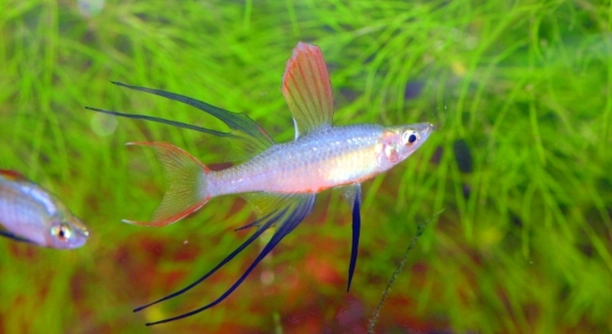
Have you ever observed your Threadfin Rainbowfish during feeding time and noticed some appear more assertive than others around the food?
Threadfin Rainbowfish do display certain hierarchical behaviors while feeding. Dominant individuals often take the prime feeding spots and access food first, while less dominant fish wait or feed on leftovers. This subtle hierarchy helps maintain social order and reduces aggressive encounters.
Understanding these dynamics offers insight into their natural behavior and helps ensure a balanced feeding environment in your aquarium.
Observing Feeding Behavior
When I first watched my Threadfin Rainbowfish at feeding time, I noticed how some fish quickly swam to the center of the tank while others lingered at the edges. The dominant fish would dart in, grab a bite, and then retreat slightly, keeping a watchful eye on the others. Meanwhile, the smaller or less assertive fish waited patiently, only moving in once the prime spots were vacated. Over time, it became clear that this pattern repeated every day. These behaviors are not random; they are part of a social structure that helps the fish reduce conflict and establish clear access to food. By recognizing which fish are dominant, you can adjust feeding strategies, such as spreading food in multiple locations. This allows all fish to eat without constant competition. Observing these interactions can be both fascinating and practical, as it ensures the health and wellbeing of every fish in the aquarium.
The hierarchy among Rainbowfish helps maintain peace during feeding and ensures each fish receives adequate nutrition without constant fighting.
Watching these subtle behaviors made me more aware of how feeding practices influence their social structure. Spreading food and observing reactions helps prevent stress, which is important for their long-term health.
Feeding Strategies for Balanced Access
Placing food in multiple areas of the tank reduces stress among less dominant fish.
To promote fair feeding and support social balance, it helps to scatter food in several locations rather than placing it all in one spot. When food is concentrated in one area, dominant fish often monopolize it, leaving shy or smaller fish underfed. By distributing flakes or pellets evenly across the tank, each Rainbowfish can access food without confrontation. Timing also plays a role; feeding smaller amounts more frequently can prevent sudden competition spikes. Observation is key—notice which fish are consistently missing meals and adjust placement accordingly. Environmental enrichment, like plants or hiding spots, allows less assertive fish to feed comfortably while staying protected. Over time, these strategies encourage calmer feeding sessions, reduce stress-related behaviors, and maintain the natural hierarchy without harming the weaker fish. This approach supports their overall health and keeps the aquarium environment stable and harmonious.
Social Dynamics During Feeding
Dominant Threadfin Rainbowfish often assert themselves immediately, taking prime positions. Less assertive fish feed cautiously, waiting for openings. The hierarchy is subtle but consistent, showing who controls access to food in the tank without aggressive fighting.
Watching these interactions over time reveals clear patterns. Dominant fish frequently move first, snapping up floating pellets while keeping a close eye on the others. Subordinate fish adjust their behavior, often feeding along the edges or near plants. This balance reduces conflict, as the hierarchy signals when to approach or wait. Recognizing these patterns helps in creating feeding routines that accommodate all fish, minimizing stress and promoting healthy growth. Observing daily feeding allows for adjustments in pellet distribution, timing, and tank layout, ensuring all fish get enough nutrition.
It’s fascinating to notice how the hierarchy influences speed, positioning, and interactions. Fish that are lower in rank often find creative ways to access food, waiting patiently near less crowded spots or darting in quickly. This delicate balance keeps the aquarium peaceful and ensures that each fish can eat adequately without constant conflict. By understanding these subtle social dynamics, I’ve been able to fine-tune feeding practices and observe healthier behaviors.
Impact of Tank Setup on Feeding
Dense plants and hiding spots help subordinate fish feed safely. They provide refuge and reduce stress during mealtime.
The arrangement of the tank plays a significant role in feeding behavior. Dense plants, rocks, and other structures offer lower-ranking Rainbowfish safe spaces to approach food without being intimidated by dominant fish. This setup encourages natural feeding behavior while minimizing aggression. Fish can feed along edges or under cover, creating a more even distribution of food. Without such structures, dominant fish often monopolize the central feeding areas, leaving others undernourished. Adjusting tank decorations and placement can significantly influence the social balance, giving all fish access to nutrition and maintaining harmony. Observation is key to seeing which areas work best for feeding.
Over time, I’ve noticed that modifying the tank layout changes how fish interact during meals. Adding extra plants or floating cover shifts the feeding patterns, allowing shy fish to access food without direct confrontation. Subordinate fish appear less stressed and are more willing to explore feeding spots, while dominant fish adjust their behavior, often guarding fewer areas. Consistent monitoring and small adjustments help ensure that all fish thrive, with each member of the school finding their own safe space to eat. This balance improves health, reduces tension, and creates a calmer feeding environment that supports natural Rainbowfish behaviors.
Recognizing Dominant and Subordinate Fish
Dominant Threadfin Rainbowfish are often the first to reach food and hold central positions. Subordinate fish hang back, feeding cautiously or along the edges. Their behavior is consistent and helps maintain a stable social order during mealtimes.
Dominant fish may display subtle displays like quick movements or gentle nudges. Subordinate fish avoid confrontation, timing their feeding carefully. These roles are not aggressive but establish clear access patterns that reduce stress. Observing these behaviors helps in understanding the group’s dynamics and in arranging feeding strategies that ensure all fish receive adequate nutrition.
Adjusting Feeding Techniques
Scattering food in multiple locations allows subordinate fish to feed safely. Feeding smaller portions more frequently prevents dominant fish from monopolizing meals.
Monitoring Fish Health
Watching how each fish approaches food reveals health and stress levels. Sudden changes may indicate illness or social tension.
Continue the article with the following outline. Bold the questions. Do not write an intro for each header, get straight to the point. Do not use a greeting. Make it feel slightly personal. Write in a simplistic style.; Outline: ; FAQ (write at least 500 words); Note: Skip the intro, get straight to the point. The rest of the headers will be provided later, so do not write them yet. Skip the conclusion, and recap. Respect the given word count for every paragraph.
Final Thoughts
Threadfin Rainbowfish display subtle hierarchies during feeding that influence how they interact and access food. Observing these behaviors over time shows clear patterns: dominant fish move quickly to prime feeding spots, while subordinate fish wait for openings or feed along the edges. This social structure is not aggressive in most cases but instead helps maintain balance and reduces conflict in the tank. By understanding these natural interactions, I’ve been able to adjust feeding practices and tank setups to support all fish, ensuring each one receives adequate nutrition without unnecessary stress.
Adjusting the tank environment and feeding techniques has a noticeable impact on their behavior. Scattering food in different locations allows less dominant fish to feed safely without being intimidated. Adding plants, rocks, or other structures creates refuge zones, giving subordinate fish confidence to approach food. Over time, these small adjustments promote a calmer atmosphere where the hierarchy does not hinder access to nutrition. Watching the fish adapt to these changes highlights how sensitive they are to both social dynamics and their environment, which has been enlightening and rewarding.
Paying attention to feeding patterns also helps in monitoring the health and wellbeing of each fish. Sudden changes in behavior, such as a usually active fish avoiding food or remaining isolated, may indicate stress, illness, or imbalance in the hierarchy. Consistently observing interactions allows me to intervene early, adjusting feeding routines, portion sizes, or tank layout to address any issues. This attentive approach not only supports the natural behavior of Threadfin Rainbowfish but also helps maintain a stable, harmonious aquarium where every fish can thrive. Over time, understanding these dynamics has made feeding time smoother and more predictable, creating a healthier and more enjoyable environment for the fish.

Hello,
If you enjoy the content that we create, please consider saying a "Thank You!" by leaving a tip.
Every little bit helps us continue crafting quality advice that supports the health, happiness, and well-being of pets around the world, for pets of all shapes, sizes, and species.
We really appreciate the kindness and support that you show us!