
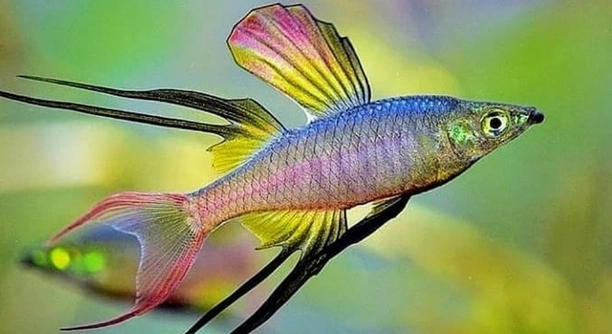
Threadfin Rainbowfish are vibrant, active fish that brighten up any freshwater tank. Observing their daily behavior can be fascinating, especially when they gather in unexpected spots. Their movements often reveal how they respond to their environment.
Threadfin Rainbowfish huddle around the heater primarily due to water temperature. These fish prefer warmer conditions, and when the surrounding water is cooler than their comfort range, they instinctively gather near the heat source to maintain optimal body function and reduce stress.
Learning more about their natural preferences can help you create a more comfortable and healthy tank environment for your Rainbowfish. Proper temperature management supports their overall well-being.
Understanding Threadfin Rainbowfish Behavior
Threadfin Rainbowfish are naturally social and active, and their behavior can often indicate their needs. Huddling near the heater is not just about warmth; it is also a sign of seeking comfort when the water temperature fluctuates. In their natural habitat, they inhabit shallow, slow-moving streams where water remains relatively stable. In a home aquarium, sudden temperature drops or drafts can make them feel insecure. Observing their patterns can help identify whether your tank conditions are ideal. They are sensitive to changes in both temperature and water quality, which can affect their overall activity, feeding habits, and coloration. By ensuring a steady, warm temperature and stable water chemistry, you encourage normal swimming behavior and maintain their bright colors. Regular monitoring of tank conditions prevents prolonged stress, which can lead to health problems and reduce lifespan. Huddling behavior is a simple but effective indicator of how comfortable they feel in their environment.
Maintaining consistent temperature ensures the fish remain active and healthy, reducing stress and improving coloration in your aquarium.
Recognizing these subtle signals helps you make informed adjustments. For instance, if you notice the Rainbowfish clustering only at the heater during the day, it may indicate a minor drop in water temperature. On the other hand, clustering at night might suggest cooler nighttime temperatures or drafts near the tank. Using a reliable thermometer and adjusting the heater placement can maintain stability. Additionally, consistent feeding schedules, proper tank filtration, and avoiding sudden environmental changes all contribute to their comfort. Over time, observing behavior patterns allows you to anticipate their needs before problems arise. Keeping a record of temperature readings and behavior notes can be surprisingly helpful. Threadfin Rainbowfish respond quickly to stable conditions, becoming more active, displaying brighter colors, and showing less clustering near the heater. Understanding these habits allows you to create a thriving environment where your fish can live a longer, healthier life.
Tips to Reduce Heater Clustering
A well-maintained heater and stable tank conditions prevent excessive clustering near the heat source.
To minimize huddling, maintain a consistent temperature appropriate for Threadfin Rainbowfish, typically between 75–82°F. Avoid placing the tank near drafts or air conditioning vents that can create temperature fluctuations. Regular water changes help maintain stability in water chemistry, which reduces stress. It is also helpful to monitor the heater for malfunctions or uneven heat distribution. Spacing decorations and plants evenly allows the fish to swim freely without feeling restricted, encouraging them to explore other areas of the tank. Adding gentle water flow can mimic natural conditions, promoting activity and reducing time spent near the heater. Additionally, feeding the fish at consistent intervals ensures they remain engaged and healthy, which can further decrease clustering behavior. Observing their behavior after adjustments will help confirm that conditions are ideal and that the fish are comfortable.
Adjusting Tank Temperature
Maintaining a steady temperature is key to preventing Threadfin Rainbowfish from clustering near the heater. Sudden drops or uneven warmth can trigger stress, so using a reliable thermometer and adjusting the heater accordingly ensures the fish stay comfortable and active.
Gradually increasing or decreasing the tank temperature helps the fish acclimate without shock. Sudden changes can lead to lethargy, loss of appetite, and weakened immunity. Ideally, maintain temperatures between 75–82°F. Position the heater away from direct currents or tank openings to avoid hot or cold spots. Monitoring the tank daily allows you to spot fluctuations early and correct them promptly. Consistent temperature supports swimming activity, feeding behavior, and overall health.
Observing their response to temperature changes provides insight into their comfort. If huddling decreases after adjusting the heater or correcting drafts, it confirms that the clustering was temperature-related. Combining stable heat with proper water quality creates a more balanced environment. Over time, the Rainbowfish will explore more of the tank, display vivid colors, and reduce stress behaviors. Careful management of temperature allows them to thrive naturally.
Enhancing Tank Environment
Adding plants and decorations encourages Rainbowfish to move away from the heater and explore other areas of the tank. Proper placement reduces stress and creates hiding spots.
Plants, driftwood, and rocks can simulate a natural habitat, providing shelter and visual barriers. These elements break up open spaces, giving the fish safe zones and encouraging swimming throughout the tank rather than remaining near the heater. Additionally, live plants help regulate water quality by absorbing nitrates and offering oxygen. Decorations should not overcrowd the tank, as adequate swimming space is essential. Balanced lighting and gentle water flow can further replicate natural conditions, stimulating normal behavior.
A varied tank environment also supports social interactions among Rainbowfish. By placing plants and ornaments strategically, you promote group swimming, reduce competition, and prevent territorial disputes. A thoughtful arrangement encourages exploration, feeding activity, and overall well-being. Combining environmental enrichment with temperature stability ensures a healthier, happier aquarium where Threadfin Rainbowfish thrive and display their natural colors and patterns consistently.
Monitoring Water Quality
Regular water testing helps prevent Threadfin Rainbowfish from gathering near the heater due to stress. Poor water quality can make them seek warmer, more stable areas in the tank, so keeping parameters consistent is crucial for their well-being.
Maintaining proper pH, ammonia, nitrite, and nitrate levels ensures a healthy environment. Frequent partial water changes support stability, preventing sudden spikes in harmful substances. Clean substrate and proper filtration reduce debris accumulation, which can affect water clarity and quality. Healthy water encourages normal swimming patterns, reduces clustering near the heater, and promotes vibrant coloration.
Feeding Practices
Providing a consistent feeding schedule prevents Rainbowfish from lingering near the heater out of inactivity or stress. Proper nutrition supports energy levels and overall health.
Observing Behavior Patterns
Noticing when and how often the fish huddle near the heater can indicate underlying issues. Changes in behavior may reveal temperature fluctuations, water quality problems, or illness.
Tank Layout Adjustments
Rearranging decorations and plants can reduce heater clustering. Giving the fish more swimming space and hiding spots encourages exploration and natural activity.
FAQ
Why do Threadfin Rainbowfish huddle at the heater even if the water seems warm?
Even if the water looks warm, small fluctuations can make them uncomfortable. Rainbowfish are sensitive to changes and will gather near the heater to maintain a stable, comfortable temperature. This behavior is natural and helps reduce stress and conserve energy.
Can clustering near the heater harm my Rainbowfish?
Huddling itself is not harmful, but prolonged clustering may indicate an issue with water temperature or quality. Constant stress can weaken immunity, reduce appetite, and affect coloration. Observing the fish and adjusting tank conditions prevents potential health problems.
What is the ideal temperature for Threadfin Rainbowfish?
The preferred range is between 75–82°F. Keeping the temperature stable within this range encourages normal swimming patterns, proper feeding behavior, and vibrant coloration. Avoid sudden increases or drops, as they can cause stress.
How do I know if my heater is working properly?
Use a reliable aquarium thermometer to check water temperature daily. If you notice inconsistent readings or the fish continue huddling at the heater, it may not be distributing heat evenly. Regular maintenance and inspection prevent malfunctions.
Can water quality affect their behavior around the heater?
Yes, poor water quality often drives Rainbowfish to seek stable areas, including near the heater. Testing for ammonia, nitrite, nitrate, and pH levels regularly ensures a safe environment. Partial water changes and proper filtration maintain balance.
Do other environmental factors influence heater clustering?
Drafts from open windows or air conditioning vents can create cooler spots, causing fish to gather near the heater. Tank placement, lighting, and water flow also play a role in their comfort. Adjusting these factors can reduce clustering.
Will adding decorations help reduce clustering?
Yes, adding plants, driftwood, and rocks creates hiding spots and visual barriers. This encourages exploration of the entire tank, rather than staying near the heater. Be careful not to overcrowd the tank; swimming space is essential.
How often should I feed my Threadfin Rainbowfish?
Feeding small portions two to three times daily keeps energy levels steady. Regular feeding prevents lethargy and reduces the tendency to cluster near the heater out of inactivity. Observing their response helps fine-tune portion sizes.
Can illness cause them to stay near the heater?
Yes, sick or stressed fish often gather near warmth for comfort. If huddling persists despite stable conditions, watch for signs of disease such as faded colors, clamped fins, or reduced activity, and address the problem promptly.
Is it normal for them to huddle at night?
It can be normal if nighttime temperatures drop slightly. Ensuring consistent heat and avoiding drafts keeps them comfortable throughout the day and night. A small heater adjustment or insulating the tank can help maintain stable temperatures.
How do I balance temperature and water flow?
Strong currents can push fish toward the heater for stability. Gentle, even water flow mimics natural conditions and encourages normal swimming patterns. Adjust filters or pumps to create a comfortable balance between movement and warmth.
Can clustering behavior be reduced with consistent observation?
Yes, monitoring their daily habits reveals patterns related to feeding, temperature, or environmental stress. Addressing small issues early prevents prolonged clustering and promotes healthy, active behavior. Keeping a simple log of water readings and behavior can be surprisingly effective.
Should I worry if clustering decreases after changes?
No, reduced clustering usually indicates the Rainbowfish feel more comfortable. Stable temperature, clean water, proper decorations, and consistent feeding all contribute to a balanced environment where the fish explore more freely and display their natural colors.
How can I make my tank more comfortable overall?
Maintain steady temperature, clean water, gentle flow, and thoughtful decoration placement. Provide consistent feeding and monitor behavior patterns. These adjustments collectively create a stable environment, helping Rainbowfish reduce huddling and thrive naturally.
Are there signs that my adjustments are working?
Yes, active swimming, bright colors, normal feeding behavior, and reduced clustering near the heater indicate that your Rainbowfish are comfortable and healthy. Observing these signs helps ensure long-term well-being in the tank.
Final Thoughts
Threadfin Rainbowfish are naturally active and social fish, and their behavior in an aquarium often reflects how comfortable they feel. Huddling near the heater is a common behavior that signals their need for warmth and stability. While it may seem concerning at first, this clustering is usually a normal response to temperature fluctuations or environmental changes. Observing where and when they gather can give important clues about their comfort levels. Consistently warm water, stable conditions, and a safe environment help Rainbowfish maintain normal swimming patterns and vibrant colors. Paying attention to their behavior allows you to anticipate issues before they become serious, ensuring a healthier, longer life for your fish.
Maintaining a proper tank environment involves balancing several factors, including temperature, water quality, feeding, and layout. Using a reliable heater and thermometer helps keep temperatures within the preferred range of 75–82°F. Regular water testing ensures that ammonia, nitrite, nitrate, and pH levels remain safe. Partial water changes and proper filtration prevent harmful buildups and support a stable environment. Providing enough space, plants, and decorations encourages exploration and reduces stress. Consistent feeding schedules keep energy levels steady, preventing lethargy or excessive clustering near the heater. By combining these practices, you create a tank where Rainbowfish feel secure, active, and healthy. Over time, small adjustments in care can make a significant difference in their overall behavior and well-being.
Observing Rainbowfish daily can be surprisingly informative. Noticing when they huddle, swim actively, or interact with one another helps you fine-tune tank conditions. Behavior patterns can reveal underlying issues, such as temperature inconsistencies, water quality problems, or even early signs of illness. Making small, thoughtful changes based on these observations helps reduce clustering and improves the overall quality of life for the fish. By keeping the tank stable, comfortable, and enriched with hiding spots and decorations, the fish are more likely to explore, feed normally, and display their natural, vibrant colors. Prioritizing these care habits ensures that your Threadfin Rainbowfish thrive in a balanced, healthy environment, making their aquarium a more lively and visually appealing space.

Hello,
If you enjoy the content that we create, please consider saying a "Thank You!" by leaving a tip.
Every little bit helps us continue crafting quality advice that supports the health, happiness, and well-being of pets around the world, for pets of all shapes, sizes, and species.
We really appreciate the kindness and support that you show us!