
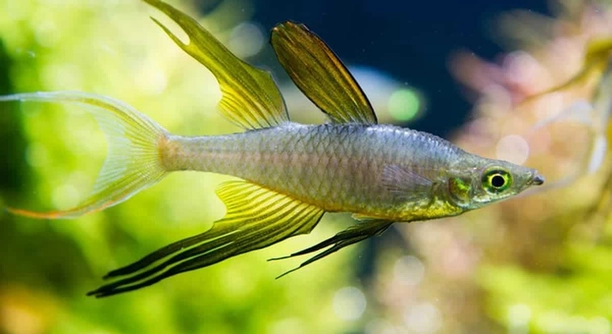
Threadfin Rainbowfish are small, colorful freshwater fish often admired for their lively behavior and shimmering scales. Their active nature makes them a favorite among aquarists who enjoy observing their interactions and daily routines in a home aquarium.
Threadfin Rainbowfish demonstrate associative learning, allowing them to recognize feeding cues and anticipate food. They respond consistently to visual, auditory, or environmental signals linked to feeding times, indicating a measurable awareness of when they are about to be fed.
Observing their responses can reveal fascinating patterns of behavior and highlight the ways these fish interact with their surroundings. Their reactions offer insights into both care and enrichment.
Recognizing Feeding Patterns
Threadfin Rainbowfish quickly learn routines and signals associated with feeding. Over time, they respond to specific visual or auditory cues, such as the sight of a food container or the sound of water movement. In my own aquarium, I noticed that even subtle changes in light or shadows near the tank prompted them to gather near the surface, anticipating food. This behavior shows that these fish can form associations between their environment and expected events. Regular feeding at consistent times strengthens this connection, allowing them to predict meals more accurately. Observing these responses can be rewarding, as it highlights their intelligence and awareness. Their activity levels rise noticeably before feeding, and they often swim eagerly around areas where food is usually offered. This anticipatory behavior reflects a natural adaptation that helps them take advantage of available resources efficiently. By paying attention, caretakers can notice the small cues that indicate the fish are aware of feeding times.
Their ability to recognize patterns demonstrates both intelligence and adaptability, making daily interactions more engaging and predictable.
Understanding feeding patterns can improve care and reduce stress. Maintaining consistency in timing and methods ensures fish remain healthy and active. Adjusting environmental cues can enhance their anticipation without causing anxiety, leading to a more harmonious tank atmosphere.
Environmental Cues and Anticipation
Fish react strongly to changes in their surroundings that signal feeding.
Threadfin Rainbowfish rely on subtle environmental cues to anticipate food. Changes in light, shadows, water movement, or the approach of a caretaker can trigger excitement and activity near feeding areas. In my experience, they often swim in circles near the surface or gather at specific corners of the tank just before being fed. These responses are not random but are learned behaviors reinforced over repeated exposure to consistent routines. Associating environmental signals with positive outcomes, like receiving food, helps them understand their surroundings more fully. Observing these cues can also guide caretakers in maintaining consistent feeding schedules, enhancing the fish’s well-being. Providing small variations in feeding locations or presentation can stimulate natural behaviors without disrupting their sense of security. Environmental cues play a crucial role in their daily patterns, highlighting the importance of attentive care and structured routines to support their overall health.
Feeding Frequency and Behavior
Regular feeding helps Threadfin Rainbowfish maintain energy and display natural behaviors. Too few meals can make them lethargic, while overfeeding can pollute the tank and harm their health. Observing their appetite ensures the right balance.
In my tank, I feed my Threadfin Rainbowfish twice daily with small portions. This schedule keeps them active and prevents overeating. I noticed that when feeding times were consistent, the fish would swim toward the surface minutes before food arrived. This behavior reflects both memory and anticipation, showing they can recognize and expect meals. Feeding small amounts more frequently supports their metabolism, reduces waste, and keeps water quality stable. Watching them respond to routine makes feeding times engaging and helps me track their health. Adjusting portions based on activity and growth ensures they remain vibrant and energetic.
Overfeeding can cause digestive issues, cloud the water, and stress the fish. Keeping portions controlled and consistent helps them thrive while maintaining a clean environment. Feeding routines also reinforce recognition of cues, making their behavior predictable and easier to monitor.
Visual and Auditory Signals
Threadfin Rainbowfish react quickly to visual and auditory cues, linking them to feeding. Movement near the tank or tapping sounds can trigger anticipation.
They learn to associate specific signals with mealtime. In my experience, even the sound of the food container being handled prompts them to gather at the surface. Visual cues, like shadows or changes in light near the tank, also encourage them to swim actively toward expected feeding spots. These learned responses highlight their ability to adapt and anticipate positive outcomes. Over time, consistent cues help the fish feel secure and maintain a predictable routine, reducing stress. Observing these behaviors allows caretakers to gauge both appetite and overall health. Environmental signals become an integral part of their daily rhythm, shaping behavior naturally.
Using visual and auditory cues consistently enhances feeding efficiency and stimulates natural behavior. Incorporating small variations, such as slight movement changes or varying light angles, encourages alertness without causing confusion. Maintaining consistency in these cues helps Threadfin Rainbowfish stay engaged, active, and healthy, while also making it easier to detect changes in behavior that may indicate health concerns. Proper management of signals strengthens their ability to anticipate food accurately and fosters a responsive, lively tank environment.
Reaction to Feeding Times
Threadfin Rainbowfish show clear responses to regular feeding times. They often gather near the surface or swim actively in anticipation. Observing this behavior helps gauge their health and reinforces the importance of maintaining consistent feeding schedules.
Predictable feeding times allow the fish to develop a routine. When meals are irregular, they may become stressed or less active. Consistency improves both their behavior and overall well-being, creating a calm and organized tank environment for everyone.
Learning and Memory
Threadfin Rainbowfish display memory skills by associating cues with food. In my experience, they remember where food is usually offered and respond quickly to feeding signals. Over weeks, they adapt to specific routines, showing learning and recognition. Repetition strengthens these associations, allowing them to anticipate meals reliably. Careful observation can reveal subtle differences in reaction times and eagerness, reflecting their ability to distinguish between feeding cues and other tank activities. Their memory extends to recognizing caretakers’ approach or typical sounds linked to feeding. Supporting this learning with regular, structured feeding enhances their daily activity and reinforces positive behavioral patterns, making management easier and more predictable.
Signs of Anticipation
Active swimming, circling, and gathering near feeding areas indicate readiness. These behaviors reflect awareness and engagement with routine cues.
FAQ
How can I tell if my Threadfin Rainbowfish know when it’s feeding time?
You can observe their behavior closely. They often gather near the surface, swim actively, or focus on areas where food is usually offered. Over time, these responses become more predictable. In my tank, they start moving quickly a few minutes before I feed them, indicating recognition of feeding cues. Consistent observation helps identify individual differences in response, which can vary depending on age, size, and personality. Noticing these behaviors also allows me to adjust feeding times or portions to match their activity level and appetite.
What types of cues do they respond to most?
Threadfin Rainbowfish respond strongly to visual and auditory signals. The sight of a food container, shadows near the tank, or even the sound of tapping water can trigger excitement. I often notice that even small hand movements near the tank prompt them to gather. They also learn the rhythm of feeding routines, responding more quickly to repeated cues. These signals do not have to be dramatic; subtle changes in the environment can produce clear responses. Consistency is key, as repeated exposure reinforces learning and makes anticipation more reliable.
How often should I feed them to maintain routine awareness?
Feeding twice daily in small portions works best for keeping them active and healthy. I split the daily amount into two meals, which encourages natural foraging behaviors and prevents overeating. Regular schedules help them associate specific times with food, strengthening their anticipation skills. Irregular feeding can lead to stress or reduced activity, while overfeeding can harm water quality and health. Monitoring their response allows for fine-tuning. Adjusting portion sizes as they grow ensures they remain energetic and vibrant without causing digestive issues or excessive waste in the tank.
Can environmental changes disrupt their anticipation?
Yes, sudden changes in lighting, tank layout, or feeding spots can confuse them. In my experience, even minor adjustments like moving a decoration near the surface temporarily altered their routine. Gradual changes are better to avoid stress. Maintaining some consistency in signals, such as the area where food is offered or typical feeding sounds, helps them retain their learned behaviors. It’s also important to keep water conditions stable, as fluctuations in temperature or clarity can reduce their response to cues. A predictable environment ensures they remain alert, active, and comfortable in anticipating meals.
Do all Threadfin Rainbowfish react the same way?
No, individual responses vary. Some fish are more eager and swim actively at the first sign of feeding, while others may be slower to respond. In my tank, a few fish always gather immediately near the surface, while others take longer to recognize cues. Age, temperament, and previous experiences influence these differences. Observing individual behaviors allows for personalized care, ensuring each fish receives appropriate attention and food. Recognizing these variations helps maintain harmony in the tank and ensures all fish benefit from structured feeding routines.
How long does it take for them to learn feeding cues?
It usually takes several days to weeks of consistent feeding for Threadfin Rainbowfish to associate specific cues with food. In my experience, minor signals like hand movements or tapping water can trigger recognition within a week, but fully anticipating meals may require longer. Repetition strengthens these associations, and gradual consistency improves their ability to respond accurately. Patience is essential, and observing their progress helps identify which cues are most effective. Reinforcing positive behaviors during feeding times ensures they remain engaged and confident in recognizing meal opportunities.
Can anticipation affect their health?
Yes, anticipation can reflect both mental and physical well-being. Active and responsive fish are generally healthy, while lack of reaction may indicate stress, illness, or dietary issues. In my tank, fish that respond strongly to feeding cues are more energetic and maintain bright coloration. Maintaining structured feeding routines and consistent cues supports both their mental stimulation and overall health. Overfeeding or irregular schedules can negatively impact both anticipation and physical condition, making careful observation and management critical. Observing their readiness not only provides insights into behavior but also serves as a practical measure of general health.
Is it safe to change feeding cues occasionally?
Yes, occasional small changes can enrich their environment without causing harm. I sometimes slightly vary the location of food or adjust subtle visual signals to encourage alertness and natural behaviors. However, frequent or drastic changes can confuse the fish and disrupt their routine. Gradual modifications work best, allowing them to adapt while maintaining predictability. Monitoring reactions ensures that changes are positive rather than stressful. Using cues consistently alongside minor variations helps sustain engagement and anticipation, keeping them mentally stimulated and active while reinforcing learned behaviors.
What should I do if they don’t respond?
If your fish show little reaction, first check environmental conditions, water quality, and feeding schedule consistency. In my experience, disrupted routines or poor water conditions are often the reason for reduced responsiveness. Ensuring a stable environment, maintaining regular feeding times, and using consistent cues can restore their natural anticipation. Observing individual health and behavior also helps identify any underlying issues. Adjusting portions, timing, or signal methods gradually can help re-establish responses. Patience and careful monitoring are key, as fish may need several days to reacclimate and regain their usual behavior patterns.
Can feeding anticipation improve interaction with caretakers?
Yes, it strengthens the connection and predictability between fish and caretaker. I find that consistent feeding routines allow me to anticipate their needs as much as they anticipate mine. Observing responses fosters attentiveness and care, making daily maintenance easier and more engaging. This mutual recognition benefits both their mental stimulation and overall tank harmony, as they learn to associate positive interactions with specific routines and cues. Over time, this interaction enhances observation skills and ensures the fish remain active, healthy, and responsive in a well-managed environment.
Final Thoughts
Threadfin Rainbowfish are remarkable in how they learn and respond to feeding cues. Observing their reactions shows a clear connection between routine and behavior. In my experience, even small signals, like shadows near the surface or the sound of a food container, can trigger activity minutes before feeding. These responses highlight their ability to recognize patterns and anticipate events, which is an important part of their daily life in a home aquarium. Maintaining a consistent feeding schedule supports this behavior, making their activity predictable and easier to monitor. Over time, these fish develop a routine that reflects both memory and awareness, allowing them to thrive in a well-managed environment. Watching them respond to cues is not just entertaining but also informative, providing insight into their health and overall well-being.
Feeding consistency is crucial for their mental and physical health. Regular meals prevent stress and ensure they remain active and alert. Overfeeding or irregular schedules can lead to digestive issues, water quality problems, and reduced responsiveness to cues. I learned that splitting daily portions into two smaller meals helps them maintain energy while avoiding excess waste. Small adjustments, such as slightly varying the feeding spot or using subtle visual cues, can encourage natural behavior without causing confusion. Observing how each fish reacts to these cues provides useful information about individual preferences and activity levels. Paying attention to their responses also allows caretakers to detect early signs of health issues, ensuring timely care. The combination of consistent feeding routines and careful observation supports a stable, healthy, and engaging environment for Threadfin Rainbowfish.
Finally, understanding how Threadfin Rainbowfish anticipate feeding helps create a more organized and harmonious aquarium. Their behavior reflects not only their ability to learn but also their adaptability to a structured environment. Providing consistent cues, maintaining water quality, and monitoring individual activity encourages natural behaviors and supports overall health. In my experience, these fish respond best when the environment is predictable and caretakers are attentive to small changes in routine. Observing their reactions offers insight into their daily life and can guide adjustments in feeding practices to suit their needs. Recognizing and supporting their natural anticipation behaviors strengthens the bond between caretaker and fish, making care both more effective and enjoyable. By focusing on structure, consistency, and attention to detail, Threadfin Rainbowfish can remain active, alert, and healthy, providing a rewarding and engaging experience for anyone maintaining a home aquarium.

Hello,
If you enjoy the content that we create, please consider saying a "Thank You!" by leaving a tip.
Every little bit helps us continue crafting quality advice that supports the health, happiness, and well-being of pets around the world, for pets of all shapes, sizes, and species.
We really appreciate the kindness and support that you show us!