
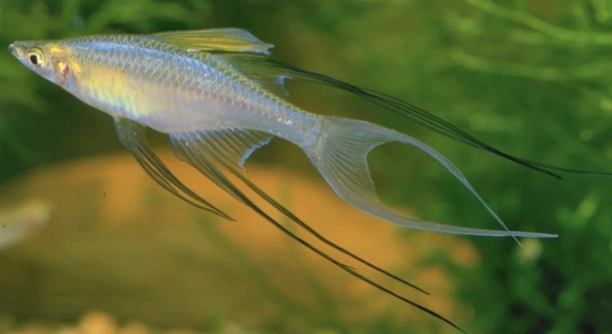
Are your threadfin fish showing signs of fin nipping despite careful care and attention in your aquarium? Many owners find this behavior frustrating and puzzling, especially when their tank seems well-maintained and peaceful.
Fin nipping in threadfin fish is often triggered by environmental stressors such as overcrowding, poor water quality, inadequate hiding spaces, inconsistent feeding schedules, and sudden changes in lighting or temperature. Identifying and mitigating these factors is crucial to reduce aggression and protect fish health.
Understanding the environmental triggers behind fin nipping can help you create a calmer, healthier aquarium for your threadfin fish and improve their overall well-being.
Overcrowding in the Aquarium
Overcrowding is one of the most common environmental triggers for threadfin fin nipping. When too many fish share the same space, competition for swimming room and territory increases. Threadfins are naturally active swimmers and require sufficient space to move freely without feeling threatened. A cramped environment causes stress and heightens aggressive behaviors, leading to frequent fin nipping incidents. Observing your tank closely can help determine whether the number of fish exceeds the recommended stocking limits. Adjusting the population or providing larger tanks can significantly reduce aggression. Additionally, overcrowding affects water quality, making it harder to maintain stable conditions. Stress from limited space can make threadfins more sensitive to changes in temperature, pH, and other environmental factors. Ensuring that each fish has adequate room supports healthier social interactions. Separating particularly aggressive individuals or adding partitions can help reduce conflicts. Properly spacing fish reduces stress and promotes calmer behavior over time.
Careful observation and adjusting the number of fish can prevent aggression and protect fins.
Maintaining a balanced population in your aquarium requires attention to both numbers and behavior. Threadfins need ample room to swim, explore, and establish territories without constant confrontation. Overcrowded tanks increase stress hormones, which can weaken immunity and encourage fin nipping. Providing hiding spots, plants, or decorations creates visual barriers that reduce tension. Even small increases in tank size can have a noticeable effect on behavior. It is also important to consider tank mates; combining species with similar temperaments helps avoid unnecessary conflict. Monitoring fish interactions regularly ensures that aggression does not escalate. Overcrowding not only affects behavior but also impacts water quality, which in turn affects overall health. By carefully managing both the number of fish and the environment, threadfins can thrive peacefully, exhibiting natural behaviors without damaging each other’s fins. Taking these steps fosters a more stable and harmonious aquarium ecosystem.
Poor Water Quality
Dirty or unstable water conditions can trigger fin nipping, as threadfins react to stress from toxins and imbalances.
Maintaining clean, stable water is essential for preventing fin nipping. Fluctuations in ammonia, nitrites, nitrates, and pH levels irritate fish, making them more prone to aggression. Threadfins are sensitive to sudden changes, and even short-term spikes in harmful compounds can provoke fin biting. Regular water testing, partial water changes, and proper filtration help maintain a safe environment. Filtration must match tank size and bioload to avoid accumulation of harmful substances. Oxygen levels should also be monitored, as low oxygen can increase stress. Consistent routines reduce anxiety and minimize aggressive behavior. Introducing biological filtration or adding live plants can further stabilize water quality. Avoid overcrowding and overfeeding, both of which contribute to waste buildup. Observing fish for early signs of stress, such as clamped fins or erratic swimming, allows for timely intervention. Proper water maintenance creates a calm environment, reducing triggers for fin nipping.
Inadequate Hiding Spaces
Threadfins become stressed and aggressive when they lack places to retreat. Without hiding spots, fish feel exposed, increasing fin nipping as a way to establish dominance or relieve tension.
Providing adequate hiding spaces is essential for reducing aggression. Threadfins benefit from plants, rocks, or decorative caves where they can retreat when threatened. These areas help break lines of sight, preventing constant confrontations. Fish that have access to shelters are less likely to chase or nip at each other. Observing how your fish interact can guide placement and quantity of hiding spots. Overcrowded decorations or poorly arranged caves can create territorial disputes, so balance is key. Hiding spaces also allow weaker fish to recover from minor injuries without continued harassment, promoting overall tank harmony. Strategically placed shelters encourage natural behaviors while keeping stress low.
Creating a varied environment with multiple hiding options reduces conflict. Threadfins use these areas to feel secure, explore safely, and interact without constant stress, leading to calmer, healthier tank dynamics over time. Properly arranged decorations support natural behaviors while minimizing fin nipping incidents, ensuring a more stable aquarium environment.
Inconsistent Feeding Schedules
Threadfins may nip fins if feeding is irregular or unpredictable, as stress and competition for food increase tension.
Consistent feeding schedules help maintain social balance and reduce aggression. Threadfins thrive on routine, and sudden changes in timing or portion size can provoke fin nipping. Feeding too much or too little affects fish behavior and energy levels. Overfeeding leads to water quality issues, further contributing to stress, while underfeeding increases competition. Using measured portions and establishing a reliable feeding time each day creates stability. Observing feeding behavior helps identify dominant or aggressive individuals early, allowing adjustments to prevent fin damage. Offering food in multiple locations ensures all fish receive nourishment without conflict. Balancing diet and routine reduces anxiety, supporting peaceful interactions and protecting delicate fins.
Sudden Changes in Lighting
Threadfins can become stressed when lighting conditions change abruptly. Sudden bright or dim lights may startle them, triggering fin nipping as a stress response.
Maintaining a consistent light cycle helps reduce aggression. Gradually adjusting brightness or using timers creates a stable environment, keeping fish calmer and minimizing fin damage.
Temperature Fluctuations
Even minor shifts in water temperature can stress threadfins, making them more prone to nipping each other’s fins. Stable temperatures are crucial for their well-being.
Threadfins are sensitive to both sudden increases and drops in temperature. Frequent fluctuations can weaken immune systems, reduce appetite, and heighten irritability. Using reliable heaters, thermometers, and gradual adjustments ensures water remains within a safe range. Consistency in temperature reduces stress-induced aggression, allowing fish to interact more peacefully. Proper monitoring prevents environmental shocks, supporting both fin health and overall vitality. Maintaining temperature stability is a simple but effective way to reduce fin nipping and encourage a calmer aquarium environment.
Incompatible Tank Mates
Threadfins may nip fins when housed with aggressive or overly active species. Proper selection prevents conflicts and stress in the tank.
FAQ
Why do threadfin fish nip each other’s fins?
Fin nipping among threadfins usually results from stress, competition, or boredom. Environmental factors like overcrowding, poor water quality, and sudden changes in lighting or temperature can trigger aggressive behavior. Lack of hiding spots or incompatible tank mates also increases the likelihood of nipping. Addressing these conditions helps reduce fin damage.
How can I prevent fin nipping in my aquarium?
Providing adequate space, consistent feeding, and a stable environment are key. Adding plants, rocks, or decorative caves creates hiding spaces and reduces territorial disputes. Regular water testing, temperature monitoring, and controlled lighting cycles also help maintain a stress-free environment. Careful selection of tank mates minimizes aggression.
Is fin nipping harmful to threadfins?
Repeated nipping can damage fins, leaving them torn and vulnerable to infections. Open wounds may attract bacteria or parasites, further threatening fish health. Stress from constant harassment can weaken the immune system, making fish more prone to illness. Preventing nipping ensures long-term health and reduces medical issues.
Can overcrowding cause fin nipping even if water quality is good?
Yes. Even with excellent water conditions, limited space creates competition for swimming areas and territory. Threadfins under crowded conditions often chase and nip each other to establish dominance. Ensuring proper tank size and population density is as important as maintaining clean water.
Does diet affect fin nipping?
Yes, irregular feeding or unbalanced nutrition can trigger aggression. Threadfins need a consistent feeding schedule with sufficient portions. Offering food in multiple spots helps prevent dominant fish from monopolizing meals. A balanced diet supports calm behavior and reduces competition-related fin damage.
Will adding more hiding spots help reduce aggression?
Definitely. Plants, rocks, and decorative caves allow fish to retreat and feel secure. Proper placement of shelters breaks lines of sight, preventing constant confrontations. Multiple hiding areas help weaker or stressed fish recover without further harassment, promoting a more peaceful aquarium.
How do temperature and lighting impact fin nipping?
Threadfins are sensitive to sudden temperature changes and abrupt shifts in lighting. Fluctuations stress the fish, increasing irritability and fin nipping. Using reliable heaters, thermometers, and timed lighting cycles ensures a stable environment, reducing stress and promoting calmer behavior.
Can changing tank mates stop fin nipping?
Yes, housing threadfins with aggressive or overly active species often triggers fin nipping. Selecting compatible, similarly tempered fish reduces conflict. Observing interactions carefully before introducing new tank mates helps prevent stress and protects fins.
Is fin nipping normal behavior?
Some fin nipping is natural as threadfins establish dominance, but frequent or aggressive nipping indicates stress or environmental issues. Addressing triggers like overcrowding, poor water quality, or insufficient hiding spaces is necessary to prevent injury and maintain a healthy aquarium.
How quickly can fin nipping be resolved?
Resolution depends on identifying and correcting environmental triggers. Improvements in tank conditions, proper feeding, and compatible tank mates often reduce fin nipping within days to weeks. Persistent aggression may require separating individuals or adjusting tank layout to restore peace.
Can fin nipping cause long-term damage?
If left unaddressed, fin nipping can lead to permanent fin deformities, infections, and chronic stress. Timely intervention and environmental adjustments prevent long-term harm and ensure fish remain healthy and active.
Are there signs to watch for early aggression?
Yes, early signs include chasing, tail biting, clamped fins, and erratic swimming. Observing these behaviors allows for timely intervention, such as adding hiding spots, adjusting tank mates, or managing feeding routines. Early action prevents serious injuries and improves overall tank harmony.
Does water movement affect fin nipping?
Strong currents or inconsistent flow can stress threadfins, prompting aggressive behavior. Gentle, even water movement helps fish swim comfortably and reduces environmental stress, contributing to calmer interactions and less fin nipping.
Can introducing more food or enrichment help?
Yes. Providing enrichment like floating plants, varied diets, or foraging opportunities keeps threadfins engaged and reduces boredom-related aggression. Stimulating the environment encourages natural behavior while minimizing stress-induced fin nipping.
How often should I monitor my tank for fin nipping?
Regular observation, ideally daily, helps identify early aggression. Checking interactions, fin condition, water quality, and tank dynamics ensures prompt adjustments. Consistent monitoring supports long-term fish health and prevents escalation of nipping behavior.
Threadfin fin nipping is a common issue in home aquariums that can be both frustrating and concerning. Understanding the environmental triggers behind this behavior is key to preventing it and keeping your fish healthy. Overcrowding, poor water quality, inconsistent feeding schedules, sudden changes in lighting or temperature, lack of hiding spaces, and incompatible tank mates all contribute to stress and aggression. When threadfins feel stressed or threatened, they may resort to nipping the fins of other fish, which can lead to injuries or infections. Recognizing these triggers and taking steps to reduce them is an important part of responsible aquarium management. Ensuring your tank provides enough space, stable water conditions, and hiding areas can create a calmer environment, reducing the likelihood of fin damage.
Managing feeding routines is another essential step. Threadfins respond well to consistent schedules and measured portions. Offering food in multiple locations helps reduce competition and ensures all fish receive adequate nourishment. A balanced diet and predictable feeding times reduce stress, which directly impacts aggressive behaviors like fin nipping. Similarly, monitoring water quality regularly is critical. Ammonia, nitrites, nitrates, and pH levels should remain stable, as fluctuations can irritate fish and provoke fin biting. Temperature stability also plays a role, as sudden changes can cause stress and increase aggression. Using reliable heaters, thermometers, and lighting timers ensures a predictable environment that supports healthier behavior. Maintaining these elements consistently helps threadfins feel secure and reduces the occurrence of nipping.
Finally, careful observation and thoughtful aquarium management are essential for long-term success. Adding hiding spots such as plants, rocks, or decorative caves allows fish to retreat when threatened, reducing stress and preventing ongoing aggression. Choosing compatible tank mates and monitoring social interactions also contributes to a peaceful environment. Early intervention when signs of aggression appear—such as chasing, clamped fins, or tail biting—can prevent more serious injuries. By addressing environmental triggers and creating a stable, well-planned habitat, you can minimize fin nipping and support the overall health of your threadfins. These steps help ensure a balanced, harmonious aquarium where fish can thrive, interact naturally, and maintain strong, healthy fins.

Hello,
If you enjoy the content that we create, please consider saying a "Thank You!" by leaving a tip.
Every little bit helps us continue crafting quality advice that supports the health, happiness, and well-being of pets around the world, for pets of all shapes, sizes, and species.
We really appreciate the kindness and support that you show us!