
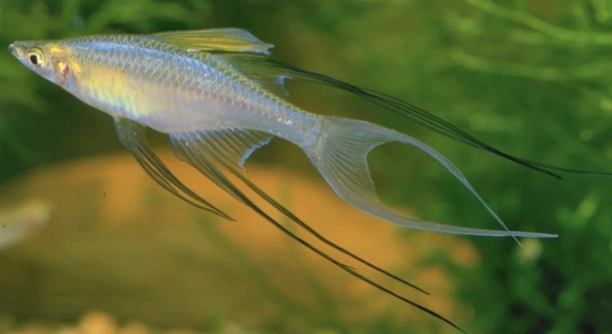
Threadfin Rainbowfish are small, colorful freshwater fish that bring life to home aquariums. Many owners enjoy watching their movements and patterns, appreciating the subtle interactions these fish may have with their caretakers. Their gentle nature makes them ideal pets.
Threadfin Rainbowfish can recognize their caretaker through consistent feeding routines and interaction. They respond to familiar presence with reduced stress behaviors, approaching the caretaker and exhibiting curiosity, indicating an ability to differentiate between known and unknown humans in their environment.
Observing these behaviors can help you strengthen the bond with your fish. Understanding their recognition patterns creates a more engaging and harmonious aquarium experience.
How Threadfin Rainbowfish Recognize Humans
Threadfin Rainbowfish rely on visual cues and routine to recognize their caretaker. Over time, they begin to associate your presence with feeding and interaction. When entering the room, they may swim closer to the glass or follow your hand near the tank. They respond not only to movement but also to your consistent behavior. Gentle motions and predictable actions help build this recognition. Fish use their eyes to detect familiar shapes and colors, so repeated exposure to the same person strengthens their ability to identify you. They also notice patterns in sound and vibrations, such as tapping the tank gently or walking nearby. By establishing a calm and regular routine, these fish become more comfortable and attentive. Their approach behaviors, like hovering near the surface during feeding times, show that they have learned to anticipate your actions. This recognition is a sign of trust and adjustment to their environment.
Recognition is gradual and requires patience. Consistent presence allows the fish to feel secure and identify the caretaker reliably.
Understanding these recognition cues improves tank management. By observing their reactions closely, you can adjust feeding routines and interactions. Some fish may initially be shy or stressed, hiding at the bottom or darting away when approached. Consistency in your approach—such as feeding at the same time and maintaining gentle movements—reduces anxiety. Over days or weeks, they start associating specific gestures, like hand movements or feeding containers, with positive experiences. This leads to more confident behavior, such as swimming to the surface or following your movements with curiosity. In addition, recognizing individual differences is important. Some fish may become more interactive, while others remain cautious. Maintaining a stable environment with proper water conditions, minimal sudden disturbances, and predictable care routines supports recognition. Observing body language, fin movement, and approach behaviors helps you understand comfort levels. The clearer the signals you give through routine, the stronger the bond and recognition become, enhancing both their welfare and your enjoyment.
Signs Your Fish Recognizes You
Signs include swimming toward you, following your hand, or displaying reduced stress when you approach the tank.
Patience and observation are key. Not all fish respond immediately, but consistent care and routine help them gradually show recognition through body language and approach behaviors, building trust over time.
Encouraging Recognition Through Routine
Feeding at the same time daily helps Threadfin Rainbowfish recognize their caretaker. Consistent interactions, such as gentle movements near the tank, reinforce familiarity. Over time, they learn to associate your presence with safety and food. Small actions create noticeable recognition patterns.
Keeping a steady routine is crucial. Fish respond to predictability, which reduces stress and builds trust. Approaching the tank gently, offering food, and avoiding sudden movements signals that you are safe. Over weeks, fish may swim to the surface or follow your hand, showing recognition. Observation of their behavior allows you to adjust your actions for better interaction and comfort, ensuring the fish feel secure.
Patience is key when establishing routines. Some fish take longer to respond, especially if they are naturally shy. Rewarding positive behavior with feeding or gentle interaction encourages them to approach more often. Using the same movements, gestures, and timing each day strengthens the learning process. Environmental consistency, like stable water temperature and minimal loud disturbances, supports recognition. By gradually introducing these patterns, your Threadfin Rainbowfish become more comfortable, confident, and attentive, creating a harmonious and engaging tank environment.
Using Visual and Audio Cues
Threadfin Rainbowfish notice movements, colors, and sounds around the tank. Subtle gestures, tapping lightly, or approaching slowly help them connect these cues with the caretaker.
Fish respond to repeated visual signals, such as your hand entering the tank or consistent gestures during feeding. Over time, they associate specific colors, shapes, and motions with positive experiences. Sound cues, like soft tapping or routine feeding noises, also help reinforce recognition. Combining visual and audio cues strengthens their learning, making interactions more predictable and reducing stress. Careful observation of their reactions to these cues indicates how well they recognize you.
Visual and audio cues work best when applied consistently. Sudden changes in movement or loud noises can cause hesitation or fear. By repeating the same gestures, colors, and sounds, fish gradually learn to anticipate feeding and interaction. Using slow, gentle movements near the tank helps them connect cues with your presence. Over time, they begin to associate specific patterns with safety and rewards, which strengthens recognition. Fish can differentiate familiar humans from strangers by observing repeated cues, improving interaction quality. Monitoring approach behaviors and body language ensures cues are effective, allowing you to refine your methods. Consistent application of these techniques promotes comfort and responsiveness.
Recognizing Feeding Patterns
Threadfin Rainbowfish quickly learn feeding routines. They start associating specific times and movements with food. Observing their excitement near feeding moments shows they are aware of the caretaker’s actions.
Changes in feeding behavior indicate recognition. Fish that swim to the surface promptly or follow your hand demonstrate familiarity and anticipation.
Interaction Beyond Feeding
Engaging gently with the tank encourages fish to notice you outside feeding times. Slow movements, hand presence, and soft gestures help them connect you with a calm environment. Over time, this increases trust and attention, allowing fish to approach or observe without stress, reinforcing caretaker recognition consistently.
Subtle Signs of Comfort
Relaxed swimming, spread fins, and smooth movements indicate your fish feels secure. They respond calmly when you are near, showing growing recognition.
FAQ
How can I tell if my Threadfin Rainbowfish truly recognize me?
Recognition is shown through consistent behaviors. Fish may swim toward you, follow hand movements, hover near the surface, or react less nervously when you are near. These actions indicate they differentiate you from other people and associate your presence with positive experiences like feeding or gentle interaction.
How long does it take for them to recognize their caretaker?
Recognition develops gradually over days to weeks. Daily consistent routines, calm interactions, and feeding at regular times help the process. Shy or new fish may take longer, while more active or social fish might show recognition faster. Patience is essential to allow them to feel safe.
Do Threadfin Rainbowfish respond differently to different people?
Yes. Fish can distinguish between familiar and unfamiliar individuals. They respond more positively to caretakers they see regularly and may show hesitation or stress when approached by someone unfamiliar. Repeated gentle interaction with the same person strengthens recognition and trust.
Can recognition reduce stress in my fish?
Absolutely. Recognizing their caretaker helps fish anticipate feeding and interaction, lowering anxiety. Fish become more relaxed, swim more freely, and show fewer hiding behaviors. Predictable interactions create a stable environment, which is key to overall health and comfort.
What are the best ways to encourage recognition?
Consistency is the most effective tool. Feed at the same times, use gentle hand movements, and approach slowly. Maintain stable water conditions and minimize loud noises. Over time, repeated positive experiences teach fish to associate your presence with safety and food.
Will they respond if I change my approach or feeding method?
Sudden changes may temporarily confuse fish. They rely on routine and consistent cues. Gradual adjustments in feeding or interaction style work best. Using familiar gestures, hand movements, or sounds while slowly introducing new methods helps fish adapt without stress.
Can I interact with my fish outside feeding times?
Yes. Slow hand movements, gentle tapping, or presence near the tank without feeding reinforce recognition. Fish learn to associate your presence with calm rather than only food. Regular non-feeding interaction strengthens trust and encourages more natural, relaxed behaviors.
Do fish recognize me visually, by smell, or both?
Primarily visually. They notice shapes, colors, and movements. Some may respond to subtle vibrations or sounds. Smell is less important in an aquarium, but consistent visual cues combined with routine behavior help fish identify their caretaker reliably.
What if my fish seem shy or hide often?
Shy fish need more patience. Maintain calm, predictable routines, avoid sudden movements, and allow them to approach at their own pace. Over time, even cautious individuals will show recognition behaviors like swimming closer or responding to hand movements.
Is it possible for fish to forget their caretaker?
Yes, recognition fades if routines are inconsistent or if the fish is stressed. Extended absence or abrupt environmental changes can make fish less responsive. Consistent interaction and predictable care reinforce memory and maintain their recognition of you.
How do I know if my interaction is helping or stressing them?
Observe body language. Calm swimming, smooth fin movements, and approaching behaviors indicate comfort. Darting, hiding, or rapid gill movements suggest stress. Adjust your actions accordingly, keeping movements slow, predictable, and gentle to promote positive recognition.
Can other fish in the tank affect recognition?
Yes. Tankmates may distract or intimidate, especially if aggressive. Providing enough space and hiding spots ensures each fish can respond to the caretaker without interference. Recognition develops best in a balanced, stress-free environment where individual fish feel safe and secure.
Are there signs that a fish has strong recognition?
Strong recognition includes approaching consistently, following hand movements, showing excitement during feeding, and remaining calm during interactions. Fish may anticipate your arrival and actively engage with gestures or swimming patterns that indicate they know you are the source of care.
Does age or size affect recognition ability?
Younger or smaller fish may take longer to recognize their caretaker, as they are naturally more cautious. Mature fish tend to show recognition faster due to experience and confidence. Regardless of age, consistency in routine is key to strengthening recognition.
How important is tank setup in helping recognition?
A stable environment with appropriate lighting, plants, and hiding spaces supports recognition. Fish feel safer and more comfortable when stressors are minimized. Predictable conditions allow them to focus on positive interactions with the caretaker rather than being distracted by environmental instability.
Can recognition improve feeding efficiency?
Yes. Fish that recognize their caretaker often respond faster to food, reduce competition or aggression, and show more focused feeding behavior. Recognized caretakers create predictable feeding conditions, helping fish eat calmly and efficiently.
Is there a difference in recognition between male and female Threadfin Rainbowfish?
There is no significant difference in the ability to recognize humans based on sex. Individual personality and temperament play a larger role than gender. Some fish are naturally more curious or cautious, influencing how quickly they display recognition behaviors.
How often should I interact with them to maintain recognition?
Daily interaction is ideal, especially during feeding. Even brief periods of calm presence or hand gestures help reinforce recognition. Consistency is more important than duration, as fish respond best to repeated, predictable cues rather than prolonged or sporadic sessions.
Can recognition be measured scientifically?
Behavioral observation is the most practical method. Measuring approach frequency, proximity to the caretaker, and stress-related responses provides clear indicators of recognition. Tracking these behaviors over time shows learning and adaptation in response to repeated interaction.
What are common mistakes that prevent recognition?
Inconsistent feeding times, sudden movements, loud noises, and frequent changes in tank setup can delay recognition. Avoid these disruptions and maintain a calm, steady routine to allow fish to form clear associations with the caretaker.
Do Threadfin Rainbowfish show recognition to multiple people at the same time?
They can recognize more than one person, but responses may vary. Fish often show stronger reactions to the individual who interacts with them most consistently. Rotating caretakers may slow recognition, while repeated interaction with one person reinforces familiarity.
How can I tell if my fish is enjoying interactions?
Signs include smooth swimming, hovering near your hand, active following, and anticipation during feeding. Calm body language and repeated engagement indicate comfort and positive association with your presence, reflecting enjoyment of the interaction.
What adjustments help stressed or new fish recognize me faster?
Introduce yourself slowly, maintain routine feeding times, minimize loud disturbances, and provide hiding spots. Allow the fish to approach at their own pace, using gentle gestures and consistent visual cues to build trust and recognition.
Does tank size affect recognition ability?
Tank size matters. Smaller tanks allow fish to notice your movements more easily, while larger tanks may require more time for fish to associate your presence with interaction. Regardless of size, consistent cues and routine are essential.
Are there visual cues that are more effective than others?
Hand movements near the tank, consistent gestures during feeding, and repeated positioning in familiar areas are effective. Fish respond best to slow, predictable actions that become associated with positive outcomes, reinforcing recognition efficiently.
Can recognition help in medical or health monitoring?
Yes. Fish that recognize their caretaker are easier to observe and handle for medical purposes. Reduced stress during observation or treatment allows for more accurate health monitoring and timely intervention when needed.
Is it normal for recognition to fluctuate over time?
Yes. Changes in routine, tank environment, or stress levels can temporarily reduce responsiveness. Maintaining consistency and observing behaviors carefully helps restore recognition and keeps interactions positive.
How can I make interactions more engaging for my fish?
Use predictable gestures, hand presence, and calm movements. Offering food or safe enrichment during these interactions reinforces positive associations. Variety in interaction patterns, while keeping them consistent and gentle, helps maintain interest and recognition.
What role does feeding variety play in recognition?
Offering different foods can enhance engagement but should be paired with consistent routines. Fish recognize the caretaker through repetition and association, so changing feeding items occasionally maintains interest without disrupting recognition patterns.
Do fish ever show affection or preference toward their caretaker?
While not affection in a human sense, fish display preference through approach behaviors, anticipation, and calm responses. These behaviors indicate familiarity and trust, showing that the fish recognizes and is comfortable with a particular individual.
Can multiple tanks affect recognition?
Yes. Fish in different tanks may need repeated exposure to maintain recognition. Consistent routines across tanks, including feeding and interaction gestures, help them recognize the caretaker regardless of location.
Is there a risk of over-interaction?
Excessive tapping, sudden movements, or constant presence may stress the fish. Interactions should be brief, calm, and predictable to encourage recognition without causing anxiety. Balance is key to maintaining trust and comfort.
How do I know if recognition is improving?
Improvement is visible through quicker approach behaviors, reduced hiding, anticipation during feeding, and increased calmness around the caretaker. Tracking these changes over time provides clear evidence of learning and familiarity.
Can recognition impact breeding behavior?
Indirectly. Fish that are comfortable and stress-free due to familiar caretakers are more likely to display normal breeding behavior. Recognition contributes to overall well-being, creating conditions conducive to reproduction.
Are there environmental factors that hinder recognition?
Loud noises, sudden lighting changes, poor water quality, or aggressive tankmates can reduce responsiveness. A stable, calm environment allows fish to focus on cues and routines, supporting consistent recognition of the caretaker.
How important is consistency compared to frequency of interaction?
Consistency matters more than frequency. Daily, predictable routines with gentle gestures build recognition faster than irregular, prolonged interactions. Fish respond to patterns rather than duration, so steady cues are essential.
Do Threadfin Rainbowfish recognize each other as well as humans?
Yes, but differently. Recognition among fish involves social behaviors, hierarchy, and territory. Recognition of humans relies on visual and behavioral cues linked to feeding and calm interactions, showing their ability to differentiate familiar from unfamiliar beings.
Can recognition reduce aggressive behavior in mixed tanks?
Yes. Recognizing the caretaker as a non-threatening presence allows fish to focus on positive interaction instead of defensive behaviors. Predictable human presence can reduce stress-induced aggression among tankmates.
What is the role of observation in maintaining recognition?
Careful observation ensures interactions remain positive. By noting approach behaviors, fin positioning, and swimming patterns, you can adjust gestures, feeding, or routines to reinforce recognition and avoid stress, improving the overall experience for the fish.
How do I handle recognition if I travel or take breaks from care?
Extended absence may weaken recognition. Gradual reintroduction with consistent routines helps fish reconnect with the caretaker. Patience and steady, predictable interaction after breaks are key to restoring familiarity.
Are there signs that recognition is complete?
Complete recognition is indicated by consistent approach, calm behavior, anticipation of feeding, and reduced stress around the caretaker. Fish respond reliably to cues and gestures, showing a clear understanding of the familiar human presence.
Can recognition improve overall tank harmony?
Yes. Fish that recognize and trust the caretaker are calmer, feed more efficiently, and interact better with tankmates. Predictable care reduces stress, enhances health, and promotes a peaceful, balanced aquarium environment.
Does recognition vary with lighting or time of day?
Fish may respond differently depending on lighting or activity cycles. Morning or evening routines, combined with gentle gestures and feeding, help reinforce recognition consistently, accounting for natural activity patterns.
How can I reinforce recognition after adding new fish?
Introduce new fish gradually and maintain established routines with existing fish. Allow older fish to adjust while continuing consistent interaction and cues with all individuals. Gradual acclimation helps maintain recognition for both new and established fish.
What should I avoid when trying to build recognition?
Avoid sudden movements, inconsistent feeding, loud noises, and frequent tank rearrangements. These disrupt learning and may cause fear, slowing recognition. Gentle, predictable, and calm interactions are most effective.
Can recognition help during water changes or maintenance?
Yes. Fish familiar with the caretaker handle minor disturbances more calmly. Recognizing you reduces stress during necessary maintenance, making procedures smoother and safer for both fish and caretaker.
Are some behaviors mistaken for recognition?
Yes. Fish may swim toward movement or light reflexively. True recognition involves consistent response to the caretaker’s presence, gestures, or routine actions, not just random curiosity or movement toward the tank.
Do Threadfin Rainbowfish respond to gestures without food?
They can. Once recognition develops, fish may approach or observe without expecting food. Visual cues, hand movements, and gentle presence reinforce familiarity and trust, independent of feeding.
Can recognition affect lifespan or health?
Indirectly, yes. Reduced stress and predictable interactions improve overall well-being, supporting growth, immune function, and activity levels. Fish that recognize their caretaker experience a calmer environment, which benefits long-term health.
How do I track progress in recognition?
Keep notes on approach frequency, proximity, calmness, and anticipation behaviors. Tracking over days or weeks highlights improvements and helps refine interaction techniques for better recognition outcomes.
Is recognition permanent if maintained?
It can be long-lasting with consistent care. Breaks or environmental stressors may weaken recognition, but steady routines restore familiarity and trust over time.
Can recognition help with selective breeding or health observation?
Yes. Calm, familiar fish are easier to monitor for breeding readiness, growth, and illness signs. Recognition makes observation less stressful and more accurate, aiding proactive care.
Does recognition vary by personality?
Absolutely. Some fish are naturally curious or bold, showing recognition quickly. Others are cautious, requiring more patience. Tailoring interaction to individual temperament ensures better recognition outcomes.
Are there tools or accessories that help recognition?
Simple tools like feeding tongs or soft cues during interaction can support recognition. Consistency in using these tools reinforces visual and behavioral associations with the caretaker.
Can recognition help reduce accidental injuries in the tank?
Yes. Recognized fish respond calmly and predictably during interactions, reducing sudden darting or collisions. This lowers the risk of accidental injury during feeding, maintenance, or observation.
How do water quality or temperature changes affect recognition?
Sudden changes can stress fish, temporarily reducing recognition behaviors. Maintaining stable water parameters ensures fish remain attentive and responsive to cues, supporting consistent recognition.
Does recognition influence social hierarchy in the tank?
Indirectly. Recognized fish feel safer and are less likely to compete aggressively for food or territory. Predictable caretaker presence can reduce stress-related dominance behaviors, promoting harmony among tankmates.
Can recognition be applied to other freshwater fish species?
Yes, many species can learn to recognize consistent caretakers through routine feeding, gestures, and calm interactions. Threadfin Rainbowfish show these behaviors clearly, making them good examples of caretaker recognition.
What is the most important factor in building recognition?
Consistency. Predictable routines, calm gestures, and regular feeding create strong associations. Without consistency, recognition develops slowly or may not occur reliably.
How do I know if recognition is improving after changes in routine?
Observe approach behaviors, calmness, and response to gestures. Gradual improvements, like quicker swimming to the surface or more relaxed body language, indicate recognition is strengthening despite routine adjustments.
Can recognition help when introducing new foods or enrichment items?
Yes. Familiar caretaker presence reassures fish when trying new foods or objects, reducing stress and encouraging exploration. Recognition creates a safe context for learning and adaptation.
Are there age limits for recognition development?
No strict limits exist. Younger fish may take longer due to cautious behavior, while older fish can still learn recognition. Patience and consistent interaction are effective at any age.
How often should I reinforce recognition for long-term results?
Daily interaction, even brief, maintains recognition. Regular routines combined with consistent gestures and feeding strengthen memory and trust, ensuring long-term familiarity and comfort with the caretaker.
Does recognition improve feeding response in mixed-species tanks?
Yes. Fish that recognize the caretaker respond faster and with less stress. Predictable interaction helps all species focus on feeding calmly, reducing competition and improving overall tank dynamics.
How do I know when my fish has fully adapted to my presence?
They approach reliably, display calm and smooth swimming, anticipate feeding, and respond consistently to gestures. These behaviors show strong familiarity and trust with the caretaker, indicating full adaptation.
Can recognition affect breeding behavior in mixed tanks?
Indirectly. Comfortable fish are more likely to display normal reproductive behavior. Familiarity with the caretaker reduces stress, allowing breeding patterns to occur naturally.
Are there signs of stress even if recognition is established?
Yes. Environmental changes, aggressive tankmates, or poor water quality can stress fish despite recognition. Observation of body language and approach behaviors helps identify and address stress promptly.
Is recognition dependent on the fish being hand-fed?
Not entirely. While hand-feeding strengthens recognition, consistent visual cues and calm presence during routine interactions are sufficient for fish to identify their caretaker.
How can I use recognition to improve overall tank management?
Recognized fish are easier to monitor, feed, and interact with. Consistent routines, calm gestures, and observation help maintain health, reduce stress, and ensure efficient care for all tank inhabitants.
Do fish ever “forget” recognition after relocation?
Relocation may temporarily disrupt recognition. Returning to consistent routines and calm interaction helps fish relearn and restore familiarity with the caretaker over time.
Can recognition improve acclimation of new fish?
Yes. Introducing new fish with calm, predictable caretaker presence helps them adjust faster. Existing fish that recognize the caretaker also maintain calm behavior, creating a smoother overall acclimation process.
How do I combine visual and routine cues effectively?
Use consistent hand gestures, feeding times, and gentle movements. Pair these visual cues with routine actions to reinforce recognition, helping fish associate your presence with predictable, positive experiences.
Can recognition help reduce aggressive behavior during feeding?
Yes. Fish that know the caretaker are less startled and compete less aggressively. Predictable presence and calm interaction create a safer and more orderly feeding environment.
Are there any seasonal or environmental factors affecting recognition?
Seasonal changes in light, temperature, or activity patterns can alter responsiveness. Maintaining steady routines and gentle interaction minimizes these effects, supporting consistent recognition throughout the year.
What are the most common mistakes beginners make in recognition training?
Inconsistency, sudden movements, excessive noise, and irregular feeding disrupt recognition. Patience, routine, and gentle interaction are essential for reliable learning and comfort in fish.
Is there a recommended observation schedule for recognition?
Daily brief sessions work best. Track approach behaviors, swimming patterns, and stress signals. Observing regularly ensures recognition is maintained and allows timely adjustments to interaction techniques.
How does recognition influence long-term health?
Calm, familiar interactions reduce stress, promote regular feeding, and improve activity levels. Fish that recognize the caretaker experience better overall well-being, which supports growth, immunity, and longevity.
Can recognition training be combined with other enrichment methods?
Yes. Adding plants, hiding spots, or safe objects while maintaining consistent caretaker cues enhances engagement. Fish feel secure and are more likely to respond positively to both enrichment and recognition efforts.
Do all Threadfin Rainbowfish show recognition at the same rate?
No
Final Thoughts
Threadfin Rainbowfish are small but intelligent freshwater fish that can recognize their caretakers through consistent routines and gentle interactions. They respond to visual cues, movements, and predictable behaviors, which help them differentiate familiar humans from strangers. Observing these fish closely can reveal subtle signs of recognition, such as swimming toward the surface, following hand movements, or showing calmer behavior when approached. Recognition is not instant; it develops gradually over days or weeks, depending on the individual fish’s personality and temperament. Patience and consistency are key, as repeated exposure and positive experiences allow the fish to feel safe and form a clear association with their caretaker. Establishing trust through routine feeding times, gentle presence near the tank, and predictable gestures is the most effective way to encourage recognition. These behaviors indicate that the fish are comfortable in their environment and have learned to anticipate your actions, which is a sign of both intelligence and adaptation.
A stable tank environment plays a significant role in recognition. Threadfin Rainbowfish are more likely to respond positively to a caretaker when water conditions are consistent, lighting is predictable, and there are adequate hiding spots. Sudden disturbances, loud noises, or irregular feeding schedules can cause stress, temporarily reducing recognition behaviors. Consistency in interaction allows fish to connect your presence with positive outcomes, which strengthens the bond over time. Even small gestures, like a hand near the glass or slow, calm movements, can help fish associate you with safety and care. Over time, these subtle interactions build trust, allowing fish to respond reliably to visual cues and routines. Maintaining a calm and predictable environment not only supports recognition but also improves overall health, reduces stress, and encourages natural behavior patterns. The more consistent and patient the caretaker is, the stronger the recognition will become, leading to more engaging and harmonious aquarium experiences.
Recognition in Threadfin Rainbowfish also contributes to the caretaker’s ability to manage the tank effectively. Fish that recognize their caretaker are easier to monitor, feed, and interact with, which reduces stress during maintenance, medical observation, or introduction of new items into the tank. They may respond calmly to feeding, follow hand movements, and display anticipation, which makes daily care more predictable and efficient. Understanding their behaviors and body language allows caretakers to tailor interactions to individual fish, accommodating shy or cautious personalities while reinforcing trust with more confident individuals. Recognition strengthens the bond between fish and caretaker, which in turn supports the long-term health and happiness of the fish. By observing approach behaviors, stress indicators, and responses to routine cues, caretakers can ensure their Threadfin Rainbowfish feel secure and comfortable, creating a peaceful and well-managed aquarium environment. With patience, consistency, and attention to detail, these fish can reliably recognize the humans who care for them, enhancing both their quality of life and the overall enjoyment of maintaining a home aquarium.

Hello,
If you enjoy the content that we create, please consider saying a "Thank You!" by leaving a tip.
Every little bit helps us continue crafting quality advice that supports the health, happiness, and well-being of pets around the world, for pets of all shapes, sizes, and species.
We really appreciate the kindness and support that you show us!