
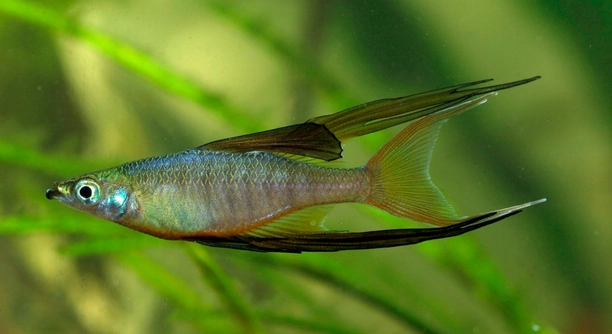
Have you ever noticed your threadfin rainbowfish swimming gracefully and wondered if you could encourage certain behaviors using food? These colorful fish are often admired for their beauty and gentle nature, making them popular in home aquariums.
Threadfin rainbowfish can be trained using consistent food rewards. By pairing specific actions with small, frequent treats, fish learn to associate the behavior with positive reinforcement. This method strengthens desired behaviors and enhances interaction between the fish and their keeper.
Understanding how food influences behavior in these fish can improve their daily care and create a more engaging environment in your aquarium.
Understanding Food-Based Training for Threadfin Rainbowfish
Training threadfin rainbowfish with food rewards relies on consistency and observation. These fish respond well to small, regular portions of their preferred foods. Begin by choosing a treat that is safe and easily consumable, such as finely crushed flakes or live brine shrimp. Place the food in a specific area of the tank to encourage the fish to swim toward it. Repeating this process helps the fish associate the location and the action with a positive outcome. Over time, they may begin to perform simple behaviors, like swimming through a hoop or approaching a designated spot, in anticipation of the reward. It is important to avoid overfeeding, as this can affect both their health and responsiveness. Training sessions should be brief and consistent, ideally at the same time each day. Observation is key to adjusting the process based on how quickly the fish responds. This method strengthens trust and encourages active engagement.
Training with food rewards is most effective when patience is applied and feeding times are predictable.
By monitoring their reactions, you can gradually increase the complexity of tasks. Start with simple movements and reinforce each successful attempt. Keep sessions short, usually five to ten minutes, to maintain their attention and avoid stress. Variety in rewards can improve motivation, but always ensure they are healthy and appropriate. Over several weeks, threadfin rainbowfish can learn to anticipate rewards and modify their behavior accordingly. This type of training not only stimulates their minds but also enhances the keeper’s ability to interact safely and effectively. Gradually, you may notice more confident and active fish. Documenting each session can help track progress and refine techniques, ensuring that the fish remain engaged. Consistency and observation remain critical for success, as each individual may respond differently to training. With the right approach, food rewards become a practical tool for both behavioral enrichment and aquarium management, benefiting both the fish and the overall tank environment.
Tips for Effective Training
Use small, manageable portions of food to maintain focus and prevent overfeeding.
Introduce cues like hand signals or tapping near the water to create clear associations. Patience is essential, as some fish take longer to respond. Avoid abrupt changes to their routine, and keep training sessions consistent. Ensure the environment is calm to prevent distractions. Tracking their progress helps identify which methods work best. Gradually increasing challenges maintains interest. Reinforce positive behavior immediately to strengthen learning. Incorporate variety in food types to maintain motivation. Always monitor health to prevent unintended stress. Training is most effective when integrated naturally into daily care, rather than forced or rushed, creating a structured but gentle system.
Choosing the Right Rewards
Selecting the right type of food is essential for successful training. Small, nutritious treats like brine shrimp, daphnia, or finely crushed flakes work best. Avoid foods that are too large or unhealthy, as they can reduce interest or cause health problems.
Using a variety of foods keeps the fish motivated. Start with their favorite, then slowly introduce alternatives to maintain attention and engagement. Observe how each fish responds, as some may prefer live foods while others respond to flakes. Timing is crucial—offer the reward immediately after the desired behavior to strengthen the association. Overfeeding must be avoided to ensure the fish remain healthy and responsive. Consistency and careful observation allow for gradual progress, turning training sessions into effective learning experiences.
Paying attention to portion sizes and frequency helps prevent stress or overfeeding. Train in short, consistent intervals to encourage learning while keeping fish healthy and active.
Establishing a Routine
Consistency in training sessions improves learning outcomes and reinforces behaviors. Schedule training at the same times daily, ideally when the fish are naturally active and hungry. Short, frequent sessions work better than long, irregular ones, as fish respond best to predictable patterns.
Keep each session focused on a single behavior. Introduce cues gradually and reward immediately to create clear associations. Repetition over several days allows the fish to understand expectations and strengthens memory. Observing their responses helps adjust techniques and avoid frustration. Avoid rushing, as overtraining can reduce interest and stress the fish. A calm environment, free from sudden disturbances, improves focus. Tracking progress helps identify the most effective rewards and actions. Gradual increases in difficulty maintain engagement and reinforce learning. Patience and careful attention to individual differences are key for consistent results.
Establishing a structured routine ensures that training becomes a predictable and safe part of daily care, improving both fish behavior and interaction quality over time.
Timing and Patience
Consistency in timing greatly impacts training success. Feeding and reward sessions should occur at predictable times to help the fish associate actions with outcomes. Sudden changes can confuse them and reduce responsiveness. Patience is key, as learning occurs gradually and varies by individual.
Short, frequent sessions yield better results than long, sporadic attempts. Observing the fish during these periods helps identify their comfort level and engagement. Adjusting the pace to match their responsiveness ensures learning without causing stress. Over time, the fish begin to anticipate rewards and respond reliably, reinforcing both training and trust in their environment.
Observing Behavioral Cues
Pay close attention to subtle movements such as fin flicks or swimming patterns. These indicate readiness, stress, or interest in the reward.
Behavioral cues help determine if the training approach is effective. Signs of eagerness show they are learning, while hesitation signals the need for adjustments. Observing these reactions allows for better timing of rewards and minimizes stress, making sessions more productive. Consistent monitoring ensures each fish receives appropriate attention and reinforces positive associations.
Adjusting Training Techniques
Not all fish respond the same way. Modify techniques according to individual temperament and responsiveness. This might include changing the type of reward, the cue used, or the duration of sessions. Small adjustments can significantly improve outcomes.
Avoiding Overfeeding
Excessive treats can harm health and reduce motivation. Keep rewards minimal and balanced with their regular diet.
FAQ
How long does it take for threadfin rainbowfish to learn behaviors with food rewards?
The learning process varies by fish and the complexity of the behavior. Simple tasks, like swimming to a specific spot, may take a few days to a week with consistent training. More complex behaviors, such as swimming through hoops or performing multiple steps, often require several weeks of short, daily sessions. Fish learn at different speeds, so patience and careful observation are essential. Maintaining consistent timing and using immediate rewards increases the chances of success. Gradually increasing difficulty while keeping sessions brief helps reinforce learning without causing stress.
Can all threadfin rainbowfish be trained using food rewards?
Most threadfin rainbowfish respond well to food-based training, but individual temperament plays a role. Some fish may be naturally more active or curious, making them quicker to respond, while others are shy or cautious. Fish that are stressed or poorly acclimated to their environment may show less interest in training initially. Improving tank conditions, maintaining water quality, and reducing stress can increase responsiveness. Selecting the right type of food and offering rewards immediately after the desired behavior also improves effectiveness. Overall, consistent practice and a calm environment increase the likelihood that most fish can learn simple behaviors.
How often should I train my fish?
Short, frequent sessions are most effective. Training once or twice a day for five to ten minutes works better than longer, irregular sessions. Consistency helps fish anticipate rewards and understand the connection between behavior and food. Overtraining can cause stress, so balancing frequency and duration is important. Observing their engagement during each session helps determine if adjustments are needed.
What types of food work best for training?
Small, nutritious foods are ideal, such as brine shrimp, daphnia, or finely crushed flakes. Live foods often generate higher motivation, but flakes are convenient for regular use. Avoid large or unhealthy foods, as they may cause overfeeding or reduce responsiveness. Using a variety of foods can maintain interest, but consistency in reward timing is more important than variety. Portion control is essential to keep fish healthy.
How can I tell if training is working?
Look for clear behavioral changes, such as approaching the reward location quickly, following cues, or performing the targeted behavior without hesitation. Increased confidence, activity, and responsiveness are positive signs. Hesitation or avoidance may indicate stress or confusion, suggesting adjustments are needed in reward type, cue method, or session length. Keeping a brief record of progress can help identify patterns and refine training techniques over time.
Is it safe to train threadfin rainbowfish with food rewards?
Yes, as long as the training is brief, consistent, and uses safe, appropriate foods. Avoid overfeeding, sudden changes, or stressful environments. Monitoring fish for signs of stress or health issues ensures that training remains safe and beneficial. This method enriches their environment and strengthens interactions without harming their well-being.
Can training improve fish behavior outside of feeding times?
Training with food rewards can increase overall alertness and activity. Fish often become more confident in exploring the tank, interacting with their surroundings, and responding to environmental changes. While behaviors may be strongest during training sessions, positive reinforcement helps fish become more active and responsive throughout the day.
Final Thoughts
Training threadfin rainbowfish with food rewards is a practical way to encourage certain behaviors and improve interaction with your aquarium. These fish are naturally curious and responsive to positive reinforcement, making them well-suited for simple training exercises. By offering small, nutritious treats immediately after the desired action, they begin to associate specific behaviors with a reward. This approach not only strengthens the behaviors you want to encourage but also creates a more engaging and interactive environment for both the fish and the keeper. Consistency is key; training at the same time each day helps the fish understand expectations and anticipate rewards. Short, focused sessions are more effective than long or irregular ones, as they prevent stress and maintain interest. Over time, even shy or cautious fish can learn to respond to cues, gradually showing more confidence and activity in the tank.
Careful observation is an important part of the training process. Watching how your threadfin rainbowfish reacts to different foods, cues, and session lengths allows you to adjust methods for the best results. Some fish may respond quickly to live foods, while others prefer flakes or finely crushed options. Monitoring their behavior can also help you spot signs of stress or overfeeding, ensuring that training remains safe and effective. Recording each session, even briefly, can provide insight into which techniques work best for individual fish. With patience and attention, you can gradually introduce more complex behaviors, building on simpler actions learned over time. This incremental approach helps maintain engagement and avoids overwhelming the fish, making training both productive and enjoyable.
Maintaining a balanced approach is crucial for long-term success. Food rewards should complement a healthy, regular diet, and overfeeding should be avoided. Short, consistent sessions combined with careful observation and proper food selection provide a structured yet gentle system for training. Beyond teaching behaviors, the process also encourages mental stimulation and a sense of routine, which can improve overall fish well-being. In addition, positive reinforcement strengthens the bond between the fish and their environment, as they begin to recognize predictable patterns and respond accordingly. While each fish learns at its own pace, following these guidelines ensures that training remains safe, effective, and enriching, benefiting both the fish and the keeper. By integrating these practices into daily care, you can create a more interactive and stimulating aquarium that encourages natural curiosity and active engagement.

Hello,
If you enjoy the content that we create, please consider saying a "Thank You!" by leaving a tip.
Every little bit helps us continue crafting quality advice that supports the health, happiness, and well-being of pets around the world, for pets of all shapes, sizes, and species.
We really appreciate the kindness and support that you show us!