
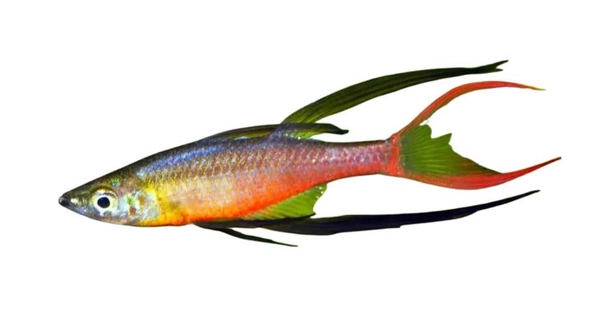
Threadfin rainbowfish are small, colorful fish that brighten up any freshwater aquarium. Their playful movements and shimmering scales make them fascinating to watch. Many aquarium enthusiasts enjoy observing their unique swimming patterns and social behaviors daily.
Threadfin rainbowfish display intricate schooling behaviors, with synchronized movements that reduce stress and predator threats. Males exhibit color changes during courtship, while territorial disputes are often subtle, relying on displays rather than aggression. These behaviors ensure survival and reproduction success.
Understanding these subtle behaviors can greatly improve how you care for these fish. Observing their interactions reveals much about their social and environmental needs.
Unique Schooling Patterns
Threadfin rainbowfish often swim in tight, coordinated groups. These schools move fluidly, changing direction in unison. Observing them can be mesmerizing because each fish responds almost instantly to its neighbors. The synchronization helps reduce stress and protect them from potential threats in their environment. Young fish learn these patterns by following older, experienced individuals. The schooling behavior also strengthens social bonds, allowing the fish to communicate subtle signals without direct confrontation. Interestingly, males and females may form slightly different formations depending on activity or feeding times. Aquariums that provide open swimming space and minimal disturbances help the fish maintain natural group behaviors. Avoiding sudden changes in lighting or water flow encourages them to swim confidently. Small decorative plants and hiding spots allow the school to practice natural retreat responses without disrupting the group. Over time, observers can notice subtle shifts in leadership within the school as dominant fish gently guide movements.
Schooling reduces stress and helps rainbowfish feel secure. They rely on visual cues from one another to maintain harmony.
Providing proper space, consistent water conditions, and gentle feeding routines enhances natural schooling. Observing these behaviors reveals how social and coordinated these fish truly are, and paying attention to group dynamics can improve overall aquarium health and harmony.
Male Color Displays
Male threadfin rainbowfish change colors to signal courtship or dominance. Their scales become brighter, especially along the fins and body, attracting female attention. These color shifts also indicate health and vitality, letting others know who leads the group.
During courtship, males perform small dances, flaring their fins and swimming close to females. They may chase rivals subtly, but outright aggression is rare. Color intensity can fluctuate depending on lighting, water quality, or mood. In some cases, males display vibrant stripes or patches for several hours while females evaluate potential mates. The color display is not only a mating tool but a way to establish hierarchy within the aquarium. Observing these shifts over time allows owners to better understand individual personalities and interactions. Fish with duller colors may be stressed, ill, or lower-ranking, signaling a need for attention to water conditions or diet. Proper nutrition, stable temperature, and minimal disturbances promote consistent, vivid displays. Recording or noting these changes can help track health trends and social dynamics effectively.
Males’ color displays offer insight into health, hierarchy, and mood. Observing them helps maintain a balanced aquarium environment.
Regularly monitoring these color changes ensures both the well-being of the fish and the smooth social interactions within the tank. Understanding subtle signals allows for better care and a more harmonious aquarium.
Subtle Feeding Behaviors
Threadfin rainbowfish nibble small portions frequently rather than eating all at once. They prefer tiny, floating or slow-sinking food that mimics natural prey in rivers and streams.
They often test new foods cautiously. When introduced to pellets, flakes, or live foods, some fish may approach slowly, observing others before eating. Feeding is typically done in small groups, with dominant fish taking the lead. Juveniles learn by watching older fish, mimicking their timing and methods. Overfeeding can cause water issues, so small, controlled portions are best. Observing how each fish responds to new food helps identify preferences and potential health concerns.
Rainbowfish may show minor competition during feeding, nudging or following preferred individuals. This behavior is normal and rarely aggressive. Understanding these subtle dynamics allows for more balanced feeding routines. Ensuring even distribution of food prevents weaker fish from being left behind and helps maintain harmony within the school. Regular observation improves both nutrition and group interaction.
Resting and Hiding Spots
Threadfin rainbowfish often seek quiet areas to rest, especially after periods of active swimming or feeding. Dense plants, rocks, or decorations provide safe spots.
They may retreat individually or in small groups, depending on comfort and stress levels. Resting involves minimal movement, with fins relaxed and color slightly subdued. Fish feel safer when cover is nearby, reducing stress and aggression. Some fish prefer corners or edges of the tank, while others choose open areas with gentle flow. Providing multiple hiding options ensures all fish have access without conflict. Proper lighting and consistent water flow support natural resting behavior, allowing the fish to recover energy efficiently. Over time, these preferred spots become consistent, showing individual tendencies. Observing their choices can help adjust tank layout and decorations to suit natural preferences, promoting overall health.
Hiding and resting behaviors are vital for stress management and energy conservation. Recognizing these preferences helps create a more comfortable and balanced aquarium environment.
Breeding Behavior
Threadfin rainbowfish scatter eggs among plants rather than guarding them. Males display brighter colors to attract females during spawning.
Spawning usually occurs in the morning. Males swim close to females, performing subtle dances. Eggs stick to plant leaves or fine surfaces. Fertilization happens externally, and adults generally do not guard the eggs.
Interaction with Tank Mates
Rainbowfish are generally peaceful but maintain social hierarchies. They prefer similarly sized, non-aggressive fish. Schooling provides safety, but overcrowding or aggressive neighbors can cause stress and color dulling. Providing enough space and hiding spots minimizes conflict and promotes harmonious tank interactions.
Response to Water Changes
Threadfin rainbowfish respond quickly to sudden changes in temperature or pH. Stress can cause hiding, lethargy, or color fading, so gradual adjustments are essential to maintain health and behavior stability.
Continue the article with the following outline. Bold the questions. Do not write an intro for each header, get straight to the point. Do not use a greeting. Make it feel slightly personal. Write in a simplistic style.; Outline: ; FAQ (write at least 500 words); Note: Skip the intro, get straight to the point. The rest of the headers will be provided later, so do not write them yet. Skip the conclusion, and recap. Respect the given word count for every paragraph.
Threadfin rainbowfish are small but fascinating fish to observe. Their behaviors, from schooling to subtle color displays, reveal a lot about how they interact with each other and their environment. Watching them swim together in a coordinated school or noticing the small differences in how males and females behave can be surprisingly engaging. Paying attention to these details allows owners to better understand their fish and provide an environment that supports both health and natural behavior. Even small adjustments in tank setup, like adding more plants or providing open swimming spaces, can make a noticeable difference in how comfortable and active the fish appear. Over time, observing these behaviors helps build a routine that benefits both the fish and the aquarium environment.
Caring for threadfin rainbowfish involves more than feeding and cleaning the tank. They thrive best when their social needs are met, including maintaining groups of compatible fish and allowing for natural behaviors like schooling and hiding. Noticing subtle cues, such as changes in color or movement, can indicate stress, health issues, or changes in social dynamics. Adjusting water conditions gradually and consistently ensures the fish remain healthy and reduces stress. Providing a balanced diet that matches their natural feeding habits also helps maintain their vivid colors and energy levels. Small but consistent care practices, such as monitoring interactions and ensuring enough space, support their long-term well-being and create a more dynamic and harmonious aquarium.
Understanding threadfin rainbowfish behaviors can make the experience of keeping them more rewarding. Each fish has its own personality, and observing their interactions can be both educational and satisfying. From recognizing the importance of resting spots to noticing the way they respond to tank mates, these details allow for better care and more informed decisions. Maintaining proper water conditions, offering variety in diet, and observing group dynamics all contribute to healthier, happier fish. Over time, these fish become more predictable and engaging, allowing owners to enjoy the subtle nuances of their daily activities. Proper care and attention to their behaviors help create a thriving aquarium that feels natural and balanced, giving the fish an environment where they can display their full range of behaviors confidently.

Hello,
If you enjoy the content that we create, please consider saying a "Thank You!" by leaving a tip.
Every little bit helps us continue crafting quality advice that supports the health, happiness, and well-being of pets around the world, for pets of all shapes, sizes, and species.
We really appreciate the kindness and support that you show us!