
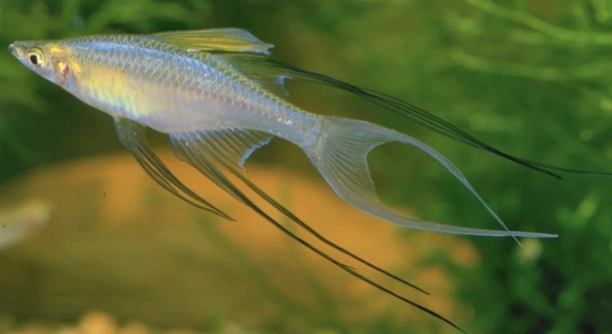
Are you setting up a tall tank for threadfin rainbowfish and wondering how to make it suitable for them? These lively fish need a well-planned environment to thrive in taller aquariums. Proper setup ensures their health and happiness.
To make a tall tank work for threadfin rainbowfish, ensure proper water flow, maintain stable water parameters, provide open swimming areas, include floating plants for cover, and keep the tank well-lit. Regular monitoring and compatible tank mates support their natural behavior.
Learning how to balance space, decoration, and water quality can improve your rainbowfish’s life. Simple adjustments in a tall tank can make a big difference for their well-being.
Choosing the Right Tank Dimensions
When setting up a tall tank for threadfin rainbowfish, the dimensions matter more than you might think. These fish enjoy vertical space but still need enough horizontal room to swim comfortably. A tank that is too narrow can restrict their movement and increase stress. Aim for at least 24 inches in length and 18 inches in width while prioritizing height for natural swimming patterns. A taller tank allows for layered aquascaping, letting you create different zones with floating plants, driftwood, and mid-level hiding spots. Threadfin rainbowfish are active swimmers, so a tank with sufficient surface area is crucial for oxygen exchange. Consider the number of fish you plan to keep, as overcrowding reduces water quality and can lead to aggressive behavior. Choosing the right size also simplifies maintenance, making cleaning and water changes easier. Planning ahead for tank dimensions ensures a balanced environment that supports both fish activity and aesthetic appeal.
A properly sized tank gives threadfin rainbowfish enough room to explore, swim freely, and interact naturally without feeling confined or stressed.
Planning tank dimensions carefully can prevent common health problems and support natural behavior. Adequate swimming space, paired with thoughtful decoration and open areas, creates a balanced environment. A tall tank lets you include floating plants while leaving mid-level zones open. Adding driftwood or small rocks can break up the space and offer hiding spots without restricting swimming. Make sure surface area is sufficient for oxygen exchange, as tall tanks with limited horizontal space can trap gases near the top. The combination of vertical height and proper width encourages active movement and reduces stress, promoting vibrant coloration and stronger immune systems. Water flow should also be considered, as a gentle current enhances swimming activity and keeps the tank clean. Overall, balancing tank height, width, and swimming space creates a thriving habitat where threadfin rainbowfish can exhibit natural behaviors and maintain good health.
Maintaining Water Quality
Stable water parameters are essential for keeping threadfin rainbowfish healthy. They need clean, well-filtered water with consistent temperature, pH, and hardness levels to thrive.
Regular testing of ammonia, nitrite, and nitrate levels helps prevent health problems. Frequent partial water changes maintain cleanliness, and using a reliable filter ensures consistent water circulation.
Water quality affects everything from activity levels to coloration in threadfin rainbowfish. These fish are sensitive to sudden changes in temperature or pH, which can stress them and reduce immunity. Keeping the water slightly soft to moderately hard, with a pH around 6.5 to 7.5, works best. Temperature should remain steady between 24–28°C (75–82°F), avoiding sudden drops that can trigger illness. A tall tank may create areas with lower water circulation, so adding a gentle current can help distribute oxygen evenly. Filtration must handle the volume of water while avoiding overly strong currents that exhaust the fish. Performing weekly partial water changes of 20–30% removes excess waste and prevents nitrate buildup. Using dechlorinated water ensures that tap chemicals do not harm delicate gill tissues. Maintaining stable conditions encourages active swimming, social behavior, and healthy growth, ensuring threadfin rainbowfish remain vibrant and robust in a tall tank setup.
Providing Open Swimming Areas
Threadfin rainbowfish need space to swim freely. Avoid overcrowding decorations and keep open areas in the middle and upper parts of the tank.
Open swimming zones allow natural schooling behavior and reduce stress. Avoid placing tall plants or large rocks in the center. Keep decor along the edges or in corners. Floating plants can provide cover without blocking swimming paths. Ensuring a mix of open water and planted areas encourages exploration while giving fish a sense of security. This arrangement also helps maintain water flow and oxygen distribution throughout the tank. The balance between open areas and hiding spots supports both activity and relaxation, keeping fish healthy and active.
Providing space in a tall tank requires planning. Threadfin rainbowfish thrive in vertical and horizontal swimming zones. Avoid placing dense plants or tall decorations in the center. Group decor along the back and sides to leave a clear swimming corridor. Floating plants give shade without blocking movement. Open swimming areas reduce stress, improve coloration, and encourage schooling behavior.
Clear swimming spaces also aid maintenance. Open zones prevent debris from collecting in crowded corners, making cleaning easier. Fish can navigate the tank freely, improving overall health. Proper spacing supports social interactions, reduces aggression, and enhances visibility of each fish. In tall tanks, layering plants at different heights adds interest while keeping main swimming areas unobstructed. Combining vertical and horizontal openness ensures the environment feels natural, providing safety, activity zones, and comfort for threadfin rainbowfish.
Using Floating Plants
Floating plants give threadfin rainbowfish cover while allowing light to reach lower areas of the tank. They also reduce stress and create a natural look.
Floating plants absorb excess nutrients, limiting algae growth. They offer shaded spots for resting and protection from strong lighting. Choosing hardy species prevents constant replacement, and their roots can shelter fry or smaller fish. Floating plants also help moderate water temperature by blocking direct light and reducing surface evaporation.
Adding floating plants requires attention to balance. Too many can block swimming space and reduce oxygen exchange. Place them so there is still open water below for active swimming. Monitor growth and trim when necessary to maintain a healthy tank. Combining floating plants with mid-level and bottom decor creates layered habitats. This approach provides shade, hiding spots, and visual interest without overcrowding. The fish feel secure, and the aquarium gains a more natural, calming appearance. Regular care ensures plants thrive while supporting fish behavior and overall tank stability.
Adding Mid-Level Hiding Spots
Threadfin rainbowfish feel safer with places to hide without blocking their swimming paths. Use driftwood, rocks, or small plants along the mid-levels.
These mid-level structures break up the tank visually and give fish temporary shelter. Avoid overcrowding, leaving plenty of open swimming space around the decorations.
Maintaining Gentle Water Flow
A gentle current helps distribute oxygen evenly and keeps the tank clean. Avoid strong flows that tire out the fish, as threadfin rainbowfish prefer moderate movement. Proper circulation also prevents stagnant areas and supports healthy plant growth, creating a balanced environment in taller aquariums.
Selecting Compatible Tank Mates
Choose peaceful fish that share similar water preferences with threadfin rainbowfish. Avoid aggressive or overly large species that could stress or harm them. Proper compatibility ensures a calm, harmonious tank environment.
FAQ
How many threadfin rainbowfish can I keep in a tall tank?
Threadfin rainbowfish are schooling fish, so they feel safest in groups. A minimum of six is recommended for a small tank, but larger groups work better for taller tanks. Overcrowding should be avoided, as it increases stress, aggression, and water quality issues.
What temperature is best for threadfin rainbowfish?
Maintain a stable temperature between 24–28°C (75–82°F). Sudden drops or spikes can stress the fish and reduce immunity. Using a reliable heater and thermometer ensures consistent conditions, which is crucial in tall tanks where water may stratify slightly.
Do threadfin rainbowfish need a specific pH or hardness?
They prefer slightly soft to moderately hard water with a pH around 6.5–7.5. Stable parameters support healthy coloration and natural behavior. Regular testing and gradual adjustments prevent sudden swings that can harm these sensitive fish.
What is the best diet for threadfin rainbowfish?
Feed a mix of high-quality flake, frozen, or live foods such as brine shrimp, daphnia, and bloodworms. Variety ensures balanced nutrition and vibrant coloration. Small portions multiple times a day help prevent overeating and maintain water quality.
Can I keep other fish with threadfin rainbowfish?
Yes, choose peaceful, similarly sized fish. Avoid aggressive or large species that could bully or stress them. Compatible tank mates include small tetras, rasboras, and peaceful gouramis. Providing enough open swimming space and hiding spots reduces potential conflict.
How often should I perform water changes?
Weekly partial water changes of 20–30% are recommended. This helps remove waste, maintain water quality, and stabilize chemical parameters. Using dechlorinated water at similar temperature prevents shocking the fish. Regular maintenance ensures long-term health and vitality.
Do threadfin rainbowfish need special lighting?
Moderate lighting works best. Bright light can stress them, while too dim lighting affects plant growth. Floating plants can provide shaded areas, creating a more natural environment. Proper lighting supports coloration, plant health, and overall tank balance.
How can I prevent stress in a tall tank?
Provide open swimming areas, mid-level hiding spots, and floating plants. Keep water parameters stable, maintain a gentle flow, and avoid overcrowding. A calm environment encourages natural schooling behavior and reduces aggression, improving overall fish health.
Is it necessary to use a cover or lid on a tall tank?
Yes, threadfin rainbowfish can jump, especially in tall tanks with strong currents or disturbances. A secure lid prevents escapes while allowing for adequate airflow. Ensure the lid doesn’t block lighting or plant growth.
What signs indicate my threadfin rainbowfish are unhealthy?
Look for faded coloration, lethargy, clamped fins, or loss of appetite. Sudden changes in behavior or visible spots and lesions also indicate potential problems. Early detection and prompt action, such as checking water parameters and diet, can prevent serious illness.
Can I breed threadfin rainbowfish in a tall tank?
Yes, but it requires proper conditions. Include fine-leaved plants or spawning mops for egg-laying. Keep water parameters stable and separate fry once hatched to prevent predation. A tall tank gives enough vertical space for adult fish to swim freely while the fry develop safely.
How do I manage algae in a tall tank?
Floating plants and moderate lighting help reduce algae growth. Regular water changes and avoiding overfeeding prevent nutrient buildup. If algae appears, manually remove it or introduce algae-eating species compatible with threadfin rainbowfish. Consistent care keeps the tank visually appealing and healthy.
Are threadfin rainbowfish sensitive to water flow?
Yes, they prefer gentle to moderate currents. Strong currents can exhaust them, especially in tall tanks where water movement may vary vertically. Using adjustable filters or flow deflectors ensures suitable conditions, keeping the fish comfortable and active.
How long do threadfin rainbowfish live?
With proper care, they can live up to 5–7 years. Maintaining stable water parameters, a balanced diet, sufficient swimming space, and compatible tank mates ensures longevity and vibrant health throughout their lifespan.
Can I keep plants and fish together in a tall tank?
Absolutely. Floating plants, mid-level decorations, and bottom plants create a layered habitat. Ensure plants don’t overcrowd swimming areas. Healthy plants improve water quality, provide cover, and create a natural environment, benefiting both the fish and the tank ecosystem.
How do I acclimate new threadfin rainbowfish?
Float the bag in the tank to match temperatures, then gradually mix tank water into the bag over 30–60 minutes. Slowly releasing the fish prevents shock and stress. Proper acclimation ensures a smooth transition into a new environment.
Is it necessary to monitor water chemistry constantly?
Yes, frequent checks for ammonia, nitrites, nitrates, and pH help prevent issues. Tall tanks can develop vertical differences in temperature or oxygen levels, making monitoring crucial for stable, healthy conditions. Regular testing supports long-term fish health.
Can I keep a single threadfin rainbowfish?
It’s not recommended. They are schooling fish that rely on social interactions. Keeping a single fish can cause stress and behavioral issues. Grouping at least six ensures natural swimming patterns and reduces anxiety, especially in a taller tank.
Do threadfin rainbowfish need supplements?
Occasional vitamins or mineral supplements can support health, especially when feeding mostly dried foods. Live or frozen foods provide natural nutrients, but supplements help maintain immune function, growth, and coloration. Use sparingly to avoid water quality issues.
How do I clean a tall tank without stressing the fish?
Perform partial water changes and clean decorations carefully. Avoid moving fish unnecessarily. Use siphons or gravel vacuums, and keep lighting moderate during maintenance. Maintaining gentle water flow and stable temperature reduces stress during routine cleaning.
Can threadfin rainbowfish live in community tanks?
Yes, with peaceful, similarly sized fish and proper tank setup. Open swimming areas, hiding spots, and floating plants reduce conflict. Avoid aggressive species and overcrowding, which can compromise health and natural behavior. Proper compatibility ensures a calm, thriving environment.
What is the ideal tank setup for breeding?
Include fine-leaved plants or spawning mops, stable water parameters, and a calm environment. Separate adults from fry after hatching. Vertical space allows adults to swim freely while fry grow safely. Proper diet and care increase breeding success and fry survival.
Do they require special filtration?
Use a filter that provides gentle, consistent flow suitable for tall tanks. Avoid strong currents that exhaust fish. Proper filtration maintains water quality, supports plant growth, and ensures oxygen distribution, creating a stable environment for threadfin rainbowfish.
How often should I trim plants in a tall tank?
Regular trimming prevents overcrowding and maintains swimming space. Remove dead leaves and thin out dense areas, especially floating plants, to allow light penetration and proper circulation. This keeps the tank healthy and visually balanced.
Are threadfin rainbowfish sensitive to noise or vibrations?
Yes, they can be startled by loud sounds or frequent disturbances. Place the tank in a stable, quiet area to reduce stress. A calm environment encourages schooling behavior, natural movement, and overall well-being.
What are common health issues?
They are prone to stress-related illnesses, parasitic infections, and fin rot if water quality is poor. Maintaining stable water parameters, a balanced diet, and a stress-free environment prevents most problems. Early detection and treatment improve recovery chances.
Can I use artificial plants instead of live ones?
Yes, but ensure decorations do not have sharp edges. Artificial plants provide hiding spots and visual appeal, though they do not contribute to water quality. Combining them with open swimming space supports fish activity and reduces stress.
How do I introduce new fish to a tall tank?
Acclimate slowly using the bag method, match water temperature, and add small amounts of tank water gradually. Monitor interactions to prevent aggression. Keeping open swimming areas and hiding spots minimizes stress during introductions.
Is lighting important for their health?
Moderate lighting enhances coloration, supports plant growth, and mimics natural conditions. Avoid strong direct light that can stress the fish or encourage excessive algae growth. Floating plants can provide shaded areas to maintain comfort.
Do they need specific substrate?
Fine gravel or sand works best. Avoid sharp or rough substrates that can damage fins. Substrate choice affects planting, water circulation, and waste accumulation, influencing overall tank health.
Can I use a tall tank for other species along with threadfin rainbowfish?
Yes, select peaceful, similarly sized fish. Open swimming space and layered habitats reduce conflicts. Tall tanks allow vertical separation, which can help accommodate multiple species without overcrowding.
How do I ensure oxygenation in a tall tank?
Use gentle water flow, floating plants, and adequate surface agitation. Avoid overly dense plant coverage that blocks oxygen exchange. Proper circulation ensures all levels of the tank remain oxygen-rich for active fish.
What is the best feeding schedule?
Feed small amounts 2–3 times daily. Overfeeding can harm water quality, while too little affects growth and coloration. Live or frozen foods, combined with high-quality flakes, support balanced nutrition.
How do I prevent disease in a tall tank?
Maintain stable water parameters, avoid overcrowding, provide proper diet, and quarantine new fish. Regular monitoring and clean maintenance reduce risk. A calm environment and suitable tank mates help prevent stress-related illnesses.
Can threadfin rainbowfish adapt to different tank heights?
Yes, but they require enough horizontal space to swim freely. Taller tanks allow for vertical layers, floating plants, and decorations without compromising open swimming areas. Proper planning ensures comfort and natural behavior.
Is it necessary to aerate a tall tank?
Aeration can help if oxygen levels drop, especially in densely planted or heavily stocked tanks. Gentle air stones or sponge filters ensure consistent oxygen distribution without stressing fish.
Do they interact with their reflection in glass?
Some may show curiosity or minor territorial behavior. Avoid reflective surfaces if it causes stress. Observing interactions can indicate social behavior or potential stress triggers.
How do I monitor fish health daily?
Observe swimming behavior, coloration, appetite, and interactions. Early signs of stress or illness, like clamped fins or lethargy, allow quick intervention to prevent worsening conditions. Regular monitoring supports long-term health.
Can I breed them in a community tank?
It’s possible but challenging. Provide plenty of hiding spots for fry and monitor adult behavior. Separating fry or using breeding tanks increases survival. Adequate water quality and nutrition are essential for successful breeding.
What is the ideal tank cover height?
A secure lid prevents jumping while allowing air circulation. The cover should accommodate decorations and floating plants without restricting vertical swimming. Proper coverage ensures safety and comfort.
How do I balance decoration and open space?
Place taller plants and rocks along the edges and corners. Keep the center open for swimming. Floating plants and mid-level structures provide cover without restricting movement, maintaining a natural, stress-free environment.
Do they require any special water conditioners?
Use dechlorinated water and conditioners to neutralize heavy metals if needed. Products that support fish health can be used cautiously. Maintaining consistent parameters is more critical than additives.
Can threadfin rainbowfish tolerate slightly different water conditions?
They are somewhat adaptable but sudden changes cause stress. Gradual adjustments in pH, hardness, or temperature minimize impact. Stability ensures healthy behavior and vibrant coloration.
How often should I check filter media?
Clean or replace media according to manufacturer instructions, usually every 4–6 weeks. Avoid over-cleaning, which can remove beneficial bacteria. Proper maintenance maintains water quality and prevents stress.
What tank depth is best for schooling behavior?
Tall tanks help, but horizontal space is equally important. At least 24 inches in length ensures threadfin rainbowfish can swim together naturally while using vertical space for exploration.
Are they sensitive to medication?
Yes, use medications carefully and follow instructions. Overdosing can harm fish, plants, and beneficial bacteria. Quarantine sick fish when possible to protect the main tank.
How can I encourage natural coloration?
Provide varied diet, stable water parameters, and proper lighting. Reducing stress, offering open swimming areas, and maintaining social groups also enhances vibrancy.
Do they need seasonal changes or can the tank remain constant?
A stable environment is preferred. Sudden seasonal changes in temperature or lighting can stress the fish. Mimicking natural light cycles is sufficient for healthy behavior.
How do I prevent aggression in a tall tank?
Maintain open swimming space, provide hiding spots, and keep appropriate group sizes. Avoid mixing aggressive species and monitor behavior to reduce stress. Balanced tank design supports calm interactions.
Can threadfin rainbowfish live with shrimp or snails?
Yes, peaceful invertebrates can coexist. Ensure tank mates are not small enough to be eaten and that water conditions support all species. Invertebrates can help clean the tank naturally.
Is it necessary to rearrange decorations periodically?
Not required unless needed for cleaning or to prevent boredom. Avoid frequent changes, which can stress the fish. Stable arrangements allow fish to feel secure while still exploring.
How do I manage lighting for planted tall tanks?
Moderate, consistent lighting supports plant growth and fish comfort. Use floating plants for shade, avoid intense direct light, and maintain a day-night cycle to mimic natural conditions.
Can I use a sponge filter in a tall tank?
Yes, sponge filters provide gentle filtration suitable for threadfin rainbowfish. They support oxygenation and beneficial bacteria while avoiding strong currents. Pair with open swimming areas for best results.
What are early signs of stress?
Clamped fins, hiding excessively, faded coloration, or erratic swimming indicate stress. Monitoring behavior daily allows prompt action to stabilize conditions and improve fish health.
Do they require nightly darkness?
Yes, a regular light-dark cycle helps regulate natural behavior, feeding, and rest. Avoid leaving lights on constantly, which can increase stress and algae growth.
How do I transport them safely?
Use a secure, well-aerated bag with temperature-matched water. Limit stress by keeping the transport environment calm and avoiding sudden movements. Gradual acclimation is important upon arrival.
Can I use tap water without treatment?
Only if properly dechlorinated and checked for heavy metals. Using conditioners ensures water is safe for sensitive threadfin rainbowfish. Regular testing is necessary to maintain stable parameters.
What is the best method to quarantine new fish?
Keep new fish in a separate tank for 2–4 weeks. Monitor for disease, maintain proper water quality, and feed appropriately. Quarantine prevents introducing pathogens into the main tank.
Do they interact with floating plants?
Yes, they often swim beneath or around floating plants. Plants provide cover and shade, enhancing comfort and reducing stress in tall tanks.
How long should they rest at night?
Eight to twelve hours of darkness is ideal. Proper rest supports immune function, reduces stress, and maintains coloration and activity levels during the day.
Can they tolerate slightly higher nitrate levels?
Mildly elevated nitrates may be tolerated temporarily, but long-term exposure stresses fish and encourages algae growth. Regular water changes prevent accumulation and maintain a healthy environment.
Are threadfin rainbowfish hardy for beginners?
They are moderately hardy but require stable water parameters, proper diet, and social groups. With attention to tank setup and maintenance, they adapt well and remain healthy in tall aquariums.
Do they need substrate for breeding?
No, they lay eggs on plants or spawning mops. Fine-leaved plants help protect eggs, while adult fish can swim freely in the tank without substrate interference.
How can I tell if they are happy in my tank?
Active schooling, bright coloration, normal appetite, and exploration of swimming space indicate healthy, content fish. Calm social interactions and consistent behavior are positive signs.
Can they survive short power outages?
Yes, if oxygen levels are sufficient. Minimize stress by avoiding frequent outages. In longer outages, consider battery-operated air pumps to maintain aeration.
Do they need special water circulation in a tall tank?
Moderate, gentle circulation is enough. It ensures oxygen distribution and waste removal without tiring the fish. Adjust flow as needed to suit tank height and swimming patterns.
Are they compatible with bettas?
Not recommended. Bettas can be aggressive and may stress threadfin rainbowfish, especially in confined areas. Peaceful schooling fish are safer companions.
What is the minimum tank size for a small group?
A 30-gallon tall tank works for six fish, but larger groups require proportionally bigger tanks. Ensuring open swimming space and vertical height supports natural behavior and reduces stress.
Can I keep them in a planted tank only?
Yes, planted tanks with open swimming areas work well. Balance decorations and plants to prevent overcrowding while providing shade, hiding spots, and natural aesthetics.
Do they jump often?
They may occasionally jump, especially if startled. A secure lid prevents escapes and protects the fish from injury.
How long does acclimation take?
Gradual acclimation over 30–60 minutes reduces stress and prevents shock. Slowly mixing tank water with the transport bag helps fish adjust to new conditions.
Can they tolerate slightly different water hardness?
Yes, moderate variation is acceptable, but sudden changes can cause stress. Gradual adjustments help fish adapt safely.
Do they require routine health checks?
Yes, regular observation for behavior, appetite, and physical signs of illness ensures prompt intervention. Early detection prevents serious health problems and maintains a thriving aquarium.
Can I use fertilizers in a planted tall tank?
Yes, but carefully. Use doses suitable for fish-safe environments. Avoid overdosing, which can harm water quality and fish health.
Are they sensitive to ammonia?
Yes, even low levels can stress or harm them. Maintaining filtration, regular water changes, and monitoring ensures ammonia remains at zero.
Can they coexist with goldfish?
Not recommended. Goldfish produce high waste and prefer cooler water, which may stress threadfin rainbowfish and disrupt water quality.
Do they need a sand or gravel substrate?
Either works as long as it is smooth and safe. Substrate choice affects planting and waste management, influencing overall tank health.
How do I prevent fin damage in a tall tank?
Avoid sharp decorations, overcrowding, and aggressive tank mates. Smooth plants and safe ornaments minimize risk, supporting healthy fins.
Are they sensitive to water changes?
Yes, sudden large changes can stress them. Gradual, consistent partial water changes maintain stable conditions and promote long-term health.
Do they need supplemental lighting for coloration?
Moderate lighting enhances natural colors. Overly bright or dim lighting can stress fish or hinder plant growth. Floating plants provide shade while maintaining visual appeal.
Can they tolerate slightly lower temperatures?
Short-term exposure to slightly cooler water is manageable, but long-term temperatures below 24°C (75°F) can stress fish and slow
Final Thoughts
Setting up a tall tank for threadfin rainbowfish requires careful planning and attention to detail. These fish are active swimmers and schooling creatures, so they need both vertical and horizontal space to move freely. Choosing the right tank dimensions is the first step. A tank that is too narrow can make them feel confined, while a tank that is wide enough gives them room to swim naturally. Open swimming areas in the center, combined with decorations and plants along the edges, create a balanced environment. Floating plants provide shade and a sense of security, while mid-level hiding spots like driftwood or rocks allow them to feel safe without restricting movement. This combination of open space and shelter reduces stress and supports natural behaviors.
Maintaining water quality is equally important in a tall tank setup. Threadfin rainbowfish are sensitive to sudden changes in temperature, pH, and hardness. Keeping the water parameters stable ensures that the fish remain healthy and display vibrant colors. Regular partial water changes and careful monitoring of ammonia, nitrite, and nitrate levels help prevent water quality problems. Using a reliable filter with gentle water flow promotes oxygen circulation throughout the tank, preventing stagnant areas at different depths. This is particularly important in taller tanks where water may stratify slightly. Additionally, a moderate lighting setup, along with floating plants, helps regulate the environment and supports plant growth without stressing the fish. A consistent routine of cleaning, monitoring, and maintaining the tank contributes to the long-term well-being of threadfin rainbowfish.
Diet and social structure also play a key role in a tall tank. Feeding a varied diet of high-quality flakes, frozen foods, and occasional live foods ensures proper nutrition and encourages natural behavior. Threadfin rainbowfish thrive in groups of at least six, as schooling behavior reduces stress and promotes activity. Choosing compatible tank mates further supports a calm environment, while avoiding aggressive or overly large species prevents conflict. Regular observation of behavior, appearance, and appetite allows early detection of potential health issues, making it easier to address them before they become serious. By balancing swimming space, water quality, diet, and social interaction, a tall tank can become a suitable, thriving environment for threadfin rainbowfish. When these factors are considered together, the tank becomes more than just an aquarium; it becomes a stable, safe habitat that supports natural behavior, reduces stress, and allows the fish to flourish over time.

Hello,
If you enjoy the content that we create, please consider saying a "Thank You!" by leaving a tip.
Every little bit helps us continue crafting quality advice that supports the health, happiness, and well-being of pets around the world, for pets of all shapes, sizes, and species.
We really appreciate the kindness and support that you show us!