
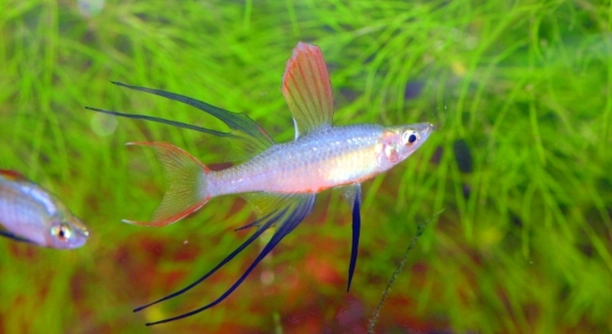
Have you ever noticed your threadfins acting differently in their tank or pond, swimming less actively than usual or seeming stressed? These subtle changes can sometimes point to issues with water quality that need attention.
Poor water quality in habitats for threadfins can lead to health problems, stress, and decreased growth. Recognizing early warning signs such as cloudiness, odor, or abnormal fish behavior is essential for maintaining a safe and healthy aquatic environment.
Monitoring water conditions regularly and understanding these warning signs can help protect your threadfins and prevent serious issues before they escalate.
Cloudy or Discolored Water
When the water in your threadfin tank or pond appears cloudy, green, or otherwise discolored, it is often a sign of imbalance. Cloudiness can result from overfeeding, decaying plant matter, or a spike in harmful bacteria. Threadfins are sensitive to changes in water clarity, and prolonged exposure can stress their immune system. It’s important to test for ammonia, nitrite, and nitrate levels, as these compounds can increase rapidly in poorly maintained water. Performing partial water changes regularly and avoiding overstocking helps maintain clarity. Filtration systems should be checked often to ensure they are functioning properly, and any buildup of organic debris should be removed promptly. Observing your threadfins during feeding and swimming can also provide clues; lethargic or erratic movements often accompany cloudy water conditions. Maintaining stable temperature and pH levels supports their overall health. Clear, balanced water keeps threadfins active and reduces the risk of disease.
Cloudy water directly affects oxygen levels, making it harder for threadfins to thrive and increasing their stress levels.
Consistent observation of water quality allows for early intervention, reducing the likelihood of serious health problems. Small adjustments, like reducing feeding or cleaning filters more frequently, can restore clarity. Healthy threadfins are more active, display natural coloration, and are less prone to infections, making water management a key aspect of proper care.
Foul or Strong Odor
A noticeable bad smell from the water indicates decay or bacterial buildup.
Foul odors often come from decomposing food, waste accumulation, or overgrown algae. Threadfins exposed to smelly water may reduce feeding or show unusual behavior. Testing water chemistry can pinpoint the source of the problem. Regular cleaning, proper filtration, and limiting leftover food are essential. Avoid letting organic matter linger, as this increases ammonia and nitrite, which are harmful to fish. Installing aeration devices can improve oxygen levels, reducing bacterial growth. Monitoring the tank or pond daily ensures odors do not return. Even minor smells should be addressed immediately, as prolonged exposure affects fish health. Using activated carbon in filters can help remove odor-causing substances. By maintaining water cleanliness, your threadfins remain energetic and healthy. Consistent attention to both water quality and feeding habits prevents repeated odor issues and keeps the habitat safe.
Abnormal Fish Behavior
Threadfins that dart around frantically, stay near the surface, or hide more than usual may be responding to poor water conditions. Such behavior is often linked to low oxygen levels, high toxins, or sudden changes in temperature.
Observing your threadfins closely is essential. Lethargy, erratic swimming, or frequent gasping at the surface are warning signs that water quality is compromised. These behaviors can precede illness if conditions are not corrected quickly. Testing pH, ammonia, nitrite, and nitrate levels can identify imbalances. Correcting water parameters gradually helps avoid additional stress. Adjusting feeding routines and removing uneaten food reduces waste buildup, which can improve behavior. A well-maintained environment encourages natural activity and proper growth in threadfins.
Consistent monitoring allows you to recognize small changes before they escalate. Maintaining stable temperature, proper filtration, and clean water reduces stress. Addressing these behaviors early improves overall health, ensuring threadfins remain active, feed normally, and exhibit natural coloration, which reflects a well-balanced aquatic environment.
Excessive Algae Growth
Excessive algae indicates nutrient imbalance, often from overfeeding or poor filtration. It reduces oxygen levels and can harm threadfins if left unchecked.
Algae blooms compete for oxygen and light, which affects the health of threadfins and other aquatic life. High nitrate and phosphate levels encourage rapid algae growth. Manual removal, combined with regular water changes, can help control algae. Using natural cleaners, such as snails or certain plants, may also reduce algae buildup. Ensuring your tank or pond is not exposed to direct sunlight for extended periods limits growth further. Monitoring nutrient levels and maintaining a clean environment prevents recurring blooms and keeps threadfins comfortable.
A proactive approach is critical for preventing algae from overwhelming the habitat. Regular testing of water chemistry, combined with proper filtration and careful feeding, keeps nutrient levels balanced. Adjusting light exposure and removing decaying matter reduces the likelihood of excessive algae growth. In some cases, adding live plants helps absorb nutrients, further controlling algae naturally. By taking these steps, threadfins experience less stress, enjoy higher oxygen levels, and maintain normal behavior, ensuring they thrive in a clean and stable environment.
Unusual Cloudiness on Fish
A thin layer or film on your threadfins’ bodies can indicate poor water quality or bacterial growth. Immediate action is needed to prevent illness.
Regular water changes and cleaning the tank or pond help remove contaminants. Maintaining proper filtration reduces the risk of cloudiness affecting fish health.
Rapid Temperature Fluctuations
Threadfins are sensitive to sudden temperature changes, which can stress their immune system and make them more vulnerable to disease. Maintaining stable water temperature is crucial. Using a reliable heater or monitoring outdoor ponds during weather changes helps keep conditions steady, ensuring your fish remain healthy and active.
Fish Loss or Mortality
Unexpected deaths in your threadfin population often reflect underlying water issues. Poor oxygen levels, toxins, or prolonged exposure to imbalanced conditions can be fatal. Observing patterns and testing water parameters immediately after any loss helps identify problems. Quick intervention is key to preventing further mortality.
FAQ
How often should I test the water for my threadfins?
Testing water at least once a week is recommended, especially in smaller tanks or heavily stocked ponds. Frequent checks help catch early signs of ammonia, nitrite, or nitrate spikes. Consistent monitoring allows adjustments to filtration, feeding, and water changes before problems affect your fish.
What is the safest way to perform a water change?
Replace 20–30% of the water at a time to avoid shocking your threadfins. Use dechlorinated water at the same temperature and similar pH. Gradual changes help maintain stability and reduce stress, keeping fish healthy and active.
Can overfeeding affect water quality?
Yes, overfeeding is a major factor in poor water quality. Uneaten food decomposes and increases ammonia and nitrite levels. Feeding only what threadfins can consume in a few minutes prevents waste buildup. Monitoring feeding habits also helps maintain balanced water conditions.
What are the signs of ammonia poisoning in threadfins?
Threadfins exposed to high ammonia may gasp at the surface, become lethargic, or display red or inflamed gills. These symptoms indicate an immediate need for water testing and partial water changes to reduce toxic levels and protect your fish.
Is it necessary to use a water filter for threadfins?
Filters are essential for maintaining a clean environment, especially in tanks or small ponds. They remove waste, excess food, and harmful chemicals. Regular maintenance of filters ensures proper functioning and prevents the accumulation of debris that can harm your fish.
How can I control algae without harming my threadfins?
Reduce sunlight exposure and limit nutrients by removing uneaten food and performing regular water changes. Adding live plants can naturally compete with algae for nutrients. Avoid harsh chemical treatments, as threadfins are sensitive to toxins and sudden changes in water chemistry.
Why do my threadfins hide more than usual?
Excessive hiding is often a response to stress from poor water quality or temperature changes. Check oxygen levels, filtration, and water clarity. Adjusting these conditions gradually encourages normal behavior and reduces stress, helping your threadfins feel secure.
Can temperature changes cause long-term problems?
Rapid or frequent temperature fluctuations weaken the immune system, making threadfins susceptible to disease. Keeping water temperature stable with heaters or shaded areas in outdoor ponds prevents stress, supporting overall health and growth.
How do I know if my water has high nitrate levels?
High nitrates may not be immediately visible, but long-term effects include slower growth, stress, and unusual behavior. Regular testing with water kits is essential. Partial water changes, proper filtration, and controlled feeding reduce nitrate accumulation effectively.
What should I do if a fish dies suddenly?
Remove the fish immediately and test water parameters for ammonia, nitrite, nitrate, and pH. Identify possible sources of contamination or stress. Conduct a partial water change and observe remaining fish closely. Prompt action can prevent further losses and maintain a safe habitat.
How can I prevent repeated water quality issues?
Consistent maintenance is key: regular water testing, proper feeding, cleaning filters, and partial water changes. Monitoring behavior, algae growth, and water clarity helps catch problems early. A routine schedule ensures your threadfins remain healthy and the habitat stays stable over time.
Are there natural ways to improve water quality?
Yes, adding live plants, snails, or certain microorganisms can help reduce excess nutrients naturally. These additions support a balanced ecosystem, compete with algae, and help maintain oxygen levels, providing a safer and more stable environment for threadfins.
What is the best way to monitor fish health daily?
Observe activity levels, feeding behavior, coloration, and interactions with other fish. Early detection of lethargy, abnormal swimming, or hiding allows timely intervention. Consistent daily checks help maintain water quality and overall fish health.
How long does it take to restore water quality after a problem?
Recovery time depends on the severity of the issue. Minor imbalances may improve in a few days with partial water changes and filtration. Severe problems can take a week or more. Gradual adjustments ensure threadfins adapt safely to restored conditions without additional stress.
Can overcrowding affect water quality?
Overcrowding increases waste production, reduces oxygen levels, and stresses threadfins. Maintaining appropriate stocking densities helps balance the ecosystem, making water easier to manage and preventing health issues caused by poor water quality.
How can I safely acclimate new threadfins?
Introduce new fish gradually by floating the bag in the tank or pond for 15–30 minutes, then slowly mix small amounts of tank water into the bag. This helps threadfins adjust to temperature, pH, and water chemistry without stress or shock.
What routine tasks keep water quality stable?
Daily observation, weekly water testing, partial water changes, filter cleaning, and careful feeding are essential. Removing uneaten food and debris prevents nutrient buildup. Maintaining consistent temperature and pH ensures threadfins remain healthy and the habitat stable over time.
Are there quick fixes for water quality problems?
Quick fixes like chemical treatments or large water changes can help in emergencies but may stress fish. Gradual adjustments, consistent monitoring, and small corrections usually yield better long-term results, keeping threadfins healthy without sudden shocks to their environment.
How can I identify early warning signs in threadfins?
Watch for abnormal swimming, gasping at the surface, loss of appetite, hiding, or changes in coloration. Combined with water testing, these observations provide early indications of poor water quality, allowing for immediate action before serious health issues develop.
What equipment is essential for maintaining water quality?
Basic tools include a reliable water test kit, filter system, heater (if needed), aeration devices, and cleaning supplies. These allow consistent monitoring, adjustments, and maintenance, creating a stable environment for threadfins to thrive.
Can poor water quality affect fish growth?
Yes, threadfins exposed to suboptimal water conditions often experience slower growth, stress, and weakened immunity. Stable water parameters, proper feeding, and regular maintenance support normal development and overall health, ensuring fish reach their full potential.
What are the most common mistakes owners make with water quality?
Overfeeding, infrequent water testing, ignoring filtration maintenance, overcrowding, and sudden temperature changes are frequent mistakes. Avoiding these practices through careful observation, consistent routines, and proper equipment use helps maintain a healthy environment for threadfins.
How do I know when it’s safe to add new fish?
Water should be stable with normal parameters for at least a week after any adjustments or treatment. Monitoring existing fish for stress or illness ensures the environment is safe before introducing new threadfins. Gradual acclimation further reduces risks.
What should I do if water clarity doesn’t improve?
Persistent cloudiness may indicate filter issues, overfeeding, or hidden organic debris. Check filtration, remove decaying matter, reduce feeding, and perform partial water changes. Continuous monitoring and adjustments are essential until water clarity stabilizes.
How can I balance natural and artificial environments?
Incorporate live plants, controlled feeding, regular water testing, and proper filtration. Adjust light exposure and maintain oxygen levels. A combination of natural elements and equipment ensures stable water conditions while supporting the health and activity of threadfins.
Are there seasonal considerations for outdoor ponds?
Temperature fluctuations, rainfall, and sunlight changes can affect water chemistry. Adjust feeding, provide shaded areas, and monitor oxygen levels more frequently. Seasonal maintenance helps prevent water quality problems and ensures threadfins remain healthy throughout the year.
What steps help prevent disease from poor water quality?
Maintaining stable water parameters, cleaning the habitat regularly, performing partial water changes, and monitoring fish behavior reduce stress and disease risk. Early detection and consistent care create a safe environment that supports strong immunity and overall health.
How can I educate myself about threadfin water care?
Read guides, join forums, and consult local aquaculture experts. Learning about species-specific needs, water chemistry, and habitat management helps you make informed decisions and maintain a healthy environment for your threadfins.
What indicators show long-term water stability?
Clear water, consistent oxygen levels, balanced pH, absence of foul odors, healthy algae levels, and active, well-colored fish all indicate a stable environment. Regular observation and testing confirm that conditions remain optimal over time.
Can I combine different preventive methods?
Yes, using a combination of proper feeding, live plants, filtration, partial water changes, and daily observation provides a comprehensive approach. This reduces the risk of water quality problems and promotes the overall health and growth of threadfins.
What are the signs of stress in threadfins from poor water quality?
Stress may appear as reduced activity, clamped fins, unusual hiding, rapid gill movement, loss of appetite, or faded coloration. Recognizing these signs early allows for prompt corrective action to restore water quality and protect fish health.
How do I maintain water quality with multiple species?
Monitor interactions, waste production, and specific needs of each species. Adjust feeding, filtration, and stocking densities to ensure balanced conditions. Regular testing and observation are essential to prevent stress and maintain a stable environment for all fish.
Are there long-term consequences of ignoring water issues?
Chronic poor water quality can lead to disease, stunted growth, shortened lifespan, and repeated mortality. Proactive monitoring, regular maintenance, and addressing small problems early prevent serious long-term impacts and ensure a thriving fish population.
How do I know which water parameters are ideal for threadfins?
Research species-specific requirements for temperature, pH, ammonia, nitrite, nitrate, and oxygen levels. Use reliable test kits to monitor these parameters consistently. Maintaining recommended ranges ensures threadfins remain healthy, active, and grow properly in their environment.
What’s the best approach to problem-solving water quality issues?
Identify the root cause, adjust feeding, clean the habitat, perform partial water changes, and test water parameters. Make gradual corrections to avoid shocking fish. Continuous observation ensures the problem is resolved and water conditions remain stable.
How can I create a preventive maintenance routine?
Set a schedule for water testing, partial water changes, filter cleaning, feeding adjustments, and observation of fish behavior. Consistency ensures early detection of issues, supports stable water quality, and keeps threadfins healthy and active.
Are there any quick visual checks for water problems?
Yes, watch for cloudy water, unusual odors, algae overgrowth, and abnormal fish behavior. These indicators often signal issues requiring immediate attention. Frequent visual checks complement water testing and help maintain a safe, balanced environment for threadfins.
How important is aeration for maintaining water quality?
Aeration improves oxygen levels, supports beneficial bacteria, and helps prevent toxin buildup. Air pumps, fountains, or surface agitation in ponds maintain stable oxygenation, reducing stress on threadfins and promoting overall health in the habitat.
Can small mistakes accumulate into bigger problems?
Yes, ignoring minor issues like leftover food, small debris, or infrequent water changes can lead to significant water quality deterioration. Consistent care prevents small mistakes from escalating into serious health risks for threadfins.
How do I know if my filtration system is sufficient?
Monitor water clarity, chemical levels, and fish behavior. If cloudiness persists, ammonia spikes occur, or fish show stress signs, filtration may be inadequate. Upgrading or maintaining filters ensures consistent removal of waste and debris.
What tools help me track water quality effectively?
Reliable water test kits, thermometers, timers for aeration, and cleaning equipment allow you to monitor and maintain optimal conditions. Regular record-keeping helps track trends, spot problems early, and maintain a healthy environment for threadfins.
Can I use natural remedies for minor water issues?
Yes, live plants, snails, and beneficial bacteria can help control nutrients and maintain balance. These solutions complement regular maintenance and support stable water quality without introducing harsh chemicals that could stress threadfins.
How can I reduce stress during water maintenance?
Perform partial water changes gradually, avoid sudden temperature shifts, and maintain consistent pH levels. Handling fish minimally and ensuring gradual adjustment to new water helps reduce stress and keeps threadfins healthy.
What’s the ideal observation schedule for my threadfins?
Daily checks for activity, feeding, coloration, and behavior combined with weekly water testing create a comprehensive monitoring routine. This ensures early detection of problems and timely intervention, maintaining a stable and safe environment.
How do I balance cleaning frequency with fish comfort?
Clean the habitat regularly but avoid large, sudden changes. Partial water changes, gentle filter cleaning, and gradual adjustments minimize stress. Consistent, moderate maintenance keeps water quality high and threadfins comfortable.
Can minor pH fluctuations harm threadfins?
Even small, repeated shifts in pH can stress threadfins, affecting feeding, growth, and immunity. Monitoring pH and stabilizing it gradually with buffers or water changes ensures a safe and stable environment.
What are the best practices for outdoor pond water quality?
Shade areas, manage runoff, monitor oxygen levels, and perform seasonal water changes. Remove debris and excess nutrients, maintain proper stocking density, and adjust feeding according to temperature. These practices help prevent water quality problems and support healthy threadfins.
How can I track improvements after fixing water issues?
Observe fish behavior, feeding, coloration, and activity levels, alongside regular water testing. Clearer water, stable parameters, and active, healthy threadfins indicate successful restoration of water quality and ongoing stability.
What should I do if water issues recur frequently?
Investigate patterns such as overfeeding, inadequate filtration, or environmental factors. Adjust maintenance routines, improve filtration, and monitor water chemistry more closely. Identifying root causes prevents repeated problems and ensures long-term health for threadfins.
How do I know when my water is ideal for threadfins?
Ideal water is clear, odorless, balanced in pH, free from excessive algae, and supports active, healthy fish. Regular observation and testing confirm optimal conditions, allowing threadfins to thrive in a stable and safe environment.
What combination of practices ensures the best water quality?
Daily observation, careful feeding, partial water changes, regular filtration maintenance, aeration, and live plant support create a comprehensive strategy. Combining these practices prevents problems, supports fish health, and maintains a balanced aquatic ecosystem.
How do I educate myself about changes in water quality?
Keep records, observe trends, read species-specific care guides, and consult experts. Understanding how different factors interact allows informed decisions, helping maintain optimal water quality and healthy threadfins over time.
How do I balance multiple preventive strategies?
Implement consistent routines, monitor fish behavior, maintain filtration, aeration, and plants, and adjust feeding carefully. Combining these strategies supports water stability, reduces stress, and promotes long-term health and growth of threadfins.
Can threadfins recover fully from short-term water stress?
Yes, if poor conditions are corrected promptly. Gradual restoration of water quality, stable parameters, and stress reduction allows threadfins to regain appetite, coloration, and normal activity, ensuring recovery from temporary environmental issues.
What is the most important factor in long-term water quality maintenance?
Consistency in monitoring, testing, cleaning, and observing fish behavior ensures ongoing stability. Preventive care, combined with prompt intervention for problems, maintains a safe environment and supports the health and growth of threadfins over time.
How do I create a sustainable routine for my threadfins?
Daily checks, weekly testing, careful feeding, partial water changes, filter and aeration maintenance, and observation of fish behavior form the core. Consistency ensures water remains balanced, problems are caught early, and threadfins remain healthy and active.
What signs indicate that my water care routine is working?
Clear water, healthy algae levels, active swimming, normal feeding, vibrant coloration, and stable water parameters all show the routine is effective. Regular checks confirm continued success in maintaining optimal water quality and a healthy habitat.
How do I prevent minor issues from becoming serious problems?
Address small signs like cloudiness, odor, algae growth, or abnormal fish behavior immediately. Partial water changes, filtration checks, careful feeding, and monitoring prevent escalation, ensuring threadfins remain healthy in a stable environment.
How can I adapt my routine for different seasons or climates?
Adjust feeding, aeration, shading, and water change frequency according to temperature and weather patterns. Monitor oxygen levels and water chemistry more closely during extreme conditions. Adapting routines prevents stress and maintains water quality year-round.
Can threadfins indicate water quality problems before tests show them?
Yes, behavioral changes, gasping, hiding, and loss of appetite are early warning signs. Observing fish closely complements testing and allows immediate action to maintain optimal water conditions.
How important is record-keeping for water quality?
Tracking water parameters, cleaning schedules, feeding, and fish behavior helps identify patterns, spot early problems, and maintain long-term stability. Records guide adjustments and ensure a consistent, healthy environment for threadfins.
What combination of monitoring methods is most effective?
Daily observation, weekly testing, and visual inspections of algae and debris provide a complete picture. Using multiple methods ensures early detection, timely interventions, and sustained water quality for healthy threadfins.
How do I reduce human error in water maintenance?
Create a schedule, follow standardized procedures, use reliable equipment, and document actions. Consistency reduces mistakes, ensures accurate monitoring, and maintains a safe environment for threadfins.
What is the role of feeding in water quality maintenance?
Controlled feeding prevents leftover food from decomposing, reducing ammonia and nitrate buildup. Feeding appropriate amounts supports healthy growth while minimizing nutrient overload, which helps maintain stable water quality.
How can I tell if stress from water quality has affected threadfin health?
Indicators include faded color, reduced appetite, hiding, erratic swimming, and slower growth. Correcting water conditions, improving habitat stability, and monitoring behavior allow recovery and restoration of normal health.
Are there any signs that water quality is improving?
Clear water, reduced odor, balanced algae, stable pH, and active, healthy fish all indicate improvement. Observing these changes alongside regular testing confirms that interventions are effective.
What is the single most effective preventive step?
Consistent monitoring combined with timely adjustments—feeding, water changes, filtration, and observation—prevents most water quality problems and supports long-term threadfin health.
How often should equipment be maintained?
Filters, aeration systems, and heaters should be checked and cleaned weekly or as needed. Proper maintenance ensures functionality and prevents water quality deterioration.
Can environmental enrichment affect water quality?
Yes, adding plants and safe decorations can improve oxygen levels and provide surfaces for beneficial bacteria. Enrichment must be maintained and cleaned to avoid debris buildup, supporting stable water conditions.
How do I prioritize multiple water quality issues?
Address factors that directly threaten fish health first, such as ammonia spikes or low oxygen. Then manage secondary issues like algae or minor cloudiness. Prioritization ensures immediate threats are resolved while maintaining long-term stability.
**What’s the best way to learn from past
Maintaining good water quality is essential for the health and well-being of threadfins. Consistent observation, regular water testing, and proper habitat maintenance are key factors that keep fish healthy. Threadfins are sensitive to changes in water conditions, and even small imbalances in pH, temperature, or chemical levels can create stress. Stress makes fish more susceptible to illness, affects their growth, and can sometimes lead to unexpected deaths. By paying attention to daily behavior, feeding patterns, and overall appearance, you can detect early signs of problems before they escalate. Healthy threadfins are active, display natural coloration, feed normally, and swim with ease. Ensuring the water environment remains stable provides a foundation for these positive behaviors, helping the fish thrive over time.
Regular water changes and proper filtration play a major role in maintaining a safe habitat. Partial water changes remove accumulated waste, excess nutrients, and harmful chemicals, while filtration systems help circulate and clean the water continuously. Overfeeding should be avoided, as leftover food decomposes and contributes to poor water conditions. Algae growth, cloudiness, and foul odors often result from nutrient imbalances caused by overfeeding or insufficient cleaning. Controlling algae through light management, plant additions, or careful cleaning prevents oxygen depletion and harmful chemical buildup. Threadfins benefit from well-maintained habitats with clear water, stable temperature, and adequate oxygen. These conditions reduce stress, support proper growth, and help fish resist disease. Even small adjustments, such as cleaning filters or monitoring nutrient levels, can significantly improve the overall environment and contribute to long-term health.
Observation and proactive care are crucial for preventing recurring water quality issues. Paying attention to water clarity, odor, temperature, and fish behavior allows timely intervention before problems worsen. Seasonal changes, overcrowding, and temperature fluctuations can all affect water balance, so adjustments may be needed throughout the year. Using live plants, proper aeration, and regular testing supports a balanced ecosystem and reduces the risk of sudden deterioration. Creating a routine for maintenance and monitoring provides consistency, helping threadfins adapt to their environment and remain healthy. In addition, gradual changes in water parameters prevent shock, allowing the fish to adjust safely. Maintaining a stable habitat is not just about preventing problems but also promoting natural activity, growth, and overall well-being. With consistent care, attention, and proper water management, threadfins can thrive in a safe and balanced environment, ensuring their health and longevity for years to come.

Hello,
If you enjoy the content that we create, please consider saying a "Thank You!" by leaving a tip.
Every little bit helps us continue crafting quality advice that supports the health, happiness, and well-being of pets around the world, for pets of all shapes, sizes, and species.
We really appreciate the kindness and support that you show us!