
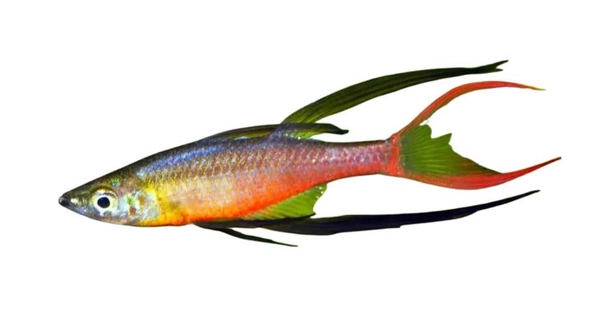
Many aquarists enjoy adding small, colorful fish to their tanks, but the first day with a new Threadfin Rainbowfish can be a mix of excitement and adjustment. Observing their initial behavior sets the tone for future care.
Threadfin Rainbowfish typically exhibit cautious swimming, exploring their surroundings while maintaining a safe distance. Initial stress may appear as clamped fins or hiding, but stable water conditions, gentle handling, and proper acclimation help them gradually adapt to their new environment.
Learning how they interact with the tank and other fish will give insight into their comfort level and help ensure a smooth transition.
Preparing the Tank Before Arrival
Before bringing home Threadfin Rainbowfish, the tank should be fully cycled and stable. These fish are sensitive to sudden changes in water chemistry, so testing parameters like pH, ammonia, nitrite, and nitrate is essential. A 20-gallon tank or larger is recommended to provide enough swimming space. Ensure the water temperature is steady between 74–78°F and that gentle filtration and aeration are in place. Adding live plants and hiding spots helps reduce stress and gives them areas to explore safely. Lightly decorating with driftwood or smooth rocks can create natural boundaries, which also reduce aggression. Water changes should be performed regularly, ideally 20–25% weekly, to maintain quality. Preparing the tank properly minimizes the chance of illness and helps your fish adjust quickly. Setting up the tank a few days in advance allows it to stabilize, ensuring your new fish have a comfortable environment from day one.
Acclimating your fish in a stable tank reduces stress and encourages healthier, more active behavior immediately.
Following proper preparation ensures your Threadfin Rainbowfish adapts smoothly, explores the tank confidently, and begins feeding without hesitation. A well-maintained environment supports long-term health, encourages natural swimming patterns, and allows them to display their subtle colors. Observing their behavior in a properly set-up tank helps identify any potential issues early, allowing for timely adjustments to water parameters or tank arrangement. Over time, a calm, stress-free environment will foster growth, vibrant colors, and interaction with other peaceful species. Planning ahead and keeping conditions stable is the key to successful introduction.
Feeding on the First Day
Threadfin Rainbowfish may be hesitant to eat immediately, especially if stressed or adjusting to a new environment.
Start with small portions of high-quality flake or micro-pellets. Observing feeding behavior helps gauge comfort levels and ensures no food goes uneaten, maintaining water quality.
Offering food slowly and consistently helps them settle and reduces stress. Introduce a variety of foods over the first week to see preferences, including live or frozen options like brine shrimp or daphnia. Avoid overfeeding, as uneaten food can pollute the tank and harm water parameters. Watch for signs of reluctance or rapid swimming near the surface, which indicate stress. Maintaining a calm environment during feeding encourages normal eating habits. Over time, they will establish a routine and begin showing the bright, reflective colors they are known for, which signals good health. Paying attention to feeding patterns in the first day sets the tone for future care and keeps the fish thriving in a stable, nourishing environment.
Observing Behavior
Threadfin Rainbowfish may swim in small groups, often staying near the middle or upper levels of the tank. Sudden darting or hiding is normal during the first hours.
Watching their interactions helps identify comfort levels and potential stress. Shy movements or clamped fins indicate adjustment, while steady swimming shows confidence. Keeping lights dim initially can reduce stress. Notice how they explore decorations and plants, as this gives insight into their curiosity. Avoid tapping the glass or sudden movements, which may make them retreat. Observing for the first day provides a baseline for future behavior, helping you detect changes quickly.
Their social nature becomes clear quickly. They often mirror each other’s movements, forming loose groups while occasionally separating to explore. Even minor changes in surroundings or water conditions can trigger visible reactions. Ensuring the tank remains calm and quiet encourages them to venture further, eat comfortably, and display natural colors. Over time, consistent observation helps establish trust and familiarity with the tank environment, reducing stress and promoting healthier interactions with other peaceful species.
Consistent behavior observation also allows you to notice early signs of illness or distress. Changes in swimming patterns, unusual hiding, or refusal to eat can indicate water issues or disease. Addressing these concerns early ensures long-term health and reduces risks. Familiarity with their typical first-day reactions helps distinguish temporary adjustment from serious problems. By keeping a close watch, you create an environment that feels safe, encourages exploration, and allows them to thrive alongside other tank mates without unnecessary tension.
Water Quality and Maintenance
Maintaining stable water quality is crucial for Threadfin Rainbowfish during their first day. Check temperature, pH, and ammonia levels frequently to prevent stress.
Regular monitoring allows you to catch any spikes or drops in water parameters. Even small fluctuations can affect feeding behavior and activity. Use gentle filtration and avoid strong currents. Partial water changes of 10–20% may be done if levels deviate from optimal ranges. Avoid over-cleaning the substrate initially, as this can disturb beneficial bacteria. Keeping water conditions stable reduces the risk of illness and helps fish acclimate faster. Monitoring clarity and removing uneaten food supports a healthy environment.
Consistency in water quality impacts long-term health and coloration. Sudden shifts can lead to stress responses such as hiding or clamped fins. Maintaining proper oxygenation, filtration, and temperature control prevents these issues and supports normal activity levels. Over time, stability promotes regular feeding habits, encourages natural schooling, and reduces aggressive interactions. Water testing tools provide quick feedback, allowing adjustments before conditions become harmful. Prioritizing maintenance in the first 24 hours sets the stage for a comfortable, low-stress environment where your Threadfin Rainbowfish can settle confidently.
Acclimation Process
Gradual acclimation reduces stress on Threadfin Rainbowfish. Drip or float methods help them adjust to temperature and water chemistry slowly, preventing shock.
Avoid rushing this process. Sudden changes in water can cause hiding, clamped fins, or refusal to eat. Patience ensures a smoother transition.
Compatibility with Tank Mates
Threadfin Rainbowfish are peaceful and do well with other non-aggressive species of similar size. Avoid overly territorial or large predatory fish. Keeping them in groups of at least six encourages natural schooling behavior and reduces stress. Observe interactions closely during the first day.
Signs of Stress
Stress can appear as clamped fins, rapid swimming, or hiding. Monitor these behaviors carefully during the first hours to ensure proper acclimation.
FAQ
How long will it take for Threadfin Rainbowfish to settle in?
Most Threadfin Rainbowfish start exploring within a few hours, but complete acclimation can take several days. Initial hiding or clamped fins are normal. Stable water conditions, proper tank setup, and minimal disturbances help them adjust faster. Monitoring daily ensures you notice any unusual behavior early.
What should I feed them on the first day?
Offer small amounts of high-quality flake or micro-pellets. Some may accept frozen or live foods like brine shrimp or daphnia. Avoid overfeeding, as leftover food can pollute the tank and increase stress. Feeding in small portions multiple times a day encourages natural eating habits.
How many Threadfin Rainbowfish should I keep together?
They are social fish and thrive in groups of at least six. Smaller numbers may cause stress or skittish behavior. Grouping helps them feel secure and encourages natural schooling patterns. Observing their interactions ensures harmony and prevents aggression or excessive hiding.
Can they live with other fish?
Yes, they do well with peaceful, similarly sized species. Avoid aggressive or large predatory fish that may intimidate or harm them. Tank mates should be calm and non-territorial to allow the rainbowfish to swim freely and show natural behavior.
What water parameters are ideal?
Maintain a temperature between 74–78°F, a pH around 6.5–7.5, and low ammonia, nitrite, and nitrate levels. Stable conditions reduce stress and support healthy activity. Regular testing and partial water changes help keep water quality consistent, especially during the first week.
How can I tell if they are stressed?
Signs of stress include clamped fins, hiding, erratic swimming, or refusal to eat. Sudden changes in water chemistry, temperature, or tank disturbances often trigger stress. Keeping the environment calm and consistent helps them feel secure and prevents long-term health issues.
Do they need plants or decorations?
Yes, plants and hiding spots help them feel safe and reduce stress. Live plants provide natural cover, while driftwood or smooth rocks create boundaries and break lines of sight. Proper decoration encourages exploration and mimics a natural environment.
How often should I clean the tank?
Partial water changes of 10–20% weekly are sufficient during the first days. Remove uneaten food promptly and maintain gentle filtration. Avoid disturbing the substrate too much initially to preserve beneficial bacteria. Consistent maintenance supports long-term health and reduces stress.
Will they show their colors immediately?
Colors may be muted at first due to stress. Over the first few days, as they settle and feed normally, their reflective scales and vibrant hues become more visible. Providing stable water conditions and a calm environment enhances natural coloration.
What should I avoid on the first day?
Avoid sudden movements, loud noises, or overhandling. Do not add new fish immediately. Refrain from making drastic water changes or altering tank decorations. Minimizing disturbances allows them to acclimate safely and encourages natural behavior.
Is it normal for them to hide constantly?
Yes, hiding is common on the first day as they assess their new surroundings. Frequent hiding may continue for a few hours or the first day, but persistent avoidance after a few days could indicate stress or water quality issues.
How can I encourage them to explore?
Keep lighting gentle and feed small portions near different areas of the tank. Placing plants and decorations strategically allows gradual exploration. Avoid tapping the glass or chasing them, as this increases stress and slows acclimation.
Are they prone to illness during the first day?
They are not inherently prone to illness, but stress from transportation, water changes, or poor water quality can weaken their immune system. Maintaining stable water conditions, feeding properly, and observing behavior reduces risk and supports healthy adjustment.
How should I acclimate them from the bag?
Use a drip method or float the sealed bag in the tank for 15–30 minutes to equalize temperature. Gradually mix tank water into the bag over an hour. This slow acclimation minimizes shock and prepares them for a smooth transition.
Can I add them to a new tank immediately?
It is best to ensure the tank is fully cycled before adding Threadfin Rainbowfish. Sudden exposure to ammonia or nitrite spikes can be fatal. A stable, established tank provides a safe environment for day-one adjustment and long-term health.
How much space do they need?
A minimum 20-gallon tank is recommended for a small group. Larger tanks allow natural swimming and reduce territorial stress. Open swimming areas combined with plants or decorations create a comfortable environment for exploration and schooling.
Will they interact with humans?
They are not highly interactive but may recognize movement outside the tank. Over time, they may approach slowly during feeding. Respecting their pace and avoiding tapping or sudden movements encourages confidence and reduces stress.
What temperature changes should I avoid?
Avoid rapid fluctuations, as even a few degrees difference can cause hiding, stress, or refusal to eat. Keep the heater steady and monitor daily. Gradual adjustments are safe only if needed for long-term stability.
How can I tell if they are eating enough?
They should actively swim to food and consume small amounts. Uneaten portions after a few minutes may indicate stress or reluctance. Tracking feeding behavior over the first day helps ensure proper nutrition and early detection of health issues.
Do I need to treat the water before adding them?
Yes, dechlorinate tap water and ensure stable parameters. Treating the water removes harmful chemicals and prepares a safe environment. Avoid overusing additives, as unnecessary chemicals can create imbalances during their initial adjustment.
How often should I check water parameters?
During the first day, monitor temperature, pH, ammonia, nitrite, and nitrate closely. Frequent checks allow quick correction if conditions shift. After settling, weekly testing is sufficient, combined with regular water changes.
Can they tolerate other species’ waste initially?
Excess waste can stress new fish and alter water quality. Remove uneaten food and monitor tank cleanliness closely. Ensuring a balanced bioload and good filtration helps maintain a safe environment for day-one adjustment.
Are they sensitive to lighting changes?
Yes, sudden bright lights can trigger hiding or darting. Keep lighting soft during the first hours and gradually adjust to normal levels. Plants and decorations help diffuse light and create shaded areas for comfort.
What are the most important things on day one?
Stable water conditions, slow acclimation, minimal disturbances, and careful observation are critical. Feeding small amounts and monitoring behavior ensures they adjust well. Proper care during this period sets the foundation for long-term health, color development, and social behavior.
Can I move them between tanks during the first day?
Avoid moving them until fully acclimated. Frequent transfers increase stress and can cause injury. Wait at least several days before any relocation, ensuring the new environment is fully prepared and stable.
How do I know if my group is harmonious?
Peaceful swimming, minimal chasing, and shared exploration indicate compatibility. Aggression, constant hiding, or exclusion from feeding areas may signal a mismatch or stress. Adjust tank mates or décor if needed to maintain calm.
Is it normal for them to stay at the surface?
Yes, some Threadfin Rainbowfish linger near the surface initially, especially when stressed or exploring. Observe closely—persistent surface staying without eating may indicate poor water quality or oxygenation issues.
Should I remove decorations or plants initially?
No, hiding places are essential during the first day. Removing them can increase stress. Only adjust tank layout gradually once they are comfortable and actively exploring the environment.
How long should I observe their first-day behavior?
Continuous but non-intrusive observation during the first 6–12 hours helps identify stress, feeding reluctance, or compatibility issues. Short, frequent checks are better than constant interference, allowing them to acclimate naturally.
What is the best feeding schedule on day one?
Offer small portions two to three times during the first day. Avoid overfeeding, and remove uneaten food to maintain water quality. Consistent, gentle feeding encourages normal behavior and helps reduce stress.
Do they need a special diet immediately?
No, high-quality flake or micro-pellets are sufficient for day one. Introducing variety, such as frozen or live foods, can follow once they are actively eating and adjusting to the tank.
Are there common mistakes to avoid?
Rushing acclimation, overhandling, sudden water changes, or aggressive tank mates are the most common issues. Monitoring water quality, maintaining calm, and allowing exploration ensures a smoother adjustment period.
How soon will they start schooling?
Schooling behavior may appear within the first day but often strengthens over several days. A minimum of six fish encourages cohesive groups. Observing their swimming patterns ensures harmony and comfort in the tank.
Can I add plants immediately?
Yes, but ensure plants are properly rinsed and secured. Live plants provide cover and reduce stress. Avoid drastic rearrangements of decorations that might confuse or frighten the fish.
Do they respond to tank mates immediately?
Responses are subtle at first. They may observe others from a distance before joining. Peaceful interactions and lack of chasing indicate successful integration. Early observation helps detect compatibility issues.
Is it necessary to quarantine them?
Quarantine is recommended for new fish to prevent introducing disease to an established tank. Even a short quarantine reduces risks, especially if buying from a store or online supplier. Monitoring for signs of illness ensures safer introduction.
How much light should I provide?
Soft, natural lighting is best on the first day. Avoid strong or direct light that may trigger hiding. Gradually increase intensity to normal levels over several hours to support normal activity and color display.
Are they sensitive to noise or vibrations?
Yes, loud sounds or tapping on the tank may cause hiding or erratic swimming. Keep the environment calm, especially during the first day, to minimize stress and allow adjustment.
Do they need a specific water hardness?
Moderate hardness is ideal, around 10–15 dGH. Extremely soft or hard water can cause stress. Maintaining consistent parameters supports health and natural coloration.
How long should I wait before adding new fish?
Wait at least a week or until the rainbowfish are eating, swimming normally, and showing no stress signs. This ensures they are acclimated and reduces the chance of aggression or disease transfer.
Can I use tap water directly?
No, always dechlorinate and check parameters. Untreated tap water may contain chlorine or chloramine, which is harmful. Proper preparation ensures a safe environment for day-one acclimation.
Is temperature stability more important than feeding initially?
Yes, temperature stability prevents stress and supports metabolism. Feeding is secondary; fish may not eat immediately if stressed. Keeping water steady ensures survival and reduces the risk of illness during adjustment.
Do they prefer a specific tank level?
Threadfin Rainbowfish usually occupy the upper and middle levels. Providing open swimming space and mid-water plants accommodates their natural behavior. Observing preferred levels helps optimize tank layout.
Are they active at night?
They are diurnal and mostly active during the day. At night, they rest near plants or mid-water areas. Ensuring a consistent day-night cycle helps regulate behavior and reduce stress.
Can they live in a small tank temporarily?
Short-term housing in a smaller tank is possible but not ideal. Limited space increases stress and reduces schooling behavior. A proper tank should be prepared before permanent placement.
Do they need filtration immediately?
Yes, gentle filtration is necessary to maintain water quality. Strong currents can stress them, so choose a filter that provides aeration without excessive flow.
Will they eat immediately after transport?
Some may not feed on the first day due to stress. Waiting until they explore and show comfort encourages natural feeding behavior. Avoid forcing food, which increases stress.
Can I use artificial plants?
Yes, but ensure edges are smooth to prevent injury. Artificial plants provide hiding spots and reduce stress, though live plants offer additional benefits for water quality and natural behavior.
How do I reduce stress on the first day?
Provide hiding places, soft lighting, minimal movement, gentle acclimation, and stable water conditions. Observing quietly while feeding small amounts allows them to adjust safely.
Are they sensitive to other fish movements?
Yes, sudden darting or chasing by other fish can cause stress. Peaceful tank mates and adequate space prevent constant hiding and encourage exploration.
What is the ideal first-day routine?
Acclimate slowly, check water parameters, feed small portions, observe behavior, and avoid disturbances. Consistency supports stress reduction and sets the foundation for long-term health and activity.
Can stress affect coloration?
Yes, muted colors often indicate stress. As they adjust and feel safe, colors become more vibrant. Stable water, gentle handling, and proper feeding enhance natural coloration.
Is frequent observation necessary?
Yes, especially during the first 24 hours. Observing behavior, feeding, and swimming patterns allows early detection of stress, illness, or compatibility issues. Short, calm checks are most effective.
How can I help them feel secure?
Provide plants, hiding spots, calm surroundings, and minimal handling. Gradual acclimation, steady water conditions, and gentle feeding support comfort and natural behavior.
Will they tolerate minor water changes on day one?
Small, partial water changes (5–10%) are safe if needed. Large changes or temperature differences can cause stress, so handle carefully. Monitoring before and after ensures stability.
Do they need companion species immediately?
No, they can adjust alone first. Introducing other peaceful fish after a few days ensures compatibility and reduces early stress.
How do I know if they are healthy on day one?
Healthy fish swim steadily, explore, show normal coloration, and respond to feeding. Persistent hiding, clamped fins, or rapid swimming may indicate stress or water issues.
Should I adjust pH immediately?
Only if extreme. Sudden changes stress the fish. Gradual adjustment over several hours or days is safer for day-one acclimation.
Are they safe with invertebrates?
Yes, small shrimp or snails usually coexist peacefully. Monitor interactions, as some fish may show curiosity but rarely attack.
How much space between decorations is ideal?
Provide open areas for swimming with scattered hiding spots. Too many decorations can restrict movement; too few increases stress. Balance ensures comfort and encourages exploration.
Is floating the bag enough for acclimation?
Floating helps with temperature adjustment, but gradual water mixing is also needed to acclimate them to chemistry differences. Both steps reduce shock.
Can I touch the fish during the first day?
Avoid handling. Even gentle contact increases stress and may cause injury. Allow them to settle and explore naturally.
What is the maximum number per 20-gallon tank?
Six to eight is ideal. Overcrowding increases stress, reduces schooling behavior, and can affect water quality. Larger tanks allow bigger groups.
Will they recognize me over time?
They may respond to feeding routines, but interaction is limited. Quiet, consistent observation fosters comfort without increasing stress.
Do they need a dark hiding spot?
Yes, shaded areas help reduce stress. Plants, driftwood, or decorations provide security while acclimating.
Are sudden movements harmful?
Yes, abrupt actions can trigger hiding or frantic swimming. Calm, slow movements around the tank encourage adjustment.
How do I prevent fin clamping?
Maintain stable water parameters, reduce stressors, and provide hiding spots. Calm surroundings and gentle feeding help fins remain healthy.
Should I use a quarantine tank?
Recommended, especially for new purchases. Observing for illness before adding to a main tank protects established fish and reduces disease risk.
Can they tolerate slight ammonia?
Even low ammonia stresses them. Keep levels at zero to ensure comfort and avoid long-term health problems.
Is overfeeding worse than underfeeding on day one?
Yes, overfeeding pollutes water and increases stress. Small, controlled portions encourage healthy feeding and prevent water quality issues.
Do they need a specific tank shape?
No strict requirement. Open swimming space with plants or decorations is most important. Long tanks allow more natural movement and schooling behavior.
How do I monitor hiding behavior?
Note how often and how long they hide. Short periods are normal; persistent hiding may indicate stress, poor water, or aggressive tank mates.
Can they survive in unheated tanks?
Cold water below 74°F stresses them. Maintaining a stable temperature within 74–78°F is essential for health and acclimation.
Should I add water conditioners?
Yes, use dechlorinators and mild stabilizers if necessary. Avoid strong chemicals, which can stress fish and disrupt first-day adjustment.
Do they prefer still or flowing water?
Gentle flow is preferred. Strong currents can tire them and cause stress. Proper filtration with low turbulence supports comfort.
How long does it take for them to eat confidently?
Some begin within hours; others take a day or two. Patience, stable conditions, and small portions encourage regular feeding.
Are they compatible with live plants immediately?
Yes, live plants are beneficial. Ensure plants are secure and leaves are smooth. They provide hiding, reduce stress, and improve water quality.
Can they tolerate bright lights on day one?
Bright, direct light can stress them. Keep lighting soft and gradually increase intensity as they settle and explore.
Is surface agitation necessary?
Moderate surface movement aids oxygenation but avoid strong ripples. Too much agitation can increase stress during the first day.
Do they need a lid on the tank?
Yes, a secure lid prevents jumping. Open tops may allow escape or injury during initial adjustment when stress is high.
How much food should I offer?
Feed small amounts that can be eaten within a few minutes. Remove leftovers to maintain water quality and reduce stress.
Will they show schooling immediately?
Some may swim together on day one, but cohesive schooling often develops over several days. Adequate group size supports natural behavior.
Can stress cause illness later?
Yes, high stress during the first day weakens immunity. Stable water, calm surroundings, and gentle acclimation prevent long-term health issues.
How do I check for fin damage?
Observe fins for clamping, tears, or fraying. Minor stress may cause temporary clamping; persistent damage signals water quality or aggression problems.
Do they prefer light-colored substrate?
They are not strongly affected, but light substrates can enhance their colors. Choose based on aesthetic preference and ease of cleaning.
Are they sensitive to vibrations?
Yes, vibrations from doors, footsteps, or appliances may trigger hiding. Reducing disturbances supports adjustment.
What is the best first-day observation routine?
Check water parameters, monitor behavior, watch feeding, note hiding, and minimize disturbances. Short, calm observations prevent stress while allowing early intervention if needed.
How long can they go without food initially?
Final Thoughts
Introducing Threadfin Rainbowfish to a new tank can feel a little overwhelming, but careful preparation makes a big difference. The first day is about helping them adjust to their surroundings while minimizing stress. Stable water parameters, proper temperature, and a gentle acclimation process all contribute to a smoother transition. Providing hiding spots and open swimming areas allows them to explore at their own pace. Observing their behavior closely during this initial period gives you a clear idea of how comfortable they are and if any adjustments are needed. Even small actions, like maintaining calm lighting and avoiding sudden movements near the tank, can have a positive effect on their comfort. Over time, these little efforts help the fish settle confidently, allowing them to swim naturally and display their colors fully.
Feeding on the first day should be done with care. Start with small portions of high-quality flake or micro-pellets, and observe how they respond. Some may be hesitant at first, which is completely normal. Avoid overfeeding, as uneaten food can affect water quality and add stress to the tank environment. Offering a variety of foods, including frozen or live options like brine shrimp or daphnia, can help them adjust more quickly and encourage normal eating habits. Keeping track of which foods they prefer and how actively they feed will help ensure they get the nutrition they need from day one. A calm and consistent feeding routine also promotes natural schooling behavior and reduces anxiety, helping them feel more secure in their new space.
Observing and understanding their behavior is an important part of keeping Threadfin Rainbowfish healthy. They may hide, dart around, or explore slowly, and these actions are normal during the first day. Signs of stress, such as clamped fins or constant hiding, should be addressed promptly by checking water parameters and ensuring the tank environment is safe and calm. Maintaining clean water, providing proper hiding places, and ensuring gentle interactions with tank mates all support long-term health and comfort. Over the next few days, you will see them become more confident, active, and colorful as they adapt. Paying attention to these details early sets the foundation for a stable, thriving aquarium where your Threadfin Rainbowfish can swim freely, display their natural beauty, and interact peacefully with other fish in the tank.

Hello,
If you enjoy the content that we create, please consider saying a "Thank You!" by leaving a tip.
Every little bit helps us continue crafting quality advice that supports the health, happiness, and well-being of pets around the world, for pets of all shapes, sizes, and species.
We really appreciate the kindness and support that you show us!