
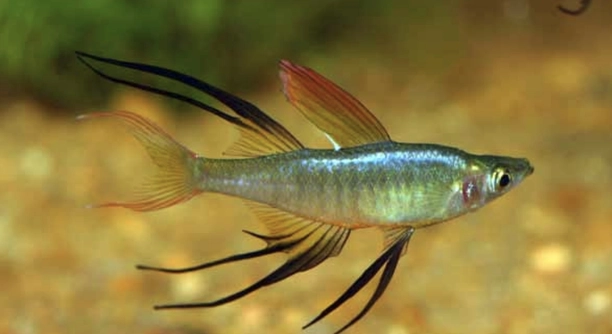
Are your threadfins showing unusual behavior in your aquarium lately? Changes in swimming patterns, appetite, or even coloration can signal that something in their environment is affecting their wellbeing. Temperature fluctuations are often a key factor.
Threadfins are highly sensitive to water temperature variations, which can induce physiological stress. Elevated or lowered temperatures disrupt metabolic rates, compromise immune function, and alter behavior patterns. Consistent monitoring and maintaining optimal conditions are essential for preserving health and stability.
Observing subtle signs can help prevent long-term harm and ensure a balanced, comfortable environment for your threadfins to thrive. Proper care begins with awareness of these temperature-related cues.
Sudden Changes in Swimming Patterns
Threadfins often swim differently when stressed by temperature shifts. They may linger near the surface or hide in corners more than usual. Rapid, erratic movements can indicate discomfort, as their metabolism reacts to the water’s warmth or coolness. Observing their usual swimming habits helps spot these deviations quickly. For example, they may normally glide smoothly across the tank but suddenly dart around or remain inactive for long periods. Inconsistent behavior is a strong signal that the temperature is outside their comfort range. Making small, gradual adjustments can help them regain normal activity without further stressing their system. Keeping track of these behaviors daily allows you to respond before serious health issues arise, such as reduced feeding or vulnerability to infections. Subtle differences in how they interact with tank mates or explore the environment are also important clues. Noticing these changes early supports long-term health and stability for your threadfins.
Erratic or sluggish swimming is a clear indicator that the tank’s temperature needs attention.
Watching these movements over time reveals patterns that align with stress. Consistency in observation is essential. Subtle changes, such as spending more time in shaded areas or near the filter, show discomfort. Gradually adjusting the water temperature while monitoring activity helps restore balance. Ensuring that other environmental factors like oxygen levels and tank space are adequate also supports their recovery.
Loss of Appetite
A noticeable decrease in feeding often accompanies temperature stress. Threadfins may nibble less or refuse food entirely. Even if the tank looks healthy, changes in water temperature can impact their metabolism, reducing their desire to eat. Over several days, this can lead to weight loss and lowered immunity, making them more prone to disease. Monitoring feeding habits alongside temperature ensures you catch issues early. Small adjustments to water temperature or feeding schedules can help them regain interest in food. Observing whether they respond to preferred treats can also indicate whether stress is temporary or more serious.
Temperature fluctuations can directly reduce appetite in threadfins.
Keeping meals consistent while adjusting tank conditions helps restore normal feeding behavior. Ensuring the tank is comfortable and stress-free promotes both appetite and overall health.
Clamped Fins
Clamped fins are a clear sign that threadfins are stressed by water temperature. Their fins remain close to their bodies instead of spreading naturally. This behavior indicates discomfort and should be addressed immediately.
When threadfins keep their fins tightly against their bodies, it is often a response to temperature that is too high or too low. This posture limits energy use and reduces exposure, but it also signals stress. Over time, clamped fins can affect swimming efficiency and overall health. Observing this behavior alongside other signs, like reduced movement or hiding, helps confirm that temperature adjustments are needed. Small, controlled changes in the tank can help restore natural fin position. Maintaining consistent temperature is crucial for reducing recurring stress and promoting normal activity.
Clamped fins rarely appear alone. Often, they coincide with other stress signals like pale coloration or reduced appetite. Monitoring the frequency and duration of this behavior helps determine if intervention is urgent. Adjusting water temperature slowly and observing responses ensures threadfins regain comfort safely.
Pale or Dull Coloration
Pale coloration often accompanies temperature stress in threadfins. Bright, healthy hues fade, and overall appearance becomes dull. Changes can occur gradually or suddenly depending on the temperature shift.
When threadfins display pale or muted colors, it reflects stress on their physiological systems. Temperature changes affect circulation and pigment cells, reducing vibrancy. Prolonged exposure to unsuitable temperatures can make these changes more pronounced, impacting immune function. It’s important to monitor other signs like lethargy, clamped fins, or reduced feeding. Small adjustments to tank temperature, combined with stable environmental conditions, can help restore natural coloration over time. Avoid sudden swings, as threadfins are sensitive to rapid changes. Maintaining a steady, optimal temperature promotes both physical health and visual vibrancy.
Pale coloration should be taken seriously, as it indicates ongoing stress. Immediate attention to tank conditions helps threadfins recover. Gradual temperature correction, proper aeration, and clean water support restoration of color and overall well-being. Consistent monitoring prevents further deterioration.
Gasping at the Surface
Gasping at the water’s surface is a common sign that threadfins are stressed by temperature. It often indicates low oxygen levels or that the fish are struggling to regulate metabolism in unsuitable conditions.
This behavior should not be ignored, as prolonged surface breathing can lead to further health issues. Adjusting water temperature gradually and ensuring proper aeration can help alleviate stress. Monitoring this behavior alongside other signs, like clamped fins or reduced activity, gives a clearer picture of overall tank health.
Hiding More Than Usual
Threadfins may hide excessively when stressed by temperature. They retreat to corners or decorations, avoiding open spaces. Stress from improper temperature makes them feel vulnerable, prompting prolonged hiding. Observing where and how often they hide helps determine if tank conditions need adjustment. Maintaining a stable environment encourages normal activity and reduces hiding tendencies.
Rapid Gill Movement
Rapid gill movement signals that threadfins are working harder to breathe due to temperature stress. This can indicate that the water is too warm or oxygen levels are compromised. Immediate adjustments and close monitoring are necessary to prevent further strain on their respiratory system.
FAQ
How can I tell if the tank temperature is stressing my threadfins?
Signs include erratic swimming, clamped fins, pale coloration, reduced appetite, excessive hiding, gasping at the surface, and rapid gill movement. Observing multiple signs together often indicates temperature-related stress rather than isolated behavioral changes. Daily monitoring helps identify these early.
What is the ideal temperature range for threadfins?
Threadfins thrive in water temperatures that are stable and within a moderate range. Sudden fluctuations above or below this range can cause metabolic stress. Maintaining consistent warmth encourages normal feeding, swimming, and coloration, while avoiding temperature swings reduces vulnerability to disease.
How quickly should I adjust the tank temperature?
Temperature should be changed gradually, ideally 1–2 degrees per day, depending on the severity of the fluctuation. Rapid adjustments can shock the fish, worsening stress. Slow changes allow threadfins to acclimate while minimizing the risk of respiratory or metabolic strain.
Can temperature fluctuations cause long-term health issues?
Yes, chronic stress from unstable temperatures can weaken the immune system, reduce growth, and affect reproductive health. Over time, stressed threadfins are more susceptible to infections and slower recovery from illness. Consistent monitoring and preventive measures help maintain their overall wellbeing.
What are the best tools for monitoring tank temperature?
Reliable aquarium thermometers are essential. Digital or stick-on thermometers allow continuous monitoring, while heaters and chillers help maintain stability. Regular calibration ensures accuracy. Keeping a log of daily readings can identify trends before they affect the fish.
How does temperature affect feeding habits?
Temperature influences metabolism directly. In water that is too cold, threadfins may slow down and eat less. If too warm, stress can suppress appetite or lead to erratic feeding behavior. Observing feeding patterns alongside temperature readings helps determine if conditions are optimal.
Are there other environmental factors to consider along with temperature?
Yes, oxygen levels, water flow, and tank size interact with temperature. Poor aeration or crowded tanks can amplify temperature stress. Balancing all factors ensures threadfins maintain normal behavior, growth, and immune function. Regular testing of water quality complements temperature management.
Can sudden temperature changes cause behavioral issues?
Absolutely. Rapid temperature shifts can trigger hiding, clamped fins, or surface gasping. Threadfins need stability to maintain normal activity. Gradual corrections, along with close observation, help reduce the likelihood of long-term behavioral changes and promote recovery.
What should I do if my threadfins show multiple stress signs at once?
Immediate assessment of water temperature, oxygen levels, and filtration is crucial. Correcting the environment gradually while observing their behavior can stabilize the fish. Removing stressors, maintaining clean water, and monitoring feeding help them regain strength and normal patterns.
How often should I check tank conditions to prevent stress?
Daily checks of temperature, water quality, and fish behavior are recommended. Frequent observation allows early detection of stress, enabling timely interventions before health declines. Keeping a consistent routine reduces the risk of unnoticed temperature fluctuations and related problems.
Is it possible to fully reverse stress from temperature issues?
Yes, if addressed early. Stabilizing the water temperature, ensuring proper oxygenation, and supporting feeding behavior allow threadfins to recover. Prolonged neglect may lead to lasting effects, but timely care significantly improves their health and resilience.
Can acclimating new threadfins improperly affect temperature stress?
Improper acclimation exposes new fish to sudden temperature changes, increasing stress risk. Gradual introduction and careful monitoring of water conditions help them adjust safely, reducing the chance of shock or behavioral issues. Proper acclimation supports long-term health in the aquarium environment.
How does temperature influence disease susceptibility?
Temperature stress weakens immune responses, making threadfins more vulnerable to infections. Maintaining a consistent, appropriate temperature reduces illness risk, while fluctuating conditions can allow pathogens to take hold. Monitoring both health and environment prevents compounding problems.
Are certain tank setups better for preventing temperature stress?
Tanks with reliable heaters, chillers, and even heat distribution are ideal. Consistent water flow and adequate space allow threadfins to move freely and thermoregulate naturally. Avoid overcrowding and ensure filtration supports oxygenation, as these factors work alongside temperature to maintain stability.
Can I use automated systems to manage temperature?
Yes, thermostats, heaters, and chillers with digital control can maintain precise temperatures. Automated alerts or monitoring systems help detect deviations quickly, allowing faster adjustments and reducing stress on threadfins. Combining manual observation with automation provides the most reliable care.
How long does it take for threadfins to recover from temperature stress?
Recovery depends on the severity and duration of the stress. Minor fluctuations may resolve in days, while prolonged exposure to extreme conditions can take weeks. Consistent, optimal water conditions accelerate recovery, and supportive care like regular feeding and clean water ensures better outcomes.
What daily practices help maintain stable temperatures?
Monitoring thermometers, adjusting heaters gradually, and checking filters and aeration daily support stability. Avoid placing tanks near windows, vents, or heat sources that can cause sudden fluctuations. Routine care minimizes stress and maintains threadfin health consistently.
Are there signs that indicate permanent damage from temperature stress?
Persistent behavioral changes, stunted growth, chronic pale coloration, or ongoing lethargy can suggest long-term effects. Early detection and intervention reduce the risk, but prolonged exposure without correction may leave lasting health challenges. Regular observation and proper care are essential to prevent irreversible damage.
How important is water consistency compared to temperature?
Both are critical. Stable water chemistry complements temperature regulation by supporting metabolic function and reducing stress. Sudden changes in pH, ammonia, or nitrite levels, combined with temperature fluctuations, can intensify stress and harm threadfins. Consistent monitoring of all parameters is necessary for healthy fish.
What are the most common mistakes that lead to temperature stress?
Rapid temperature adjustments, neglecting daily monitoring, placing tanks near fluctuating heat sources, and improper acclimation of new fish are frequent errors. Addressing these issues proactively prevents stress and ensures threadfins remain active, colorful, and healthy over time.
Can seasonal changes affect tank temperature for threadfins?
Yes, room temperature changes during seasons can influence tank water. Heating in winter or cooling in summer must be managed carefully. Adjusting heaters or chillers gradually and monitoring readings ensures threadfins remain in their ideal temperature range year-round.
Final Thoughts
Maintaining a stable temperature is one of the most important aspects of keeping threadfins healthy. These fish are highly sensitive to fluctuations in their environment, and even small changes can cause noticeable stress. Signs such as clamped fins, pale coloration, hiding, and gasping at the surface are all clear indicators that the water temperature is affecting them. By paying close attention to their behavior, it is possible to prevent long-term health problems. Daily observation allows for early intervention, which makes it easier to adjust the tank conditions gradually without shocking the fish. Consistency is key, as threadfins thrive in environments where temperature remains steady and predictable.
Providing the right equipment in your aquarium supports temperature stability and overall health. Heaters, chillers, and reliable thermometers are essential tools for monitoring and controlling water conditions. Regular calibration and maintenance of these devices ensure accuracy and prevent sudden fluctuations. Equally important is the placement of the tank. Avoiding areas near vents, windows, or direct sunlight reduces the risk of unexpected temperature swings. Monitoring oxygen levels, water flow, and general water quality alongside temperature further supports the wellbeing of threadfins. A clean, well-maintained environment combined with stable temperature helps them remain active, maintain their natural coloration, and feed normally, reducing stress significantly.
Recovery from temperature-related stress is possible if addressed promptly. Gradual adjustments to the water, careful monitoring, and ensuring proper feeding and aeration all contribute to returning the fish to a stable, healthy state. Even small, incremental improvements in tank conditions can make a noticeable difference in their behavior and overall health. Prevention is always better than dealing with prolonged stress, so maintaining stable conditions and observing for early warning signs is essential. Consistent care and attention allow threadfins to thrive, displaying normal activity and vibrant colors, while minimizing the risk of disease or long-term damage. A thoughtful approach to temperature management creates a comfortable, supportive environment where these fish can live well and remain healthy over time.

Hello,
If you enjoy the content that we create, please consider saying a "Thank You!" by leaving a tip.
Every little bit helps us continue crafting quality advice that supports the health, happiness, and well-being of pets around the world, for pets of all shapes, sizes, and species.
We really appreciate the kindness and support that you show us!