
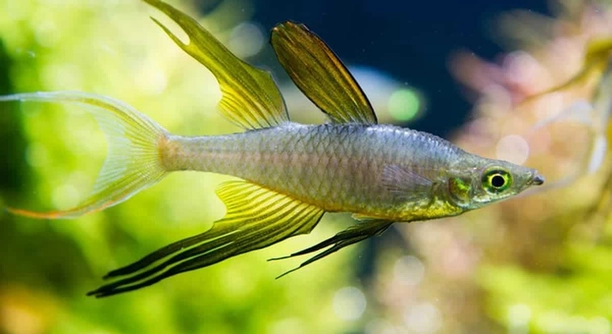
Is your Threadfin Rainbowfish suddenly ignoring its food and leaving you unsure how to help? These colorful, active fish can be sensitive, and a sudden loss of appetite may signal changes in their environment or health.
When a Threadfin Rainbowfish stops eating, the primary causes usually include water quality issues, stress from tankmates, sudden dietary changes, or illness. Monitoring tank conditions, providing high-quality food, and isolating affected fish can help restore normal feeding behavior effectively.
Understanding the reasons behind appetite loss is crucial for keeping your fish healthy and vibrant in their home aquarium.
Common Causes of Appetite Loss
Threadfin Rainbowfish may stop eating for several reasons. Poor water quality is often the first issue to check. High ammonia, nitrite, or nitrate levels can make fish uncomfortable and reduce their desire to eat. Sudden temperature changes or inconsistent water conditions also stress them. Stress from tankmates is another factor. Aggressive or overly active fish can intimidate Rainbowfish, leading them to hide and avoid food. Illness is a serious concern; bacterial, parasitic, or fungal infections often reduce appetite. Even a recent change in diet can confuse them. Introducing new foods too quickly may result in rejection, especially if the fish prefers familiar pellets or flakes. Observing behavior carefully is important. A fish that hides near the bottom or corners of the tank might be signaling stress or illness. Addressing these factors promptly can prevent long-term health problems.
Monitoring water, temperature, and tank dynamics regularly helps maintain a healthy feeding routine and reduces stress.
Maintaining clean water and stable conditions is key. Regular testing ensures ammonia, nitrite, and nitrate remain safe. Quarantining new or sick fish prevents disease spread. Providing balanced food and feeding small amounts encourages consistent eating habits.
How to Encourage Eating
Offering a variety of foods can help entice your Rainbowfish to eat. Small portions of high-quality flakes, pellets, or frozen foods are best.
Gradual adjustments to diet and feeding schedule can stimulate appetite. Feeding at consistent times helps fish feel secure and more likely to eat. Live foods, like daphnia or brine shrimp, often attract even the pickiest eaters. Avoid overfeeding, which can foul water and further reduce appetite. Sometimes, gently moving food near the fish encourages feeding. Maintaining proper tank conditions alongside food variety is essential. Observing which foods your fish prefer allows you to tailor their diet and support their health. Recovery can take several days, so patience is important while monitoring changes in behavior and appetite carefully to ensure improvement.
Adjusting Tank Conditions
Checking water temperature and quality is critical for Rainbowfish appetite. Slight fluctuations can make them stop eating. Ensure filters are clean and water parameters are stable to reduce stress.
Consistent water conditions help fish feel secure and more willing to eat. Use a reliable thermometer to monitor temperature, ideally keeping it between 24–28°C (75–82°F). Test ammonia, nitrite, and nitrate levels regularly. Frequent partial water changes can improve overall water quality without shocking the fish. Avoid overcrowding the tank, as limited space increases stress and decreases feeding interest. Adding plants or hiding spots can provide comfort, making Rainbowfish more confident and active.
Lighting also impacts feeding behavior. Bright lights can make some fish nervous, while dimmed conditions encourage them to explore and eat. Observe your fish during feeding times, and adjust light or tank decorations as needed to create a calm environment.
Treating Illnesses That Affect Appetite
Mild infections can reduce a Rainbowfish’s desire to eat and affect activity. Prompt attention is essential for recovery.
Isolating the affected fish helps prevent the spread of disease. Medications specific to bacterial, fungal, or parasitic infections can be used following package directions. Always remove any uneaten food to maintain water quality during treatment. Monitor the fish closely for signs of improvement, such as increased swimming activity or interest in food. Early treatment improves the chances of a full recovery and reduces stress on the rest of the tank.
Preventative care is equally important. Regularly inspecting fish for unusual spots, frayed fins, or lethargy helps catch problems early. Quarantining new fish before adding them to the main tank reduces the risk of introducing disease. Providing a nutrient-rich diet strengthens the immune system and supports healing. Maintaining stable water conditions, along with careful observation, is key to helping Rainbowfish regain their appetite quickly and safely.
Observing Behavioral Changes
Sudden hiding or lethargy often signals stress or illness. Watch your Rainbowfish closely during feeding times to notice any unusual behavior.
Reduced interaction with tankmates can indicate discomfort. Tracking these changes early helps you address problems before they worsen.
Adjusting Feeding Techniques
Offering smaller, more frequent meals encourages appetite in a hesitant Rainbowfish. Break the daily ration into multiple portions, feeding two to three times a day. Use a variety of foods, such as flakes, pellets, or frozen options, to spark interest. Gently moving food near the fish can also attract attention. Avoid overfeeding, which may worsen water quality and stress your fish. Patience is key, as some Rainbowfish take time to resume normal eating after stress or illness. Maintaining consistency in feeding times and tank conditions reinforces a sense of security.
Quarantine Practices
Separating sick or new fish reduces the risk of spreading illness. Keep a close eye on isolated fish.
Maintaining Long-Term Health
Consistent care, proper diet, and stable water conditions are essential. Regular observation ensures Rainbowfish remain active and healthy.
FAQ
Why has my Threadfin Rainbowfish stopped eating all of a sudden?
A sudden loss of appetite is usually linked to stress, illness, or changes in the tank. Water quality issues, temperature fluctuations, and aggressive tankmates are common stressors. Illnesses like bacterial, fungal, or parasitic infections also reduce feeding. Observing behavior and checking water parameters often helps identify the cause.
How long can a Threadfin Rainbowfish go without eating?
Rainbowfish can survive a few days without food, but extended fasting weakens their immune system. If a fish refuses food for more than a week, immediate action is necessary to prevent serious health problems.
Can water changes help improve appetite?
Yes, regular partial water changes maintain stable water quality, which reduces stress. Clean water helps fish feel secure, encouraging normal feeding behavior. Testing for ammonia, nitrite, and nitrate ensures the environment is safe.
What foods are best to encourage eating?
High-quality flakes, pellets, and frozen foods like brine shrimp or daphnia work well. Live foods often trigger feeding responses in picky fish. Offering a mix of options increases the chance your Rainbowfish will eat consistently.
How should I handle a sick fish?
Quarantine the affected fish to prevent disease spread. Use medications suitable for bacterial, fungal, or parasitic infections. Remove uneaten food to maintain water quality and monitor for signs of improvement daily.
Can stress from tankmates cause a loss of appetite?
Yes, aggressive or overly active tankmates can intimidate Rainbowfish. Stress makes them hide and avoid food. Providing hiding spots, rearranging decorations, or isolating the fish temporarily can reduce stress and encourage eating.
Does lighting affect feeding behavior?
Lighting can influence Rainbowfish activity. Bright lights may make some fish nervous, while dimmer or consistent lighting encourages them to explore and eat. Adjusting light levels to match the fish’s comfort can help restore normal feeding habits.
How can I tell if my Rainbowfish is sick?
Signs include lethargy, hiding, faded color, frayed fins, or abnormal swimming. Reduced appetite is often the first visible symptom. Observing behavior daily helps catch problems early before they become severe.
Should I change their diet if they stop eating?
Introducing new foods slowly can help. Sudden diet changes may stress the fish further. Offer small portions of familiar foods first, then gradually add variety like live or frozen foods to stimulate appetite.
How long does it take for Rainbowfish to start eating again?
Recovery depends on the cause. Fish stressed by tank conditions may resume eating in a day or two once conditions improve. Illness-related fasting can take several days, requiring treatment and careful monitoring to restore appetite fully.
Can overfeeding affect appetite?
Yes, overfeeding can foul water, causing stress and reducing appetite. Feed small, measured portions at consistent times. Observing how much your Rainbowfish eats helps prevent leftovers that degrade water quality.
Are there any long-term strategies to prevent appetite loss?
Maintaining stable water conditions, providing a balanced diet, monitoring fish health, and avoiding aggressive tankmates are key. Regular observation and small adjustments in care help prevent future appetite issues and keep Rainbowfish healthy and active.
Is it necessary to isolate new fish?
Yes, quarantining new fish helps prevent the introduction of disease. Observing them in a separate tank allows you to detect health problems before they affect established Rainbowfish.
What role does tank size play in feeding behavior?
A cramped tank increases stress and reduces appetite. Providing enough space for swimming and hiding promotes natural behavior and encourages feeding. Ideally, each Rainbowfish should have ample room to reduce competition and stress.
How can I tell if water quality is affecting feeding?
Frequent testing for ammonia, nitrite, nitrate, and pH is essential. Fish avoiding food, gasping at the surface, or showing sluggish behavior often indicate poor water quality. Immediate partial water changes and filtration adjustments can resolve these issues.
Are supplements useful for Rainbowfish with poor appetite?
Vitamins or fortified foods can support immune health during appetite loss. While supplements won’t fix environmental or disease causes, they can aid recovery and strengthen the fish’s resilience during periods of reduced feeding.
What should I do if my fish still refuses food after treatment?
Continue observing for stress, illness, or tank problems. Adjust feeding methods, offer live foods, and ensure optimal water conditions. Consult a veterinarian specializing in fish if appetite does not return within several days, as underlying illness may persist.
Can temperature changes alone cause a Rainbowfish to stop eating?
Yes, sudden increases or decreases in temperature stress Rainbowfish and suppress appetite. Maintaining a stable range between 24–28°C (75–82°F) is crucial for consistent feeding and overall health.
Is hiding always a sign of illness?
Not always. Temporary hiding can occur due to new decorations or mild stress. Persistent hiding, coupled with loss of appetite or abnormal behavior, often signals illness or chronic stress. Observing patterns over time helps distinguish normal behavior from problems.
How often should I feed my Rainbowfish to maintain appetite?
Feeding small portions two to three times a day keeps Rainbowfish interested in food. Consistency in timing and quantity promotes healthy eating habits while preventing overfeeding and water quality issues.
What is the first step if my Rainbowfish stops eating?
Check water parameters immediately, observe behavior, and inspect tankmates for aggression. Early detection of stress, illness, or environmental issues is critical to restoring appetite and preventing long-term health problems.
How can I prevent future feeding problems?
Maintain clean water, provide a varied diet, monitor fish health, and minimize stress from tankmates or environmental changes. Regular observation and proactive care create stable conditions that support consistent eating behavior.
Can diet rotation help prevent appetite loss?
Yes, rotating between flakes, pellets, and frozen foods prevents boredom and ensures nutritional balance. Gradually introducing new options encourages consistent feeding and reduces the chance of selective eating habits developing.
How important is observation in managing appetite?
Daily observation allows you to notice early signs of stress, illness, or unusual behavior. Prompt response to changes in feeding patterns is often the key to preventing serious health issues and maintaining vibrant, active Rainbowfish.
Final Thoughts
Taking care of a Threadfin Rainbowfish that has stopped eating can feel stressful, but with careful observation and consistent care, most fish recover quickly. Appetite loss is often a sign that something in their environment needs attention. Water quality, tankmates, diet, and temperature all play important roles in their overall health. By checking these factors regularly, you can prevent small problems from turning into serious issues. Clean, stable water and a balanced diet help Rainbowfish feel secure, reducing stress and encouraging normal feeding behavior. It’s important to remember that these fish are sensitive, and even minor changes in their surroundings can affect their eating habits. Observing your fish daily allows you to catch early signs of illness or stress before they worsen.
If illness is the cause, acting promptly makes a big difference. Quarantining the affected fish and using the appropriate treatment helps prevent disease from spreading to other tankmates. Keep uneaten food out of the water to maintain cleanliness, and monitor the fish’s behavior closely. Recovery can take several days, and patience is key. Small steps, like offering a variety of foods, feeding smaller portions more frequently, and adjusting lighting or tank decorations, can encourage your Rainbowfish to start eating again. Over time, these simple adjustments create a more comfortable environment, helping the fish regain confidence and regular feeding habits. Avoid rushing or forcing changes, as sudden disruptions can increase stress and prolong appetite loss.
Maintaining long-term health involves a mix of consistency, observation, and attention to detail. Regular water testing, partial water changes, and proper feeding schedules are all critical. Providing a variety of high-quality foods ensures that Rainbowfish get the nutrients they need while keeping their interest in eating. Stress reduction is equally important; ample swimming space, hiding spots, and compatible tankmates all contribute to a calm, secure environment. By staying attentive to your fish’s behavior, tank conditions, and diet, you can prevent future feeding issues and support overall well-being. These practices not only restore appetite but also promote healthy, active, and vibrant Rainbowfish for years to come.

Hello,
If you enjoy the content that we create, please consider saying a "Thank You!" by leaving a tip.
Every little bit helps us continue crafting quality advice that supports the health, happiness, and well-being of pets around the world, for pets of all shapes, sizes, and species.
We really appreciate the kindness and support that you show us!