
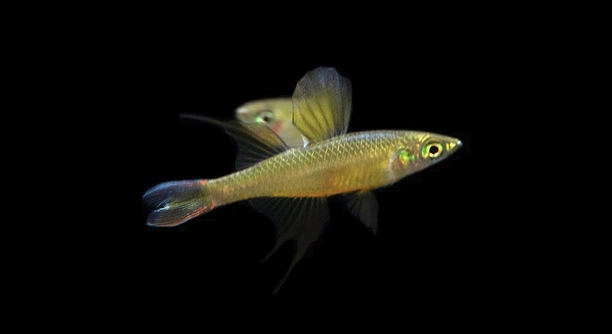
Threadfin Rainbowfish are admired for their vibrant colors and graceful movements, yet many aquarists notice their brightness fading over time. Understanding what affects their appearance is essential for keeping these fish healthy and visually striking in home aquariums.
The primary reasons Threadfin Rainbowfish lose their vivid coloration include poor water quality, insufficient nutrition, lack of proper lighting, overcrowding, stress from incompatible tankmates, inadequate tank space, and improper acclimation. Addressing these factors systematically helps maintain optimal coloration and overall fish health.
Maintaining a bright and healthy Threadfin Rainbowfish requires careful attention to their environment and daily care routines. Small adjustments can prevent dullness and enhance their natural beauty over time.
Poor Water Quality
Threadfin Rainbowfish are highly sensitive to their environment, and water quality plays a crucial role in their coloration. High levels of ammonia, nitrites, or nitrates can stress the fish, leading to faded colors. Even minor fluctuations in pH or temperature can impact their health. Regular water changes, proper filtration, and monitoring are essential to maintain stable conditions. Avoid overfeeding, as leftover food can decompose and raise toxin levels. Using a reliable water test kit allows you to catch problems early, ensuring your fish remain vibrant. Tank maintenance, such as vacuuming the substrate and cleaning decorations, also helps prevent harmful buildup. Stress from poor water quality can weaken the immune system, making fish more susceptible to disease. Keeping water parameters consistent not only preserves their colors but also supports overall well-being. Attention to detail in daily care can make a significant difference in keeping Threadfin Rainbowfish bright and active.
Consistently clean water is the easiest way to maintain vivid colors in Threadfin Rainbowfish. Monitoring parameters prevents stress and disease.
Many aquarists underestimate the impact of water quality on coloration. Even if fish appear healthy, suboptimal water conditions gradually dull their colors. Stable water parameters, including temperature, pH, and hardness, are vital. Investing in good filtration, performing partial water changes, and avoiding overstocking reduces stress. Proper care allows Threadfin Rainbowfish to display their natural, brilliant hues consistently. Over time, these measures create a balanced environment, enhancing longevity and vibrancy.
Insufficient Nutrition
Threadfin Rainbowfish require a varied diet to maintain their bright colors. Feeding only one type of food can result in dullness. High-quality flakes, frozen foods, and occasional live treats provide essential nutrients and pigments.
A balanced diet ensures vibrant coloration and overall health. Vitamins, proteins, and carotenoids are key for their appearance.
Many fish keepers focus on quantity rather than quality, unintentionally affecting color. Carotenoids, found in foods like brine shrimp and spirulina, intensify red, orange, and yellow hues. Proteins support growth and energy, while vitamins strengthen the immune system. Feeding a combination of flakes, pellets, frozen, and live foods meets nutritional needs and prevents deficiencies. Avoid overfeeding, as uneaten food can degrade water quality and indirectly affect color. Rotating food types encourages natural foraging behavior and keeps fish stimulated. Paying attention to their diet results in brighter, healthier Threadfin Rainbowfish, making the investment in high-quality nutrition worthwhile.
Lack of Proper Lighting
Threadfin Rainbowfish need adequate lighting to display their full colors. Dim or inconsistent lighting can make their scales look dull. A full-spectrum light for 8–10 hours daily helps maintain brightness and natural behavior.
Proper lighting mimics natural conditions, which is essential for pigment development. Fluorescent or LED lights designed for freshwater aquariums enhance their colors, particularly the red and blue tones. Too much direct sunlight can encourage algae growth, while too little light reduces visual appeal and energy levels. Observing how your fish react to light cycles helps determine optimal duration. Maintaining a consistent schedule with a timer can reduce stress and encourage regular feeding and swimming patterns. Lighting, combined with clean water and a nutritious diet, is a major factor in sustaining vivid coloration in Threadfin Rainbowfish.
Light also affects plants and tank aesthetics, contributing indirectly to fish coloration. Healthy plants improve water quality and provide hiding spots, which reduce stress.
Overcrowding
Too many fish in a tank can lead to stress and aggression, which dulls Threadfin Rainbowfish colors. Overcrowding limits swimming space and affects social behavior.
Overcrowding increases competition for food and oxygen, raising stress levels. Stressed fish lose pigmentation and are more prone to illness. A spacious tank with fewer fish allows them to display natural behaviors and maintain vibrant colors. Maintaining proper stocking levels and compatible species ensures a peaceful environment. Observing interactions helps identify if stress is affecting coloration. Choosing the right number of fish based on tank size is essential. Proper planning avoids aggression, fatigue, and reduced energy, all of which influence their visual appeal. Stress-free conditions allow Threadfin Rainbowfish to retain bright, striking colors consistently.
Stress from Incompatible Tankmates
Aggressive or territorial fish can stress Threadfin Rainbowfish, causing their colors to fade. Choosing peaceful, compatible species helps maintain calm and vibrant fish.
Stress reduces appetite and activity, which directly impacts coloration. Avoid mixing with larger or overly aggressive fish.
Inadequate Tank Space
Threadfin Rainbowfish need enough room to swim freely. Crowded tanks restrict movement and natural behavior, leading to dull colors. A minimum of 30 gallons is recommended for a small group.
Providing sufficient space encourages active swimming, reduces stress, and supports healthy social interaction. Regularly assess tank size as your fish grow.
Improper Acclimation
Introducing Threadfin Rainbowfish too quickly to a new tank can shock them. Sudden changes in water parameters often cause stress and color loss.
Gradual acclimation using the drip or floating method helps them adjust safely, ensuring their colors remain vivid and health stable.
FAQ
Why are my Threadfin Rainbowfish colors fading despite clean water?
Even with clean water, factors like insufficient nutrition, stress, or poor lighting can dull colors. Water quality alone isn’t enough; consistent feeding with high-quality foods and maintaining a calm environment are essential. Light also plays a role in showing their natural hues clearly.
Can diet really improve their coloration?
Yes. Foods rich in carotenoids, like brine shrimp, spirulina, or specialized color-enhancing flakes, support vibrant scales. A varied diet ensures proper protein, vitamins, and pigments. Overfeeding should be avoided, as uneaten food can pollute water and reduce color intensity.
How much space do they need to stay colorful?
Threadfin Rainbowfish are active swimmers and need adequate room. A minimum of 30 gallons for a small group is recommended. Crowded conditions increase stress, aggression, and competition, which can directly affect their coloration and overall health.
Will compatible tankmates really make a difference?
Absolutely. Aggressive or territorial fish create stress, which dulls colors. Choosing peaceful, similarly sized species allows Threadfin Rainbowfish to swim freely, feed comfortably, and display their natural colors. Observing fish interactions can prevent ongoing stress-related issues.
Does lighting really affect their vibrancy?
Yes. Proper aquarium lighting mimics natural conditions and enhances pigments. Full-spectrum LED or fluorescent lights help bring out reds, blues, and silvers. Consistent light cycles, around 8–10 hours daily, maintain natural rhythms and reduce stress, indirectly supporting brighter colors.
How can I prevent color loss during acclimation?
Gradual acclimation is key. Sudden changes in water temperature, pH, or hardness can stress the fish. Using a drip method or slowly floating the bag in the tank allows them to adjust safely, reducing shock and preventing temporary or permanent color dulling.
What role does stress play in coloration?
Stress is one of the main reasons for dull colors. Causes include overcrowding, aggressive tankmates, or sudden environmental changes. Stress lowers appetite and immune function, which directly impacts pigment expression. Maintaining stable conditions and a calm tank is essential for color retention.
Are there long-term effects if colors remain dull?
Yes. Persistent dullness often indicates underlying health or environmental problems. Ignoring the causes can lead to weakened immunity, slower growth, or disease. Addressing water quality, diet, lighting, and tank conditions early ensures their long-term vibrancy and overall well-being.
Can supplements help enhance colors?
Color-enhancing supplements can be helpful if dietary needs aren’t fully met. Products containing carotenoids or vitamins may boost pigmentation temporarily, but they cannot replace proper nutrition and care. Balanced feeding and stable conditions remain the most effective solution.
How often should I monitor water parameters?
Frequent checks are crucial. Ammonia, nitrite, nitrate, and pH levels should be monitored weekly, especially in smaller or newly established tanks. Regular testing ensures early detection of changes that could stress the fish and impact coloration.
Do plants influence Threadfin Rainbowfish colors?
Yes. Live plants improve water quality and create natural hiding spots, reducing stress. Low-stress environments allow fish to display bright colors more consistently. Plants also add visual contrast, making their scales appear more vivid against green foliage.
Is it normal for colors to change as they mature?
Some color changes are natural with growth and sexual maturity. However, sudden fading or dullness usually signals stress or environmental issues. Monitoring diet, tank conditions, and social interactions ensures any color changes are healthy rather than problematic.
How can I encourage natural coloration without chemicals?
Focus on diet, water quality, lighting, and stress reduction. Avoid rapid water parameter changes or aggressive tankmates. A balanced routine with high-quality foods, stable environment, and proper acclimation encourages fish to display their natural brilliance consistently.
What mistakes do aquarists often overlook?
Common oversights include overstocking, poor lighting, monotonous diets, and inadequate acclimation. Even small issues, like irregular feeding or fluctuating temperatures, can gradually dull Threadfin Rainbowfish. Attention to every detail ensures vibrant and healthy fish.
Can seasonal changes affect their colors?
Yes. Temperature shifts, changes in light duration, or water composition during seasonal cycles can stress fish. Maintaining stable conditions and consistent care throughout the year minimizes color loss and stress-related problems.
How long does it take to restore faded colors?
Restoration depends on the cause. With proper diet, lighting, and stress management, visible improvements can occur within weeks. Severe stress or prolonged neglect may take months, emphasizing the importance of preventive care.
Are juvenile Threadfin Rainbowfish more prone to dull colors?
Juveniles often appear less vibrant as their pigment develops. Stress, overcrowding, or poor nutrition can slow this process. Ensuring a calm environment, sufficient space, and a nutrient-rich diet helps young fish reach their full coloration potential.
Can frequent handling affect coloration?
Yes. Handling or sudden disturbances increase stress, which directly impacts pigment expression. Minimizing tank interference and using gentle methods for maintenance or transfers helps preserve bright colors.
Is it better to treat each factor individually or together?
Addressing water quality, diet, lighting, and stress together yields the best results. Focusing on one factor may show limited improvement. A holistic approach ensures Threadfin Rainbowfish maintain their health, energy, and vivid appearance consistently.
How do I know if fading is temporary or permanent?
Temporary fading often follows stress or environmental changes and improves once conditions stabilize. Permanent dullness may indicate chronic issues, nutritional deficiencies, or illness. Observing behavior, feeding, and scale condition helps determine if intervention is needed.
Can lighting alone make a significant difference?
Lighting enhances visibility and supports pigment development, but it cannot fix poor nutrition, stress, or overcrowding. Combined with proper care, lighting is essential for showing the fish’s natural colors in full brilliance.
What is the best way to maintain colors long-term?
Consistent care is key: clean water, varied diet, proper lighting, adequate space, and peaceful tankmates. Regular monitoring and attention to small changes prevent stress and keep Threadfin Rainbowfish displaying vibrant, healthy colors over time.
Do stress indicators always affect color immediately?
Not always. Some stressors gradually reduce pigmentation. Early signs like reduced appetite or hiding may precede visible fading. Addressing these behaviors early helps prevent long-term color loss and supports overall fish well-being.
Can breeding or spawning affect colors?
Yes. During breeding, males may intensify colors to attract mates, while females may appear slightly paler. Ensuring optimal conditions during this period supports health and prevents stress-related dulling.
Is it necessary to rotate foods regularly?
Rotating foods provides balanced nutrition and prevents deficiencies. It keeps fish stimulated and ensures intake of all essential pigments and vitamins, supporting consistent coloration and overall vitality.
How does temperature affect coloration?
Sudden temperature changes or extremes stress fish and can reduce pigment expression. Maintaining stable temperatures appropriate for Threadfin Rainbowfish ensures they remain active, healthy, and colorful.
Can tank decoration influence colors?
Yes. Substrates and plants provide contrast, enhancing the appearance of bright scales. Dark or natural-colored backgrounds make Threadfin Rainbowfish stand out, while minimal decorations may make colors appear duller.
Are some Threadfin Rainbowfish naturally less vibrant?
Genetics play a role. Some individuals naturally show more muted colors. Environmental care, diet, and stress management can enhance brightness, but natural variation should be acknowledged.
How often should I perform water changes to maintain colors?
Regular partial water changes, usually 20–25% weekly, help keep ammonia and nitrate levels low. Consistent water quality supports health and prevents stress-related dulling of scales.
Can lighting timers improve consistency?
Yes. Timers maintain regular light cycles, reducing stress from abrupt changes. Consistency helps fish establish natural rhythms and supports sustained coloration and activity.
Do older fish lose color naturally?
Some aging-related fading is normal, but significant dullness may indicate health or environmental issues. Ongoing care ensures older fish remain as vibrant as possible throughout their lifespan.
Is stress from transport reversible?
Yes. Gradual acclimation, proper tank conditions, and rest allow fish to recover. Colors often return once stressors are removed and normal feeding resumes.
Are there signs of overfeeding affecting colors?
Overfeeding can foul water, raising toxins that stress fish and reduce pigmentation. Observing uneaten food and adjusting portions helps maintain both water quality and vibrant colors.
Does lighting intensity matter more than duration?
Both matter. Proper intensity highlights pigments, while consistent duration maintains natural cycles. Combining moderate intensity with an 8–10 hour daily schedule optimizes color retention.
Can social hierarchy affect coloration?
Yes. Dominant fish often appear brighter, while submissive individuals may become paler due to stress. Adequate space and compatible tankmates help reduce hierarchical stress and maintain overall coloration balance.
Is color fading reversible if all conditions improve?
Often, yes. Addressing diet, water quality, lighting, and stress can restore brightness. Recovery time varies with severity, but consistent care usually results in noticeable improvements within weeks to months.
How important is observing behavior for color maintenance?
Behavioral observation helps detect stress, illness, or environmental issues early. Changes in swimming, feeding, or interaction often precede color loss, allowing timely intervention to preserve vibrancy.
Can nighttime darkness affect daytime colors?
Regular dark periods are necessary for rest. Constant lighting can stress fish, indirectly reducing pigment expression. Maintaining a natural day-night cycle supports energy levels and coloration.
Should I isolate stressed fish?
Temporarily separating highly stressed individuals can reduce aggression and competition, allowing recovery. Ensure water conditions match the main tank to avoid additional stress during isolation.
Do cloudy or dirty tanks impact coloration even if water tests are normal?
Yes. Suspended particles or algae can stress fish, obscure light, and affect visual vibrancy. Regular cleaning, filtration, and plant maintenance help maintain bright colors.
Are there seasonal diet adjustments to maintain colors?
Supplementing with carotenoid-rich foods during winter months or when natural light is lower helps maintain pigment intensity. Rotating food types ensures consistent nutrition year-round.
Can breeding stress cause permanent color loss?
If stress is severe or prolonged, some males may retain paler colors. Minimizing stress through space, hiding spots, and balanced diet reduces this risk.
Is it worth using commercial color enhancers regularly?
Occasional use can help, but they are not substitutes for proper diet, water quality, or stress management. Long-term results rely on holistic care rather than supplements alone.
How do I balance light, diet, and stress management?
Provide stable water, full-spectrum lighting, varied nutrient-rich foods, adequate space, and peaceful tankmates. Observing fish behavior allows adjustments. This integrated approach ensures long-term brightness and healthy Threadfin Rainbowfish.
Can stress from frequent tank maintenance dull colors?
Yes. Rapid or rough cleaning, rearranging decorations, or frequent handling increases stress. Gentle, minimal disturbances help preserve both health and pigmentation.
Do fish need shaded areas in the tank?
Yes. Hiding spots reduce stress, providing security and comfort. Stress-free fish display stronger coloration and healthier behavior consistently.
Can sudden changes in water chemistry cause color fading?
Rapid shifts in pH, hardness, or temperature shock fish, reducing pigment intensity. Gradual adjustments are necessary to maintain brightness and prevent stress-related issues.
Is consistent observation the key to vibrant fish?
Yes. Watching feeding, swimming, and social interactions helps identify problems early. Early intervention prevents color loss and supports overall health and activity.
How often should I review tank setup for color maintenance?
Regularly reassessing tank size, stocking, lighting, and decorations ensures a stable environment. Adjustments as fish grow or tank conditions change help sustain vivid colors over time.
Can combining all care factors guarantee vibrant colors?
While genetics play a role, consistent attention to diet, water quality, lighting, space, and stress management maximizes the potential for bright, healthy Threadfin Rainbowfish.
Threadfin Rainbowfish are among the most visually striking freshwater fish, but maintaining their vibrant colors requires consistent care. Many factors contribute to their brightness, including water quality, diet, lighting, tank size, and stress levels. Even small changes in the environment can gradually affect pigmentation, so attentive monitoring is essential. Clean water is fundamental, yet it alone is not enough to keep their colors vivid. Over time, poor nutrition, overcrowding, or aggressive tankmates can silently reduce their natural brilliance. Establishing a routine for water changes, testing parameters, and observing fish behavior ensures that potential issues are identified early, preventing long-term color loss. Proper filtration and substrate maintenance also play a role in maintaining a stable environment. By focusing on these foundational aspects, fishkeepers can create a healthy environment that encourages Threadfin Rainbowfish to display their full range of colors consistently.
Feeding plays a particularly important role in coloration. A varied diet that includes flakes, pellets, frozen foods, and occasional live foods provides essential proteins, vitamins, and carotenoids. Carotenoids are particularly influential in intensifying red, orange, and yellow hues. Fish that receive only a single type of food or an insufficient diet may appear dull, even when water conditions are optimal. Feeding too much or too little can also negatively affect color and overall health. Rotation of food types helps prevent deficiencies and supports consistent pigmentation over time. Stress management is another key component of maintaining bright colors. Threadfin Rainbowfish are highly sensitive to their surroundings, and stress from overcrowding, incompatible tankmates, or sudden environmental changes can dull their scales. Providing adequate space, compatible companions, and stable water conditions allows the fish to swim freely and behave naturally, which contributes to their vibrant appearance. Light intensity and duration are equally important, as proper lighting highlights natural pigments and supports healthy behavior. Using full-spectrum lighting for consistent periods helps prevent stress and ensures colors remain visible.
Gradual acclimation and attention to small details make a significant difference in long-term coloration. Sudden changes in temperature, pH, or tank setup can shock the fish and cause temporary or even permanent fading. Implementing gentle acclimation methods, like the drip or floating method, minimizes stress and allows fish to adjust safely to their new environment. Observing their behavior daily helps identify early signs of stress or health issues, giving the caretaker an opportunity to intervene before colors diminish. Combining proper care, a balanced diet, suitable lighting, adequate space, and minimal stress creates conditions where Threadfin Rainbowfish can thrive and display their full natural beauty. Even small, consistent efforts contribute to the fish’s well-being and visual appeal. Over time, attention to these factors not only preserves color but also supports long-term health, activity, and energy. Maintaining a vibrant tank requires patience, observation, and steady routines, but the results are rewarding. Bright, healthy Threadfin Rainbowfish reflect the care and dedication invested in their environment, making it clear that attention to detail directly impacts their appearance and quality of life.

Hello,
If you enjoy the content that we create, please consider saying a "Thank You!" by leaving a tip.
Every little bit helps us continue crafting quality advice that supports the health, happiness, and well-being of pets around the world, for pets of all shapes, sizes, and species.
We really appreciate the kindness and support that you show us!