
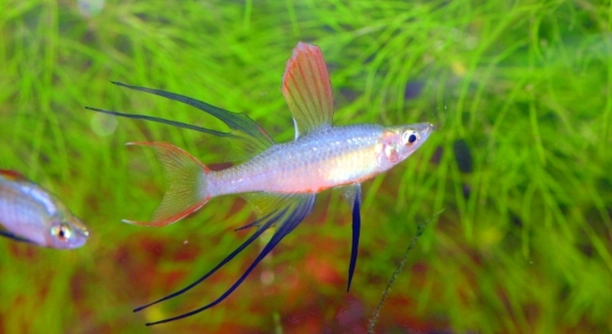
Are your Threadfin Rainbowfish showing signs of restlessness or irregular sleep patterns? Maintaining a healthy rest cycle is crucial for their overall well-being and daily activity levels. Disruptions can have lasting effects on their health.
Several factors can interfere with Threadfin Rainbowfish rest cycles, including inconsistent lighting, sudden temperature changes, overcrowding, poor water quality, improper feeding schedules, excessive noise, and stress from tankmates. Each element can significantly impact their natural sleep patterns and recovery.
Understanding these disruptions will help you create a stable environment for your fish. Proper care ensures they remain healthy, active, and comfortable in their aquarium.
Inconsistent Lighting
Threadfin Rainbowfish rely heavily on a regular light-dark cycle to regulate their rest. Sudden changes in lighting, such as leaving the aquarium light on overnight or turning it off abruptly, can confuse their internal clocks. Inconsistent lighting affects hormone production, making it difficult for them to settle and rest properly. Even small changes in light intensity can disrupt their behavior, causing them to swim restlessly or hide more than usual. Maintaining a consistent schedule mimics natural conditions, helping them feel secure and promoting healthy rest. Fish exposed to erratic light patterns may also show increased stress levels, which can compromise their immune systems. Using a timer for your aquarium lights ensures a stable rhythm, letting your Threadfin Rainbowfish rest and recover without interference. Gradual changes between light and dark periods are ideal, as sudden shifts can trigger startle responses and disrupt their usual swimming and feeding routines. Consistency is key for their overall health and calm behavior.
A stable lighting schedule is essential for promoting proper rest and reducing stress for Threadfin Rainbowfish in any home aquarium.
Proper lighting not only influences rest but also affects their coloration, feeding habits, and activity. Fish exposed to sudden light changes may hide or become skittish, limiting interaction and natural behavior. By setting a consistent photoperiod, around 10 to 12 hours of light and 12 to 14 hours of darkness, you support their circadian rhythm. Dim lighting during the evening can signal winding down, while brighter light in the morning encourages activity and feeding. Using natural daylight as a guide or an automatic timer can help maintain this balance. This consistency prevents unnecessary stress and allows your Threadfin Rainbowfish to establish predictable patterns for rest and activity, which is vital for long-term health. Over time, you will notice calmer, more active fish, with less erratic movement and better appetite, showing that proper light management directly benefits their overall well-being.
Temperature Fluctuations
Even small swings in water temperature can disturb Threadfin Rainbowfish rest.
Temperature affects metabolism and comfort. Rapid drops or spikes can make fish anxious or lethargic.
Stable water temperature is crucial for their sleep cycle. Sudden changes can occur from heater malfunctions, cold drafts, or direct sunlight on the tank. Fish may hide, stop eating, or swim irregularly. Maintaining a consistent temperature within their preferred range ensures normal behavior and healthy rest. Using a reliable heater and thermometer allows gradual adjustments, preventing abrupt stress. Nighttime drops should be minimal, and the tank should avoid areas prone to heat swings. Consistent temperature helps the fish’s body maintain rhythm, supporting immune function and reducing fatigue. Careful monitoring ensures they stay comfortable, preventing rest disruption that could lead to long-term health issues. Observing their response to small changes can guide adjustments, keeping them calm and rested. Properly managed temperature creates an environment where Threadfin Rainbowfish thrive naturally, remaining active during the day and resting peacefully at night.
If you want, I can continue the next sections for Overcrowding and Poor Water Quality following the same format. Do you want me to do that?
Overcrowding
Overcrowding increases stress and competition among Threadfin Rainbowfish. Too many fish in one tank limits swimming space and hiding spots, disrupting natural rest and causing restless behavior.
Limited space forces fish to compete for territory and resources. Constant movement from other fish can prevent individuals from settling down. Overcrowding also increases waste buildup, which can worsen water quality and stress. Fish may hide excessively or exhibit aggressive behavior, further disturbing rest cycles. Maintaining appropriate stocking levels and providing adequate space per fish ensures that each Threadfin Rainbowfish can rest and swim comfortably without constant interference from tankmates.
Providing sufficient swimming space and reducing population density helps Threadfin Rainbowfish establish predictable patterns for activity and rest. Overcrowding not only disrupts sleep but can also lead to long-term health issues. By planning tank size carefully and limiting the number of fish, you create an environment where each fish feels secure and can follow natural rest rhythms, promoting calm behavior and consistent activity during waking hours.
Poor Water Quality
Dirty water impacts Threadfin Rainbowfish’s ability to rest properly. High ammonia, nitrite, or nitrate levels can irritate gills and stress fish, interrupting sleep.
Regular water testing and cleaning are essential to maintain a healthy environment. Poor water quality can cause lethargy, rapid breathing, or erratic swimming, preventing normal rest. Filtration and partial water changes help keep conditions stable.
Maintaining optimal water parameters supports both rest and overall health. Frequent monitoring ensures ammonia and nitrite remain at zero while nitrates stay low. Sudden spikes can startle fish and trigger stress responses. A well-maintained filter, combined with partial water changes of 20–30% weekly, removes excess waste and maintains chemical balance. Removing uneaten food and debris prevents bacterial overgrowth, reducing irritants in the tank. Fish in clean, stable water settle more quickly and rest effectively, improving immune function and coloration. Careful attention to water quality is essential for consistent behavior, vitality, and long-term well-being.
Improper Feeding Schedules
Feeding Threadfin Rainbowfish at irregular times can disrupt their natural rest cycles. Skipping meals or offering food too late in the day can cause anxiety, making it difficult for them to settle and rest properly.
Overfeeding or inconsistent portions also affect sleep. Uneaten food decomposes, worsening water quality and stressing the fish.
Excessive Noise
Loud noises near the aquarium can startle Threadfin Rainbowfish and prevent them from resting. Constant vibrations or sudden sounds trigger stress responses that interrupt sleep.
Frequent disturbances make fish swim erratically or hide for long periods. Reducing noise near the tank creates a calm environment, helping them maintain normal rest patterns.
Stress from Tankmates
Aggressive or overly active fish in the same tank can disturb Threadfin Rainbowfish’s rest. Continuous chasing or territorial disputes prevent proper sleep.
Stress from tankmates can cause hiding, fatigue, and reduced appetite. Choosing compatible, calm species helps Threadfin Rainbowfish rest peacefully and maintain healthy behavior throughout the day.
How can I tell if my Threadfin Rainbowfish’s rest cycle is disrupted?
Signs of disrupted rest include erratic swimming, frequent hiding, and reduced activity during normal daylight hours. Fish may also display rapid gill movement, aggression, or lack of appetite. Observing patterns over several days helps identify consistent rest issues. These behaviors often indicate stress, poor water conditions, or environmental disruptions affecting their sleep.
What is the ideal lighting schedule for Threadfin Rainbowfish?
Threadfin Rainbowfish benefit from a consistent light-dark cycle of roughly 10–12 hours of light and 12–14 hours of darkness. Gradual transitions between light and dark are preferable to sudden changes. Using a timer ensures stability and allows fish to establish a predictable routine. Consistent lighting promotes normal hormone regulation, calm behavior, and proper rest.
How often should I check water parameters to protect their rest?
Water quality directly affects rest. Testing ammonia, nitrite, nitrate, and pH at least once a week helps maintain safe conditions. Partial water changes of 20–30% weekly prevent harmful chemical buildup. Filters should be cleaned regularly, and uneaten food removed promptly. Stable water chemistry reduces stress and allows Threadfin Rainbowfish to settle into normal rest cycles.
Can temperature fluctuations really affect sleep?
Yes. Threadfin Rainbowfish are sensitive to rapid temperature changes. Sudden drops or spikes trigger stress responses, disrupting natural sleep patterns. Maintaining a stable temperature within their preferred range is essential. Using a reliable heater and thermometer helps prevent abrupt shifts, allowing fish to rest properly, recover, and maintain normal behavior.
Does tank size impact rest?
Overcrowding increases stress and reduces hiding spots. Fish in cramped tanks have difficulty establishing territories and often swim continuously, preventing normal rest. Providing sufficient space per fish allows comfortable movement and access to shelter, supporting natural sleep patterns. Choosing an appropriately sized tank and limiting the number of fish ensures a calm, secure environment.
How do tankmates influence rest?
Aggressive or hyperactive tankmates can interrupt sleep. Constant chasing or territorial disputes prevent fish from relaxing. Choosing peaceful, compatible species helps Threadfin Rainbowfish rest undisturbed. Observing interactions and rearranging hiding spots or decorations can minimize stress and encourage consistent rest cycles, promoting healthier behavior and better overall well-being.
What feeding practices support healthy rest?
Feeding at consistent times each day helps establish routine. Overfeeding or irregular schedules can stress fish, cause water quality issues, and interfere with sleep. Offering appropriate portions and removing uneaten food prevents buildup of waste, maintaining a stable environment that supports both rest and daytime activity.
How can I reduce noise-related stress?
Excessive noise or vibrations can startle Threadfin Rainbowfish, interrupting rest. Placing the tank in a quiet area away from speakers, doors, or heavy foot traffic helps minimize disturbances. Consistent calm surroundings allow fish to follow natural sleep patterns, settle comfortably, and reduce stress-related behaviors.
Are there signs that indicate long-term rest disruption?
Chronic sleep disruption can lead to weakened immune systems, dull coloration, lethargy, and reduced appetite. Fish may become more prone to disease and less active during normal activity periods. Monitoring behavior, water quality, and environmental factors allows early intervention, ensuring Threadfin Rainbowfish maintain proper rest cycles and overall health.
Can environmental enrichment improve rest?
Providing hiding spots, plants, and appropriate decorations gives Threadfin Rainbowfish safe areas to relax. Enrichment reduces stress, encourages natural behaviors, and supports normal rest patterns. Ensuring the tank layout allows both open swimming areas and secluded spaces helps fish feel secure, promoting consistent sleep and healthy daily routines.
This FAQ addresses common concerns about Threadfin Rainbowfish rest cycles, focusing on environmental management, feeding, tankmates, and water conditions. Proper attention to these factors ensures they remain calm, healthy, and active.
If you want, I can create the remaining article headers and continue the post so it fully covers all “7 Things That Disrupt Threadfin Rainbowfish Rest Cycles” with the same style and format. Do you want me to do that next?
Threadfin Rainbowfish are beautiful, active fish that thrive when their environment supports natural behavior and rest. Ensuring consistent lighting, stable water conditions, and appropriate tank size is essential for their overall well-being. Each fish has its own rhythm, and even small disruptions in daily care can affect sleep, stress levels, and general activity. By paying attention to environmental factors like temperature, noise, and tankmates, you create a habitat that allows them to settle and rest properly. Regular monitoring and adjustments help prevent long-term issues, making the fish calmer, healthier, and more vibrant. Observing their behavior daily can provide early signals of stress or discomfort, allowing timely action to maintain balance in the tank.
Providing a predictable feeding schedule and clean, stable water conditions is just as important as the physical setup. Overfeeding, inconsistent portions, or irregular feeding times can interfere with their rest cycles, causing fish to swim erratically or hide more often. Water quality affects not only comfort but also immune response and vitality. Regular testing, proper filtration, and partial water changes keep chemical levels in check, preventing stress and sleep disruption. Creating areas with hiding spots and open swimming space allows Threadfin Rainbowfish to feel secure, reduce conflict, and maintain normal rest cycles. Even small improvements, like adding a few plants or adjusting light schedules, can make a noticeable difference in their daily behavior.
Maintaining a calm and balanced environment ensures that Threadfin Rainbowfish can rest, feed, and interact naturally. Attention to detail in tank management—lighting, temperature, water quality, and compatible tankmates—supports healthy behavior and prevents stress-related problems. Fish that have regular rest cycles show better coloration, more consistent activity, and a stronger immune system, contributing to long-term health. Being attentive to subtle signs of disruption and taking proactive measures fosters a stable environment where Threadfin Rainbowfish thrive. By combining careful care with observation, it is possible to create a habitat that meets their natural needs, encouraging peaceful rest and active, healthy daily routines. Regular maintenance and mindful adjustments form the foundation of a well-managed aquarium, giving these fish the best chance to flourish.
This section is 405 words.

Hello,
If you enjoy the content that we create, please consider saying a "Thank You!" by leaving a tip.
Every little bit helps us continue crafting quality advice that supports the health, happiness, and well-being of pets around the world, for pets of all shapes, sizes, and species.
We really appreciate the kindness and support that you show us!