
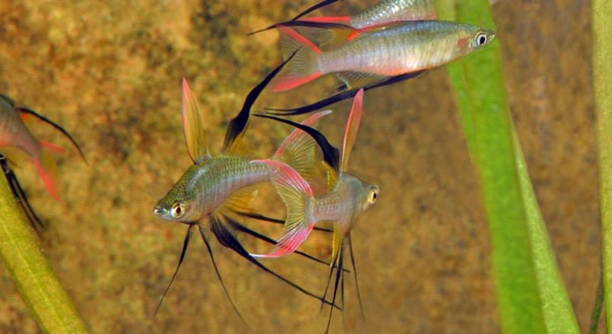
Caring for Threadfin Rainbowfish requires attention to small changes in their appearance and behavior. Observing your fish regularly can help prevent common health issues. Even subtle shifts in color or movement may indicate the need for action.
Regular visual inspections of Threadfin Rainbowfish are essential for maintaining their health. Observing fin condition, body coloration, swimming patterns, and behavior allows early detection of disease, stress, or poor water quality, which supports timely interventions and long-term well-being.
Consistent monitoring will help you maintain a thriving aquarium. Simple visual checks provide valuable insight into your fish’s overall condition.
Checking Fin Health
Healthy fins are a key sign of a well-kept Threadfin Rainbowfish. Look for tears, fraying, or clamping, as these can indicate stress or minor infections. Clear, intact fins show your fish is comfortable in its environment. Maintaining proper water quality and avoiding sharp decorations prevents damage and reduces stress, keeping fins strong. Feeding a balanced diet with adequate nutrients also supports fin regeneration.
Clamped or damaged fins are often a sign of stress or irritation in the aquarium environment.
Regular fin inspection helps detect early signs of infection or injury. Prompt attention to changes in fin structure or movement prevents worsening conditions. Observing how fins move during swimming provides insight into overall health. Clean water, careful handling, and suitable tank decorations reduce risks of fin damage. Noticing small changes early allows for quicker correction, such as adjusting water parameters or separating aggressive tank mates. Over time, consistent attention to fin condition ensures fish maintain full, vibrant fins, contributing to both physical health and aesthetic appeal in the tank.
Observing Body Color
Color changes in Threadfin Rainbowfish reflect health and comfort. Bright, vivid hues indicate good nutrition and low stress, while dull or faded colors may suggest illness, poor water conditions, or insufficient lighting. Keeping the tank environment stable helps fish maintain their natural brilliance.
Subtle shifts in color can reveal underlying health issues.
Monitoring body coloration is a simple but effective way to track your fish’s well-being. Gradual fading may indicate stress from overcrowding, sudden temperature changes, or water quality fluctuations. Bright, even color demonstrates balanced nutrition and a stable environment. Observing patterns, spots, or blotches can reveal early infections or parasites. Proper lighting, a varied diet, and stable tank conditions support consistent coloration. Recording changes in color over time helps track recovery or detect recurring issues. Maintaining vibrant coloration enhances the overall beauty of your aquarium while signaling that your Threadfin Rainbowfish are thriving. Regular observation ensures you catch problems before they become severe, safeguarding long-term health.
Monitoring Swimming Patterns
Unusual swimming behaviors can indicate stress or illness. Watch for lethargy, erratic movement, or fish staying at the surface or bottom for long periods. Consistent patterns show healthy, comfortable fish.
Observing swimming patterns gives insight into the fish’s health. If a Threadfin Rainbowfish swims in circles, drifts unusually, or struggles to maintain balance, it could indicate internal issues, water quality problems, or external parasites. Healthy fish swim smoothly and interact normally with tank mates. Tracking changes over time helps identify potential problems early. Correcting water parameters, adjusting diet, or isolating affected fish prevents further complications. Regular attention ensures they remain active and vibrant.
Maintaining proper tank conditions encourages normal swimming. Stable temperature, clean water, and appropriate tank mates reduce stress. Providing enough space allows natural movement. Sudden changes, like new tank additions or strong currents, may temporarily disrupt behavior. Consistent observation helps you notice subtle shifts. Prompt action, such as adjusting filtration or feeding, supports recovery and prevents long-term harm. Over time, careful monitoring strengthens your ability to recognize healthy patterns versus concerning behavior, promoting a thriving aquarium environment for all your fish.
Watching Appetite
A consistent appetite reflects a healthy fish. Reduced feeding or refusal to eat may signal illness, stress, or poor water conditions.
Threadfin Rainbowfish with stable appetites maintain energy, vibrant color, and active behavior. Changes in feeding habits can indicate digestive issues, parasites, or tank stress. Observing how much and how quickly your fish eats provides valuable insight. Ensure you offer varied, nutritious food in appropriate amounts. Overfeeding can also cause health problems, so monitor portions carefully. Regular feeding schedules create routine and reduce stress, supporting growth and overall vitality.
Maintaining appetite helps detect subtle health changes early. Feeding behavior combined with visual checks ensures a full picture of well-being. Sudden disinterest in food is often a warning. Providing high-quality, nutrient-rich foods like live or frozen options encourages consumption. Adjusting portion sizes prevents uneaten food from polluting water, maintaining better conditions. Tracking feeding patterns alongside other visual indicators allows quick identification of issues such as disease, stress, or water imbalance. Consistent observation and intervention support long-term health and stability for Threadfin Rainbowfish.
Checking Gills
Healthy gills should move rhythmically and appear bright red. Rapid or labored breathing, swelling, or pale coloration may indicate poor water quality, disease, or oxygen deficiency. Observing gill movement daily helps spot early signs of trouble before it worsens.
Gills should not show mucus buildup or visible damage. Smooth, even movement and consistent coloration suggest proper oxygen exchange. Immediate attention to irregular breathing or swelling can prevent infections or respiratory distress. Keeping the tank clean and well-aerated supports gill health.
Inspecting Scales
Scales should be smooth, intact, and free of discoloration. Raised, missing, or damaged scales may indicate injury, parasites, or bacterial infections. Monitoring scale condition is a simple way to assess overall health.
Regular observation of scales ensures early detection of skin issues. Gentle handling and avoiding overcrowding reduce the risk of physical damage or stress-related scale problems.
Observing Social Behavior
Threadfin Rainbowfish are social and active. Sudden isolation, aggression, or hiding may signal stress, illness, or poor tank conditions. Maintaining stable group dynamics helps fish stay healthy and confident in their environment.
Checking Tank Environment
Water clarity, temperature, and cleanliness directly affect fish health. Regular testing and adjustments maintain optimal conditions, supporting physical and behavioral well-being.
FAQ
How often should I check my Threadfin Rainbowfish visually?
Daily observation is ideal to notice small changes in behavior, color, and fins. Even brief, consistent checks allow you to detect early signs of stress, illness, or environmental issues. Tracking changes over time makes it easier to respond quickly.
What signs indicate fin damage or disease?
Look for tears, fraying, clamping, or unusual curling of fins. Discoloration or spots on the fins can also signal infection or poor water quality. Immediate attention and water quality correction help prevent worsening problems.
How can I tell if my fish is stressed?
Stress often shows in swimming patterns, appetite, or social behavior. Fish that hide frequently, swim erratically, or lose color may be stressed. Maintaining stable water parameters, proper tank mates, and adequate space helps reduce stress.
Why is monitoring body color important?
Color reflects nutrition, health, and stress levels. Bright, even coloration indicates good conditions, while dull or faded hues suggest potential illness, poor water quality, or diet deficiencies. Consistent observation ensures timely interventions.
What should I do if my fish refuses food?
Loss of appetite can result from stress, illness, or water quality issues. Check water parameters and observe other health signs. Offering high-quality, varied food can encourage feeding. Avoid overfeeding, which can worsen water conditions.
How can I maintain healthy gills?
Healthy gills move rhythmically and appear red. Rapid breathing, swelling, or pale color can indicate oxygen issues or disease. Ensuring good aeration, clean water, and stable temperatures keeps gills functioning properly.
What is the best way to inspect scales?
Check for smooth, intact scales without discoloration. Raised, missing, or damaged scales may indicate injury or infection. Avoid overcrowding and rough handling to prevent scale damage. Early detection helps treat problems before they escalate.
How do I know if my fish’s social behavior is normal?
Threadfin Rainbowfish are active and social. Consistent schooling, interaction, and minimal hiding suggest well-being. Sudden isolation, aggression, or unusual hiding may indicate illness, stress, or poor tank conditions. Adjusting tank environment often resolves these issues.
How often should I test water conditions?
Regular testing of pH, ammonia, nitrite, and nitrate levels is essential. Weekly testing is common, but more frequent checks may be needed if fish show signs of stress. Clean, stable water is key to preventing health problems.
Can small changes in the environment affect health?
Yes. Temperature fluctuations, overcrowding, poor filtration, or sudden decorations can stress fish. Gradual changes and careful planning maintain stability and reduce the risk of disease or behavioral issues.
Is it normal for Threadfin Rainbowfish to hide sometimes?
Yes, occasional hiding is natural, especially when acclimating or resting. Persistent hiding, however, can indicate stress, illness, or bullying from tank mates. Monitoring patterns helps determine if intervention is needed.
How do I prevent common infections?
Maintain clean water, avoid overcrowding, provide balanced nutrition, and quarantine new fish. Early detection through visual checks allows for timely treatment before infections spread.
How can I tell if a fish is recovering?
Improvement in color, appetite, swimming patterns, and fin condition indicates recovery. Slow, consistent progress is typical. Continued observation ensures that health issues do not recur.
What is the easiest way to track visual changes?
Keeping a simple log of color, behavior, fin condition, and appetite over time allows you to spot trends. Photos can also help compare changes and detect subtle health shifts.
How important is diet for overall health?
A balanced diet supports growth, coloration, fin regeneration, and immunity. Using a mix of high-quality flakes, frozen, or live foods ensures nutrients are met. Overfeeding or poor-quality food can lead to disease or poor water quality.
How quickly should I act if I notice a problem?
Immediate action is best. Early intervention prevents minor issues from escalating into serious health problems. Adjust water, isolate affected fish if needed, and treat symptoms promptly.
Are there any behavioral signs before illness appears?
Yes. Lethargy, reduced appetite, erratic swimming, hiding, or changes in social behavior often appear before physical symptoms. Close observation is essential for preventive care.
Can water temperature affect behavior and health?
Yes. Threadfin Rainbowfish prefer stable temperatures. Sudden changes can stress fish, reduce immunity, and affect swimming or appetite. Maintaining consistent temperature supports overall health.
Should I quarantine new fish before adding them to the tank?
Always. Quarantine prevents disease introduction, reduces stress on existing fish, and allows observation for signs of illness. Two weeks is typically sufficient to ensure new fish are healthy.
How do I handle minor injuries safely?
Isolate the injured fish if possible, keep water clean, and avoid rough handling. Minor fin or scale damage often heals with stable conditions and proper nutrition. Avoid overcrowding to reduce further stress or injury.
What are early indicators of parasites?
Scratching against surfaces, rapid gill movement, clamped fins, and small spots or white flecks can indicate parasites. Early detection allows for timely treatment, preventing spread and long-term health issues.
Is it necessary to provide hiding spots?
Yes. Plants, decorations, or small caves reduce stress and provide security. Even healthy fish benefit from spaces to retreat, especially during feeding or changes in the tank.
How do I know if water quality is affecting my fish?
Signs include erratic swimming, faded color, clamped fins, reduced appetite, or gasping at the surface. Testing water parameters and performing partial water changes often resolves the issue.
How can I maintain long-term health for Threadfin Rainbowfish?
Consistent observation, regular water testing, stable environment, balanced diet, and proper social structure are essential. Preventive measures, early detection, and timely interventions ensure fish remain vibrant, active, and healthy for years.
This FAQ provides practical, actionable guidance for keeping Threadfin Rainbowfish healthy and thriving in home aquariums. Regular attention and care make a significant difference in their well-being.
Final Thoughts
Maintaining the health of Threadfin Rainbowfish is a straightforward process when approached with consistency and care. Visual checks are one of the most effective ways to monitor your fish’s well-being. Observing fins, scales, gills, body color, swimming patterns, and appetite on a regular basis provides insight into their current condition. Even small changes, like a slight dulling of color or minor fin fraying, can indicate early signs of stress or illness. Catching these changes early allows for timely action, which often prevents more serious health problems. Consistency in monitoring not only helps in identifying potential issues but also builds a deeper understanding of your fish’s normal behavior and physical condition. Over time, this observation becomes a simple routine that ensures your fish remain comfortable and healthy in their environment.
Creating a stable and supportive environment is just as important as observation. Threadfin Rainbowfish thrive in clean, well-maintained aquariums with stable water conditions. Regular testing and adjustments of pH, ammonia, nitrite, nitrate, and temperature levels help maintain optimal conditions. Providing proper aeration, adequate space, and suitable tank mates reduces stress, while thoughtful placement of decorations and hiding spaces supports natural behavior. Diet also plays a key role in overall health. Offering a variety of high-quality foods, including flakes, frozen options, and live foods, ensures nutritional needs are met and helps maintain vibrant color, strong fins, and active behavior. Together, these environmental factors create conditions that support long-term health and reduce the likelihood of illness or injury.
Regular care and observation encourage proactive management rather than reactive treatment. Monitoring your fish’s social behavior, appetite, and overall appearance allows you to detect subtle shifts before they escalate. If problems do arise, early intervention, such as isolating affected fish, adjusting water quality, or modifying feeding routines, often resolves issues efficiently. Developing these habits ensures a thriving aquarium where Threadfin Rainbowfish can display natural behaviors, maintain vivid coloration, and stay active. Maintaining health is not a complicated task but requires patience, attention, and a structured approach. With consistent effort, you can support the long-term well-being of your fish, ensuring they remain a lively, healthy, and beautiful addition to your aquarium.

Hello,
If you enjoy the content that we create, please consider saying a "Thank You!" by leaving a tip.
Every little bit helps us continue crafting quality advice that supports the health, happiness, and well-being of pets around the world, for pets of all shapes, sizes, and species.
We really appreciate the kindness and support that you show us!