
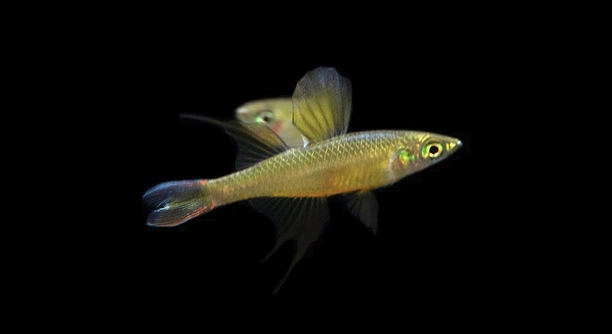
Spawning season brings noticeable changes in behavior and mood for many animals. These shifts can be surprising, from increased activity to altered social interactions, reflecting the natural rhythms and instincts that guide reproductive cycles in different species.
During spawning season, individuals often exhibit seven distinct personality shifts, including heightened aggression, increased territorial behavior, stronger social bonding, amplified communication signals, shifts in feeding patterns, altered energy levels, and more pronounced mating behaviors, all driven by hormonal and environmental factors.
Recognizing these shifts provides insight into natural instincts and helps in understanding the behaviors observed during this unique period.
Heightened Aggression
During spawning season, many animals become noticeably more aggressive. This behavior can appear in both subtle and overt ways, such as chasing others away, vocal confrontations, or even minor physical altercations. Aggression is often linked to protecting territory, securing mates, or asserting dominance within a group. Observing these changes can be startling, especially if an animal is normally calm and reserved. For instance, fish that are usually passive may suddenly chase each other or engage in short bursts of rapid movement. Birds can become more vocal and defensive around nests. Even small mammals like rabbits or rodents may grow more territorial, guarding food or space more fiercely. These actions are not meant to harm humans but are instinctual responses aimed at survival and reproduction. Understanding this behavior helps in interpreting interactions during this intense period. It can also guide how to safely manage animals experiencing these natural shifts.
Heightened aggression is a natural mechanism to ensure reproductive success and protect resources during spawning season.
Recognizing aggression patterns early can prevent stress and injury for both animals and humans. It allows for adjustments in habitat or social groupings to maintain harmony. Providing adequate space, minimizing disturbances, and observing without interference can make the season safer. These measures ensure that natural behaviors are expressed without causing unnecessary conflict or risk.
Increased Social Bonding
During spawning season, some animals display stronger social bonds, spending more time together or engaging in cooperative behaviors. This bonding strengthens pairings and supports successful reproduction.
Stronger social interactions help coordinate mating efforts and maintain group stability. Animals may groom, communicate, or synchronize behaviors more than usual.
Increased social bonding is not limited to pairs but can extend to small groups. In fish, synchronized swimming patterns often appear, creating a visual display for attracting mates. Birds may sing together or participate in group courtship displays, enhancing connections and signaling readiness to reproduce. Mammals like deer or primates may form temporary alliances, share resources, or engage in collective vigilance. These interactions are critical for survival and reproductive success. Observing this behavior provides insight into social hierarchies and communication strategies. The changes may seem subtle but have meaningful effects on group dynamics. Understanding these patterns helps in monitoring health, stress levels, and overall wellbeing of animals during this period. It also highlights the complexity of behaviors driven by instinct.
Amplified Communication
Animals often increase their vocalizations or visual signals during spawning season. These behaviors help attract mates, signal readiness, and establish social hierarchies. Increased communication is a direct response to reproductive needs and environmental cues.
Heightened communication can take many forms depending on the species. Birds may sing more frequently or use complex calls to assert territory or attract a mate. Fish might display vibrant colors, flash patterns, or perform coordinated movements to signal fitness. Mammals can use scent marking, vocalizations, or body postures to convey reproductive status. Even subtle gestures, like tail flicks or wing spreads, carry meaning. These signals are critical in ensuring mating opportunities and reducing unnecessary conflicts. By observing these changes, it becomes clear how deeply instincts drive interactions, and how communication adapts to seasonal demands. This behavior is not random but an organized system responding to survival and reproduction pressures.
Understanding amplified communication allows for better management and observation. Adjusting environments to reduce stress ensures these signals can be expressed safely. Recognizing patterns helps identify healthy behaviors, monitor reproductive success, and maintain social stability. Paying attention to these interactions reveals the intricacies of animal communication during this intense season, emphasizing the connection between instinct, behavior, and environmental factors.
Altered Feeding Patterns
During spawning season, feeding behaviors often change. Some animals eat more to gain energy, while others reduce intake to focus on reproductive activities. These shifts are directly tied to hormonal changes and reproductive priorities.
Energy demands rise significantly during this period, influencing feeding routines. Fish may consume larger quantities to support increased activity, rapid growth, or gamete production. Birds often increase foraging to sustain mating displays, nest building, or incubation efforts. Mammals may adjust feeding times or increase caloric intake to prepare for mating or gestation. Conversely, some animals reduce feeding to remain close to mates or avoid predators during vulnerable activities. Understanding these patterns is essential for managing captive or domestic species, ensuring they receive adequate nutrition while allowing natural behaviors. Adjustments in diet or feeding schedules can help accommodate these changes.
Recognizing altered feeding patterns also informs about overall health and reproductive success. Careful observation ensures animals remain energetic and resilient, minimizing stress and promoting proper development. Monitoring intake provides insight into environmental adequacy and behavioral adaptations, allowing interventions when necessary. Feeding adjustments align with natural instincts, supporting long-term wellbeing and seasonal reproductive demands.
Altered Energy Levels
During spawning season, energy levels can fluctuate significantly. Some animals become highly active, while others conserve energy to focus on mating or survival tasks. These shifts are driven by hormonal changes and reproductive priorities.
Increased activity often includes rapid movements, extended exploration, or longer periods of social interaction. Conversely, energy conservation can manifest as longer rest periods, reduced movement, or selective engagement with the environment. These changes help balance survival needs with reproductive efforts.
Mating Behaviors Intensify
Animals display more pronounced mating behaviors during spawning season. Courtship rituals, displays, and physical interactions become frequent, serving as signals of readiness and fitness. These behaviors ensure reproductive opportunities and support species propagation. Timing and environmental cues heavily influence these actions, making them highly synchronized and predictable within populations.
Heightened Territoriality
Territorial behaviors become more obvious during spawning season. Many animals defend their space aggressively to secure mates, resources, or nesting areas.
FAQ
Why do animals become more aggressive during spawning season?
Aggression increases as a natural response to reproductive pressures. Many animals defend territory, secure mates, or assert dominance within their social group. Hormonal changes amplify these behaviors, making previously calm animals act more defensively. This aggression is instinctual and crucial for reproductive success.
Do all species show personality changes during spawning season?
Not every species exhibits noticeable personality shifts, but many do. Fish, birds, mammals, and amphibians often display behaviors such as aggression, altered feeding, or intensified mating rituals. The extent of change depends on the species’ reproductive strategies and environmental conditions. Some animals experience subtle changes, while others are highly conspicuous.
Why do some animals eat more while others eat less?
Feeding patterns adjust according to energy needs and reproductive priorities. Animals that require high energy for courtship, displays, or gamete production tend to eat more. Conversely, some reduce intake to focus on mating, nest building, or avoiding predators during vulnerable periods. Hormones play a major role in these adjustments.
How can I tell if energy fluctuations are normal?
Energy changes are usually predictable during spawning season. High activity may include increased movement, social interactions, or extended foraging. Low energy may appear as longer resting periods or selective engagement. Observing consistent patterns over time indicates normal seasonal shifts rather than health issues.
Do animals bond more during spawning season?
Yes, social bonds often strengthen. Animals may engage in cooperative behaviors, synchronized movements, or grooming to support reproduction. Pair bonding, group coordination, and shared vigilance are common. Stronger social interactions increase reproductive success and help maintain group stability during this critical period.
Why do communication behaviors intensify?
Communication becomes crucial for attracting mates and signaling readiness. Vocalizations, visual displays, and body gestures are amplified to convey reproductive status. These behaviors help coordinate mating, reduce conflicts, and maintain social hierarchies. In some species, communication can also serve as a warning to rivals or predators.
How does territoriality affect other behaviors?
Heightened territoriality can impact movement, feeding, and social interactions. Animals often defend nesting areas or resources, which may increase aggression and reduce tolerance for nearby conspecifics. Territorial behavior ensures access to mates and resources, influencing the overall dynamics within a population during spawning season.
Are these changes permanent?
Personality shifts during spawning season are temporary and linked to reproductive cycles. Once the season ends, hormone levels stabilize, and animals typically return to normal behaviors. Observing these cycles helps in understanding natural instincts without assuming permanent behavioral changes.
Can humans safely observe these behaviors?
Yes, observation is generally safe if proper distance and minimal interference are maintained. Sudden movements or intrusion can trigger defensive or aggressive behaviors. Using indirect observation methods, such as cameras or watching from a distance, reduces stress on animals while allowing study of natural patterns.
What should I do if animals show extreme aggression?
Extreme aggression is often a normal seasonal behavior but should be monitored for safety. Providing space, reducing disturbances, and separating highly territorial individuals when necessary helps prevent injury. Ensuring animals have adequate resources and shelter supports their natural behaviors without compromising safety.
Do feeding changes affect long-term health?
Short-term adjustments in feeding are usually harmless if animals have access to sufficient nutrition. Long-term health is maintained by monitoring intake, providing high-quality food, and observing for signs of stress or malnutrition. Temporary reductions or increases in feeding support reproductive success without lasting harm.
How can I support animals during spawning season?
Support comes from observing without interference, ensuring adequate space, and maintaining proper nutrition. Minimizing stressors and allowing natural behaviors to occur promotes wellbeing. Understanding species-specific needs, including social, territorial, and feeding behaviors, helps create an environment conducive to safe reproduction.
Why do some species reduce activity during spawning season?
Reduced activity allows animals to conserve energy for reproduction or avoid predators during vulnerable periods. This energy conservation is often paired with selective engagement in mating or nest protection, balancing survival and reproductive demands efficiently.
Do personality shifts indicate health issues?
Not necessarily. Seasonal behavioral changes are usually instinctual and healthy. However, extreme deviations from typical patterns or prolonged lethargy may signal illness or stress. Observing normal cycles and consulting with professionals when unusual behaviors arise ensures proper care.
Can observing these changes improve understanding of species?
Absolutely. Monitoring personality shifts, feeding, energy, and social behaviors provides insight into reproductive strategies, communication methods, and social structures. These observations inform management, conservation, and care practices, highlighting the connection between natural instincts and environmental adaptation.
How long do these behavioral changes last?
The duration varies by species and environmental conditions. Generally, personality shifts last throughout the reproductive season. Once hormonal cycles stabilize and mating concludes, most behaviors return to baseline levels, reflecting the temporary nature of these seasonal adaptations.
Do environmental factors influence spawning behaviors?
Yes, temperature, daylight, habitat availability, and resource abundance all play significant roles. Favorable conditions can intensify behaviors, while stressors or limited resources may suppress or alter normal patterns. Understanding environmental impacts helps predict and interpret seasonal behavioral changes.
Are mating rituals always visible?
Not always. Some species exhibit subtle or hidden displays, relying on chemical signals, vibrations, or short visual cues. Others engage in elaborate and observable behaviors. Recognizing species-specific communication methods is key to accurately understanding reproductive behaviors.
What is the role of hormones in these personality shifts?
Hormones regulate energy, aggression, feeding, social interactions, and mating behaviors. Fluctuations trigger instinctual responses necessary for reproductive success. Observing behavior alongside environmental and seasonal cues provides a complete picture of how hormonal cycles drive personality shifts.
How can I differentiate normal spawning behavior from stress?
Normal spawning behavior follows predictable seasonal patterns, such as increased activity, social bonding, and aggression. Signs of stress include prolonged lethargy, loss of appetite, injury, or excessive avoidance. Monitoring consistency and duration of behaviors helps distinguish natural changes from concerning conditions.
Are these behaviors the same in captivity as in the wild?
Many behaviors persist in captivity, but space limitations, social grouping, and environmental differences can alter intensity. Providing conditions that mimic natural habitats helps maintain normal patterns and supports reproductive health, even in confined or managed settings.
Do these shifts affect offspring survival?
Yes, behaviors like territoriality, feeding adjustments, and social bonding directly impact reproductive success. Proper displays, nest protection, and mate selection increase the likelihood of viable offspring. Observing these behaviors ensures that the reproductive cycle proceeds effectively and offspring have a higher chance of survival.
Can observing personality shifts reduce human-animal conflicts?
Yes, understanding the timing, triggers, and patterns of seasonal behaviors helps manage interactions safely. Adjusting proximity, providing resources, and anticipating aggression or territoriality minimizes risks and promotes coexistence during periods of heightened activity and reproductive drive.
Is it necessary to intervene during these behavior changes?
Intervention is rarely needed unless safety or health is at risk. Allowing natural behaviors supports reproductive success and overall wellbeing. Intervening only when necessary, such as in cases of injury, extreme stress, or food scarcity, ensures animals can express instinctual behaviors safely.
Do all animals experience energy and feeding changes simultaneously?
Not always. Timing depends on species, environment, and individual health. Some may increase activity and intake early, while others adjust later. Staggered changes reduce competition and optimize reproductive success within a population, demonstrating adaptability to environmental and social factors.
Can personality shifts help with species conservation?
Yes, monitoring seasonal behaviors informs habitat management, breeding programs, and population health assessments. Understanding natural instincts allows for interventions that support reproduction, reduce stress, and maintain stable populations, enhancing conservation efforts and long-term species survival.
Do environmental disruptions affect spawning behavior?
Yes, disturbances like habitat loss, pollution, or climate fluctuations can suppress or alter normal behaviors. Reduced mating activity, altered feeding, or social stress may result. Mitigating environmental impacts is critical for maintaining natural reproductive patterns and overall population health.
Are personality shifts the same for males and females?
Shifts often differ by sex. Males may show increased aggression, displays, or territoriality, while females may focus on nesting, mate selection, or selective feeding. Observing both provides a full understanding of reproductive strategies and seasonal behavioral adaptations.
How can observing personality shifts benefit animal care?
Observation allows early detection of stress, nutritional needs, or health issues. Adjusting care, space, and resources in response to behavioral changes ensures animals remain safe, healthy, and able to express natural reproductive behaviors effectively.
Do hormonal cycles affect social hierarchies?
Yes, hormones influence dominance, aggression, and bonding, which can shift hierarchies during spawning season. Temporary changes in social structure reflect reproductive priorities and resource competition, often returning to baseline after the season ends.
Can personality shifts provide insight into environmental health?
Yes, observing behavioral changes helps identify habitat quality, resource availability, and environmental stressors. Disruptions in expected patterns may indicate ecological issues, making behavior a valuable indicator of overall ecosystem health.
Do all behavioral changes revert after spawning season?
Most do, as hormone levels normalize and reproductive pressures ease. While temporary shifts return to baseline, some long-term changes, like learned behaviors or strengthened social bonds, may persist, reflecting adaptation to seasonal conditions.
Are personality shifts predictable?
To a degree. Seasonal timing, environmental cues, and species-specific patterns make many changes foreseeable. Predictability helps anticipate behaviors, manage habitats, and ensure safety during periods of heightened reproductive activity.
Can observing these behaviors enhance understanding of evolution?
Yes, studying seasonal personality shifts provides insight into reproductive strategies, social dynamics, and survival adaptations. These observations reveal how instincts and environmental pressures shape behavior over generations, offering a glimpse into the evolutionary process.
Do personality shifts occur in domesticated animals?
Yes, domesticated species often retain natural instincts. Feeding, aggression, social bonding, and mating behaviors may fluctuate seasonally. Awareness of these patterns helps owners manage environments, maintain safety, and support natural cycles.
How long should monitoring last to understand patterns?
Monitoring throughout the reproductive season, including pre- and post-spawning phases, provides a complete understanding of behavioral shifts. Consistent observation captures variations, timing, and intensity, offering accurate insights into natural instincts and environmental interactions.
Can personality shifts indicate reproductive success?
Yes, strong displays, effective communication, proper feeding, and social behaviors correlate with successful mating and offspring survival. Observing these behaviors helps assess reproductive outcomes and informs management or conservation strategies.
Do external stressors override natural behaviors?
Significant stressors can suppress or alter normal behaviors, affecting feeding, aggression, or mating displays. Minimizing disturbances and maintaining stable conditions allows animals to express natural behaviors, supporting reproduction and wellbeing.
Are personality shifts linked to lifespan or age?
Age influences intensity and timing of behaviors. Younger or less experienced individuals may show weaker displays, while mature animals often exhibit stronger or more predictable shifts. Lifespan and health also determine energy, aggression, and feeding patterns during spawning season.
Can observing personality shifts help prevent conflict in shared habitats?
Yes, understanding timing, triggers, and territorial behaviors helps humans manage interactions safely. Adjusting proximity and anticipating aggression reduces risks, ensuring peaceful coexistence during heightened reproductive activity.
Is it normal for animals to change social partners?
Some species temporarily shift partners or alliances for reproductive advantages. These changes are natural, allowing flexibility in mate selection, resource access, or protection, and typically revert once the spawning season concludes.
Do these shifts affect predator-prey interactions?
Yes, increased activity, territoriality, or displays may expose animals to predators. Conversely, some species reduce movement or feed strategically to avoid threats. Behavioral adaptations balance reproductive success with survival risks.
Can observing these behaviors improve breeding programs?
Yes, recognizing natural patterns of aggression, communication, feeding, and bonding helps optimize conditions in breeding programs. Aligning care with instincts increases reproductive success and offspring viability, supporting effective management.
Do environmental conditions accelerate or delay spawning behaviors?
Temperature, daylight, and resource availability can influence the onset and intensity of behaviors. Favorable conditions may trigger earlier or stronger activity, while stress or scarcity can delay or suppress behaviors. Monitoring these factors is crucial for understanding and managing seasonal changes.
Are personality shifts reversible?
Yes, once the reproductive season ends and hormone levels stabilize, most behaviors return to baseline. Temporary adaptations ensure reproductive success while minimizing long-term disruptions to health or social structure.
Do animals experience stress during spawning season?
Some stress is natural, linked to competition, territoriality, or reproductive effort. Moderate stress supports survival, but excessive or prolonged stress can harm health, requiring careful observation and environmental management.
How can personality shifts inform conservation efforts?
Behavioral monitoring reveals reproductive patterns, social structures, and environmental impacts. Applying this knowledge allows habitat management, population monitoring, and intervention planning, ultimately supporting species survival and reproductive success.
Do animals remember their behaviors from previous seasons?
Many species exhibit learned behaviors influenced by past experiences. Previous success in mating, territory defense, or social interactions can shape strategies in subsequent seasons, improving efficiency and reproductive outcomes.
Can personality shifts impact group dynamics?
Yes, aggression, bonding, and territoriality temporarily alter hierarchies and social interactions. Understanding these shifts helps maintain stability, prevent conflicts, and manage resources effectively during high-activity periods.
Do captive animals display natural spawning behaviors fully?
Captivity can limit expression, but providing adequate space, social structures, and environmental enrichment allows many natural behaviors. Observing these adaptations informs care, breeding, and wellbeing strategies.
How predictable are feeding changes during spawning season?
Feeding changes follow species-specific patterns but can vary with environmental conditions and individual needs. Monitoring intake ensures adequate nutrition while accommodating natural fluctuations, supporting energy demands and reproductive success.
Do personality shifts differ between solitary and social species?
Yes, social species show group coordination, bonding, and complex interactions, while solitary species may focus on territoriality, mate searching, or nest preparation. Behavioral patterns reflect reproductive strategies and social organization.
Can observing these shifts help in scientific research?
Yes, monitoring seasonal behaviors provides data on reproduction, communication, energy use, and social interactions. These observations contribute to ecological studies, behavioral science, and conservation planning, offering insight into species’ natural rhythms.
Are all personality shifts visible to the naked eye?
Not always. Some behaviors are subtle, like chemical signaling, small gestures, or minor activity changes. Careful observation over time or with specialized equipment may be required to detect these less obvious patterns.
Do personality shifts vary within a species?
Yes, individuals differ based on age, health, experience, and social status. While general trends exist, observing multiple individuals provides a fuller understanding of behavioral diversity and adaptability during spawning season.
How can humans minimize impact during this season?
Maintaining distance, reducing disturbances, and providing adequate resources allow natural behaviors to occur safely. Awareness of seasonal patterns helps prevent stress, aggression, or interference, supporting animal wellbeing.
Do personality shifts influence reproductive timing?
Yes, changes in aggression, feeding, social interaction, and energy levels align with reproductive readiness. These behaviors ensure mating occurs at optimal times, enhancing success and offspring survival.
Can personality shifts inform animal welfare practices?
Observing natural behaviors guides habitat design, nutrition, social groupings, and safety measures. Aligning care with instinctual patterns ensures animals can express reproductive behaviors while maintaining health and minimizing stress.
Are personality shifts consistent across years?
They generally follow seasonal patterns, but environmental conditions, population density, and individual experiences may cause minor variations. Long-term observation provides a clearer picture of recurring behaviors.
Do hormonal changes affect behavior in all species?
Yes, hormones regulate aggression, energy, feeding, mating, and social interactions across species. The intensity and timing of shifts depend on reproductive strategies and environmental cues.
Can personality shifts impact offspring care?
Yes, behaviors such as territoriality, feeding, and bonding influence nest protection, resource sharing, and social learning. Proper expression of these behaviors increases the survival chances of young and supports healthy development.
Are personality shifts always visible during the day?
No, some activities occur at specific times, like night or early morning, depending on species. Observing across different periods ensures a complete understanding of behavioral patterns.
Do animals recover quickly after spawning season?
Most return to baseline behaviors within weeks as hormones normalize. Temporary changes subside, and normal feeding, energy, and social interactions resume. Some learned behaviors or strengthened bonds may persist.
Can these behaviors be used to predict population trends?
Yes, monitoring aggression, mating success, and social interactions provides insight into reproductive rates, survival, and population health. Consistent observation aids in management and conservation planning.
Do environmental changes during spawning season have lasting effects?
Significant disruptions can temporarily suppress behaviors, reduce reproductive success, or stress populations. Long-term impacts depend on severity, duration, and species resilience. Monitoring and mitigating environmental stressors supports continued reproductive success and stability.
Are personality shifts linked to survival strategies?
Yes, behaviors like aggression, territoriality, bonding, and feeding adjustments optimize reproductive success while balancing energy use and predation risk. Seasonal adaptations are critical for survival and species propagation.
How can observing personality shifts improve species management?
Understanding timing, intensity, and types of behavioral changes informs habitat design, resource allocation, breeding programs, and conservation efforts, ensuring animals can express natural behaviors safely and effectively.
Do personality shifts provide insight into evolutionary adaptations?
Yes, studying seasonal behaviors reveals how instincts, environmental pressures, and reproductive strategies shape species over time. These observations highlight the connection between behavior, survival, and evolution.
Can personality shifts be used to monitor environmental health?
Yes, disruptions in expected patterns often indicate habitat stress, resource limitations, or ecological imbalance. Behavioral monitoring provides a non-invasive tool for assessing ecosystem conditions.
Are there exceptions to typical spawning behaviors?
Yes, individual variations, environmental stressors, or health issues can result in atypical patterns. Observing multiple individuals and understanding species norms help differentiate exceptions from typical behaviors.
Do personality shifts occur in non-reproductive periods?
While seasonal shifts are tied to reproduction, similar behaviors may appear due to stress, resource changes, or social dynamics. However, intensity and frequency are generally lower outside the spawning period.
How important is observation timing?
Timing is crucial. Observing pre-spawning, peak, and post-spawning periods provides a complete picture of behavioral changes, allowing accurate interpretation of energy, social, feeding, and reproductive patterns.
Can personality shifts affect interspecies interactions?
Yes, heightened aggression, territoriality, or displays can impact other species in shared habitats. Understanding these interactions helps manage coexistence and reduce conflict.
Do personality shifts require habitat modifications?
In captivity or managed environments, providing space, resources, and environmental enrichment supports natural behaviors. In the wild, minimal interference ensures behaviors occur naturally, maintaining reproductive success and wellbeing.
Are these shifts observed in all geographic regions?
Yes, but timing and intensity can vary with climate, seasonal cycles, and habitat conditions. Local environmental factors influence the expression of spawning-related behaviors.
**Can observing these behaviors improve
Final Thoughts
Spawning season brings noticeable personality shifts in many animals, affecting aggression, social bonding, feeding, energy levels, and communication. These changes are not random but are driven by natural instincts and hormonal cycles that support reproductive success. Understanding these behaviors helps make sense of actions that may otherwise seem confusing or sudden. Animals may become more territorial or aggressive, display increased social interactions, or adjust feeding and activity patterns. Each shift has a clear purpose, whether it is attracting mates, defending territory, conserving energy, or ensuring survival of offspring. Observing these patterns allows for a deeper appreciation of how instinct and environment work together to guide behavior. While the changes may seem dramatic, they are temporary, returning to baseline once the reproductive period ends. Recognizing that these behaviors are natural rather than problematic allows for a better approach to managing or coexisting with animals during this intense season.
Personality shifts during spawning season are influenced by a combination of biological and environmental factors. Hormones play a central role, regulating energy, aggression, mating behaviors, and communication. Environmental conditions, such as temperature, daylight, habitat availability, and resources, also affect the timing and intensity of these behaviors. Some species may increase activity and feeding to meet energy demands, while others reduce movement to focus on mating or protecting offspring. Social dynamics often shift as well, with temporary changes in group hierarchies, bonding, and territorial behavior. Communication behaviors, including vocalizations, visual displays, or chemical signals, are amplified to coordinate mating and maintain social order. By paying attention to these patterns, it is possible to predict behaviors and respond appropriately, whether in natural habitats, conservation efforts, or controlled environments. Careful observation ensures that animals can express instinctual behaviors safely and with minimal stress.
Monitoring personality shifts provides insight into animal wellbeing and reproductive success. Understanding these behaviors supports better management, conservation, and care practices. Providing adequate space, nutrition, and environmental enrichment allows animals to engage in natural behaviors while minimizing stress or conflict. Observing changes in aggression, social bonding, feeding, and energy also informs about overall health and environmental adequacy. While these behaviors are temporary, they reveal the complex strategies animals use to survive and reproduce. Recognizing the purpose behind each shift promotes a neutral and informed perspective, allowing people to interact with or care for animals in ways that support their natural cycles. Awareness and observation of these seasonal changes help ensure animals remain healthy, safe, and capable of completing their reproductive processes successfully, emphasizing the importance of understanding instinct-driven behavior.

Hello,
If you enjoy the content that we create, please consider saying a "Thank You!" by leaving a tip.
Every little bit helps us continue crafting quality advice that supports the health, happiness, and well-being of pets around the world, for pets of all shapes, sizes, and species.
We really appreciate the kindness and support that you show us!