
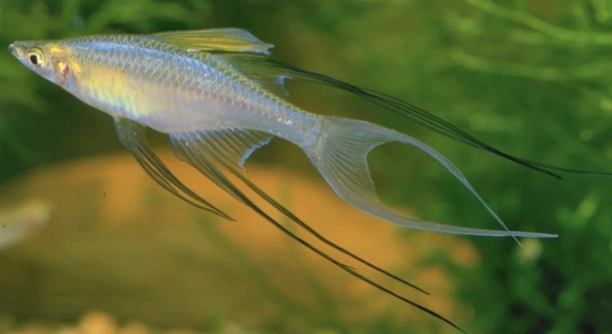
Do your Threadfin Rainbowfish often rest on hard surfaces in your aquarium? Observing this behavior can be both intriguing and concerning for aquarists. Many fish owners wonder what it means when these colorful fish spend time on hardscape elements.
Threadfin Rainbowfish resting on hardscape is typically a natural behavior rather than a sign of illness. It often indicates comfort, territorial marking, or a need for a firm surface to rest against. Environmental factors, such as water flow and tank layout, also influence this behavior.
Understanding why your fish prefer hardscape can improve tank management and ensure their well-being. Observing these habits can reveal more about their daily interactions and needs.
Why Threadfin Rainbowfish Rest on Hardscape
Many aquarists notice Threadfin Rainbowfish resting on rocks, driftwood, or aquarium decorations. This behavior is often linked to comfort and a sense of security. Hard surfaces provide a stable area where fish can pause without expending energy. In community tanks, they may also use these spots to observe other fish while remaining protected. Water flow plays a role as well; fish often position themselves where currents are gentler. Some individuals may show a preference for elevated surfaces, giving them a vantage point over their environment. Lighting and tank temperature influence activity, so rest patterns can vary throughout the day. Observing these habits helps you understand fish well-being. By noting where and when they rest, you can adjust tank design to suit their preferences. Ensuring ample hiding spots and stable surfaces supports natural behaviors and reduces stress, leading to healthier, more active fish.
Recognizing this behavior as normal prevents unnecessary worry. Fish resting on hardscape usually indicates a balanced environment.
Providing varied surfaces and gentle currents encourages natural exploration. Observing preferences can help tailor tank setups for optimal comfort.
Health Considerations and Hardscape Use
Resting on hard surfaces can also reveal minor health issues. Fish may seek firm surfaces if they feel unsteady or experience mild stress. Monitoring posture, color, and appetite alongside this behavior is important.
Changes in behavior, such as excessive rest or staying in one spot, may indicate water quality problems or illness. Regular testing of pH, ammonia, nitrite, and nitrate levels ensures a safe habitat. Filtration, temperature control, and proper tank maintenance reduce stress that may push fish to overuse hard surfaces. Nutrition plays a role too; well-fed fish are more active and less likely to linger on decorations out of weakness. Adjusting the tank layout by providing soft plants or gentle hiding spaces can balance hardscape use. Observing interactions with other fish ensures social stability. By combining careful monitoring, environmental adjustments, and proper care, you can maintain healthy behaviors while letting Threadfin Rainbowfish display natural resting habits without compromising their health.
Tank Setup and Hardscape Placement
Proper placement of rocks, driftwood, and decorations is essential for Threadfin Rainbowfish comfort. Hard surfaces should be stable and arranged to allow clear swimming paths. Avoid overcrowding the tank, as this can stress the fish and limit natural resting areas.
Positioning hardscape near gentle currents gives fish a comfortable resting spot while still allowing movement. Taller decorations can serve as lookout points, while flat surfaces provide resting areas. Mixing textures and heights encourages exploration without overwhelming the fish. Regularly inspecting hardscape for sharp edges prevents injury, and anchoring larger items ensures they remain secure. A well-thought-out layout balances open swimming space with resting zones, promoting natural behaviors and minimizing stress. Observing how fish interact with these surfaces helps refine placement over time.
Introducing soft elements alongside hard surfaces can improve overall tank comfort. Plants or smooth decorations create variety, giving fish more options. Watching their preferences informs future adjustments to enhance their environment and maintain healthy activity levels.
Social Behavior and Hardscape Use
Threadfin Rainbowfish often use hardscape to establish personal space within the tank. Dominant fish may claim prime surfaces, while others rest nearby but not directly on the same spot.
Interactions among tank mates can influence hardscape use significantly. Fish may gather near sturdy surfaces to observe or avoid conflict with more aggressive individuals. Providing multiple resting spots reduces competition and allows each fish to choose a comfortable area. Social hierarchies are usually subtle, but consistent observation can reveal preferred locations and favored surfaces. Overcrowding or limited decorations can increase tension, leading to stress or territorial disputes. Adjusting hardscape placement and adding additional resting areas can mitigate these issues. This ensures fish maintain natural social patterns, reducing stress while promoting healthy behavior. Careful monitoring and small adjustments help maintain balance, making sure all fish feel secure and supported in their tank environment.
Feeding Areas and Hardscape
Placing feeding spots near stable hard surfaces can help Threadfin Rainbowfish feel secure while eating. Fish often prefer flat areas to hover over food, reducing stress and ensuring everyone has access without aggressive competition.
Hardscape can also prevent uneaten food from drifting too far. Rocks or driftwood help contain flakes or pellets, keeping the tank cleaner. Observing feeding behavior allows small adjustments to placement, improving comfort and efficiency.
Observing Resting Patterns
Tracking where and when fish rest helps identify preferences and potential issues. Consistent patterns indicate comfort, while sudden changes may signal stress or environmental problems.
Monitoring these habits over time allows adjustments in tank layout or water conditions. Recognizing favorite resting spots ensures that fish have secure areas, which supports overall health and natural activity levels.
Water Quality and Hardscape
Hard surfaces can accumulate algae or debris, affecting water quality if not cleaned regularly. Maintaining clean decorations ensures a healthier environment and reduces the risk of stress-related behavior.
FAQ
Why do Threadfin Rainbowfish prefer resting on hard surfaces?
Threadfin Rainbowfish often choose hard surfaces because they provide stability and a sense of security. Flat rocks, driftwood, or other decorations give fish a firm area to pause without expending energy. In addition, hard surfaces allow them to observe the tank and monitor other fish while staying protected. Gentle currents around these surfaces also make resting easier, as the fish can conserve energy and avoid fighting strong flows. Observing which surfaces your fish prefer can help you optimize tank setup for comfort and natural behavior.
Is resting on hardscape a sign of illness?
Most of the time, this behavior is normal. Healthy fish use hard surfaces to rest naturally. However, if a fish stays in one spot excessively, shows unusual posture, loses color, or stops eating, it may indicate stress, illness, or poor water quality. Monitoring water parameters like pH, ammonia, nitrites, and temperature can help identify environmental causes. Providing multiple surfaces and safe hiding areas can reduce stress and prevent potential issues.
How often should I clean the hardscape?
Cleaning depends on algae growth, debris, and leftover food accumulation. Regularly inspecting rocks and decorations for buildup is essential. Removing algae and debris prevents harmful bacteria from developing and maintains better water quality. Cleaning can be done weekly or biweekly, depending on tank conditions. Hard surfaces should be scrubbed gently to avoid damage. Avoid using chemicals; warm water or an aquarium-safe brush is sufficient. Maintaining clean surfaces ensures fish continue to use these areas for resting comfortably.
Can the placement of hardscape affect fish behavior?
Yes, placement matters. Fish prefer areas that are stable, secure, and near gentle currents. Tall decorations can serve as lookout points, while flat surfaces act as resting zones. Arranging hardscape to provide open swimming space along with resting areas encourages natural behavior. Observing where fish congregate helps adjust the layout for comfort. Overcrowding or uneven distribution of hard surfaces can cause stress or competition. Offering multiple options for rest and observation balances fish interactions and reduces tension.
Should I provide soft decorations alongside hard surfaces?
Including soft elements like plants or smooth decorations can complement hard surfaces. Soft items give fish alternative resting options and can reduce wear on fins. They also create a visually diverse environment that encourages exploration. Observing fish choices between soft and hard surfaces helps identify preferences. Mixing textures enhances tank design while supporting natural behaviors. Soft elements can also improve water flow around resting areas, creating more comfortable conditions for Threadfin Rainbowfish.
Do all Threadfin Rainbowfish behave the same way with hardscape?
Individual fish may have different preferences. Some may consistently use certain rocks or driftwood, while others explore more. Dominance hierarchies influence which surfaces are used by which fish. Offering multiple resting spots minimizes conflict and ensures all fish have comfortable areas. Watching their behavior over time helps identify patterns and adjust the tank setup for balanced use of hardscape. Individual differences are normal and can guide environmental improvements.
Can hardscape placement reduce stress in the tank?
Yes, thoughtful placement reduces stress. Fish feel safer when they have stable resting zones and areas to observe their surroundings. Properly positioned hardscape also prevents overcrowding and ensures multiple fish can rest without conflict. Maintaining these zones encourages natural behavior, increases comfort, and promotes overall health. Observing how fish interact with hard surfaces provides insight into social dynamics and environmental needs.
How do water currents interact with hardscape use?
Gentle currents around rocks or driftwood make resting easier, while strong flows may push fish to different areas. Hard surfaces allow fish to anchor themselves and conserve energy. Monitoring fish positioning in relation to water flow can guide adjustments in filter placement or hardscape arrangement. Balancing currents with resting areas ensures a comfortable and functional environment, supporting both activity and relaxation.
Can observing resting patterns indicate environmental issues?
Yes, changes in resting behavior can reveal problems. Fish suddenly avoiding hard surfaces, resting excessively, or showing erratic movement may indicate stress, illness, or poor water quality. Tracking patterns alongside water tests helps identify underlying issues. Adjusting tank layout, improving water conditions, and ensuring proper nutrition can correct these behaviors and maintain healthy, natural habits.
Are there long-term benefits to providing varied hardscape?
Offering multiple types of surfaces encourages exploration, reduces conflict, and supports mental stimulation. Fish have options to rest, observe, and interact safely. Varied hardscape also accommodates growth and social hierarchies. Over time, a well-designed layout promotes consistent natural behavior, reduces stress, and supports long-term health for all Threadfin Rainbowfish in the aquarium.
Final Thoughts
Threadfin Rainbowfish resting on hard surfaces is a normal and natural behavior in most aquariums. These fish often use rocks, driftwood, or other decorations as stable areas to pause, conserve energy, and observe their surroundings. Providing a tank environment that accommodates this behavior can improve their overall comfort and health. Hard surfaces allow fish to feel secure, especially in community tanks where social interactions can influence stress levels. Observing how your fish use these areas gives valuable insight into their preferences and needs, allowing for small adjustments that enhance their daily life. Noticing which surfaces are favored can also guide the placement of new decorations or adjustments in tank layout. Ensuring stability and accessibility of hardscape helps prevent injuries and supports natural resting patterns, making your aquarium a safer and more enjoyable environment for your fish.
Maintaining clean and well-placed hardscape is equally important. Over time, algae and debris can accumulate on rocks and driftwood, potentially affecting water quality. Regular maintenance, such as gentle scrubbing with an aquarium-safe brush and careful inspection, prevents harmful buildup while preserving the fish’s preferred resting areas. Proper placement of decorations also encourages movement and natural exploration, rather than crowding fish into a single area. Combining hard surfaces with softer elements like plants or smooth decorations creates a more dynamic environment and reduces potential stress. Watching how fish interact with different textures and surfaces helps you determine which setups work best. Adjusting the tank based on these observations ensures that your Threadfin Rainbowfish can rest comfortably while remaining active, healthy, and engaged with their surroundings.
Understanding the relationship between fish behavior and environmental factors allows for better long-term care. Observing resting patterns can indicate overall health and well-being, as sudden changes may signal stress, illness, or water quality issues. By monitoring these patterns and maintaining appropriate tank conditions, you can support your fish’s natural behaviors while minimizing potential problems. Providing varied hardscape, ensuring gentle water flow, and offering sufficient hiding spaces all contribute to a balanced and harmonious aquarium. Thoughtful observation and care not only help your Threadfin Rainbowfish thrive but also create a more rewarding experience as a keeper. Paying attention to these details ensures that your fish are comfortable, active, and well-adjusted, promoting long-term health and reducing stress in the tank environment.

Hello,
If you enjoy the content that we create, please consider saying a "Thank You!" by leaving a tip.
Every little bit helps us continue crafting quality advice that supports the health, happiness, and well-being of pets around the world, for pets of all shapes, sizes, and species.
We really appreciate the kindness and support that you show us!