
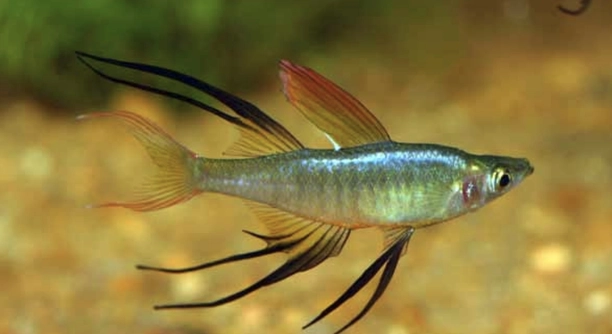
Are your Threadfin Rainbowfish showing signs of stress or unusual behavior in your aquarium? Many fishkeepers struggle to provide the right environment that encourages natural activity and vibrant coloration for these tropical fish.
Selecting substrates that closely mimic their natural habitat is essential for promoting healthy behavior in Threadfin Rainbowfish. Fine gravel, sand, and mixed substrates provide foraging opportunities, territorial boundaries, and environmental enrichment, supporting overall physical and psychological well-being.
Understanding substrate choices can significantly enhance your aquarium setup. The right foundation encourages natural exploration, reduces stress, and fosters a more active and visually appealing fish community.
Fine Sand
Fine sand provides a soft, natural base that allows Threadfin Rainbowfish to exhibit natural foraging behaviors. They enjoy sifting through the sand to find tiny food particles, which stimulates their instincts and keeps them active. Sand also reduces the risk of injury to their delicate fins compared to rougher substrates. Additionally, sand is easy to shape for aquascaping, enabling you to create small slopes or dips that mimic riverbeds and shallow streams. Over time, it can develop a natural biofilm that serves as an additional grazing area, contributing to their diet. Sand also supports rooted plants well, which adds cover and vertical interest to the aquarium. Choosing a high-quality, inert sand prevents changes in water chemistry, which is crucial for maintaining stable conditions. With proper maintenance, sand can remain clean and visually appealing, providing a long-term, fish-friendly environment that encourages healthy, active behavior in your Threadfin Rainbowfish.
Fine sand not only enhances fish behavior but also supports stable water conditions, reducing stress for your aquatic pets.
Regular cleaning and gentle stirring of sand prevent debris buildup, ensuring your fish have a safe, natural environment to explore freely.
Fine Gravel
Fine gravel offers an alternative substrate that is both practical and visually appealing. Its slightly larger texture allows Threadfin Rainbowfish to forage naturally while providing good water flow through the substrate, which prevents trapped detritus.
Fine gravel is durable and supports a variety of aquatic plants, adding both functional and aesthetic value to the tank.
Choosing fine gravel over coarser options provides better support for plant roots, ensuring they grow healthily. Gravel also creates a visually distinct layer that helps highlight your fish’s vibrant colors. It encourages natural territorial behavior by allowing fish to define spaces and explore their environment safely. Unlike sand, gravel is less prone to compaction, which maintains a healthy substrate layer over time. Additionally, it can accommodate hiding spots with small rocks or decorations, giving Threadfin Rainbowfish areas to retreat when stressed. Selecting inert, aquarium-safe gravel ensures stable pH and water hardness, which is critical for these tropical fish. By offering a substrate that balances aesthetics and functionality, fine gravel supports both behavioral enrichment and long-term aquarium health.
Mixed Sand and Gravel
A mixture of sand and gravel combines the benefits of both substrates, offering a varied texture for Threadfin Rainbowfish to explore. It allows natural foraging and adds visual interest, creating a dynamic and engaging environment for the fish.
Mixed substrates support behavioral enrichment by providing multiple surfaces for exploration. Fish can sift through the sand for small particles while navigating the slightly larger gravel pieces. This variety encourages active movement and natural instincts, reducing boredom and stress. The combination also aids in plant rooting, giving plants stability while allowing delicate roots to spread. Over time, the layered textures create microhabitats that contribute to a balanced tank ecosystem.
Careful maintenance of mixed substrates is essential to prevent debris buildup in the gravel while keeping sand from compacting. Regular stirring and vacuuming ensure cleanliness. The contrasting textures also enhance the tank’s aesthetics, highlighting your Threadfin Rainbowfish’s colors and movements while promoting a healthy, stimulating environment.
Aquarium Soil
Aquarium soil provides nutrients for plants while offering a soft surface for Threadfin Rainbowfish to interact with. Its fine texture supports natural behaviors and enhances overall tank health.
Rich in minerals, aquarium soil promotes strong plant growth, which indirectly benefits fish by improving water quality and creating shaded areas for resting. Plants rooted in soil provide hiding spots, contributing to reduced stress and encouraging exploration. The substrate’s texture allows fish to sift lightly without risk of injury. It also supports microorganisms that serve as supplementary food, enriching the fish’s diet and promoting natural foraging behaviors.
Using aquarium soil requires careful setup to prevent clouding. Rinse thoroughly before adding water and add water slowly to maintain clarity. Regular monitoring of nutrient levels ensures plants thrive without affecting water chemistry. Over time, the combination of nutrient-rich soil, active plant growth, and safe substrate encourages healthy behavior, improves coloration, and creates a visually pleasing, sustainable environment for your Threadfin Rainbowfish.
Smooth River Rocks
Smooth river rocks provide a naturalistic environment that encourages exploration while protecting delicate fins. Their rounded surfaces prevent injuries and create subtle hiding spots for Threadfin Rainbowfish.
These rocks also influence water flow around them, reducing stagnant areas and helping maintain a clean, healthy tank. They work well as accents alongside sand or gravel.
Crushed Coral
Crushed coral stabilizes water pH and hardness, benefiting tropical fish like Threadfin Rainbowfish. Its coarse texture offers alternative surfaces for exploration and grazing.
Blending crushed coral with finer substrates creates varied microhabitats. It supports algae growth, which serves as an additional food source, and allows fish to display natural behaviors. Proper layering prevents compacting, keeping the substrate healthy and stimulating.
Pea Gravel
Pea gravel is small, smooth, and ideal for aquariums that house active fish. It supports plants and allows fish to forage naturally.
Marbles
Marbles can be used sparingly as decorative substrate accents. They create visual interest without altering water chemistry or impacting fish behavior.
FAQ
What is the best substrate for Threadfin Rainbowfish?
The best substrate balances safety, behavior, and aesthetics. Fine sand or a sand-gravel mix is often ideal because it allows natural foraging and exploration without risking fin damage. Aquarium soil can also be effective when paired with plants, as it encourages grazing and creates a more natural environment. The choice depends on your tank setup, plant selection, and personal preference for appearance.
Can Threadfin Rainbowfish live on gravel alone?
Yes, they can live on fine gravel, but it should be smooth and small enough to prevent injury. Gravel alone doesn’t provide the same foraging benefits as sand or mixed substrates, so combining it with sand or adding microhabitats can enhance their behavior. Proper cleaning is essential to prevent waste buildup in gravel.
Is sand better than gravel for their behavior?
Sand is generally better for natural foraging because Threadfin Rainbowfish can sift through it without hurting their delicate fins. It mimics their natural environment more closely, encouraging active searching for food and reducing stress. Mixed substrates can offer both the comfort of sand and the structural benefits of gravel.
How often should I clean the substrate?
Cleaning depends on the substrate type. Sand may require gentle stirring and vacuuming every one to two weeks, while gravel may need more frequent siphoning to remove trapped debris. Regular monitoring ensures the tank remains clean without disturbing plants or beneficial microorganisms.
Can crushed coral affect water chemistry?
Yes, crushed coral raises water hardness and pH. This can be beneficial for species that prefer harder water, but it may not suit all fish. Layering it under sand or mixing it with other substrates can mitigate dramatic changes while still offering texture for exploration.
Do Threadfin Rainbowfish need plants in the substrate?
Plants are not strictly necessary, but they enhance well-being by offering hiding spots and shaded areas. They also improve water quality by absorbing nutrients. Substrates like aquarium soil or mixed sand-gravel provide better root support, allowing plants to thrive alongside your fish.
Can decorative items replace substrate?
Decorative items like marbles or smooth rocks can complement a substrate but shouldn’t replace it entirely. Fish need a base to exhibit natural behaviors like foraging and sifting. Decorations can enhance aesthetics and create hiding spots but should be used sparingly to maintain open swimming areas.
What is the easiest substrate to maintain?
Fine gravel and mixed substrates are relatively easy to maintain. They allow waste to settle on the surface for vacuuming without compacting too much. Sand requires careful cleaning to prevent compaction, while aquarium soil needs careful handling during water changes to avoid cloudiness.
How does substrate impact fish coloration?
Substrate can influence coloration by affecting stress levels and behavior. Natural, soft substrates like sand or soil reduce stress and encourage active behavior, which can enhance vibrancy. Bright or reflective gravel may highlight colors but can stress shy fish if it contrasts too sharply with their natural tones.
Can I mix multiple substrates safely?
Yes, mixing substrates like sand, gravel, and soil is safe if done thoughtfully. Layering helps prevent sand from floating and gravel from compacting. It also creates diverse microhabitats that support natural behaviors, plant growth, and a visually appealing tank. Proper maintenance ensures balance is maintained.
How thick should the substrate layer be?
A 2–3 inch layer is usually sufficient. Sand layers should be deep enough to allow foraging, while gravel or soil layers support plant roots. Excessively deep layers can compact or trap debris, leading to anaerobic spots that harm fish and plants. Regular monitoring prevents these issues.
Are there substrates to avoid?
Avoid sharp or coarse substrates that can injure delicate fins, like large rocks or jagged gravel. Substrates that drastically alter water chemistry without control, such as untreated limestone, can also create unstable conditions. Inert, smooth, and appropriately sized substrates are safest for Threadfin Rainbowfish.
Can substrate affect breeding behavior?
Yes, natural substrates encourage spawning behaviors by mimicking their native environment. Sand and soft soils provide surfaces for egg laying or resting, while structured gravel allows fish to establish territories. A comfortable substrate reduces stress, which can directly influence reproductive activity.
Does substrate choice impact tank cleaning frequency?
Yes, substrates like sand may require less frequent deep cleaning if fish activity keeps it aerated, while gravel can trap debris and need more regular siphoning. Aquarium soil may also need gentle stirring to prevent compaction and maintain a healthy environment for plants and fish.
Can I switch substrates after setting up the tank?
Switching substrates is possible but should be done carefully. Sudden changes can stress fish and disturb beneficial bacteria. Gradually replacing sections and monitoring water parameters ensures fish safety. Mixing old and new substrates can help maintain microbial balance and minimize impact on fish behavior.
Do substrates influence algae growth?
Yes, substrates can encourage or discourage algae. Nutrient-rich soils can promote plant and algae growth, while inert gravel or sand supports less algae. Proper lighting, plant density, and cleaning routines help manage algae while allowing fish to interact naturally with their substrate.
Can substrate layers affect water circulation?
Yes, compacted substrates can create stagnant areas with poor water flow, impacting oxygen levels and fish health. Mixed layers and occasional stirring improve circulation, prevent anaerobic zones, and maintain a cleaner, healthier environment for Threadfin Rainbowfish.
Is substrate important for juvenile fish?
Absolutely. Juvenile Threadfin Rainbowfish benefit from soft, fine substrates that allow gentle foraging. Smooth sand or a sand-gravel mix reduces stress and injury risk, supports exploration, and encourages natural behaviors that contribute to healthy growth and development.
How do I choose the right substrate for my tank size?
For smaller tanks, fine sand or thin layers of gravel prevent overcrowding and allow easy maintenance. Larger tanks can support mixed layers and aquarium soil, which offer more diversity in texture and planting options. Layer thickness and material choice should complement tank dimensions while ensuring safety and behavioral enrichment.
Can substrate impact water clarity?
Yes, substrates like aquarium soil can cloud water if not handled carefully. Adding water slowly and rinsing materials beforehand helps maintain clarity. Sand and gravel are less likely to cause cloudiness, but stirring during cleaning can temporarily reduce clarity before settling.
Does substrate affect fish interaction with each other?
Substrate can influence territorial and social behaviors. Varied textures and hiding spots allow fish to establish boundaries and explore naturally. Soft, natural substrates reduce stress, encourage movement, and promote active, healthy interactions among Threadfin Rainbowfish in both small and large groups.
What are common mistakes with substrate setup?
Common mistakes include using sharp or coarse materials, overcompacting sand, layering incompatible substrates, or neglecting regular cleaning. Choosing the wrong substrate can stress fish, hinder plant growth, and create poor water conditions, impacting overall aquarium health and behavior.
How do I maintain substrate long-term?
Long-term maintenance involves regular vacuuming, gentle stirring, monitoring water chemistry, and occasional replenishing of nutrient-rich soils. Avoid complete substrate replacement unless necessary. Maintaining cleanliness while preserving beneficial microorganisms ensures a healthy, stable environment for Threadfin Rainbowfish.
Can substrate influence feeding behavior?
Yes, natural substrates like sand encourage sifting and foraging, stimulating instinctive feeding behaviors. Gravel and mixed layers provide varied textures that promote exploration and reduce boredom, contributing to a more active and engaged fish community.
Is substrate selection different for planted versus non-planted tanks?
Yes. Planted tanks benefit from nutrient-rich soils or mixed layers that support root growth. Non-planted tanks can use sand or fine gravel alone, focusing on ease of cleaning and natural fish behavior rather than plant support. Choosing the right substrate enhances both aesthetics and fish well-being.
Can substrate help reduce stress in Threadfin Rainbowfish?
Absolutely. Soft, natural substrates that mimic native habitats provide comfort, promote natural behaviors, and reduce stress. Structured environments with hiding spots and varied textures help fish feel secure, which can improve activity levels, coloration, and overall health.
Are there substrates that promote aggression?
Aggression is rarely caused by substrate alone but can be influenced by lack of hiding spots or territory markers. Substrates that offer varied textures, plants, and microhabitats help diffuse territorial disputes and allow fish to establish personal spaces, reducing conflicts.
Can substrate impact tank aesthetics?
Yes, substrate sets the visual tone of the aquarium. Sand creates a soft, natural look, gravel adds texture, and mixed layers provide depth. Choosing colors and materials that complement fish colors enhances overall appeal while supporting their behavioral needs.
Is layering substrates beneficial?
Layering can be highly beneficial, combining fine sand, gravel, and nutrient-rich soil. Proper layering prevents compaction, supports plants, and creates diverse microhabitats that encourage natural behavior. It also helps balance aesthetics with functionality, maintaining a healthy environment for Threadfin Rainbowfish.
How do I test if my substrate is suitable?
Observe fish behavior, plant growth, and water clarity. Fish should forage naturally, plants should root securely, and water should remain stable. Adjust substrate type, thickness, or layering if fish show stress, plant growth is weak, or water chemistry fluctuates. Regular monitoring ensures ongoing suitability.
Can substrate prevent diseases?
While it doesn’t directly prevent disease, a well-maintained substrate reduces stress and debris buildup, limiting conditions that promote infections. Clean, safe substrates, paired with proper tank maintenance, support overall fish health and resilience.
Do Threadfin Rainbowfish interact with substrate differently at night?
Yes, they may forage less actively but still explore and rest near soft substrates. Hiding spots and varied textures provide security and reduce nocturnal stress, allowing fish to exhibit natural behaviors even in low light.
Can substrate influence water temperature stability?
Thicker substrates can buffer minor temperature changes, especially in planted tanks. While they won’t replace heaters, stable substrates can help maintain localized microenvironments, providing comfort and safety for Threadfin Rainbowfish.
Should I consider local water parameters when selecting substrate?
Absolutely. Substrate choice should complement local water hardness, pH, and mineral content. Using inappropriate materials can destabilize water chemistry, stressing fish. Matching substrate to water conditions ensures a safer, healthier environment.
Does substrate affect tank maintenance tools?
Yes. Fine sand requires careful siphoning to avoid removing too much material, while gravel can trap debris and need deeper vacuuming. Layered or mixed substrates may require specialized cleaning methods to maintain health without disturbing plants or fish.
Can substrate layering support breeding?
Yes, layering soft sand under gravel or soil can create ideal spawning areas. Fish use these layers to lay eggs or establish territories. A natural setup with varied textures encourages healthy breeding behaviors and increases fry survival.
Is substrate important for juvenile and adult fish alike?
Yes. Juveniles need soft, forgiving surfaces to forage safely, while adults benefit from varied textures and hiding spots. Providing a substrate that accommodates all life stages promotes growth, reduces stress, and encourages natural behaviors throughout their lifespan.
How do I introduce substrate to a new tank?
Rinse materials thoroughly to remove dust. Add sand or soil slowly while filling water to prevent clouding. Layer gravel or other substrates as needed. Ensure stability, then introduce plants and decorations. Gradual introduction minimizes stress and supports a healthy start for Threadfin Rainbowfish.
Can substrate affect oxygen levels at the bottom?
Compacted substrates can reduce oxygen exchange, creating anaerobic pockets harmful to fish and plants. Regular stirring, appropriate layering, and careful monitoring help maintain oxygenated, healthy substrate layers for Threadfin Rainbowfish.
Are natural substrates always better than artificial ones?
Natural substrates generally support behavior, plants, and water stability. Artificial substrates may look appealing but often lack texture variety and can impact water chemistry. Combining natural materials with minimal artificial accents provides both aesthetics and functional benefits for fish behavior.
What is the role of substrate in a balanced ecosystem?
Substrate supports plant growth, microbial life, and fish behavior. It acts as a base for nutrient cycling, provides surfaces for algae and microorganisms, and encourages foraging. Proper substrate management maintains water quality, reduces stress, and contributes to a balanced, thriving aquarium ecosystem.
Can improper substrate lead to stress-related behaviors?
Yes, hard, sharp, or compacted substrates can cause fin damage, reduce foraging, and limit hiding spots. Stress manifests as reduced activity, color dulling, or aggression. Choosing soft, varied, and natural substrates mitigates these risks and supports healthy, active behavior.
How important is substrate compared to other tank features?
Substrate is fundamental, providing safety, behavior support, plant growth, and aesthetics. While filtration, lighting, and temperature are essential, the substrate is the foundation that enables natural behaviors and contributes to overall fish health and tank stability.
Can substrate affect the tank’s smell or odor?
Yes, trapped detritus in sand or gravel can create odor if not cleaned. Regular maintenance and careful layering prevent accumulation, keeping the tank fresh and healthy for both fish and plants.
How do I transition fish to a new substrate type?
Gradually introduce the new substrate alongside the old, monitor fish behavior, and maintain water stability. Avoid sudden changes, as this can stress Threadfin Rainbowfish. Overlapping old and new substrates helps fish adjust while preserving beneficial microorganisms.
Are there seasonal considerations for substrate care?
Temperature fluctuations can influence substrate activity, especially in planted tanks. Cleaning frequency may increase in warmer months due to higher fish metabolism and waste production. Maintaining consistent care prevents issues related to seasonal changes.
Does substrate choice impact feeding schedules?
Indirectly. Substrates that encourage natural foraging may reduce food waste and stimulate more active feeding behaviors. Fish are more likely to graze continuously rather than waiting for scheduled feeding, supporting health and activity.
Can substrate layers shift over time?
Yes, fish activity, water flow, and plant growth can move substrates. Regular observation and gentle leveling maintain both aesthetics and safety, preventing exposed sharp edges or uneven surfaces that could stress fish.
Do substrate types influence tank decoration choices?
Yes, soft sand allows for minimalistic setups, while gravel and mixed layers support heavier decorations and rocks. Substrate stability ensures decorations remain secure, preventing accidents and promoting a safe environment for Threadfin Rainbowfish.
How long can substrates last before replacement?
With proper care, sand and gravel can last years. Aquarium soil may deplete nutrients over time. Occasional partial replacement or topping up is sufficient, avoiding full replacement unless absolutely necessary to maintain tank stability.
Can substrate affect disease recovery?
A safe, clean substrate reduces stress and supports immune response. Fish recovering from illness benefit from soft, non-injurious surfaces and adequate hiding spots, improving overall recovery outcomes and minimizing secondary infections.
Does substrate influence water filtration efficiency?
Yes, substrates can trap debris or influence flow patterns. Proper layering, particle size, and routine cleaning prevent clogging and ensure filters operate efficiently while maintaining a healthy, clean environment.
Can substrate impact breeding success rates?
Yes. Soft, natural, and varied substrates encourage natural courtship and spawning behaviors. Fish feel secure and display natural instincts, improving egg laying, fertilization, and fry survival.
How do I monitor substrate health over time?
Check for compaction, debris buildup, plant growth, and microbial activity. Regular vacuuming, stirring, and observation ensure the substrate remains functional and safe. Addressing issues promptly maintains a healthy environment for Threadfin Rainbowfish.
Are there budget-friendly substrate options?
Yes, fine sand and smooth gravel are affordable and effective. Mixed layers can be created with minimal cost. Aquarium soil may be more expensive but offers long-term plant benefits. Balancing cost with functionality ensures fish well-being.
Do substrates affect territorial behavior?
Yes, natural substrates with varied textures and hiding spots allow Threadfin Rainbowfish to establish territories. This reduces aggression, supports social hierarchy, and encourages natural interaction patterns within the tank.
Can substrate influence swimming patterns?
Yes, open areas with soft substrates encourage free swimming, while textured or layered areas provide exploration zones. Varied substrates promote a mix of resting, foraging, and swimming, reflecting natural behaviors.
How does substrate interact with tank lighting?
Substrate color and texture can reflect or absorb light. Lighter sand brightens the tank, enhancing fish coloration, while darker substrates provide contrast. Proper selection complements lighting to highlight Threadfin Rainbowfish without causing stress.
Is substrate choice different for community tanks?
Community tanks benefit from soft, varied substrates that accommodate multiple species’ behaviors. Avoid sharp or overly coarse materials that may harm smaller or delicate fish. Mixed substrates support diverse foraging and territorial behaviors.
Can substrate influence plant selection?
Yes, nutrient-rich soils support root-heavy plants, while sand or gravel suits lighter plants or floating species. Matching substrate type with plant choice ensures healthy growth and a balanced ecosystem for Threadfin Rainbowfish.
How do I prevent anaerobic pockets in substrate?
Aerate sand periodically, avoid excessive compaction, and layer substrates thoughtfully. Stirring lightly and ensuring good water flow prevents anaerobic zones, maintaining oxygen levels and healthy microbial activity.
Does substrate affect water hardness over time?
Yes, crushed coral and certain soils can increase hardness or alter pH. Regular testing and layering with inert substrates help maintain stable water conditions suitable for Threadfin Rainbowfish.
Can substrate impact fry survival?
Soft, natural substrates provide safe surfaces for fry and encourage hiding. Complex microhabitats reduce predation risk, improve oxygenation, and support food availability, increasing fry survival rates in both planted and non-planted tanks.
Are substrate changes stressful for fish?
Sudden changes can stress fish, affecting behavior and health. Gradual introduction and careful monitoring minimize stress while allowing fish to adapt to new textures or layers safely.
What role does substrate play in long-term tank stability?
Substrate maintains ecological balance, supports plants, encourages natural behaviors, and buffers water chemistry. Proper selection and maintenance ensure a stable, healthy environment for Threadfin Rainbowfish over years of care.
Can substrate affect algae control strategies?
Yes, nutrient-rich soils may promote algae growth, while sand and gravel are less prone. Layering, plant density, and regular cleaning help manage algae while maintaining a natural and stimulating environment.
How do I combine multiple substrate types effectively?
Layering sand, gravel, and soil with attention to thickness and stability creates diverse textures. Ensure heavier materials are below lighter ones, and maintain gentle slopes to prevent mixing while supporting plant growth and fish activity.
Is substrate important for visual appeal?
Yes, substrate sets the foundation for the tank’s aesthetic. Combining colors, textures, and layers enhances fish coloration, plant display, and overall visual balance while supporting behavioral enrichment.
Can substrate reduce stress in multi-species tanks?
Varied substrates provide microhabitats, hiding spots, and foraging areas that reduce competition and aggression, lowering stress for Threadfin Rainbowfish and other species. Proper design encourages natural interactions.
Does substrate choice influence tank noise?
Substrate can dampen disturbances from fish digging, decorations, or water flow. Soft sand absorbs sound, while gravel or rocks may amplify tapping noises. Selecting the right material contributes to a calmer aquarium environment.
**Can substrate affect filter
Choosing the right substrate for your Threadfin Rainbowfish is more than just an aesthetic decision. The substrate forms the foundation of the aquarium, directly impacting fish behavior, plant growth, and overall water quality. Fine sand, smooth gravel, and mixed layers all offer distinct benefits, from promoting natural foraging to supporting rooted plants. Each option can enhance the tank environment in its own way, encouraging active and healthy behavior. A soft, natural substrate reduces stress and provides safe spaces for your fish to explore, rest, and interact with one another, which is essential for their well-being. Even small differences in substrate texture or layering can affect how the fish move and forage, making thoughtful selection an important part of tank setup.
Aquarium soil and crushed coral introduce additional considerations that balance fish needs with water chemistry. Aquarium soil is nutrient-rich, supporting strong plant growth, which in turn improves water quality and offers hiding spots for the fish. Crushed coral affects hardness and pH, which can be useful for certain water parameters but requires careful monitoring to avoid dramatic shifts. Mixed substrates can combine these benefits, creating microhabitats and varied textures that simulate natural riverbeds. Maintaining these substrates involves regular cleaning, gentle stirring, and observation to prevent debris buildup or compaction. Proper substrate management ensures a stable and healthy environment while allowing your Threadfin Rainbowfish to express natural behaviors, such as grazing, sifting, and territorial exploration. Over time, this attention to detail supports vibrant coloration, reduced stress, and overall improved health.
Long-term care also depends on the compatibility of the substrate with other tank elements, such as plants, decorations, and filtration. Soft sand or fine gravel can work well under heavier decorations or layered with soil to provide both stability and visual appeal. Observing how your fish interact with the substrate can guide adjustments, such as adding gentle slopes, small rocks, or plant clusters. It is also important to consider the life stage of your fish; juvenile Threadfin Rainbowfish may benefit from finer textures for safe foraging, while adults thrive with varied microhabitats that encourage exploration and social interaction. Overall, choosing the right substrate and maintaining it properly creates a balanced, healthy, and visually appealing aquarium that supports the natural behavior and long-term well-being of your Threadfin Rainbowfish. By focusing on substrate selection, you set the stage for a thriving, active, and vibrant aquatic environment.

Hello,
If you enjoy the content that we create, please consider saying a "Thank You!" by leaving a tip.
Every little bit helps us continue crafting quality advice that supports the health, happiness, and well-being of pets around the world, for pets of all shapes, sizes, and species.
We really appreciate the kindness and support that you show us!