
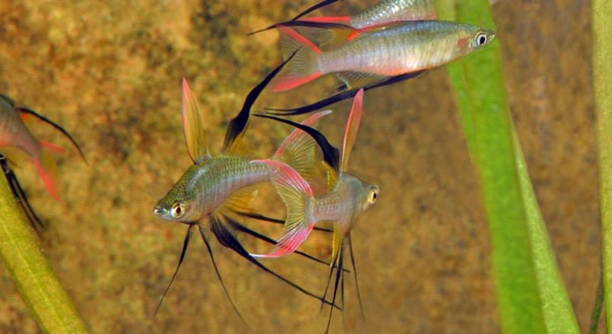
Have you ever noticed your threadfin rainbowfish acting restless or hiding more than usual in their tank? Lighting can play a bigger role than many fish keepers realize. Subtle mistakes in illumination affect their daily behavior.
Threadfin rainbowfish experience stress primarily when aquarium lighting is too intense, poorly timed, or inconsistent. Excessive brightness, abrupt changes, and unsuitable color temperature can disrupt their circadian rhythms, leading to anxiety, reduced activity, and compromised health over time.
Correcting lighting issues can create a calmer environment for your fish. Proper adjustments can improve their behavior, overall health, and the enjoyment of your aquarium setup.
Overly Bright Lighting
Too much light can make threadfin rainbowfish anxious. When lights are left on full intensity for long periods, fish may dart around or hide more often. Their natural habitats feature dappled sunlight, not constant bright exposure. Continuous bright light also increases algae growth, which can reduce water quality and add extra stress. Fish rely on subtle changes in lighting to feel safe and secure, and over-illumination disrupts this natural rhythm. Reducing brightness or using dimmable lights can mimic natural conditions. Plants and decorations can provide shaded areas, giving your fish places to retreat. Observing your fish’s behavior under different light settings can help you identify the best intensity.
Adjusting brightness carefully improves comfort and reduces stress for your rainbowfish, creating a calmer tank environment.
Creating a balanced lighting setup requires observing your fish throughout the day. Morning and evening should have gradual changes in light intensity, similar to natural dawn and dusk. Avoid sudden full-on lighting, which can startle fish. Using floating plants or ornaments to diffuse light can prevent areas of extreme brightness. Timers help maintain a consistent schedule without manual intervention, reducing the risk of forgetfulness. Over time, properly managed lighting supports natural activity, feeding behavior, and coloration. Stress signs, such as clamped fins or erratic swimming, will decrease when light conditions are more natural. Regularly reviewing your setup ensures that fish remain healthy and relaxed.
Incorrect Light Timing
Threadfin rainbowfish are sensitive to inconsistent light schedules. Sudden changes in lighting or irregular durations can confuse their internal clock.
Maintaining a consistent light schedule of about 10 to 12 hours daily helps regulate sleep, feeding, and activity cycles. Using timers ensures reliability without daily adjustment.
Fish thrive when day and night cycles are predictable. A sudden switch from dark to bright can trigger panic, leading to erratic swimming or hiding. Consistent timing also supports algae control and plant growth, as many plants benefit from stable photoperiods. Observing fish behavior can indicate if timing adjustments are needed. Gradually increasing or decreasing light in the morning and evening simulates natural transitions. This approach reduces stress and creates a calm environment for all tank inhabitants. Over time, rainbowfish will display healthier activity, better coloration, and improved appetite when their light schedule is stable. Proper timing helps maintain balance in the tank’s ecosystem.
Harsh Color Temperature
Using lights with the wrong color temperature can make threadfin rainbowfish uncomfortable. Very cool or very warm lighting can strain their eyes and affect their natural coloration. Choosing a balanced spectrum closer to natural daylight supports normal behavior.
Fish respond best to lighting that mimics natural sunlight. Extremely blue or red tones can create an unnatural environment, causing stress and hiding behavior. Observing your fish under different light settings helps determine which spectrum is most comfortable. Adjusting to a moderate, full-spectrum light improves visibility, enhances their colors, and supports overall health. Maintaining consistent color temperature also helps plants thrive, contributing to a stable, stress-free environment.
Lighting with a balanced color spectrum promotes calmer activity and reduces erratic behavior. Gradual adjustments, rather than sudden changes, prevent startling your fish. Combining proper color temperature with appropriate intensity ensures a stable and visually pleasing tank, improving both the health and well-being of your rainbowfish. Plants and decorations also appear more natural under correct lighting, creating a more harmonious tank environment. Over time, your fish will display brighter coloration and more consistent activity patterns when the light closely resembles their natural habitat.
Flickering or Unstable Lighting
Flickering lights can startle rainbowfish and cause ongoing stress. Even subtle inconsistencies in brightness disrupt their comfort.
Electrical issues or low-quality bulbs can cause noticeable flicker. Fish perceive these fluctuations differently than humans, often reacting with anxiety or hiding. Replacing unstable bulbs or upgrading to reliable LED systems reduces these disturbances. Regularly checking lighting connections and avoiding cheap, inconsistent fixtures ensures your fish remain calm. Stable lighting supports feeding, social interactions, and natural swimming patterns. Observing for sudden changes in behavior can indicate flickering problems early, preventing prolonged stress.
Flickering lighting can also disrupt the tank’s ecosystem. Plants may grow unevenly, and algae patterns can change due to inconsistent light exposure. Fish exposed to unstable lighting for extended periods may experience weakened immune responses, making them more susceptible to disease. Consistent, reliable illumination provides a predictable environment that supports both aquatic life and visual appeal. Using high-quality timers and well-maintained fixtures ensures stability. Gradually replacing older bulbs before they fail can prevent flickering surprises. A calm, steady light schedule enhances natural behaviors, strengthens health, and encourages vibrant coloration in threadfin rainbowfish.
Sudden Light Changes
Abruptly turning lights on or off can startle threadfin rainbowfish. Sudden shifts disrupt their sense of safety, causing hiding or frantic swimming. Gradual transitions are essential for a stable environment.
Using dimmers or timers helps create smooth light changes. This prevents stress and supports natural daily rhythms, keeping fish calmer and more active.
Inadequate Shaded Areas
Fish need places to escape strong light. Without shaded spots, they may feel exposed and stressed. Plants, rocks, or decorations create safe zones, allowing fish to rest and regulate their exposure naturally.
Providing hiding spots also encourages natural exploration and social behavior. Shadows offer comfort, reduce anxiety, and allow fish to establish territories. Properly arranged shaded areas can make the tank environment feel balanced and secure.
Excessive Night Lighting
Keeping lights on during nighttime interrupts fish rest. Continuous illumination can stress threadfin rainbowfish, affecting feeding and immune function. Maintaining darkness at night supports natural sleep patterns.
Uneven Light Distribution
Uneven lighting creates bright and dark patches in the tank. Fish may avoid overly bright areas, limiting movement. Consistent lighting ensures they can swim freely and feel secure throughout the aquarium.
FAQ
How long should aquarium lights stay on for threadfin rainbowfish?
Threadfin rainbowfish do best with about 10 to 12 hours of light per day. This duration mimics natural day and night cycles, helping them maintain normal activity, feeding, and sleep patterns. Using a timer ensures consistency without daily adjustments. Gradual transitions in the morning and evening further reduce stress.
What type of lighting is safest for threadfin rainbowfish?
Full-spectrum, moderate-intensity lighting is safest. Lights that mimic natural daylight reduce stress and enhance coloration. Avoid extremely cool or warm tones, which can strain eyes or disrupt behavior. Using dimmable LEDs or adjustable fixtures allows you to fine-tune brightness according to tank size and decoration layout.
Can lighting affect fish health beyond stress?
Yes. Improper lighting can weaken immune responses and disrupt feeding schedules. Overly bright or flickering lights cause prolonged anxiety, while insufficient light affects plant growth and water quality. A stable, natural-feeling light environment supports overall health, growth, and disease resistance.
How can I create shaded areas in the tank?
Decorations, rocks, and floating or tall plants create shaded spots for fish to retreat. Even with proper lighting, some areas should remain dim to mimic natural conditions. These shaded areas reduce stress, encourage exploration, and help fish feel secure. Positioning hiding spots near the substrate or corners works well.
What signs indicate my rainbowfish is stressed by lighting?
Stress shows as clamped fins, hiding, frantic swimming, or loss of appetite. Changes in coloration or erratic movements are also common indicators. Observing behavior during different light conditions helps identify triggers. Adjusting light intensity, spectrum, or timing often resolves these issues.
Is flickering really harmful if I can’t notice it?
Yes. Fish perceive flicker differently than humans. Even subtle inconsistencies can cause anxiety, erratic swimming, and reduced activity. Upgrading to high-quality LEDs or checking electrical connections ensures stable lighting. Regular maintenance prevents flickering problems before long-term stress occurs.
Can sudden light changes affect breeding?
Sudden shifts can interfere with breeding behavior. Threadfin rainbowfish rely on consistent environmental cues to spawn. Gradual transitions in lighting encourage normal mating behavior and increase the likelihood of successful reproduction. Timers and dimmers provide reliable control to prevent abrupt changes.
Should night lights be avoided completely?
Continuous nighttime lighting should be avoided. Fish need darkness to rest properly. If illumination is necessary for viewing, use very dim red or blue lights for minimal disruption. Maintaining a true night period supports circadian rhythms and reduces chronic stress.
How do I adjust lighting for planted tanks?
Plants require sufficient light, but it should not overwhelm fish. Balancing intensity and duration ensures plants grow without stressing rainbowfish. Floating plants or taller species can diffuse strong light. Observing both fish and plant response helps fine-tune the setup, keeping both healthy and vibrant.
How often should I check lighting conditions?
Regular checks are essential. Monitor for flicker, uneven distribution, and changes in intensity over time. Bulbs age and fixtures can shift, altering light conditions. Consistent observation helps maintain a stable environment, ensuring the tank remains comfortable for threadfin rainbowfish and promotes long-term well-being.
Can lighting improve coloration in threadfin rainbowfish?
Yes. Balanced, full-spectrum lighting enhances natural colors without causing stress. Avoid overly bright or harsh tones that can dull coloration or make fish hide. Consistent, natural-like light helps fish display their best hues while remaining active and healthy.
What is the easiest way to stabilize lighting?
Using timers and reliable LED systems is the simplest approach. Timers provide consistency, while high-quality LEDs prevent flicker and allow for adjustable intensity. Regular maintenance, including cleaning and checking connections, keeps the system running smoothly and reduces stress risks for the fish.
How does uneven light affect behavior?
Uneven lighting causes fish to avoid bright patches, limiting exploration and activity. Some areas may be overstressed while others are underused. Distributing light evenly across the tank ensures fish can swim freely and engage naturally with the environment, supporting healthy social and feeding behaviors.
Can lighting mistakes be reversed easily?
Most lighting-related stress can be corrected quickly. Adjusting intensity, color temperature, and timing restores comfort. Adding shaded areas or reducing flicker resolves anxiety. Observing behavior after changes helps confirm improvement, allowing rainbowfish to regain normal activity and coloration within days to weeks.
Final Thoughts
Threadfin rainbowfish are sensitive to their environment, and lighting is one of the most important factors affecting their well-being. Poor lighting can cause stress, hiding behavior, and even changes in appetite or coloration. When their tank is too bright, flickering, or unevenly lit, they may feel exposed and unsafe. Even small mistakes, like leaving lights on too long or using an overly cool or warm spectrum, can disrupt their natural rhythms. Observing your fish closely helps identify which lighting conditions are causing discomfort. By paying attention to these details, you can create a more comfortable and stable environment for them to thrive.
Proper lighting is not only about visibility or aesthetics. It affects daily behavior, health, and interactions among fish. Threadfin rainbowfish rely on predictable light cycles to maintain normal activity, rest, and feeding patterns. Sudden changes in lighting or improper timing can cause anxiety and interfere with their circadian rhythm. Using timers, dimmable lights, and gradual transitions helps simulate natural sunrise and sunset patterns. Adding shaded areas with plants, rocks, or decorations gives your fish options to regulate exposure, reducing stress. When fish feel safe in their environment, they are more likely to display natural swimming patterns, interact normally with tank mates, and exhibit brighter, healthier coloration.
Creating a balanced lighting setup may take some trial and error, but the results are worth the effort. Ensuring consistent intensity, avoiding flicker, and choosing the right color temperature makes the tank more harmonious. Regular maintenance of lighting fixtures prevents unexpected problems, and monitoring fish behavior helps track improvements. Properly lit tanks support not only the health of the fish but also the growth of live plants, creating a more visually pleasing and functional aquarium. Over time, threadfin rainbowfish become calmer, more active, and healthier when lighting conditions are adjusted to meet their needs. Paying attention to these details allows you to maintain a stable environment that encourages natural behaviors, reduces stress, and promotes long-term well-being.

Hello,
If you enjoy the content that we create, please consider saying a "Thank You!" by leaving a tip.
Every little bit helps us continue crafting quality advice that supports the health, happiness, and well-being of pets around the world, for pets of all shapes, sizes, and species.
We really appreciate the kindness and support that you show us!