
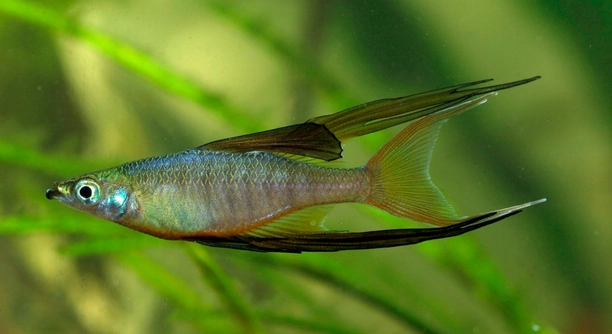
Have you ever brought home threadfin rainbowfish and wondered how they are adjusting to their new tank? Observing their daily behavior can provide subtle hints about how comfortable they are in their environment.
Threadfin rainbowfish exhibit settling behaviors through increased exploration, active swimming, regular feeding patterns, interaction with tank mates, and occasional displays of vibrant coloration. Recognizing these behaviors allows aquarists to assess acclimation and overall well-being in a controlled habitat.
Noticing these early signs can make caring for your fish more rewarding. Small observations often reveal important clues about their comfort and adaptation.
Increased Exploration of the Tank
When threadfin rainbowfish begin to settle in, they often explore their surroundings more actively. At first, they may stay close to hiding spots, moving cautiously around the tank. Over several days, you might notice them swimming along the plants, inspecting decorations, and even investigating the corners of the tank. This increase in exploration shows they are becoming familiar with their environment. You may also see them changing levels in the water column, moving from the bottom to mid and upper areas. Such activity indicates confidence and comfort. Fish that remain stationary or hide constantly may be stressed or still acclimating. Watching how they interact with other tank inhabitants is also important. When rainbowfish start to mingle without aggression, it’s a strong sign they are adapting. Their curiosity can be subtle, like brief visits to new spots, or more noticeable, such as darting through open spaces without hesitation.
Exploration is an important behavioral clue. Confident swimming shows comfort and adjustment to the tank’s environment.
Observing this behavior daily can help you ensure your rainbowfish are healthy. Encourage gentle movement by providing a varied layout, including plants and rocks. A tank that allows exploration without stress will help them thrive, and you can monitor their adaptation progress closely.
Regular Feeding Patterns
Threadfin rainbowfish that are settling in will usually develop consistent feeding habits.
As your rainbowfish acclimate, they start responding reliably to feeding times. Initially, they may be shy, hiding or avoiding food, but over days, they gradually swim to the feeding area without hesitation. This consistency signals that they feel safe and secure. Offering small, frequent meals helps them build confidence and prevents overfeeding. You may notice that dominant fish don’t chase others aggressively, showing harmony among the group. Maintaining clean water and a stable environment supports these patterns, ensuring their appetite remains steady. Over time, observing who eats first and how they interact during feeding can provide insights into their comfort level. Rainbowfish that consistently eat well are more likely to thrive and display other settling behaviors, such as exploring or showing brighter colors. Consistent feeding is an early and reliable indicator that your fish are adapting to their new habitat.
Interaction with Tank Mates
Rainbowfish that are settling in often swim near other fish without showing aggression.
They begin to interact calmly, sometimes swimming together or following each other around the tank. Aggressive chasing or hiding decreases, which shows they feel secure. Peaceful coexistence indicates they are establishing social comfort within their group.
Observing these interactions over time can reveal how well the rainbowfish are adapting. Fish that maintain distance or show nervous darting may still need more time. Providing enough space, hiding spots, and balanced numbers helps reduce stress. Gradually, their movements become synchronized, and they start displaying natural behaviors, such as coordinated schooling and gentle nudging, which confirms they are comfortable and have adapted to both the environment and their tank companions.
Vibrant Color Display
As threadfin rainbowfish settle in, their colors start to appear more vivid.
Color intensity is a strong sign of comfort and health. Initially, stressed or new fish often look dull or pale. When they adjust, their scales show brighter shades, and subtle patterns become more noticeable. This change signals they feel secure, are feeding well, and are free from constant stress, which allows natural coloration to return.
Consistent observation helps track these changes. Noticing brighter fins, clearer stripes, or more intense body tones indicates the fish are thriving. Environmental factors like lighting, water quality, and diet influence color development. Adequate nutrition, proper tank conditions, and minimal stress enhance their appearance. Color display can also reflect social interactions—dominant fish often show the most vivid colors, while shy fish gradually catch up as confidence grows. Recognizing this progression confirms that your rainbowfish are settling in and maintaining good health, giving you a clear visual cue of their adaptation.
Calm and Steady Swimming
Threadfin rainbowfish that are settling in swim smoothly without sudden jerks or frantic movements.
They glide through the water with confidence, exploring the tank at a relaxed pace. This calm swimming indicates comfort and familiarity with their surroundings.
Investigating New Objects
New decorations or plants attract their attention once they feel secure. Rainbowfish approach slowly, circle objects, and sometimes nibble gently. This behavior shows curiosity and confidence, proving that the fish are no longer stressed by changes in their environment.
Reduced Hiding
Fish that are settling in spend less time in caves or behind decorations.
They move freely in open areas, showing trust in the tank’s safety and demonstrating that they feel comfortable in their new environment.
FAQ
How long does it take for threadfin rainbowfish to settle in?
Most threadfin rainbowfish begin showing signs of settling within a week, but complete adaptation can take two to three weeks. Factors like tank size, water quality, and the number of tank mates influence this timeline. Observing feeding habits, swimming patterns, and interactions helps gauge comfort levels.
What are the first signs that my fish are settling?
Early signs include cautious exploration, brief visits to open areas, and gradual participation in feeding. They may still hide at first, but you will notice small movements away from shelters. Over time, their curiosity and confidence increase, and they begin interacting more with tank mates.
Why do some rainbowfish hide more than others?
Individual temperament plays a role. Some fish are naturally shy or slow to adjust, while others are bold and quick to explore. Environmental factors, such as the presence of hiding spots and water stability, also influence how much time a fish spends in concealment.
Is it normal for colors to appear dull at first?
Yes, newly introduced fish often show muted colors. Stress from transportation, acclimation, and adjusting to water chemistry can temporarily dull their appearance. As they become comfortable and healthy, vibrant coloration gradually returns, reflecting both well-being and reduced stress.
How can I encourage my rainbowfish to explore more?
Adding plants, rocks, and decorations provides both shelter and opportunities for exploration. Gentle, consistent feeding routines encourage movement and interaction. Avoid overcrowding the tank, as limited space increases stress. A calm environment with minimal sudden changes supports confident swimming and curiosity.
What feeding patterns indicate that my fish are comfortable?
Comfortable rainbowfish approach food consistently, feeding without hesitation and showing interest at the usual times. They often swim confidently to the feeding area and share food with tank mates without aggression. Irregular feeding or hiding during meals may indicate ongoing stress or adaptation issues.
Should I worry if my fish occasionally dart or hide?
Occasional sudden movements are normal and can result from external stimuli, such as nearby noise or sudden lighting changes. Persistent hiding, frantic swimming, or refusal to eat, however, may indicate stress, illness, or poor water conditions and should be monitored closely.
Can settled fish tolerate tank changes?
Once rainbowfish are settled, they generally adapt better to minor adjustments, like rearranged decorations or temporary water changes. Gradual changes reduce stress, allowing the fish to explore new areas while maintaining calm behaviors. Sudden, drastic changes can trigger hiding or erratic swimming.
How do interactions with other fish indicate adaptation?
Peaceful schooling, following behavior, and reduced aggression show that rainbowfish are socially comfortable. Dominant fish displaying bright colors while others gradually join reflects settling. Continuous aggression or avoidance may indicate either overcrowding or individual stress, requiring attention to tank balance and population.
What else can I do to support settling?
Maintaining stable water parameters, providing a balanced diet, and ensuring adequate space are essential. Observe daily behaviors, such as swimming, feeding, and color display, to confirm adaptation. Patience and consistency in care allow rainbowfish to develop confidence, enjoy their habitat, and exhibit natural behaviors fully.
How can I tell if a fish is fully settled?
A fully settled rainbowfish swims confidently throughout the tank, explores new objects, eats regularly, interacts peacefully with tank mates, and displays vivid coloration. Calm, consistent behavior and a lack of stress indicators confirm that the fish has adapted and is thriving in its environment.
Are there risks if fish don’t settle?
Fish that remain stressed or hidden are more prone to illness, poor appetite, and slower growth. Prolonged hiding or erratic behavior may result from inadequate tank conditions, aggressive tank mates, or health issues. Early intervention with environmental adjustments and monitoring can prevent long-term problems and improve adaptation.
Can settled fish show different behaviors at night?
Even settled fish may reduce activity at night or spend more time near shelter. This is natural and reflects a typical rest period. However, sudden nighttime frantic swimming or excessive hiding may indicate stress, light disturbances, or water quality issues. Consistency in lighting cycles supports stable behavior.
What signs indicate a need for professional advice?
Persistent lack of appetite, unusual swimming patterns, aggressive behavior, or faded coloration over time may require consultation with an aquatic veterinarian or experienced aquarist. Early attention to these issues ensures the health and comfort of your rainbowfish, helping them remain well-adjusted and thriving.
How often should I monitor their behavior?
Daily observation is ideal. Noticing small changes in swimming, feeding, and interactions allows you to respond quickly to stress or illness. Keeping notes or photos can help track progress and confirm that fish are gradually settling and exhibiting natural behaviors.
Final Thoughts
Watching threadfin rainbowfish settle into a new tank can be both calming and rewarding. Their behaviors, though subtle at first, reveal a lot about how comfortable they feel. Increased exploration, calmer swimming, and interactions with other fish are all signs that they are adjusting well. At the beginning, it is normal for them to be cautious and hide frequently, but over time, you will see them become more confident. Paying attention to these small behaviors allows you to ensure that your fish are adapting properly and that the tank environment supports their health. Each fish has its own personality, so some may settle faster than others. By being patient and observing carefully, you can help every fish find its rhythm and feel at ease in their new home.
Feeding patterns are another key indicator of comfort. Rainbowfish that are settling will start eating regularly and without hesitation. At first, they may be shy around the feeding area, but gradually they will approach confidently. Maintaining a consistent feeding schedule and offering small, nutritious meals encourages this behavior. Balanced nutrition supports vibrant coloration and strong health, which are signs of a well-adjusted fish. Observing how your fish interact during feeding can also reveal social dynamics. Fish that swim together without aggression or dominance issues show that they are comfortable in their group. Providing adequate space, hiding spots, and gentle stimulation helps maintain calm and healthy interactions, allowing all fish to thrive.
Color display and general behavior provide further reassurance that your rainbowfish are settling. Bright, vivid colors indicate good health and low stress, while dull or pale tones can signal ongoing adjustment or environmental issues. Calm swimming, curiosity about decorations, and peaceful schooling are all positive signs. By monitoring these behaviors, you can make small adjustments to improve the tank’s environment, such as optimizing water quality, adjusting lighting, or adding safe decorations. Being consistent with care and patient with the fish gives them the time they need to fully adapt. Over time, these efforts result in a stable, vibrant, and harmonious aquarium where threadfin rainbowfish can thrive and show their natural behaviors fully.

Hello,
If you enjoy the content that we create, please consider saying a "Thank You!" by leaving a tip.
Every little bit helps us continue crafting quality advice that supports the health, happiness, and well-being of pets around the world, for pets of all shapes, sizes, and species.
We really appreciate the kindness and support that you show us!