
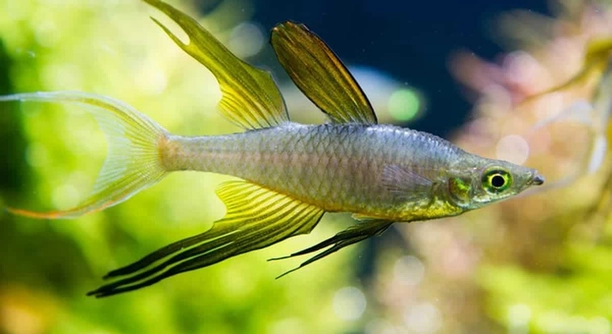
Do you ever find yourself giving your Threadfin Rainbowfish a little extra food, thinking it might make them happier and healthier?
Overfeeding Threadfin Rainbowfish can lead to serious problems, including poor water quality, obesity, and digestive issues. Excess food decomposes quickly, producing toxins that stress the fish and damage their delicate environment, reducing their overall health and lifespan.
Understanding these effects will help you maintain a cleaner tank and keep your fish active, colorful, and thriving for years to come.
1. Poor Water Quality
Overfeeding often causes food to settle at the bottom of the tank, where it breaks down and releases harmful substances. This leads to ammonia spikes, cloudy water, and unpleasant odors. Threadfin Rainbowfish are sensitive creatures that rely on stable water conditions to stay healthy and active. When waste levels rise, oxygen levels drop, and the fish begin to struggle. Their gills can become irritated, and they may start gasping for air near the surface. Maintaining clean water requires consistent care, and avoiding overfeeding is one of the simplest ways to prevent these issues before they start affecting your fish’s wellbeing.
Leftover food also encourages bacterial and fungal growth, which can make the tank look dirty and unsafe for your fish. It’s important to clean the substrate regularly and remove any uneaten bits right after feeding time to keep the environment balanced.
Clean water supports your fish’s immune system, helping them resist disease and maintain their natural colors. Regular water testing and small, consistent feedings can make a big difference in keeping your aquarium clear and your Threadfin Rainbowfish healthy.
2. Obesity and Health Issues
Overfeeding leads to obesity in Threadfin Rainbowfish, causing reduced activity, difficulty swimming, and potential organ strain. Their small digestive systems are not built to handle constant feeding or excessive food portions.
When Rainbowfish consume more than they can process, fat begins to accumulate around their organs, putting pressure on vital systems. Over time, this can lead to liver damage, weakened immunity, and shorter lifespans. The extra food also affects their metabolism, slowing it down and making them more prone to disease. You may notice your fish becoming sluggish or spending more time near the bottom of the tank, which are early signs of poor health.
A proper feeding routine can prevent this. Offer food only once or twice a day, giving just enough for them to finish within two minutes. Include high-quality flakes or micro-pellets and occasionally supplement with live or frozen foods for balanced nutrition. By monitoring their portions and observing their behavior, you’ll help your Threadfin Rainbowfish stay vibrant, active, and free of preventable health issues.
3. Digestive Problems
Overfeeding often overwhelms the digestive system of Threadfin Rainbowfish, leading to bloating, constipation, and discomfort. These fish have small stomachs and cannot handle excess food, especially when it’s rich or difficult to digest.
When too much food is given, the uneaten portions rot quickly, creating stress and bacteria that can harm their health. Digestive issues may appear as swelling in the belly, reduced appetite, or irregular swimming patterns. Fish struggling with constipation may become lethargic and lose their usual sparkle. Feeding high-fiber foods like daphnia or brine shrimp once in a while can help keep their system clear and functioning properly.
Regular feeding in small amounts prevents digestive stress and helps them absorb nutrients more efficiently. Observe how your fish react after each meal and adjust the portions accordingly. This simple habit encourages smoother digestion and ensures your Threadfin Rainbowfish remain lively and well-balanced.
4. Algae Growth
Excess food in the tank provides nutrients that fuel unwanted algae growth. When uneaten bits decay, they release phosphates and nitrates into the water, creating the perfect conditions for algae to spread across glass, plants, and decorations. This can make the aquarium look unclean and block light from reaching plants.
Too much algae not only ruins the look of your aquarium but also disrupts the tank’s balance. It competes with plants for oxygen and nutrients, reducing the quality of the environment your fish depend on. Cleaning the glass and decorations helps, but the real solution is better feeding control. Feed your Threadfin Rainbowfish only what they can eat in a couple of minutes. Consider using a feeding ring to keep food from drifting away and collecting in hard-to-reach spots. This keeps algae under control and makes maintaining a healthy, clear aquarium much easier in the long run.
5. Oxygen Depletion
Excess food breaks down and increases the biological load in the tank, reducing oxygen levels needed by Threadfin Rainbowfish. As waste accumulates, beneficial bacteria work harder to decompose it, using up oxygen that fish rely on to breathe comfortably.
Low oxygen levels make fish sluggish and cause them to stay near the surface, gasping for air. In severe cases, it can lead to suffocation. Regular water changes, proper filtration, and avoiding overfeeding are simple ways to keep oxygen levels balanced and your fish safe.
6. Increased Ammonia Levels
When too much food decays, ammonia spikes rapidly, becoming toxic for Threadfin Rainbowfish. This invisible chemical burns their gills and weakens their immune systems, leaving them vulnerable to infections and stress. Even small increases in ammonia can cause long-term damage if ignored. Maintaining a consistent feeding schedule and cleaning routine helps prevent these spikes.
7. Behavioral Changes
Overfeeding can make Threadfin Rainbowfish less active and more territorial. With an abundance of food, they lose interest in foraging and start showing aggression toward tank mates. Balanced feeding keeps their behavior natural and promotes a calmer, more harmonious tank environment.
FAQ
How often should I feed my Threadfin Rainbowfish?
Feeding once or twice a day is enough for Threadfin Rainbowfish. Give them only what they can finish within two minutes. Their stomachs are small, and too much food can easily lead to waste and health problems. It’s better to feed small amounts more consistently than to overfill the tank. Some fishkeepers prefer skipping a feeding once a week to let the fish’s digestive system rest. This helps prevent bloating and ensures the water stays clean and stable.
What should I feed my Threadfin Rainbowfish for balanced nutrition?
A varied diet helps them stay colorful and healthy. High-quality micro-pellets or flakes can be the main source of nutrition. You can also offer live or frozen foods like daphnia, brine shrimp, or bloodworms once or twice a week. These boost protein intake and mimic their natural diet. Avoid giving large pieces or fatty foods that are hard to digest. Variety supports their immune system and keeps their appetite strong without overloading them with nutrients they don’t need.
What are signs that I’m overfeeding my Threadfin Rainbowfish?
If you notice uneaten food sinking to the bottom, cloudy water, or algae growing faster than usual, you’re likely overfeeding. Fish that appear bloated, sluggish, or disinterested in food are also showing signs. Healthy Threadfin Rainbowfish should swim actively and have a slender shape. Watching their behavior closely during feeding time helps you adjust portions. If food remains after two minutes, you’re feeding too much. Reducing the amount will quickly improve water clarity and fish behavior.
Can overfeeding cause diseases in Threadfin Rainbowfish?
Yes, overfeeding increases the risk of several health problems. Poor water quality caused by uneaten food promotes harmful bacteria, leading to fin rot, fungal infections, and swim bladder issues. Excess fat and waste can also damage internal organs. When fish become stressed from poor water or digestive strain, their immune system weakens, making them more likely to get sick. Keeping feedings controlled and maintaining clean water conditions are the best ways to prevent these illnesses.
How can I fix cloudy water caused by overfeeding?
Start by performing partial water changes to remove waste and excess nutrients. Clean the substrate and any decorations covered with debris. Reduce feeding portions immediately and consider adding a few more live plants to absorb extra nitrates. Check your filter to make sure it’s working efficiently, and replace or rinse filter media if needed. Over time, consistent feeding control will stabilize the tank, and the water will clear naturally. Avoid using chemical clarifiers, as they only hide the problem temporarily.
Why do my fish stay near the surface after feeding?
This usually means oxygen levels are low, often due to decaying food increasing bacterial activity. As bacteria break down waste, they consume oxygen, leaving less available for the fish. To fix this, remove leftover food right after feeding and ensure your tank has good aeration or surface agitation. Maintaining a regular cleaning schedule and avoiding excess feeding will help prevent oxygen depletion and keep your Threadfin Rainbowfish comfortable.
Is fasting good for Threadfin Rainbowfish?
Yes, fasting once a week is beneficial. It gives their digestive system time to process food fully and helps prevent bloating. Fish can go a short time without food without harm. Fasting also mimics natural feeding cycles, reducing the risk of overfeeding-related health problems. It’s a simple routine that supports long-term wellbeing.
How can I make sure each fish gets enough food?
Threadfin Rainbowfish are peaceful, but faster fish might grab more food during feeding. Try spreading food across the water surface to give all fish a fair chance. You can also use sinking micro-pellets or feed in small portions several times within a few minutes. Watching their feeding behavior helps ensure everyone gets enough without leftovers collecting in the tank.
What’s the best way to prevent overfeeding altogether?
Measure portions carefully using a pinch or small spoon rather than pouring directly from the container. Set a consistent feeding schedule and observe how much your fish finish in two minutes. Clean uneaten food promptly. Using these habits helps maintain clear water, healthy fish, and a stable tank environment with less maintenance.
Can overfeeding affect plants in my aquarium?
Yes, excess food breaks down into nutrients that fuel algae growth, which can block light and harm live plants. The imbalance makes it harder for plants to absorb what they need. By managing feeding properly, you not only protect your fish but also help aquatic plants stay strong and vibrant.
Final Thoughts
Overfeeding Threadfin Rainbowfish may seem harmless at first, but it can quietly create many problems in your tank. What starts as a little extra food can turn into poor water quality, sick fish, and a struggling ecosystem. Each uneaten piece of food breaks down and releases waste that affects the entire tank, leading to cloudy water and increased ammonia levels. These issues build up over time, even when they’re not visible right away. By the time the signs appear, such as sluggish fish or unpleasant smells, your aquarium may already be under stress. Learning to feed your fish in moderation is one of the simplest and most effective ways to protect them and keep your aquarium healthy.
Feeding your Threadfin Rainbowfish properly is not only about portion control but also about understanding their needs. These fish are small and active, thriving on light, frequent meals rather than heavy feedings. Their metabolism is fast, but their stomachs are tiny, which means they can easily become overfed if given too much at once. Overfeeding also affects their behavior, making them less playful and more lethargic. Once you find a feeding balance, you’ll notice clearer water, brighter colors, and more natural activity. Regular maintenance, like water testing and cleaning, becomes easier when the feeding routine is under control. This creates a more enjoyable experience for both you and your fish, keeping the environment calm and stable.
Caring for Threadfin Rainbowfish is about balance, patience, and attention to detail. Feeding them the right amount, providing a clean environment, and maintaining good water conditions are all part of responsible fishkeeping. Every small action, from removing leftover food to monitoring water changes, plays a role in their overall wellbeing. While it might be tempting to give them extra food as a sign of care, moderation shows even greater love and responsibility. Healthy feeding habits allow your fish to display their natural colors, swim gracefully, and live longer. Over time, you’ll develop a routine that keeps your aquarium thriving with minimal effort. Remember, a little attention to feeding habits goes a long way in keeping your Threadfin Rainbowfish healthy, active, and happy in their peaceful aquatic home.

Hello,
If you enjoy the content that we create, please consider saying a "Thank You!" by leaving a tip.
Every little bit helps us continue crafting quality advice that supports the health, happiness, and well-being of pets around the world, for pets of all shapes, sizes, and species.
We really appreciate the kindness and support that you show us!