
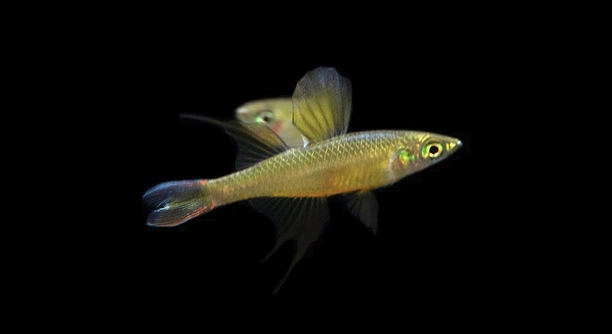
Threadfin Rainbowfish are vibrant and active, but sometimes they suddenly stop eating. Watching your fish refuse food can feel worrying, especially when you are unsure what may be causing this sudden change in behavior.
When Threadfin Rainbowfish stop eating altogether, the primary causes are often related to water quality, stress, or illness. Adjusting tank conditions, monitoring for disease symptoms, and offering varied, appropriate food can help restore normal feeding behavior efficiently.
Maintaining your fish’s health requires careful attention to their environment and diet. Learning how to recognize early signs of trouble can prevent long-term issues and keep your Rainbowfish thriving.
Common Causes for Appetite Loss
Appetite loss in Threadfin Rainbowfish often starts with changes in their environment. Sudden temperature shifts or poor water quality can make them stressed, which affects feeding. Low oxygen levels, high ammonia, or nitrite spikes are particularly harmful. Even subtle alterations like new decorations or tank mates can create anxiety, causing fish to hide or ignore food. Illness is another major factor. Bacterial infections, parasites, and fungal growth can reduce appetite and energy. Observing unusual behavior, such as clamped fins, lethargy, or rapid gill movement, can indicate health issues. Diet also matters. Feeding stale or inappropriate food may result in rejection. Variety is important—mixing live, frozen, or high-quality flakes ensures adequate nutrition. Maintaining a stable, clean, and enriched environment is crucial for encouraging normal feeding. Regular monitoring and gradual changes help Rainbowfish feel secure and more likely to resume eating. Consistency is key in preventing long-term health problems linked to appetite loss.
Stress and illness are the main triggers for feeding refusal, and correcting tank conditions often restores appetite quickly.
Monitoring water parameters daily and observing behavior can reveal early signs of trouble. Keeping stress low and feeding quality food promotes recovery. Consistent tank maintenance, gradual changes, and attention to health can prevent appetite loss from becoming a serious problem.
Adjusting Diet to Encourage Eating
Offering smaller, more frequent meals can stimulate feeding in reluctant Rainbowfish. Sometimes fish refuse large portions, but splitting the same total amount into several servings encourages consumption. Live or frozen foods such as brine shrimp or daphnia are often more enticing than flakes or pellets alone. Sprinkling a little variety ensures your fish receive adequate nutrients while testing their preferences. Avoid overfeeding, as uneaten food can worsen water quality and stress the fish. Observing which foods they accept can guide future meal planning. Maintaining a balanced diet that matches their natural tendencies helps sustain energy, coloration, and overall health.
Changing food gradually can coax Rainbowfish back to eating and prevent nutritional deficiencies while reducing stress in the tank environment.
If your fish continue refusing food, combining dietary adjustments with environmental improvements is essential. Start by testing water parameters and correcting any imbalances, such as pH, ammonia, nitrite, or nitrate levels. Keep the tank temperature stable and ensure proper filtration. Introducing foods slowly and in small amounts reduces intimidation. Observe your Rainbowfish closely for signs of illness, and separate any sick individuals to prevent spreading disease. Routine water changes, gentle cleaning, and minimal handling help reduce stress. Over time, a stable environment combined with appealing, nutrient-rich food encourages Rainbowfish to resume regular feeding patterns. Patience is crucial, as recovery can take several days depending on the severity of the underlying issue. With consistent care and attention, most Rainbowfish return to normal eating habits.
Improving Water Quality
Regular water changes are essential to keep ammonia, nitrite, and nitrate at safe levels. Even small imbalances can stress Threadfin Rainbowfish, causing them to stop eating. Testing water frequently ensures conditions remain stable and suitable for healthy feeding behavior.
Cleaning the tank and replacing 20–30% of the water weekly can prevent harmful chemical buildup. Use a reliable water conditioner to remove chlorine or chloramine. Check filters and ensure proper flow without creating strong currents that might stress your fish. Observing the fish’s behavior after changes helps confirm that water quality is improving and encourages normal feeding patterns. Maintaining stable pH, temperature, and oxygen levels also supports appetite recovery.
Avoid sudden, drastic changes in water parameters, as Rainbowfish respond poorly to shock. Gradual adjustments combined with routine testing create a calm environment. If water quality issues persist, consider professional testing or advice to ensure the tank is fully safe. A clean, stable tank helps fish regain energy and resume regular feeding habits naturally.
Reducing Stress in the Tank
Minimizing stress in the aquarium improves feeding behavior and overall health. Overcrowding, aggressive tank mates, or sudden environmental changes can trigger refusal to eat.
Introduce new fish gradually and monitor interactions to prevent bullying. Provide hiding spots with plants or decorations so Threadfin Rainbowfish can feel secure. Keep lighting consistent and avoid sudden loud noises nearby. Feeding at the same times each day builds a routine that reduces anxiety. Observe for signs of stress like hiding, rapid gill movement, or erratic swimming. Ensuring a calm and predictable environment helps fish regain appetite more quickly.
Stress can also be reduced by controlling tank activities and limiting sudden disturbances. Avoid tapping the glass or moving decorations abruptly, as Rainbowfish are sensitive to changes. Maintaining compatible tank mates reduces competition and fear, allowing your fish to feed confidently. Gradual changes to temperature, water chemistry, and lighting prevent shocks that could worsen appetite loss. By creating a stable and enriched environment, you encourage natural behavior, including normal feeding, coloration, and social interactions. Paying attention to small details in daily care can make a significant difference in reducing stress.
Monitoring for Disease
Watch for unusual spots, frayed fins, or swollen bellies. Early detection of illness can prevent serious health problems and help restore appetite quickly.
If you notice changes in swimming patterns or lethargy, separate the affected fish. Prompt treatment often stops disease from spreading and encourages recovery.
Using Appropriate Medication
When illness is confirmed, choose medications specific to the condition. Follow instructions carefully to avoid overdosing, which can stress or harm Threadfin Rainbowfish. Monitor water parameters during treatment, as some medications affect pH or beneficial bacteria. Remove activated carbon from filters to ensure the medicine remains effective.
Gradual Reintroduction of Food
Offer small portions of preferred foods. Gradually increase quantity as Rainbowfish start eating again. Observing their acceptance helps determine which foods are most effective for restoring appetite.
FAQ
Why has my Threadfin Rainbowfish stopped eating suddenly?
Sudden appetite loss usually relates to stress, illness, or water quality issues. Rapid temperature changes, high ammonia or nitrite levels, and overcrowding can cause stress. Illnesses such as bacterial infections, parasites, or fungal growth also reduce feeding. Observing behavior and testing water parameters can help identify the problem quickly.
How can I tell if my fish is sick or just stressed?
Stress often shows as hiding, clamped fins, or erratic swimming. Illness may include visible spots, frayed fins, swollen bellies, or gasping at the surface. Behavioral changes combined with physical symptoms usually indicate disease rather than temporary stress.
What foods are best for encouraging a picky Threadfin Rainbowfish to eat?
Live and frozen foods such as brine shrimp, daphnia, or bloodworms are usually more enticing than flakes or pellets. Offering small portions several times a day increases the chance of acceptance. Rotating food types ensures balanced nutrition while testing preferences.
How often should I change water to prevent appetite loss?
Weekly partial water changes of 20–30% help maintain clean, stable water. Frequent testing of ammonia, nitrite, nitrate, and pH ensures parameters remain safe. Using a water conditioner removes chlorine or chloramine, keeping the environment comfortable for feeding.
Can tank mates affect eating behavior?
Yes, aggressive or overly active fish can intimidate Threadfin Rainbowfish, causing them to hide and refuse food. Introducing new fish gradually and ensuring plenty of hiding spaces reduces stress and encourages normal feeding. Observation of social interactions is important to prevent competition-related appetite loss.
How do I gradually reintroduce food after a period of refusal?
Start with small portions of the preferred food type, offering it multiple times a day. Increase quantity slowly as fish begin eating. Observing which foods are accepted helps guide ongoing feeding, ensuring they receive proper nutrition without overwhelming them.
Is temperature important for feeding habits?
Yes, sudden drops or spikes in temperature can stress fish and reduce appetite. Keeping the water within the recommended range for Threadfin Rainbowfish and maintaining consistency encourages regular feeding. Using a reliable heater and thermometer ensures stable conditions.
When should I seek professional help for my fish?
If appetite loss continues for more than a few days despite correcting water quality, reducing stress, and offering varied food, it may indicate a serious illness. Professional advice from an aquatic veterinarian or experienced aquarist can provide diagnosis and targeted treatment.
Can supplements or vitamins help my fish start eating again?
Occasionally, adding liquid vitamins or nutrient-rich foods may encourage eating, especially after illness. However, they should not replace proper diet or tank care. Balanced nutrition and a clean, stress-free environment are the primary factors in restoring appetite.
How long does it usually take for Rainbowfish to resume eating?
Recovery depends on the underlying cause. With stable water conditions, reduced stress, and appealing food, many Rainbowfish resume eating within a few days. Severe illness or prolonged stress may require weeks, along with careful observation and supportive care to ensure full recovery.
What signs indicate recovery and normal feeding behavior?
Active swimming, bright coloration, and willingness to eat at regular feeding times are positive signs. Gradual increase in appetite, interaction with tank mates, and consistent behavior show the fish is regaining health. Continuous monitoring ensures any relapse is addressed promptly.
Are there any preventive measures to avoid appetite loss in the future?
Maintaining stable water parameters, providing a varied and balanced diet, minimizing sudden changes, and monitoring tank conditions regularly all help prevent feeding problems. Reducing stress, avoiding overcrowding, and observing fish daily for unusual behavior are key practices for long-term health.
How important is observation in preventing feeding issues?
Daily observation helps detect subtle changes before they become serious. Noticing minor hiding, changes in fin position, or reduced activity can allow early intervention. Quick action based on careful monitoring often prevents prolonged appetite loss or serious illness.
Does lighting affect feeding habits?
Consistent lighting encourages regular feeding schedules. Sudden changes or overly bright light can stress Rainbowfish, causing them to hide and refuse food. Providing a predictable day-night cycle with moderate intensity supports healthy behavior and appetite.
Can environmental enrichment help improve feeding?
Yes, adding plants, rocks, and hiding spots gives Rainbowfish a sense of security, reducing stress and improving willingness to eat. Enrichment also encourages natural behaviors, making fish more active and engaged, which indirectly supports appetite recovery.
Final Thoughts
Threadfin Rainbowfish are delicate and sensitive to changes in their environment, so appetite loss should never be ignored. Even small shifts in water temperature, quality, or tank setup can stress them enough to stop eating. Consistency is key, as these fish thrive when their surroundings remain stable. Regular testing of water parameters like pH, ammonia, nitrite, and nitrate helps prevent issues before they affect feeding. Partial water changes, proper filtration, and careful maintenance ensure the tank remains clean and healthy. Paying attention to the tank’s overall balance gives Rainbowfish the comfort they need to regain normal eating habits naturally.
Feeding is another important aspect of keeping Rainbowfish healthy. Offering a variety of foods, including live, frozen, or high-quality flakes, can stimulate appetite when fish refuse food. Small, frequent meals are more effective than large portions, especially when they are stressed or recovering from illness. Observing which foods they accept helps create a balanced diet and reduces the risk of nutritional deficiencies. Avoiding overfeeding is equally important, as leftover food can foul the water and add to stress. Over time, consistency in feeding schedules and attention to food preferences helps Rainbowfish maintain energy, coloration, and overall health.
Stress management plays a critical role in preventing and resolving feeding issues. Overcrowding, aggressive tank mates, sudden movements, or loud noises can all make Rainbowfish reluctant to eat. Providing hiding spots, maintaining calm tank conditions, and gradually introducing new fish or changes can reduce anxiety. Monitoring behavior daily for signs of stress or illness allows early intervention, which improves recovery outcomes. Combining stable water conditions, proper diet, and a low-stress environment creates the best chance for Rainbowfish to resume normal feeding patterns. Consistent care, patience, and attention to detail will help ensure long-term health and happiness for your fish.

Hello,
If you enjoy the content that we create, please consider saying a "Thank You!" by leaving a tip.
Every little bit helps us continue crafting quality advice that supports the health, happiness, and well-being of pets around the world, for pets of all shapes, sizes, and species.
We really appreciate the kindness and support that you show us!