
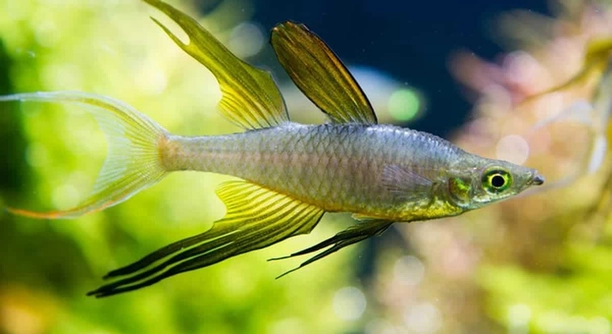
Threadfin Rainbowfish are small, vibrant fish that brighten any aquarium with their shimmering colors and energetic movements. Their lively nature and subtle charm make them popular among both beginner and experienced fish keepers in home tanks.
These fish display distinct personality traits, including curiosity, sociability, adaptability, responsiveness to environment, gentle temperament, intelligence, and playful interaction. These characteristics set them apart from other freshwater species, highlighting their unique behavioral patterns and making them highly engaging for aquarists.
Observing their behavior can provide a better understanding of their needs and improve care in a home aquarium environment. Their personalities make them enjoyable companions for attentive fish owners.
Curiosity and Exploration
Threadfin Rainbowfish are naturally curious and love to explore their surroundings. In my tank, I noticed they swim to every corner, investigating plants, decorations, and even small bubbles. This trait makes them active and lively, keeping the aquarium engaging. Unlike some species that remain shy, these fish approach new objects confidently. They are drawn to movement, responding quickly when you add new items or rearrange decorations. Their inquisitive nature helps them adapt to changes in their environment, whether it’s a new plant, hiding spot, or tank mate. I often find them inspecting the substrate or peeking around rocks. This exploratory behavior is not only entertaining but also indicates their mental stimulation and overall well-being. Curiosity is a key factor that makes them stand out and keeps them healthy in a home aquarium. It also makes feeding time more interactive, as they quickly discover new foods. Watching their playful investigations is a highlight every day.
Their curiosity encourages them to interact more actively with both the environment and other fish, fostering a balanced social dynamic.
Exploration in Threadfin Rainbowfish goes beyond mere movement. They learn to recognize patterns in feeding routines and anticipate interactions with tank mates. This intelligence, combined with curiosity, makes them responsive and adaptive. Over time, I noticed they would investigate new plants or decorations with caution at first, then gradually become more confident. Observing this process highlighted their learning capacity. Their curiosity also helps reduce stress because exploring familiar and new areas gives them mental stimulation. They rarely become bored, and their active nature contributes to their health and vitality. In a community tank, their exploratory habits encourage other fish to be more active as well. They are constantly aware of their surroundings and react quickly to changes, showing a remarkable balance between caution and confidence. This combination of traits makes them stand out among other small freshwater fish, providing both visual appeal and behavioral interest.
Sociability and Interaction
Threadfin Rainbowfish are social and enjoy swimming in groups. They display coordinated movements and often mirror each other’s actions in the tank.
These fish thrive in communities, forming bonds with other Rainbowfish and compatible species. Their social nature makes them calm and cooperative, reducing aggression and promoting harmony in the aquarium.
Being highly interactive, they respond to the presence of their tank mates and even to the owner’s movements. Observing their coordinated swimming patterns is fascinating, as they seem to communicate subtly through gestures and positioning. When one fish investigates food or explores a new corner, others quickly follow, demonstrating collective awareness. This social behavior contributes to their confidence and reduces stress levels, making them easier to care for. I often notice that isolated individuals appear timid, whereas those in groups are lively and more adventurous. Social interaction also extends to their feeding habits. They quickly learn to share space and navigate around slower fish, maintaining a peaceful dynamic. Their group behavior emphasizes cooperation rather than competition, which is unusual among small freshwater species. This trait makes them ideal for community tanks and provides a visually engaging experience. Watching them interact has made me appreciate how intelligence and personality manifest in small fish, shaping their daily activities and overall well-being.
Adaptability to Environment
Threadfin Rainbowfish adjust quickly to changes in water conditions, tank setup, and new companions. I noticed they acclimate faster than many other species, making them resilient and easier to care for in a home aquarium. Their flexibility is a key factor in their health.
They handle fluctuations in temperature, light, and water flow with minimal stress. When I rearranged decorations or added new plants, they explored without hesitation. Even introducing new tank mates caused little disruption, as they quickly found their place within the group. Their ability to adapt reduces aggressive behavior and promotes a stable, harmonious environment. Observing this adaptability reassured me that they are suitable for both beginner and experienced aquarists. It also makes them responsive to enrichment activities, such as adding floating plants or rearranging hiding spots, keeping their environment stimulating and engaging. Their resilience and adaptability demonstrate intelligence and an inherent understanding of their surroundings, which is fascinating to watch.
Their adaptability extends to diet changes and feeding routines. They quickly accept new foods, whether flakes, pellets, or frozen items, without stress. This makes maintaining a varied, nutritious diet simple and effective. Their flexible nature ensures they thrive even when conditions are not ideal, emphasizing their suitability for dynamic aquarium setups. Watching them acclimate seamlessly to adjustments has been a rewarding experience, highlighting their intelligence, confidence, and overall vitality.
Gentle Temperament
Threadfin Rainbowfish maintain a calm and peaceful demeanor in mixed-species tanks. I observed them interacting without chasing or bullying other fish, which contributes to a stress-free environment. Their gentle temperament ensures harmony among tank inhabitants.
They rarely show aggression, even in confined spaces or when competing for food. In my tank, they coexist with tetras, guppies, and small catfish without conflict. Their mild nature makes them ideal for community setups where aggressive species might create tension. I noticed they avoid confrontations and tend to swim in coordinated groups, showing patience and composure. Their calm personality also helps prevent injuries, as they do not nip fins or harass slower fish.
This temperament extends to handling changes in the environment. They remain composed during water changes, filtration adjustments, or the introduction of new objects. Even in competitive situations, like feeding time, they demonstrate restraint, waiting for turns rather than pushing others aside. Their gentle nature creates a balanced tank dynamic, enhancing the overall health and comfort of all inhabitants. Observing this behavior daily has made me appreciate their peaceful and cooperative personality, which is rare and valuable among small, active fish species.
Responsiveness to Owners
Threadfin Rainbowfish react quickly to my presence near the tank. They often swim closer or follow movements, showing awareness and recognition. This responsiveness makes daily interactions more engaging and rewarding, highlighting their intelligence and curiosity.
They also respond to feeding cues and changes in lighting. Over time, I noticed they anticipate meals and adjust their behavior accordingly. Their ability to recognize routines makes them easier to care for and strengthens the connection I feel observing them.
Intelligence and Learning
These fish demonstrate problem-solving abilities and memory skills. I observed them navigating obstacles and remembering safe hiding spots. When a new plant or decoration was added, they learned the layout quickly, adjusting their swimming patterns. They also recognized feeding routines and reacted faster over time, showing learning capacity.
Intelligence is visible in their interactions with tank mates as well. They notice movements, respond to social cues, and adapt their behavior to maintain harmony. This level of awareness and learning ability sets them apart from other small freshwater fish, making them fascinating to observe and care for.
Playful Interaction
Threadfin Rainbowfish often engage in playful swimming patterns and mimic each other’s movements. Their energetic behavior adds liveliness to the tank and encourages activity among other fish.
FAQ
How many Threadfin Rainbowfish should I keep together?
Threadfin Rainbowfish are social and thrive in groups. I keep at least six in my tank, and this seems ideal for their behavior. Fewer than four makes them timid, while larger groups create lively activity without overcrowding. They stay healthy and active in a group environment.
What tank size is suitable for Threadfin Rainbowfish?
A minimum of 30 gallons works for a small group, but 40 gallons or more is better for more fish. I found that extra space reduces stress and allows them to display natural swimming patterns. Vertical and horizontal space both matter for their comfort.
What water conditions do they prefer?
Threadfin Rainbowfish thrive in slightly hard water with a neutral to slightly alkaline pH. I maintain temperatures around 75–82°F (24–28°C). Stable water parameters are essential, as sudden changes can stress them and affect their health. Regular monitoring helps maintain stability.
What should I feed them?
They are omnivores and accept flakes, pellets, frozen foods, and occasional live foods. I rotate foods to provide variety and balanced nutrition. Feeding small amounts twice a day works best. They quickly recognize feeding routines and respond actively, making mealtime enjoyable to observe.
Are Threadfin Rainbowfish compatible with other fish?
Yes, they do well with other peaceful species. I keep mine with tetras, guppies, and Corydoras without issues. Avoid aggressive or very large fish that could intimidate them. Their gentle temperament allows them to coexist in mixed community tanks successfully.
How can I encourage their natural behaviors?
Adding plants, rocks, and hiding spots helps them explore and play. I noticed they interact with new decorations quickly. Floating plants and gentle currents encourage swimming activity. Observing them adapt to changes is rewarding and shows their intelligence.
Do they breed easily in home aquariums?
Yes, under proper conditions, breeding is possible. I provide slightly acidic to neutral water, fine-leaved plants, and consistent temperature. They scatter eggs among plants, and adults do not always eat the eggs. Raising fry requires careful feeding with small, nutritious foods.
How do I maintain their vibrant colors?
A balanced diet with high-quality flakes, frozen foods, and occasional live foods helps. Good water quality and a stable environment also enhance coloration. I noticed that stress or poor nutrition dulls their shine, so attention to tank maintenance is key.
What signs indicate stress or illness?
Lethargy, loss of appetite, faded colors, or hiding constantly are warning signs. I always check water parameters first, as most stress is environmental. Quarantining sick fish and observing symptoms carefully helps prevent disease spread.
How long do Threadfin Rainbowfish live?
They typically live 5–8 years with proper care. I’ve observed mine thriving for over six years with consistent maintenance, proper diet, and stable water conditions. Their lifespan reflects the importance of attentive care and a well-kept aquarium.
Are they suitable for beginner aquarists?
Yes, they are relatively easy to care for if water parameters are stable and they are kept in groups. Their gentle temperament, adaptability, and responsiveness make them rewarding for both beginners and experienced hobbyists. Regular feeding, maintenance, and observation keep them healthy.
Can they recognize their owners?
Over time, they respond to my presence and hand movements near the tank. They swim closer and become more active, showing recognition. This responsiveness adds enjoyment to daily observation and creates a subtle bond that makes caring for them more engaging.
How often should I clean the tank?
Partial water changes of 20–25% weekly maintain water quality. I also vacuum the substrate and clean decorations as needed. Maintaining a clean environment prevents stress and disease, allowing them to thrive and display natural behaviors consistently.
Do they require any special lighting?
Moderate lighting enhances their colors and supports plant growth. I avoid harsh lights to prevent stress. A consistent light-dark cycle of around 10–12 hours works best. I noticed they are most active during daylight, making observation and interaction easier.
Can they live with plants?
Yes, they interact well with live plants, exploring and sometimes nibbling lightly. Plants provide hiding spots and reduce stress. I use a mix of floating and rooted plants, which encourages natural behavior and adds visual appeal to the tank.
Is it necessary to monitor their behavior daily?
Yes, daily observation helps detect changes in health, social interaction, or appetite. I check for abnormal swimming patterns, color changes, and interactions with other fish. Monitoring behavior ensures they remain healthy and that any issues are addressed promptly.
Are Threadfin Rainbowfish active during the day or night?
They are primarily diurnal, active during daylight hours. I noticed increased activity in the morning and late afternoon. Nighttime is usually for rest, so dim lighting or darkness helps maintain their natural rhythm. Observing them during the day is most rewarding.
How do they respond to tank decorations?
They are naturally curious and explore new objects quickly. I observed them investigating plants, rocks, and ornaments while maintaining caution initially. This behavior demonstrates intelligence and provides mental stimulation, keeping them engaged in the tank environment.
Do they require any special filtration?
Moderate filtration is sufficient as long as it maintains clean water and gentle currents. I use a sponge filter combined with a canister filter to ensure stability. Strong currents are unnecessary, as they prefer calm to moderately flowing water for optimal comfort.
Can they tolerate community tank noise or movement?
Yes, they adjust well to tank activity, including other fish moving quickly. I noticed they respond to movement without panic. Consistent handling and stable environmental conditions reduce stress, allowing them to maintain calm and engage naturally with their surroundings.
Are there any common health issues to watch for?
Fin rot, ich, and bacterial infections are occasional concerns. I maintain clean water, stable conditions, and a varied diet to prevent these issues. Early detection through daily observation is crucial, and quarantining new or sick fish helps protect the group.
How important is tank size for their behavior?
Tank size directly impacts swimming patterns and social interaction. I’ve seen smaller tanks cause stress, while a spacious environment promotes natural activity. Providing ample room helps display their playful, curious, and interactive behaviors fully.
Do they prefer any particular substrate?
A fine gravel or sand substrate works well, allowing exploration without risk of injury. I noticed they enjoy swimming near the bottom and around decorations. The substrate also supports plants and contributes to overall tank aesthetics.
Can they adapt to new tank mates quickly?
Yes, with proper introduction, they adjust well. I introduce tank mates slowly, allowing acclimation. Their social nature and gentle temperament minimize stress and help establish a peaceful community. Patience ensures smooth integration.
What is the best way to monitor their social dynamics?
Observe interactions during feeding and general swimming patterns. I watch for chasing, hiding, or dominance behaviors. Balanced groups maintain harmony naturally, and early intervention prevents stress or aggression from developing.
How often should I feed them?
Feeding twice daily in small amounts works best. I divide portions to avoid overfeeding and maintain water quality. Consistent schedules help them recognize routines, stay healthy, and display active behavior.
Are there any signs of aging in Threadfin Rainbowfish?
Older fish may swim more slowly, show slightly faded colors, or be less curious. I notice subtle changes around year five. Proper care can extend vitality, keeping them active and engaging well into their lifespan.
How do they respond to seasonal changes in temperature or light?
They adapt moderately well but prefer stable conditions. I maintain consistent temperature and light cycles, as fluctuations can cause stress. Observing them during seasonal changes helps identify adjustments needed for health and comfort.
Can they live in a tank without a heater?
In warm climates, they may tolerate unheated tanks if water stays within 75–82°F. I found that stable temperatures are safer, as sudden drops can stress them. A heater ensures consistency year-round.
Are they suitable for planted aquariums?
Yes, plants provide hiding spots and encourage exploration. I use floating and rooted plants, which reduce stress and allow them to exhibit natural behavior. Plants also enhance tank aesthetics while supporting their playful nature.
Do they interact with each other outside of feeding?
Yes, they swim in coordinated groups, chase playfully, and mimic movements. I often see them exploring together, which strengthens social bonds. Their interactions are constant and entertaining, making observation enjoyable.
How sensitive are they to water quality changes?
Moderately sensitive. I monitor ammonia, nitrite, and nitrate levels weekly. Sudden changes cause stress, reduced appetite, and color dulling. Maintaining stable, clean water ensures health and promotes active behavior.
Are they good for a beginner interested in small freshwater fish?
Yes, they are manageable with stable water conditions, social grouping, and regular maintenance. Their adaptability, gentle temperament, and interactive behavior make them an excellent choice for beginner aquarists seeking engaging fish.
Can they live with bottom-dwellers like catfish or loaches?
Yes, their gentle nature makes them compatible with small bottom-dwellers. I observed them sharing space without conflict. Proper tank setup ensures harmony and encourages peaceful cohabitation.
Do they require any special supplements or vitamins?
Not necessary if they receive a varied diet. I provide high-quality flakes, pellets, and occasional frozen foods. Supplements can be added if deficiencies appear, but balanced nutrition usually suffices.
How quickly do they grow?
They reach full size within 6–8 months, depending on diet and water quality. I noticed steady growth with proper care. Providing space, nutrition, and stable conditions supports healthy development.
Are they active swimmers or more sedentary?
Active swimmers. They explore the entire tank, interact with others, and respond to stimuli. Their energy and playful swimming patterns make them engaging to observe daily.
Do they require specific water hardness?
They prefer slightly hard water but tolerate a moderate range. I maintain stability rather than extreme conditions. Consistent parameters are more important than exact hardness levels.
Can they tolerate slightly acidic water?
Yes, they can tolerate mildly acidic conditions, but neutral to slightly alkaline water is ideal. I maintain stable pH to prevent stress and support their overall health.
Do they need hiding spots?
Yes, plants, rocks, and decorations reduce stress. I noticed they often rest or explore near hiding places. Providing options supports their natural behavior and makes the tank feel safe.
Are they suitable for small apartments or limited space?
Yes, with careful tank selection and group size. I keep mine in a 40-gallon tank, balancing space and social interaction. Proper setup ensures their well-being even in limited areas.
How do they react to sudden movements outside the tank?
They may momentarily dart or swim quickly but usually return to normal. I observed that repeated exposure reduces their startle response. Their curiosity often overcomes initial caution.
Do they require strong water flow?
Moderate or gentle flow is sufficient. I avoid strong currents, which stress them. They prefer calm swimming conditions with occasional gentle movement for stimulation.
Can they live with shrimp or snails?
Yes, they coexist peacefully with small invertebrates. I noticed no predation, and they sometimes investigate snails or shrimp without aggression. Proper introduction and tank setup ensure safety for all inhabitants.
Do they show any personality differences between males and females?
Males are slightly more colorful and display active courtship behaviors. Females are calmer and often less vivid but equally social. I observed these differences enhance group dynamics without causing conflict.
Are they prone to jumping out of the tank?
Occasionally, especially when startled or during feeding. I always use a secure lid to prevent accidents. They are not extreme jumpers but precautions are necessary.
Do they enjoy interacting with new objects?
Yes, they explore decorations, plants, and tank changes quickly. I noticed initial caution, followed by confident interaction. This behavior provides mental stimulation and strengthens their curiosity.
Are they suitable for mixed-species aquariums with fast swimmers?
Yes, as long as the other species are non-aggressive. I observed them maintaining pace without stress. Their social and adaptable nature allows peaceful coexistence in community tanks.
Do they need special attention during breeding?
Providing fine-leaved plants for egg scattering and stable water conditions is essential. I noticed adults may eat eggs, so separating fry can improve survival. Patience and careful monitoring support successful breeding.
How do they respond to seasonal changes in daylight?
They adjust naturally but prefer a consistent light-dark cycle. I maintain around 10–12 hours of light daily, which keeps activity levels and feeding patterns consistent.
Are they easy to transport or move between tanks?
Yes, but they are sensitive to stress. I acclimate slowly using water from both tanks. Careful handling minimizes shock and ensures safe transfer without affecting behavior or health.
Do they require any specialized cleaning equipment?
No special tools are needed beyond standard aquarium maintenance supplies. I use siphons, nets, and water conditioners. Routine care is sufficient to maintain water quality and support their health.
Can they tolerate varying temperatures within a few degrees?
Yes, minor fluctuations are tolerable, but stability is preferred. I keep temperature consistent to prevent stress, maintaining both activity and color vibrancy.
Do they interact with reflective surfaces?
Occasionally, they investigate reflections in glass. I noticed curiosity but no aggression. This provides mental stimulation and can entertain them, showing awareness of their surroundings.
Are they compatible with live plants that require CO2 injection?
Yes, if CO2 levels remain safe. I maintain moderate CO2 levels to avoid stress. Plants thrive, and the fish interact naturally without issues.
Do they have any special lighting preferences to enhance color?
Moderate lighting with a balanced spectrum works best. I avoid overly bright lights, which can stress them. Proper lighting highlights their natural coloration and supports plant growth.
Are Threadfin Rainbowfish easy to acclimate to a new tank?
Yes, especially with slow drip acclimation. I introduce them gradually, monitoring behavior and health. They adjust well to stable water conditions and new environments, showing resilience and adaptability.
Do they require frequent water testing?
Regular testing ensures stability. I check pH, ammonia, nitrites, and nitrates weekly. Monitoring parameters prevents stress, illness, and behavioral changes, supporting long-term health.
Can they live in tanks with varied substrates?
Yes, fine gravel, sand, or mixed substrates work. I observed them exploring different surfaces without harm. Substrate selection also affects plant growth and overall tank aesthetics.
Do they show preference for certain tank areas?
They often favor mid to upper water levels but explore all areas. I noticed resting spots near plants or decorations. Their preference reflects curiosity, safety, and social behavior within the group.
Are they sensitive to sudden changes in tank lighting?
Yes, abrupt lighting changes cause brief stress. I gradually adjust lights during maintenance or room changes to minimize reactions. Consistent cycles support natural activity patterns and well-being.
How active are they compared to other Rainbowfish species?
They are moderately active, more curious than some but calmer than others. I observed lively swimming and playful interactions without excessive aggression or frantic behavior. Their balance makes them enjoyable to watch daily.
Do they require any special care during winter months?
Stable water temperature and consistent light cycles are essential. I maintain heating if needed and monitor behavior for stress. Seasonal adjustments should be gradual to prevent health issues.
Can they live with fast-growing or tall plants?
Yes, they interact safely with tall or dense plants. I noticed they explore plants without damaging them, using leaves and stems for hiding or swimming patterns. Proper placement supports natural behavior.
Are Threadfin Rainbowfish prone to jumping during feeding?
Occasionally, especially if food lands near the surface. I ensure secure lids and observe feeding carefully. Their playful behavior sometimes includes short leaps, but accidents are preventable with precautions.
Do they require companionship of their own species to thrive?
Yes, group living promotes natural behaviors, reduces stress, and enhances activity. I observed solitary individuals become timid, whereas groups display coordinated swimming, exploration, and social interaction consistently.
Are they compatible with lightly aggressive fish?
Caution is needed. I avoid pairing them with fin-nippers or territorial species. Their gentle temperament makes them vulnerable, so peaceful tank mates are recommended for safety and well-being.
How do they behave during nighttime?
They rest near plants or decorations, becoming less active. I maintain low light or darkness, which supports natural rest cycles. Nighttime behavior contrasts sharply with their daytime activity, showing their diurnal nature.
Do they show signs of boredom?
Limited stimulation can cause reduced activity or hiding. I noticed adding plants, decorations, or rearranging the tank kept them engaged. Environmental enrichment is key to maintaining healthy behavior.
Can they live in tanks with strong filtration?
Yes, but strong currents should be avoided. I use gentle or moderate filtration to ensure water quality without stressing them. Proper flow supports health while maintaining comfort.
Do they respond to seasonal temperature changes in a non-heated tank?
Mild seasonal shifts are tolerated if within their preferred range. I monitor for stress, as sudden drops can affect appetite and activity. Stability is more important than minor seasonal variation.
Are they prone to specific parasites or diseases?
Occasional ich, fin rot, and bacterial infections can occur. I maintain clean water, quarantine new fish, and monitor behavior closely. Early detection is critical to prevent widespread issues.
Can they coexist with other Rainbowfish species?
Yes, especially with similar-sized, peaceful species. I observed cooperative swimming and minimal aggression. Mixed-species setups are successful with careful selection and stable environmental conditions.
Do they require frequent tank rearrangement?
Not necessarily. I change decorations occasionally to provide stimulation, but too frequent changes can cause temporary stress. Balanced enrichment promotes curiosity without overwhelming them.
How sensitive are they to changes in feeding schedule?
Minor adjustments are tolerated. I noticed they anticipate feeding times but adapt if schedules vary slightly. Consistency is preferred, though, to support active behavior and prevent stress.
Can they live in tanks with varying light intensities?
Moderate variations are tolerated, but consistency prevents stress. I maintain a stable cycle, adjusting gradually when necessary. Proper lighting enhances their color, activity, and interaction with plants.
Do they interact with other species during feeding?
Yes, they observe and respond to tank mates. I noticed coordinated swimming toward food and gentle sharing of space. Their social nature ensures minimal conflict during meals.
Are they suitable for a tank with limited hiding spots?
They can survive, but having plants or decorations improves comfort and reduces stress. I observed them using available spots for resting and exploration, which supports natural behavior.
Do they show unique personalities individually?
Yes, some are bolder, others more cautious. I enjoy watching how each fish explores
Threadfin Rainbowfish are remarkable for their unique combination of personality traits and visual appeal. Their vibrant colors, playful behavior, and natural curiosity make them engaging to observe in a home aquarium. I have found that these fish offer more than just aesthetic beauty—they display intelligence, social interaction, and adaptability that set them apart from many other small freshwater species. Watching them explore their environment, interact with tank mates, and respond to changes provides insight into their individual personalities. Each fish exhibits subtle differences, from bold, active explorers to quieter, more reserved members of the group. This variety within a single species adds depth to their presence in the tank, making each day an opportunity to notice new behaviors. Their gentle temperament and sociability also contribute to a peaceful and harmonious tank environment, allowing for easier maintenance and coexistence with other compatible fish. Observing their responses to feeding routines, decorations, and minor adjustments in their surroundings highlights their capacity for learning and adaptation. These traits make caring for them both rewarding and educational, offering a glimpse into how personality can manifest in small aquatic animals.
In addition to their behavior, Threadfin Rainbowfish are relatively resilient and adaptable to different aquarium conditions. They tolerate minor fluctuations in temperature, water chemistry, and tank setup, making them manageable for aquarists who maintain regular care routines. I have noticed that they acclimate quickly to new tanks, adjust to added tank mates, and explore changes in their environment with confidence. This adaptability contributes to their overall health and longevity, as stress is minimized and natural behaviors are encouraged. Their dietary flexibility is another aspect of their resilience—they accept a variety of foods, including flakes, pellets, and occasional frozen or live options, which makes maintaining proper nutrition straightforward. Regular observation, combined with a stable environment and balanced feeding, ensures that these fish remain active, healthy, and vibrant. Their playful interactions, coordinated swimming patterns, and social bonding not only make them entertaining to watch but also enhance the well-being of all tank inhabitants. Providing plants, decorations, and appropriate hiding spots further supports their natural instincts and encourages mental stimulation. Over time, it becomes clear that these fish thrive best in a community that respects their social nature, allowing them to form bonds, establish routines, and display their full range of behaviors.
Ultimately, Threadfin Rainbowfish are a standout choice for anyone looking to combine beauty, personality, and low-maintenance care in a freshwater aquarium. Their blend of intelligence, sociability, adaptability, and gentle temperament makes them suitable for both beginner and experienced aquarists. I have found that observing their daily activities, learning patterns, and interactions with other fish offers a sense of satisfaction that goes beyond simple aesthetic enjoyment. Their natural curiosity and playful behaviors create a dynamic and engaging tank environment, while their resilience and tolerance for minor environmental changes make them practical for everyday care. Establishing a group of these fish ensures they display natural social behavior, adding harmony and cohesion to the aquarium. Maintaining water quality, providing a varied diet, and offering appropriate space and enrichment are all key to supporting their health and longevity. In my experience, these fish not only brighten the tank with their shimmering colors but also bring a sense of liveliness and character that is rare among small freshwater species. Whether focusing on their behavioral traits, adaptability, or interactions with other tank mates, Threadfin Rainbowfish continue to impress and reward the attention and care invested in them. Their presence transforms a simple aquarium into a lively, interactive environment that consistently showcases the unique qualities that make them special.

Hello,
If you enjoy the content that we create, please consider saying a "Thank You!" by leaving a tip.
Every little bit helps us continue crafting quality advice that supports the health, happiness, and well-being of pets around the world, for pets of all shapes, sizes, and species.
We really appreciate the kindness and support that you show us!