
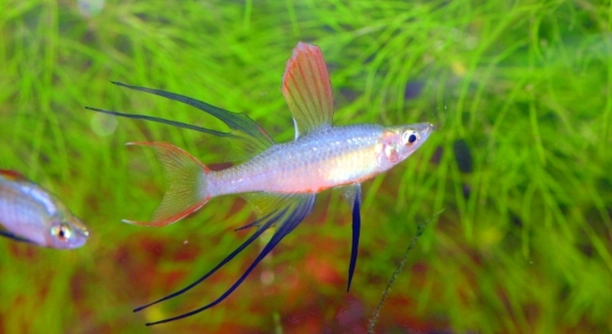
Have you ever noticed your threadfin rainbowfish behaving differently as the seasons change, perhaps swimming less or eating more than usual?
Seasonal changes significantly influence threadfin rainbowfish by affecting water temperature, light exposure, and food availability. These factors impact their metabolism, breeding cycles, and overall activity, making it essential to adjust aquarium conditions accordingly for their optimal health and well-being.
Understanding these seasonal effects will help you create a more stable, supportive environment that keeps your threadfin rainbowfish thriving all year long.
Temperature Fluctuations
Seasonal temperature changes play a major role in the behavior and health of threadfin rainbowfish. When temperatures drop, their metabolism slows, leading to reduced appetite and less movement. Warmer months, on the other hand, bring higher activity levels, faster growth, and more frequent breeding behaviors. In aquariums, even minor temperature shifts can influence how they interact with their surroundings. Keeping the water between 75°F and 82°F helps maintain stability and supports their natural rhythm throughout the year. Monitoring temperature changes closely ensures your threadfin rainbowfish stay comfortable, active, and healthy, no matter the season.
A consistent water temperature not only promotes proper digestion but also strengthens their immune system and reduces stress during seasonal transitions.
If sudden drops or increases occur, use a reliable aquarium heater and thermometer to stabilize the temperature. Gradual adjustments are best, as abrupt changes can shock your fish and weaken their health over time.
Light and Photoperiod Changes
Light exposure is another key factor that changes with the seasons and affects threadfin rainbowfish behavior. Shorter daylight hours can reduce their energy, while longer exposure often encourages activity and breeding instincts.
Threadfin rainbowfish depend on consistent lighting to maintain a balanced internal rhythm. In nature, the gradual shift of light throughout the year signals when to feed, rest, or reproduce. In aquariums, artificial lighting helps replicate these cycles. Keeping lights on for around 10–12 hours daily creates stability and prevents confusion. During shorter winter days, a timer ensures predictable lighting patterns. Too much light, however, can stress the fish or encourage algae growth. Mimicking natural daylight conditions allows threadfin rainbowfish to feel secure, display vibrant colors, and stay active all year. A balanced lighting routine contributes to their overall well-being and prevents the negative effects of irregular exposure.
Water Quality Shifts
Seasonal changes can alter water quality, affecting oxygen levels, pH balance, and overall clarity. These fluctuations can stress threadfin rainbowfish, leading to slower growth, faded color, and vulnerability to illness if not properly managed throughout the year.
During warmer months, evaporation increases, concentrating minerals and altering the water’s chemistry. Frequent partial water changes help restore balance and prevent toxic buildup. In cooler seasons, reduced evaporation may slow oxygen exchange, requiring added aeration. Monitoring pH, ammonia, and nitrate levels is vital to maintaining stability. Clean filters regularly and test the water weekly to ensure safe conditions for your fish. Even slight inconsistencies can impact their health and energy.
Maintaining consistent water parameters ensures your threadfin rainbowfish remain active and display their natural beauty. Simple steps like regular testing, gradual water adjustments, and avoiding overfeeding contribute to a clean, balanced environment year-round. Stability is key to their comfort and long-term vitality.
Food Availability and Feeding Patterns
Threadfin rainbowfish adjust their feeding habits based on seasonal changes in food availability. In the wild, they eat more during warmer months when insect larvae and algae are abundant, and less during cooler seasons when resources decline.
In aquariums, replicating these natural feeding rhythms helps maintain healthy digestion and growth. During warmer periods, slightly increase feeding frequency, offering small amounts more often to support their higher metabolism. In cooler months, reduce portions to prevent waste and water contamination. Overfeeding during slower periods can lead to obesity and stress. A balanced diet with a mix of flakes, live, and frozen foods keeps them healthy year-round. Observing how they respond to feeding changes helps you fine-tune their diet, ensuring they remain active and vibrant regardless of the season’s influence.
Breeding Behavior Changes
Threadfin rainbowfish breed more actively in warmer months when light and temperature conditions are ideal. As seasons cool, breeding slows, and males display fewer vibrant colors. Keeping conditions steady encourages consistent spawning behavior throughout the year.
To support healthy breeding, maintain stable temperatures, clean water, and sufficient lighting. Provide fine plants or spawning mops where females can lay eggs safely. Balanced nutrition and low stress help ensure strong fry survival and ongoing reproductive success.
Stress and Immune Response
Seasonal fluctuations can weaken a threadfin rainbowfish’s immune system, making them more prone to infections and parasitic outbreaks. Stress from unstable temperatures or poor water conditions often leads to reduced appetite and duller coloration, signaling a decline in health. Regular maintenance and consistency strengthen resilience against seasonal stressors.
Behavioral Activity Levels
Threadfin rainbowfish show noticeable behavioral changes throughout the year. They become livelier and more social in warmer conditions but tend to move less and rest more as temperatures drop. These shifts are natural responses to changing environmental cues and should be observed rather than forced to adjust artificially.
FAQ
How do seasonal changes affect threadfin rainbowfish in home aquariums?
Seasonal changes can influence your threadfin rainbowfish just as they do in nature. Variations in temperature, lighting, and humidity around your tank can affect the water’s balance, even indoors. Warmer months increase activity, appetite, and breeding behavior, while cooler periods may cause slower movement and reduced feeding. These subtle changes reflect the fish’s natural instincts and help regulate their biological rhythms. Paying attention to how your fish respond during different times of the year helps you adjust their environment more effectively, keeping them healthy and stress-free in every season.
What temperature range is best for threadfin rainbowfish year-round?
Maintaining water temperatures between 75°F and 82°F is ideal for threadfin rainbowfish. Consistency is more important than hitting a precise number. Sudden changes can shock their system and cause stress or illness. During colder months, using a heater helps prevent temperature drops, while in warmer weather, ensure proper aeration and avoid direct sunlight to keep the tank from overheating. Monitoring temperature daily creates a stable and safe environment that supports your fish’s immune system, metabolism, and natural activity levels throughout the year.
Do threadfin rainbowfish need changes in diet with the seasons?
Yes, minor adjustments in diet can help mimic natural seasonal patterns. In warmer months, their metabolism speeds up, so they benefit from more frequent, smaller feedings. Offer a variety of foods, such as flakes, live daphnia, or frozen brine shrimp. In cooler months, reduce the feeding frequency slightly since they eat less and digest food more slowly. Avoid overfeeding during this time to prevent water contamination. Maintaining a balanced diet with proper timing keeps them healthy, energetic, and less prone to digestive issues all year long.
Why does breeding activity slow down in certain seasons?
Threadfin rainbowfish are sensitive to environmental cues, especially temperature and light. Breeding naturally increases when both are stable and warm, often peaking during late spring and summer. Shorter days and cooler water signal rest periods, slowing down reproductive activity. In aquariums, simulating longer light hours and steady warmth can encourage more frequent spawning. Providing dense plants or spawning mops ensures females have safe spots to lay eggs. Keeping these cues consistent helps support natural breeding rhythms without forcing the fish into constant reproduction cycles, which could lead to fatigue or stress.
How can I help my threadfin rainbowfish adjust to seasonal water changes?
Regular water testing and gradual adjustments are essential. Check parameters like pH, ammonia, nitrite, and nitrate weekly, especially when outdoor temperatures shift. During warmer months, increase water changes slightly to counteract evaporation and mineral buildup. In cooler seasons, maintain oxygen levels with gentle aeration or surface agitation. Avoid sudden large water changes, as drastic differences in temperature or chemistry can cause stress. Using treated water that matches your tank’s temperature ensures smooth transitions. Consistent care helps prevent illness and maintains a calm, balanced habitat that your fish can adapt to easily.
Do changes in daylight affect their color and energy levels?
Yes, lighting has a direct impact on their color intensity and activity. Threadfin rainbowfish display their brightest hues under steady, well-balanced lighting conditions. Natural daylight variations can influence how vibrant they appear and how active they feel. Shorter days may lead to duller colors and lower energy. Using an aquarium light on a timer for 10–12 hours daily helps maintain their internal rhythm. This consistency supports both appearance and mood. Avoid sudden changes in lighting or keeping lights on too long, as this can stress your fish and disrupt their natural patterns.
How can I tell if my threadfin rainbowfish are stressed by seasonal changes?
Signs of stress include dull coloring, reduced appetite, hiding more than usual, or erratic swimming. Seasonal fluctuations in temperature or lighting can trigger these behaviors. Testing the water and checking equipment should be your first step if you notice changes. Adjusting environmental factors gradually helps them recover faster. Providing stable conditions, balanced feeding, and minimal disturbance keeps them calm and comfortable. Observing their normal activity patterns throughout the year allows you to spot early warning signs and take corrective action before health issues develop.
What can I do to support my threadfin rainbowfish through seasonal transitions?
Consistency and observation are key. Make small, gradual adjustments to lighting, temperature, and feeding routines as the seasons shift. Keep up with tank maintenance and ensure filters are working efficiently. Avoid large, sudden changes in environment or diet. Adding live plants also helps maintain stable oxygen levels and offers a natural feel. By paying attention to the subtle cues your fish show, you can fine-tune their care throughout the year. A steady, calm environment will help your threadfin rainbowfish remain active, colorful, and healthy in every season.
Final Thoughts
Threadfin rainbowfish are delicate and beautiful creatures that respond deeply to the world around them. Each season brings subtle changes that can affect their health, color, and energy. While they are hardy and adaptable, their well-being still depends on how stable and balanced their environment remains. Seasonal fluctuations in temperature, light, and water quality all play a role in shaping their behavior and physical condition. By understanding these natural influences, you can create an aquarium that mirrors the gentle rhythm of their native habitat. The effort you put into observing and adjusting their care as the seasons shift will help them thrive year-round, showing their best colors and maintaining calm, natural behaviors that make them such rewarding fish to keep.
Maintaining a steady temperature, consistent lighting schedule, and clean water are among the most important ways to protect your threadfin rainbowfish from seasonal stress. Simple actions, such as testing water weekly, using reliable equipment, and offering a balanced diet, can prevent most problems before they appear. These small routines help build a stable environment where your fish feel secure and behave naturally. Paying attention to how they react during seasonal changes can also give you clues about their comfort. A slight change in activity, appetite, or color may indicate adjustments are needed. With gentle, consistent care, your fish will continue to thrive no matter what the season brings.
Caring for threadfin rainbowfish through the year is a matter of awareness and balance. Every change you make, from adjusting water temperature to modifying light exposure, should be gradual and thoughtful. Rapid shifts can disrupt their stability and cause unnecessary stress. Instead, aim for smooth transitions that allow them to adapt naturally. Observing their responses can be a calming and fulfilling part of aquarium care, offering insight into how these small but sensitive creatures experience their environment. Creating a stable and supportive habitat not only enhances their health but also brings peace and beauty to your space. When your threadfin rainbowfish swim gracefully through clear, balanced water, displaying their shimmering fins and calm behavior, it becomes a reflection of the care and attention you’ve given to maintaining harmony in their little aquatic world.

Hello,
If you enjoy the content that we create, please consider saying a "Thank You!" by leaving a tip.
Every little bit helps us continue crafting quality advice that supports the health, happiness, and well-being of pets around the world, for pets of all shapes, sizes, and species.
We really appreciate the kindness and support that you show us!