
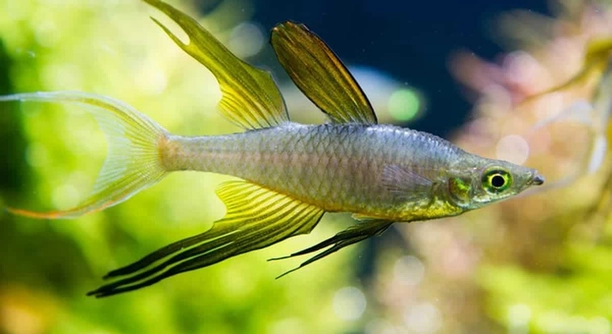
Do you ever notice your Threadfin Rainbowfish huddling in a corner of the tank, seemingly without reason? Observing their behavior can feel puzzling, especially when the rest of the tank appears calm and balanced.
Threadfin Rainbowfish often cluster in a tank corner due to stress, environmental conditions, or social dynamics. Factors such as water quality, temperature fluctuations, overcrowding, or lack of hiding spots can cause this grouping behavior in an otherwise healthy tank.
Understanding why these fish prefer certain areas can help improve their comfort and wellbeing. Small changes in tank setup can make a significant difference for their daily behavior.
Understanding Tank Stress
Threadfin Rainbowfish can feel stressed for several reasons, and their behavior often reflects their discomfort. Poor water quality, sudden temperature changes, and overcrowding are common triggers. Even minor imbalances, such as fluctuating pH levels or ammonia spikes, can make them seek a safer spot. In my experience, adding more hiding places like plants or rocks can immediately reduce clustering behavior. Observing their swimming patterns and activity can provide clues about their comfort level. Sometimes, stress appears even when everything seems fine, showing how sensitive these fish are to subtle changes. Feeding schedules and diet can also play a role, as inconsistent feeding may increase anxiety. By understanding their needs and adjusting environmental factors, the tank becomes a calmer place. Stress management is not just about fixing visible issues; it’s about creating a stable, predictable environment where the fish feel secure, and their natural behaviors can re-emerge over time.
Monitoring water parameters and behavior closely can prevent long-term health problems.
A consistent routine and careful observation help reduce stress. Adding decor or plants allows fish to establish preferred areas, improving their overall well-being and reducing sudden clustering episodes.
Social Behavior Patterns
Threadfin Rainbowfish are naturally social, and their grouping is often part of how they interact with each other.
In addition to environmental stress, social dynamics influence clustering. These fish form loose hierarchies, and smaller or less dominant individuals may retreat to a corner when feeling intimidated. Larger fish often patrol open areas, leaving more timid individuals to gather where they feel protected. Even in a well-sized tank, social tensions can cause temporary clustering, especially during feeding or when new fish are introduced. I noticed that arranging plants and ornaments strategically can give smaller fish refuge while allowing dominant fish space, balancing social interactions. Observing which fish cluster together can reveal relationships and hierarchy patterns. Sometimes, clustering is a temporary adjustment as they establish territory. Understanding these patterns helps in arranging the tank to meet both social and environmental needs, creating a healthier, less stressful space where fish can thrive naturally.
Water Quality Considerations
Poor water quality often leads Threadfin Rainbowfish to cluster in corners. High ammonia, nitrite, or nitrate levels can irritate them, and sudden changes in pH or temperature make them seek a safer area. Regular monitoring and maintenance are essential for their comfort.
Maintaining clean water requires consistent testing and timely adjustments. I personally check ammonia, nitrite, nitrate, and pH levels weekly to ensure stability. Small water changes, usually 20-25% weekly, prevent harmful buildup and help fish remain active throughout the tank. Temperature consistency is equally important, as even minor fluctuations can trigger stress. Adding a gentle filtration system and avoiding overcrowding supports a healthier environment. Observing fish behavior after water changes also helps identify lingering stress or discomfort. Proper care reduces clustering and encourages normal swimming and social patterns.
In my experience, pairing good water quality with adequate hiding spots further reduces corner clustering. Plants, rocks, and driftwood offer refuge, letting fish feel secure while maintaining visibility of their surroundings. This balance of environmental quality and shelter creates a stable habitat where Threadfin Rainbowfish are more likely to spread evenly across the tank, displaying natural behaviors.
Feeding and Nutrition
Feeding routines influence where Threadfin Rainbowfish gather in the tank. Uneven or irregular feeding can make them congregate in corners, especially if food accumulates in one area.
Providing a balanced, consistent diet improves their health and behavior. I feed a mix of high-quality flakes and occasional live or frozen foods to ensure proper nutrition. Uneven distribution of food may lead to clustering, as fish try to access meals in limited spots. Feeding smaller portions multiple times a day keeps them active and reduces competition. Observing feeding behavior can indicate if some fish are stressed or less dominant, as these individuals tend to retreat to corners. Ensuring all fish receive food promotes even distribution and reduces corner gatherings.
Additionally, monitoring fish after meals helps assess digestion and overall health. Sometimes clustering decreases naturally once food is consumed and the tank settles. Offering varied foods also encourages natural foraging behaviors, keeping them occupied and confident in open areas. By combining proper nutrition with environmental enrichment, clustering behavior can be minimized while supporting their long-term growth and vitality.
Tank Layout and Hiding Spots
The arrangement of plants, rocks, and decorations affects where Threadfin Rainbowfish gather. Corners with dense cover often become preferred areas for safety. Strategic placement can guide them to more open parts of the tank.
Providing multiple hiding spots helps reduce stress and corner clustering. I make sure each area has at least one refuge.
Lighting and Activity Levels
Strong or direct lighting can make Threadfin Rainbowfish feel exposed, prompting them to cluster in shaded corners. Adjusting light intensity or creating dimmer zones allows them to feel secure while remaining active in the tank. Consistent light schedules also support normal behavior.
Observation and Behavior Tracking
Regular observation reveals patterns in clustering. Noting when and where fish gather helps identify triggers. I keep a simple log of behavior changes after water changes, feeding, or rearranging decorations. This practice helps manage stress proactively.
Seasonal Changes
Temperature or daylight shifts across seasons can influence activity and corner clustering. Maintaining stable tank conditions helps minimize stress during seasonal transitions.
FAQ
Why do Threadfin Rainbowfish gather in a corner suddenly?
Sudden clustering often indicates stress or environmental change. I’ve noticed that even small fluctuations in water temperature or pH can trigger this behavior. Other factors include overcrowding or aggressive tankmates, which make timid fish seek safer spots. Observing the tank closely can help pinpoint the cause.
Can poor water quality cause corner clustering?
Yes, water quality is a major factor. High ammonia, nitrites, or nitrates irritate the fish, and unstable pH levels add stress. I test the water weekly and perform partial changes to maintain a stable, comfortable environment. This usually reduces the tendency to huddle.
Does tank size affect their behavior?
Absolutely. Smaller tanks limit swimming space, causing fish to cluster. Even in larger tanks, improper decoration placement can create intimidating open areas. I’ve learned that spreading plants and hiding spots evenly encourages movement and reduces corner gatherings.
Could lighting be the reason?
Bright or direct light can make Threadfin Rainbowfish feel exposed. They often retreat to shaded corners until they feel safe. I adjust lighting schedules and provide dim zones, which helps them distribute more naturally throughout the tank.
Do feeding habits influence clustering?
Irregular feeding can cause fish to gather in corners, especially near leftover food or when competition arises. I feed smaller portions multiple times daily to keep all fish active. Ensuring everyone gets food evenly reduces stress and improves overall tank behavior.
Are social dynamics important?
Yes, social hierarchy plays a role. Less dominant fish may retreat to corners when larger, more assertive fish are present. Observing their interactions and providing hiding spots allows timid fish to feel secure without disrupting social balance.
Can seasonal changes impact clustering?
Temperature and daylight shifts can affect activity levels. During colder months or sudden weather changes, fish may cluster more. I maintain stable tank temperatures year-round and mimic natural light cycles, which keeps behavior consistent.
Is clustering a sign of illness?
Sometimes, yes. If fish appear lethargic, have clamped fins, or stop eating, clustering may indicate disease. I monitor behavior and water quality carefully. Quarantining sick fish and treating promptly helps prevent stress from spreading to others.
Will rearranging decorations help?
Rearranging plants, rocks, and hiding spots can encourage fish to explore open areas instead of staying in corners. I’ve found that creating multiple refuge points allows them to spread naturally while maintaining security.
How long does it take for clustering behavior to improve?
Behavior changes can take a few days to a couple of weeks, depending on the cause. Once water quality, lighting, social balance, and hiding spots are addressed, fish gradually distribute more evenly. Regular observation ensures progress and confirms they are comfortable.
Are some fish naturally more prone to corner clustering?
Yes, timid individuals or younger fish often gather more. They feel safer near dense cover and will move more as confidence grows. I make sure smaller or shy fish have multiple shelters to reduce stress and encourage gradual integration into open areas.
Can introducing new fish cause temporary clustering?
Definitely. New arrivals disrupt social dynamics, and existing fish may retreat to corners until the hierarchy stabilizes. I usually monitor closely and ensure ample hiding spaces to minimize stress during this period.
Does tank cleaning affect clustering?
Major cleaning or sudden water changes can temporarily stress fish, prompting corner gathering. I perform partial water changes gently and maintain consistent routines to reduce shock. Observing fish afterward helps confirm they return to normal behavior.
Are there long-term strategies to prevent corner clustering?
Consistent water quality, proper tank size, regular feeding, multiple hiding spots, balanced social groups, and stable lighting form a strong foundation. I’ve found that maintaining these factors keeps Threadfin Rainbowfish active, healthy, and evenly distributed in the tank, reducing stress-related clustering over time.
Final Thoughts
Threadfin Rainbowfish are sensitive and expressive creatures, and their tendency to cluster in a tank corner is often a signal rather than a random habit. Observing this behavior can provide important insights into their comfort and the state of their environment. Stress, water quality, lighting, social dynamics, feeding, and tank layout all play significant roles in influencing their daily patterns. Overlooking any of these factors may cause fish to feel insecure or threatened, prompting them to retreat to corners or shaded areas. In my experience, paying close attention to subtle changes in their swimming patterns or grouping behavior is a reliable way to detect issues before they escalate. Simple adjustments, such as monitoring water parameters, adding multiple hiding spots, or ensuring consistent feeding, often make a noticeable difference in reducing corner clustering. By understanding the root causes of this behavior, caretakers can create an environment where the fish feel secure and confident to explore the entire tank, leading to healthier and more balanced social interactions.
Creating a stable and comfortable environment is key for maintaining Threadfin Rainbowfish’s wellbeing. Regular maintenance, such as partial water changes and careful monitoring of temperature, pH, and chemical levels, forms the foundation of a healthy tank. Providing multiple refuges with plants, rocks, and other decorations allows shy or less dominant fish to establish safe zones, reducing stress and corner gathering. Additionally, observing social behavior helps identify if certain fish feel threatened or intimidated, so minor changes in decoration placement or the introduction of new tankmates can be made with minimal disruption. Feeding routines also matter: small, consistent portions spread across different areas encourage even distribution and prevent competitive clustering. Lighting should be adjusted to avoid overly bright or harsh exposure while maintaining natural day and night cycles. All these measures together create a supportive habitat where Threadfin Rainbowfish are more likely to exhibit natural, calm behavior rather than huddling anxiously in one corner.
Patience and careful observation remain essential for anyone keeping these fish. Even when all conditions are ideal, it may take time for fish to adjust and for corner clustering to reduce fully. I’ve noticed that small, incremental improvements often lead to long-term positive changes in behavior. Maintaining consistency in water quality, feeding, lighting, and social balance builds trust in the environment, making fish more willing to explore open areas. Over time, they become less reactive to minor disturbances and more comfortable in their habitat. Paying attention to these details not only reduces clustering but also supports overall health, growth, and natural behavior patterns. Understanding and responding to these needs reflects a commitment to providing a secure and balanced tank where Threadfin Rainbowfish can thrive, enjoy their surroundings, and display their vibrant, lively nature throughout the day.

Hello,
If you enjoy the content that we create, please consider saying a "Thank You!" by leaving a tip.
Every little bit helps us continue crafting quality advice that supports the health, happiness, and well-being of pets around the world, for pets of all shapes, sizes, and species.
We really appreciate the kindness and support that you show us!