
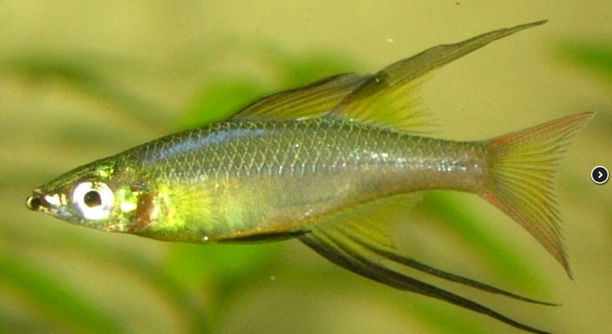
Do you ever notice your Threadfin Rainbowfish behaving slightly differently and wonder what might be wrong in their tank environment? These small fish have subtle ways of showing discomfort that can be easy to miss.
Threadfin Rainbowfish exhibit discomfort through changes in coloration, erratic swimming patterns, reduced feeding, fin clamping, hiding behavior, and rapid gill movement. Observing these signs early allows aquarists to address environmental or health issues before they escalate.
Recognizing these subtle signals is essential for maintaining a healthy tank and ensuring your fish thrive in their aquatic home.
Changes in Coloration
Threadfin Rainbowfish often display subtle shifts in their colors when they are uncomfortable. A fish that normally shines with bright blues and silvers may become pale or dull. This change is usually gradual and can be overlooked if the tank is brightly lit or heavily decorated. Color shifts may indicate stress caused by water quality issues, temperature fluctuations, or incompatible tank mates. Observing the fish during feeding or routine maintenance can reveal patterns in these changes. It is also important to compare the fish’s current coloration with photos or notes taken when the fish was healthy. Some species have natural color variations, so knowing their baseline is essential. Minor color fading is often the first sign of discomfort before more obvious behaviors appear. Acting early can prevent illness and improve overall tank conditions. Monitoring lighting, water parameters, and diet can help restore normal coloration and reduce stress.
Noticing even slight color changes can be a valuable early warning to prevent bigger health problems. Observing patterns over time is key.
Documenting these changes consistently helps track what triggers stress. Adjusting lighting, water parameters, and diet often restores vibrancy. Preventive measures keep fish healthy and reduce recurring issues.
Erratic Swimming Patterns
Erratic swimming is a common sign that Threadfin Rainbowfish are uncomfortable. Sudden bursts of speed, circling, darting to the bottom, or bumping into objects indicate stress or irritation. These behaviors often appear when fish react to poor water conditions, overcrowding, or sudden temperature shifts. Watching the fish closely during feeding or social interactions can help identify patterns. Some fish may temporarily isolate themselves or swim in unusual directions as a coping mechanism. These actions are subtle and can be misinterpreted as normal activity if not monitored carefully. Consistent observation helps differentiate between playful swimming and discomfort. Adjustments such as improving water quality, adding hiding spots, or modifying tank layout can reduce stress. Over time, the fish will return to more controlled, calm swimming once environmental triggers are addressed. Recognizing these behaviors early prevents escalation into more severe health problems, ensuring a stable tank ecosystem.
Erratic swimming often signals environmental stress or underlying health issues that require timely attention.
Providing proper tank conditions and observing interactions closely can minimize these behaviors and improve overall fish well-being.
Reduced Feeding
Reduced feeding is often one of the first signs of discomfort in Threadfin Rainbowfish. A fish that normally eagerly accepts food may start nibbling less or ignoring food entirely. This behavior can signal stress, illness, or unsuitable water conditions.
When Threadfin Rainbowfish reduce their food intake, it often reflects underlying issues that need attention. Poor water quality, sudden temperature changes, or tank overcrowding can make fish lose appetite. Sometimes, changes in diet or contaminated food may cause them to refuse meals. Observing which fish are affected and tracking feeding behavior over several days can help pinpoint the problem. Prompt adjustments, such as improving water parameters or changing feeding routines, often restore appetite. Maintaining consistent tank conditions and offering varied, high-quality food supports overall health. Ignoring reduced feeding can lead to weight loss, weakened immunity, and further stress.
Addressing feeding issues quickly can prevent health decline and improve comfort. Tracking patterns and maintaining consistent care is essential for recovery and overall well-being.
Fin Clamping
Fin clamping occurs when Threadfin Rainbowfish hold their fins close to their body instead of spreading them normally. This subtle sign indicates stress or discomfort and can happen when water quality is poor or during aggressive interactions.
Fin clamping can signal ongoing environmental stress or disease. Fish may clamp fins to reduce energy expenditure or protect delicate tissue. Overcrowded tanks, incompatible tank mates, or sudden water changes often trigger this behavior. Observation during different times of day can reveal whether the clamping is temporary or persistent. Adjusting the tank environment, ensuring compatible social groups, and maintaining stable water conditions often resolves the behavior. Persistent clamping may indicate disease, requiring careful monitoring and potentially treatment. Understanding these subtle cues helps prevent escalation into more serious health issues, preserving the fish’s vitality.
Consistent monitoring of fin posture allows early intervention. Proper tank management and observation can restore normal fin movement and reduce stress over time.
Hiding Behavior
Hiding behavior is a common indicator that Threadfin Rainbowfish feel uncomfortable. Fish may retreat behind decorations, plants, or tank corners more often than usual. This behavior can be triggered by stress, illness, or aggression from tank mates.
Consistent hiding is often a response to environmental stressors. Poor water quality, sudden changes in lighting, or incompatible tank companions can make fish seek refuge. Tracking when and where the fish hide helps identify patterns. Providing adequate cover and adjusting tank conditions usually encourages fish to return to normal swimming areas, reducing stress over time.
Rapid Gill Movement
Rapid gill movement in Threadfin Rainbowfish indicates they may be struggling to breathe. This can occur due to low oxygen levels, high ammonia, or other water quality issues.
Observing gill rate over time helps identify potential problems. Fish with consistently rapid gill movement may require immediate water testing and corrective actions to restore proper oxygenation and chemical balance in the tank.
Sudden Isolation
Sudden isolation occurs when a normally social Threadfin Rainbowfish separates from its group. This behavior often signals discomfort or stress caused by water conditions, aggression, or illness.
Monitoring isolated fish is important to determine the underlying cause. Early intervention, such as adjusting tank conditions or removing aggressive tank mates, helps restore normal social behavior and prevents worsening health issues.
FAQ
How can I tell if my Threadfin Rainbowfish is stressed?
Signs of stress include changes in coloration, fin clamping, erratic swimming, reduced feeding, hiding, rapid gill movement, and sudden isolation. Observing these behaviors consistently over time helps determine if the fish are experiencing stress or discomfort.
What causes Threadfin Rainbowfish to hide frequently?
Hiding is usually a response to stress, illness, or aggression from tank mates. Poor water quality, sudden changes in temperature, or lack of adequate shelter can also trigger frequent hiding. Ensuring proper tank conditions and adding hiding spots helps the fish feel secure.
Why do my Rainbowfish clamp their fins?
Fin clamping occurs when fish hold their fins close to the body. It often signals stress caused by overcrowding, incompatible tank mates, sudden water changes, or illness. Persistent fin clamping requires environmental adjustments or treatment if disease is suspected.
What should I do if my fish stops eating?
Reduced feeding can indicate stress, poor water quality, illness, or unsuitable diet. Monitor water parameters, observe fish for other stress signs, and provide high-quality, varied food. Addressing the root cause usually restores normal feeding behavior.
Why do my Rainbowfish swim erratically?
Erratic swimming includes sudden bursts, darting, circling, or bumping into objects. This behavior is often caused by poor water conditions, overcrowding, stress, or irritation from tank mates. Observing interactions and improving tank conditions can restore calm swimming patterns.
How can I prevent stress in Threadfin Rainbowfish?
Maintain stable water parameters, provide proper tank size, include hiding spaces, avoid overcrowding, and ensure compatible tank mates. Regular monitoring and gentle handling reduce stress and improve overall fish health.
When should I be concerned about rapid gill movement?
Rapid gill movement signals possible oxygen deficiency, poor water quality, or illness. Test water parameters immediately, increase aeration, and observe for other stress indicators. Persistent gill issues may require professional advice or treatment.
Is sudden isolation normal behavior?
Temporary isolation can occur naturally, but persistent separation often indicates stress, illness, or aggression. Monitor water conditions and social dynamics. Intervening early helps prevent worsening health and restores normal schooling behavior.
Can diet affect Rainbowfish behavior?
Yes. Inadequate or low-quality food can reduce appetite and increase stress. Offering a varied diet with proper nutrients supports energy levels, coloration, and overall health. Observing feeding patterns helps detect discomfort early.
How often should I check water conditions?
Daily observation and weekly testing of temperature, pH, ammonia, nitrites, and nitrates are recommended. Consistent monitoring prevents environmental stressors from affecting the fish and helps maintain a healthy tank ecosystem.
Are all these signs reversible?
Many signs of discomfort are reversible if addressed early. Adjusting water quality, improving diet, providing hiding spaces, and managing tank social dynamics usually restores normal behavior. Ignoring prolonged stress can lead to illness or permanent health issues.
Can multiple stress factors occur at once?
Yes. Rainbowfish may experience overlapping stressors, such as poor water quality combined with aggression or overcrowding. Identifying all contributing factors and systematically addressing them ensures better recovery and long-term well-being.
How long does it take for Rainbowfish to recover?
Recovery time depends on the severity of the issue and how quickly it is addressed. Minor environmental adjustments may show improvement within days, while illness treatment or social restructuring can take weeks. Patience and consistent care are crucial for full recovery.
Should I separate a stressed fish?
Separation is sometimes necessary for aggressive tank mates or sick fish. Providing a quiet, properly conditioned quarantine area can reduce stress, support feeding, and allow closer observation of health and recovery progress.
What role does tank layout play in stress?
Tank layout influences hiding options, swimming space, and territory establishment. Cluttered or poorly arranged tanks can increase stress, while balanced layouts with open swimming areas and shelters promote natural behavior and reduce discomfort.
How can I prevent recurring stress issues?
Maintaining stable water conditions, compatible tank mates, proper diet, and regular observation prevents recurring stress. Being proactive in tank management minimizes discomfort and supports long-term Rainbowfish health and vitality.
This FAQ provides clear guidance for recognizing and addressing the subtle signs of discomfort in Threadfin Rainbowfish, ensuring their well-being and a healthy tank environment.
Threadfin Rainbowfish are delicate and sensitive fish that communicate discomfort in subtle ways. Observing changes in their behavior or appearance can give early clues about stress or health issues. These signs include shifts in coloration, fin clamping, hiding, erratic swimming, reduced feeding, rapid gill movement, and sudden isolation. Each behavior on its own may seem minor, but together they create a picture of how the fish is feeling in its environment. Understanding these behaviors allows aquarists to act before problems escalate, improving both the fish’s comfort and overall health. Paying attention to small changes is essential because Rainbowfish rarely show obvious distress until conditions have become serious.
Maintaining a stable and suitable environment is the most effective way to reduce stress and prevent discomfort in Threadfin Rainbowfish. Water quality is a critical factor, including temperature, pH, ammonia, nitrites, and nitrates, all of which should be monitored regularly. Proper tank size, adequate hiding spaces, and compatible tank mates also play an important role in supporting natural behaviors. Feeding is equally important, as a varied diet of high-quality food ensures energy, coloration, and general health. Even small adjustments, such as adding plants for cover or improving aeration, can make a noticeable difference. Consistency in care helps the fish feel secure and reduces the occurrence of stress behaviors, creating a healthier and more stable tank ecosystem.
Recognizing and responding to subtle signs of discomfort requires patience and careful observation. Documenting behavior over time helps identify patterns and potential triggers. Acting promptly when issues arise, whether through adjusting water conditions, modifying the tank environment, or addressing social dynamics, allows Rainbowfish to return to normal activity. While each fish may respond differently, providing attentive care ensures that they remain healthy, active, and visually vibrant. By understanding their signals and creating an environment that meets their needs, aquarists can support the long-term well-being of Threadfin Rainbowfish, helping them thrive in a tank that is both safe and comfortable.

Hello,
If you enjoy the content that we create, please consider saying a "Thank You!" by leaving a tip.
Every little bit helps us continue crafting quality advice that supports the health, happiness, and well-being of pets around the world, for pets of all shapes, sizes, and species.
We really appreciate the kindness and support that you show us!