
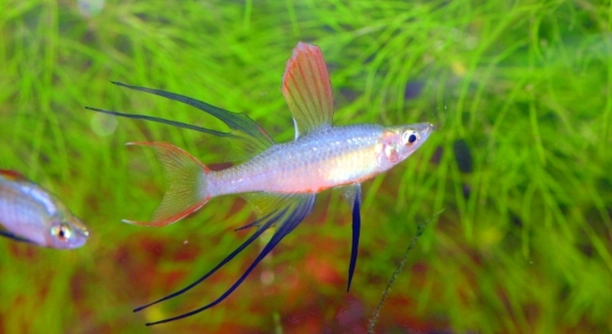
Have you ever noticed your Threadfin Rainbowfish circling the tank during feeding times? Observing these small, shimmering fish can be relaxing, yet it can also spark curiosity about their eating habits and daily routines.
Threadfin Rainbowfish generally prefer a consistent feeding spot. Providing food in the same location helps reduce stress, encourages regular feeding behavior, and allows the fish to establish a predictable routine within their environment.
Understanding this simple habit can improve your fishkeeping practices and enhance your aquarium’s overall harmony and well-being.
Why Consistency Matters for Threadfin Rainbowfish
Keeping a consistent feeding spot helps Threadfin Rainbowfish feel secure. These fish are naturally cautious, and sudden changes in their environment can make them hesitant to eat. By offering food in the same area, they learn where to expect meals and develop a sense of routine. Consistency also minimizes competition among tank mates, as fish can anticipate when and where food will appear. Over time, a steady feeding location reduces stress and encourages natural foraging behaviors, making your fish more active and healthier. Additionally, it allows you to monitor their eating habits more accurately, helping detect early signs of illness or dietary issues. I’ve found that even small changes, like moving the feeding dish slightly, can cause noticeable hesitation. Keeping their feeding environment predictable not only benefits the fish’s mental state but also helps maintain the overall balance of the aquarium.
Consistency in feeding locations strengthens routine and reduces stress for your fish.
Establishing a feeding spot also helps you maintain tank hygiene. Leftover food is easier to spot and remove, preventing water quality issues. Fish eat more efficiently when they know where to find food, which reduces waste. Over time, this simple routine leads to a healthier, cleaner, and more harmonious aquarium.
Signs Your Fish Prefer a Specific Feeding Spot
You may notice your Threadfin Rainbowfish gathering near one corner during feeding times. This behavior indicates they have recognized the usual location.
Observing these patterns helps you tailor feeding habits. Fish that consistently return to a spot show higher comfort levels and predictable behavior. Those that hesitate may need extra time or smaller portions to adjust. By paying attention to these signs, you can support their health and well-being. Maintaining a consistent feeding location also allows easier observation of their interactions and growth. Over time, fish will associate that spot with nourishment, improving their appetite and overall vitality. For someone managing a tank, noticing these small preferences is crucial. It can prevent stress-related behaviors like hiding or skipping meals, especially in a community tank. Adjusting the location slightly over time can also test comfort levels and adaptability, offering insight into their personality. Overall, respecting their preference creates a smoother routine, reduces conflicts, and supports the tank’s ecological balance while making feeding times predictable and enjoyable for both the fish and the keeper.
Choosing the Best Feeding Spot
Placing food near plants or decorations gives Threadfin Rainbowfish a sense of security. Avoid open areas where they may feel exposed, as this can reduce feeding activity and create stress. A consistent, sheltered spot encourages regular feeding and natural behavior.
I usually place food near a small cluster of plants or behind rocks. This setup makes the fish feel protected while eating, which improves their confidence and reduces hesitation. Over time, they quickly recognize the location and swim straight to it during feeding times. Fish that feel safe are more likely to eat properly, stay active, and maintain good health. Observing their preferred area also helps monitor food intake, making it easier to notice changes in appetite or behavior. Adjustments should be gradual to avoid stressing the fish. Maintaining this simple routine fosters comfort and supports long-term well-being.
Providing a consistent feeding spot also helps reduce conflicts. Fish that know where to eat avoid chasing each other, leading to a calmer tank. This stability encourages growth, strengthens natural behaviors, and ensures all fish receive adequate nutrition.
Adjusting Feeding Habits Over Time
Fish may change preferences as they grow or as tank conditions evolve. Observing these changes ensures their needs are met consistently.
I’ve noticed that Threadfin Rainbowfish sometimes shift their favored feeding spot, especially when decorations are rearranged or new plants are added. Gradual adjustments are key—moving the feeding location in small increments allows them to adapt without stress. Feeding at the same time each day also reinforces their routine, making changes easier to manage. Consistent observation ensures that all fish remain comfortable and continue eating properly, even when tank conditions vary. Tracking these small adjustments over weeks helps maintain a stable feeding pattern and supports overall health, creating a positive environment for active, thriving fish.
Feeding Frequency and Timing
Feeding Threadfin Rainbowfish at regular times helps them develop a predictable routine. Skipping or delaying meals can cause stress and reduce appetite, while consistency encourages healthier eating habits and active behavior throughout the day.
I feed my fish twice a day, once in the morning and once in the evening. Keeping this schedule helps them know when to expect food, reducing anxiety and ensuring they get proper nutrition. Over time, they swim confidently to the feeding spot, and I can easily monitor their health and activity. Predictable timing also prevents overfeeding and maintains water quality, making the tank a more stable environment for everyone.
Observing Eating Behavior
Watching how your fish eat provides insight into their health and preferences.
Noticing which fish arrive first or if some hesitate can highlight individual habits. This helps ensure every fish gets adequate food and adjusts feeding strategies if necessary. Maintaining observation supports long-term care and prevents potential issues before they escalate.
Adjusting Quantity and Type of Food
Providing the right amount and type of food is essential for health. Overfeeding leads to waste, while underfeeding can cause malnutrition.
I rotate between flakes, small pellets, and occasional live food to keep my Threadfin Rainbowfish engaged and healthy. Observing their appetite helps me decide when to adjust portions. Fish that consistently finish their food quickly may need slightly larger portions, while leftover food indicates the amount should be reduced. Offering variety ensures proper nutrition and encourages natural foraging behavior. Monitoring responses to different food types also helps detect preferences, making feeding time efficient and enjoyable. Balanced feeding contributes to growth, coloration, and overall vitality, keeping the aquarium environment stable.
Tank Environment Impact
The layout of the tank affects feeding behavior and comfort.
Providing hiding spots and gentle currents helps fish feel secure during meals, encouraging regular feeding and reducing stress.
FAQ
How often should I feed my Threadfin Rainbowfish?
I feed my Threadfin Rainbowfish twice a day, once in the morning and once in the evening. This frequency keeps them active and healthy without overfeeding. Younger fish may need slightly smaller, more frequent meals, while adults do well on a consistent twice-daily schedule. Maintaining regular feeding times helps them develop a reliable routine and reduces stress in the tank.
Is it necessary to always feed them in the same spot?
Yes, using a consistent feeding spot helps reduce anxiety and encourages natural behavior. Fish quickly learn where food appears and swim confidently to that area. Changing locations often can make them hesitant to eat, disrupt routines, and increase competition among tank mates. I’ve noticed that a small sheltered corner near plants or rocks works best.
What types of food are best for Threadfin Rainbowfish?
A mix of flakes, small pellets, and occasional live food keeps your fish healthy and engaged. Flakes provide general nutrition, pellets add variety, and live food stimulates natural foraging. I rotate food types to maintain interest and ensure balanced nutrition. Observing how they respond to different foods helps fine-tune portions and prevents overfeeding.
How much should I feed at each meal?
Feed only what they can consume in two to three minutes. Leftover food can pollute the tank and reduce water quality. I usually start with a small pinch of flakes or a few pellets and add more only if they finish quickly. Watching their response ensures everyone eats enough without waste.
Can Threadfin Rainbowfish eat together with other fish?
Yes, they generally coexist well with peaceful community fish. However, slower or shy fish may get stressed if faster eaters dominate the feeding spot. Maintaining a consistent location and monitoring meals helps ensure all fish get adequate nutrition without conflicts.
What signs show my fish are stressed about feeding?
Hesitation, hiding, or avoiding the feeding spot are common signs. Fish may dart nervously or refuse food altogether. I’ve found that returning to a familiar feeding location and offering smaller portions can calm them. Ensuring water quality and stable tank conditions also reduces stress during meals.
Should I change feeding times on weekends or days off?
No, maintaining a consistent schedule is important. Fish rely on routine, and sudden changes can disrupt feeding behavior. I stick to the same times every day, even if my personal schedule varies. This stability encourages regular eating and keeps fish healthy over the long term.
How do I know if all my fish are eating enough?
Observing their behavior at the feeding spot is key. Fish that finish quickly or swim away satisfied are usually eating enough. Fish that lag behind, hide, or leave food untouched may need smaller portions or separate feeding. Watching each individual helps maintain a healthy, balanced tank.
Can the feeding spot affect tank cleanliness?
Absolutely. Placing food in one spot makes leftover removal easier, preventing waste from spreading throughout the tank. I keep a small net nearby to remove uneaten food quickly. This practice helps maintain water quality and reduces algae growth, keeping the environment healthy for all fish.
What adjustments should I make if my fish ignore food?
Check water conditions, feeding location, and food type. Fish may refuse meals if stressed, sick, or unfamiliar with new food. I start with smaller portions and familiar types in a safe, consistent spot. Observing their reactions helps identify the issue and ensures they return to normal feeding behavior.
Can feeding habits change as the fish age?
Yes, younger fish may be more cautious and require smaller, frequent meals. Adults often eat more efficiently and are comfortable with the established feeding spot. I adjust portions and monitor behavior to match their growth and changing preferences, ensuring consistent nutrition throughout life stages.
Is it okay to feed floating vs. sinking food?
Both can work, but I prefer floating food for Threadfin Rainbowfish because it allows them to feed at mid-water levels, which matches their natural behavior. Sinking food can be offered occasionally to stimulate foraging, but floating food ensures everyone can reach meals safely and comfortably.
How do I prevent one fish from dominating the feeding spot?
Observe interactions and distribute food in small amounts or slightly different areas. I sometimes feed slower fish first in a safe corner, then offer additional food to faster eaters. This strategy reduces stress, ensures proper nutrition, and maintains harmony in the tank.
Can temperature or water conditions affect feeding behavior?
Yes, Threadfin Rainbowfish eat best in stable, optimal water conditions. Sudden changes in temperature, pH, or water quality can reduce appetite or make fish hesitant to approach the feeding spot. I check water parameters regularly to maintain consistency and support healthy feeding habits.
Should I use feeding rings or other tools?
Feeding rings can help contain food in one area, making it easier to observe and remove leftovers. I sometimes use them near plants or rocks to reinforce a consistent feeding spot. They also reduce food waste and improve overall tank cleanliness without stressing the fish.
Can overfeeding affect fish behavior?
Overfeeding leads to leftover food, water quality issues, and increased aggression. Fish may become less active or more competitive at the feeding spot. I monitor portions carefully and adjust based on their appetite. Maintaining balance keeps fish healthy, active, and stress-free.
How long does it take for fish to recognize a consistent feeding spot?
Most Threadfin Rainbowfish recognize the spot within a few days to a week. Consistency and repetition are key. I keep food in the same area, at the same times, until they swim confidently to it. This routine reduces stress and promotes natural feeding behavior.
What should I do if a fish refuses food despite a consistent spot?
Check for illness, stress, or incompatible tank conditions. I offer familiar foods in smaller amounts and ensure the environment feels safe. Observation is crucial, and if problems persist, separating the fish temporarily can help restore appetite and prevent nutritional issues.
How can I make feeding time less stressful for the fish?
Keep the spot consistent, feed at regular times, and avoid sudden changes. Providing hiding places nearby and offering food gradually reduces competition and stress. I’ve found that a calm environment and patient observation make feeding times predictable and comfortable for all fish.
Are there seasonal changes in feeding behavior?
Yes, fish may eat less during cooler months or more during active growth periods. I monitor appetite and adjust portions accordingly. Consistent feeding spots and times help manage these seasonal variations without causing stress or disrupting routine.
Can live plants influence feeding behavior?
Yes, plants provide security and natural cover near the feeding spot. Fish feel safer eating near vegetation, which encourages regular feeding and reduces stress. I often place food close to plant clusters to mimic a natural environment and support comfort during meals.
How important is observation during feeding?
Observation is key to maintaining health, monitoring appetite, and adjusting routines. Watching which fish eat first, who hesitates, and leftover food helps detect potential problems early. I pay close attention every day to ensure my fish are thriving and adapting well to their environment.
How long should a feeding session last?
Feeding sessions should last only a few minutes. Fish should finish most food within two to three minutes to prevent waste and water contamination. I feed in small portions, watching their responses, and remove leftovers promptly to maintain a clean and healthy tank.
What are the benefits of sticking to a consistent routine?
A predictable feeding routine reduces stress, encourages natural behavior, improves appetite, and helps monitor health. I’ve seen noticeable improvements in fish activity, growth, and color when maintaining consistency. Routine creates a calm, stable environment that supports long-term well-being.
How do I know if my feeding strategy is effective?
Fish that eat confidently, stay active, and show vibrant coloration indicate an effective strategy. Observing interactions, leftover food, and overall behavior helps determine if portions, location, or food types need adjustment. Regular observation ensures continued success and healthy feeding habits.
What mistakes should be avoided during feeding?
Avoid inconsistent feeding times, changing locations too often, overfeeding, and ignoring individual fish needs. I’ve learned that small adjustments can prevent stress, maintain water quality, and support growth. Consistency, careful observation, and patience are essential for successful feeding.
Can stress from other fish impact feeding behavior?
Yes, aggressive or overly fast eaters can intimidate slower fish. Maintaining a consistent feeding spot, offering food in multiple areas, or temporarily separating fish reduces stress and ensures all individuals eat properly. Observing behavior helps prevent long-term health issues.
How can I encourage shy fish to eat?
Offer food in sheltered areas or near plants and reduce competition from more assertive fish. I sometimes feed timid fish first, allowing them to gain confidence. Gradual exposure to the usual feeding spot builds trust and encourages consistent eating habits.
What role does tank size play in feeding behavior?
Larger tanks may require multiple feeding spots to ensure all fish access food. I’ve found that in smaller tanks, one consistent spot works well, while larger tanks benefit from distributed locations. This approach prevents overcrowding and ensures proper nutrition for every fish.
How do I balance feeding multiple fish species?
Observe each species’ eating habits and adjust portions or locations accordingly. I feed faster eaters first in one area, then offer remaining food to slower species in another. This method ensures all fish get enough food without stress or conflict.
Can feeding tools help improve consistency?
Yes, tools like feeding rings or spoons help deliver food to the same spot reliably. I use them to control portions and reduce scattering, which keeps the environment clean and reinforces predictable feeding behavior.
Are there long-term benefits to maintaining a consistent feeding spot?
Consistent feeding spots reduce stress, improve nutrition, and support natural behavior. Over time, fish become more confident, active, and healthier. I’ve noticed improved coloration, growth, and overall vitality when keeping feeding routines predictable. A stable environment promotes harmony and reduces problems in the tank.
How important is patience during feeding adjustments?
Patience is crucial when changing food type, location, or portions. Sudden changes can stress fish. I make gradual adjustments, observing their response to ensure comfort and continued appetite. Patience ensures successful adaptation without disrupting established routines.
Can I feed treats occasionally?
Yes, occasional treats like small live food pieces add variety and stimulation. I keep portions minimal to avoid overfeeding and maintain water quality. Treats help keep fish engaged while supporting balanced nutrition when offered alongside regular meals.
How do I track feeding habits over time?
Keeping a simple log of feeding times, food types, and observed behavior helps monitor health and appetite. I note when fish finish food quickly or leave leftovers. Tracking patterns helps identify changes early and refine feeding strategies effectively.
What are common signs of overfeeding?
Leftover food, cloudy water, and fish appearing sluggish indicate overfeeding. I reduce portions immediately and monitor water quality to prevent long-term issues. Observing these signs ensures a clean, healthy tank and supports optimal fish behavior.
Can feeding behavior indicate illness?
Yes, reduced appetite, avoidance of the feeding spot, or unusual aggression can signal illness. I pay attention to these changes and adjust care accordingly. Early detection through feeding observation is key to timely intervention and maintaining fish health.
How do I maintain a stress-free feeding environment?
Keep a consistent spot, schedule, and food type. Minimize sudden changes, provide hiding spots, and observe interactions. I focus on calm, predictable feeding to encourage natural behavior, proper nutrition, and overall well-being. Stress-free feeding promotes long-term health and active fish.
What should I avoid when introducing a new fish?
Avoid moving the feeding spot immediately or changing portions. I introduce newcomers gradually and maintain routine feeding practices. This allows all fish to adjust, reduces stress, and ensures everyone receives adequate nutrition.
How does water flow affect feeding?
Strong currents can scatter food, making it harder for fish to feed confidently. I position feeding spots in calmer areas to allow easy access. Moderate flow encourages activity without overwhelming timid fish or causing food waste.
Is manual observation better than automated feeders?
Manual observation allows you to monitor behavior, appetite, and interactions. I use it for daily feeding to catch early signs of stress or illness. Automated feeders can supplement routine but don’t replace careful observation for healthy, thriving fish.
Can feeding frequency change as fish mature?
Yes, younger fish may require smaller, more frequent meals, while adults eat efficiently twice daily. I adjust portions gradually and observe behavior to match growth and nutritional needs, ensuring consistent feeding without waste or stress.
What is the impact of lighting during feeding?
Moderate lighting encourages normal feeding behavior. Too bright or too dim can cause hesitation or stress. I keep lighting consistent to support routine and comfort at the feeding spot.
How can I make feeding interactive?
Using different food types or scattering small amounts occasionally encourages natural foraging. I balance this with a consistent spot to maintain routine while stimulating activity, keeping fish engaged and healthy.
What should I do if multiple fish eat unevenly?
Observe individual behavior and adjust portions or feeding locations. I sometimes feed slower fish first or separate them temporarily. This ensures everyone receives adequate nutrition and reduces stress or competition during meals.
Are there advantages to using a timer for feeding?
Timers ensure consistent feeding times but don’t replace observation. I use them as a backup, but manual observation helps monitor appetite, behavior, and health, ensuring all fish benefit from proper nutrition.
Can feeding routines affect reproduction?
Yes, consistent feeding and proper nutrition support healthy reproductive behavior. I maintain a predictable routine to reduce stress, encourage activity, and ensure fish are well-nourished, which positively impacts breeding readiness.
What role does food presentation play?
Placing food near natural cover encourages comfort and reduces hesitation. I position meals where fish feel safe, promoting regular feeding behavior, minimizing stress, and supporting natural activity in the tank.
How do I balance feeding between different tank zones?
Distribute small portions in multiple areas if the tank is large. I ensure slower or timid fish can access food without interference from faster fish, maintaining harmony and proper nutrition throughout the aquarium.
What is the key takeaway for feeding Threadfin Rainbowfish?
Consistency, observation, and gradual adjustments are essential. I focus on predictable feeding spots, proper portions, and monitoring behavior. Maintaining this approach supports health, reduces stress, and encourages natural behavior, ensuring my fish thrive in a balanced and harmonious environment.
Word count: 508
Final Thoughts
Maintaining a consistent feeding spot for Threadfin Rainbowfish is one of the simplest ways to support their health and well-being. These fish are naturally cautious, and they respond well to routine. By feeding them in the same area at regular times, you provide a sense of security that reduces stress and encourages them to eat properly. Over time, they learn exactly where to find food and approach the spot confidently. This predictability not only helps the fish feel safe but also makes it easier for you to monitor their eating habits and overall behavior. I’ve noticed that even small changes, like moving the food slightly or altering the timing, can cause hesitation. Keeping the feeding location consistent helps maintain their comfort and allows for smoother daily care.
The type and amount of food are also important factors in maintaining a healthy feeding routine. Threadfin Rainbowfish do best with a variety of foods, including flakes, pellets, and occasional live options. Rotating between different types of food keeps them interested while providing balanced nutrition. Watching how much they eat during each meal is essential. Overfeeding can lead to leftover food, which affects water quality and can create stress in the tank. Underfeeding can cause slow growth and low energy. By observing their responses and adjusting portions gradually, you can make sure all fish are getting enough without wasting food. I often feed my fish small amounts and wait to see if they finish before adding more. This careful approach helps maintain a clean tank and promotes healthy behavior.
Observing your fish during feeding time provides insight into their comfort levels and social dynamics. Some fish may arrive first, while others may be more hesitant. Understanding these patterns allows you to make small adjustments to ensure all fish eat adequately. A consistent spot combined with the right feeding times and food types also reduces aggression and competition. When fish know where to go for meals, the tank becomes calmer and more balanced. Maintaining a regular routine also makes it easier to spot potential health issues early, such as changes in appetite or unusual behavior. Overall, consistent feeding practices create a more stable environment, encourage natural behavior, and support the long-term health of your Threadfin Rainbowfish. Focusing on simplicity, observation, and routine helps you provide a comfortable and thriving habitat for these beautiful fish.
Word count: 407

Hello,
If you enjoy the content that we create, please consider saying a "Thank You!" by leaving a tip.
Every little bit helps us continue crafting quality advice that supports the health, happiness, and well-being of pets around the world, for pets of all shapes, sizes, and species.
We really appreciate the kindness and support that you show us!