
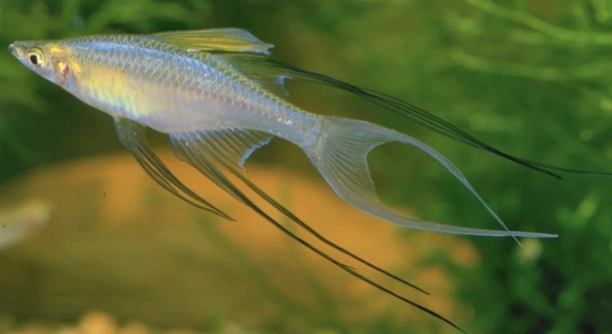
Are your threadfin tanks always under artificial lighting, leaving your fish and plants to rely solely on bulbs? Many aquarium enthusiasts overlook the subtle advantages that natural light can bring to a healthy aquatic environment.
Using natural light in threadfin tanks promotes healthier fish and plants by regulating circadian rhythms, enhancing coloration, and supporting photosynthesis. Exposure to daylight reduces stress levels, improves growth rates, and maintains a more balanced and natural ecosystem within the tank.
Understanding the benefits of natural light can transform your aquarium setup, making it a more vibrant and balanced home for your threadfin fish.
Improved Fish Health
Natural light can greatly improve the health of your threadfin fish. Exposure to daylight helps regulate their internal clocks, keeping their activity and feeding patterns consistent. Fish that receive adequate natural light tend to be less stressed, reducing the risk of disease. Their immune systems work more efficiently, helping them fight off infections naturally. Plants in the tank also benefit, producing oxygen through photosynthesis which directly supports fish health. Balanced lighting prevents overgrowth of algae, maintaining cleaner water and a healthier environment overall. Observing your fish in natural light also makes it easier to notice changes in behavior or coloration, which can be early signs of health issues. Small adjustments, like positioning the tank near a window with filtered sunlight, can make a noticeable difference without overexposing the fish. Consistent light cycles ensure that both fish and plants thrive together in a balanced ecosystem, creating a more sustainable tank environment.
Natural light encourages vibrant colors and active behavior in threadfin fish, keeping them lively and visually striking.
Integrating natural light into your tank setup requires careful planning. Avoid direct, harsh sunlight, as it can overheat the water and encourage unwanted algae growth. Use sheer curtains or place the tank in a location that receives indirect sunlight for part of the day. Monitor water temperature regularly to ensure it stays within the safe range for your fish species. Consider supplementing with artificial light when natural light is insufficient, ensuring a stable 10–12 hour light cycle daily. Over time, you may notice your threadfin fish displaying brighter colors and more natural behaviors, indicating a healthier environment. Balancing natural and artificial light also promotes plant growth, which further stabilizes water quality and provides hiding spots for the fish. Adjusting light exposure gradually helps your fish acclimate without stress. Overall, natural light is a simple yet effective way to support a thriving and visually appealing aquarium.
Enhanced Plant Growth
Natural light supports the growth of aquatic plants, improving oxygen levels and maintaining water quality. Plants exposed to daylight grow stronger and fuller, contributing to a balanced tank ecosystem.
Healthy plants provide shade, reduce stress for your fish, and naturally filter the water, keeping the tank clean.
Plants rely on photosynthesis, which requires light to produce energy and oxygen. In a threadfin tank, robust plant growth helps maintain stable water conditions by absorbing excess nutrients, reducing algae growth, and providing shelter for fish. When plants thrive under natural light, the tank environment becomes more balanced, making maintenance easier and less frequent. Proper placement of the tank to maximize indirect sunlight ensures plants receive enough light without overheating the water. Combining natural light with moderate artificial lighting can extend growth periods, allowing plants to flourish throughout the year. Strong plant growth also supports a natural ecosystem where fish feel safe and active. Observing plants respond positively to natural light can be rewarding, knowing they directly enhance the well-being of your threadfin fish. Over time, a well-lit, plant-rich tank creates a visually appealing and self-sustaining habitat.
Reduced Stress Levels
Natural light helps threadfin fish stay calm and behave normally. Consistent light patterns reduce sudden changes that can trigger stress, making them more comfortable in the tank.
Stress weakens fish immune systems and can lead to illness or sudden behavior changes. Threadfin fish exposed to natural light tend to show more consistent swimming patterns, regular feeding habits, and less hiding. A stable light environment mimics their natural habitat, which encourages natural routines and reduces the likelihood of aggression or nervous behavior. Stress reduction also supports better growth rates and vibrant coloration. Even small adjustments, like allowing sunlight through a filtered window, can improve overall well-being. Careful observation shows that fish become more active and visually healthy when stress is minimized. Reducing artificial light fluctuations also prevents disorientation and supports their natural circadian rhythms, creating a more balanced and calm aquarium environment.
By using natural light, the tank water remains more stable, reducing chemical fluctuations caused by stressed fish. Proper light management indirectly contributes to a healthier aquatic environment, supporting long-term tank stability.
Consistent exposure to natural light also helps fish adapt to day-night cycles naturally. This improves hormone regulation, which influences appetite, metabolism, and energy levels. Fish with regular exposure tend to sleep better at night and display peak activity during the day. Natural light encourages proper schooling behavior, reducing instances of erratic or aggressive swimming caused by anxiety. Over time, this leads to a more harmonious tank where fish coexist peacefully, and daily maintenance becomes easier for you. Observing threadfin fish under natural light highlights their natural colors and behaviors, reflecting a calm, well-adjusted environment. Balancing light exposure gradually ensures fish acclimate without sudden stress, maintaining their health and the tank’s overall stability.
Better Coloration
Natural light enhances the colors of threadfin fish, making them appear more vivid and attractive. Sunlight stimulates pigments naturally, leading to brighter, more defined patterns.
Fish exposed to daylight for part of the day display richer hues, particularly in fins and scales. Enhanced coloration is a sign of good health and proper nutrition. Regular exposure to natural light supports pigment development and prevents dull, faded colors that often occur under constant artificial lighting. Balanced lighting cycles also prevent overstimulation, which can cause colors to temporarily fade. Brighter colors not only make the tank visually appealing but also indicate that fish are less stressed and thriving. Observing these changes over weeks shows a noticeable difference, reinforcing the importance of integrating natural light safely. Properly lit tanks help you appreciate the natural beauty of your threadfin fish while supporting overall well-being.
Natural Behavior Stimulation
Natural light encourages threadfin fish to act more like they would in the wild. They explore, forage, and interact with plants naturally, creating a lively tank environment.
Observing their natural behaviors under daylight makes it easier to notice health or mood changes. Fish become more active and engaged, which benefits their overall well-being.
Algae Control
Sunlight helps balance algae growth by supporting healthy plant competition. Strong plants absorb nutrients that algae would otherwise use, reducing overgrowth naturally.
Energy Efficiency
Using natural light reduces the need for constant artificial lighting. Less electricity is consumed, lowering energy costs while still providing sufficient illumination for both fish and plants.
Long-Term Tank Stability
Consistent exposure to natural light helps maintain balanced water chemistry. Plants thrive, fish stress levels decrease, and the tank ecosystem stabilizes over time, creating a healthier, low-maintenance environment.
FAQ
How much natural light is safe for my threadfin tank?
Threadfin fish benefit from about 8–12 hours of indirect sunlight daily. Direct sunlight can overheat the water and promote excessive algae growth, so it’s best to place the tank near a window with filtered light or use sheer curtains. Gradually increasing exposure helps fish adjust without stress.
Can natural light replace artificial lighting completely?
Natural light alone is rarely enough, especially during cloudy days or in winter months. It’s best to use a combination of natural and artificial lighting to maintain consistent day-night cycles. Artificial light can fill gaps while still allowing the benefits of sunlight.
Will natural light cause algae problems?
Algae growth is possible with natural light, but healthy plants compete for nutrients, which helps reduce overgrowth. Monitoring light duration and keeping plants strong can naturally limit algae. Occasional manual cleaning is still recommended.
Do threadfin fish need a period of darkness?
Yes, darkness is essential for their circadian rhythm. A consistent day-night cycle of roughly 12 hours of light and 12 hours of darkness helps regulate feeding, metabolism, and activity levels. Nighttime periods also allow fish to rest properly.
How do I prevent water temperature from rising too much with sunlight?
Positioning the tank away from direct sunlight or using filtered windows prevents overheating. Monitoring temperature daily is important. If needed, use a small fan or aquarium chiller to maintain safe levels.
Will natural light improve fish coloration?
Yes, exposure to daylight stimulates natural pigments, making colors brighter and more vivid. Consistent light cycles also reduce stress, which contributes to healthier coloration and more active behavior.
Can plants survive on natural light alone?
Some hardy aquatic plants may survive with only natural light, but most benefit from supplemental artificial lighting. A combination ensures consistent growth, healthy oxygen production, and better water quality.
How do I transition my tank to include natural light?
Introduce natural light gradually to avoid shocking fish. Start with short periods of indirect sunlight, increasing slowly over a few days. Monitor fish behavior and plant response closely, adjusting as needed.
Is natural light beneficial for all tank sizes?
Yes, whether small or large, all threadfin tanks can benefit from some exposure to natural light. Adjust placement and duration to match the tank’s size and sunlight intensity to maintain stable water conditions.
Does natural light reduce maintenance needs?
Indirectly, yes. Healthy plants under natural light absorb nutrients and stabilize water chemistry, reducing algae and debris buildup. However, regular water changes and cleaning are still necessary for optimal tank health.
Can natural light affect fish growth?
Consistent exposure supports better growth by regulating circadian rhythms and reducing stress. Fish tend to feed more regularly and metabolize nutrients efficiently, resulting in healthier, more active specimens over time.
What precautions should I take for winter months?
During shorter days or overcast conditions, supplement with artificial lighting to maintain a stable cycle. Avoid sudden changes in light exposure, which can stress fish and affect plant growth. Regular monitoring is key for a balanced environment.
Are there signs my fish aren’t adjusting well to natural light?
Signs include hiding excessively, erratic swimming, or faded coloration. If these occur, reduce light intensity or duration and ensure gradual adaptation. Fish usually recover quickly with proper adjustments.
How do I balance natural and artificial light effectively?
Use natural light for part of the day, supplemented with timed artificial lighting to maintain a consistent 10–12 hour light cycle. Monitor water temperature and plant growth to ensure both remain stable. Adjust as needed seasonally.
Can natural light help prevent disease?
Indirectly, yes. Reduced stress and stronger immune systems from consistent light cycles help fish resist common infections. Healthy plants supported by sunlight also improve water quality, which further protects fish from illness.
Will natural light affect breeding in threadfin fish?
Yes, regular light cycles can support breeding behavior by mimicking natural conditions. Fish are more likely to display courtship behaviors and maintain reproductive health when exposed to consistent daylight patterns.
Is natural light safe for tanks with sensitive species?
Filtered or indirect sunlight is generally safe, but monitor water temperature and light intensity carefully. Sensitive fish may need shorter exposure periods to prevent stress or overheating. Adjust gradually for best results.
Does natural light change feeding habits?
Yes, fish often feed more consistently under stable light cycles. Their circadian rhythm aligns with daylight, promoting regular appetite and natural foraging behavior, which benefits overall health and tank balance.
Can I use mirrors or reflective surfaces to enhance natural light?
Yes, reflective surfaces can help distribute light evenly across the tank. Avoid creating hotspots that may overheat water or concentrate light on plants, which could encourage excessive algae growth.
How often should I monitor my tank when using natural light?
Daily observation is ideal. Check water temperature, fish behavior, and plant health. Adjust exposure gradually if you notice stress or environmental changes. Regular monitoring ensures that both fish and plants thrive in a natural-light-enhanced tank.
Is natural light beneficial for older threadfin fish?
Yes, older fish benefit from stress reduction, better coloration, and improved activity levels. Consistent light cycles help maintain their health and quality of life in the tank.
How do I prevent sudden changes in light exposure?
Gradual adjustments are key. Introduce or reduce natural light slowly, and supplement with artificial lighting if needed. Sudden shifts can stress fish and disrupt plant growth. Consistency ensures a stable, healthy tank environment.
Does natural light affect water chemistry?
Indirectly, yes. Healthy plants supported by natural light absorb excess nutrients, stabilize pH, and reduce ammonia buildup. While not a replacement for water changes, it helps maintain a balanced and stable ecosystem over time.
Can natural light improve overall tank aesthetics?
Absolutely. Enhanced fish coloration, thriving plants, and reduced algae make the tank visually appealing. Observing natural behaviors under daylight also adds a sense of vibrancy and life to the aquarium, making it more enjoyable to watch.
How long before I notice benefits from natural light?
Some changes, like brighter colors or more active fish, may appear within a few weeks. Plant growth and overall ecosystem stability develop over several months, depending on light consistency and tank conditions.
Are there any risks of too much natural light?
Yes, excessive direct sunlight can overheat water, encourage algae growth, and stress fish. Use indirect sunlight or filtered light and monitor the tank closely to prevent these issues. Proper balance is crucial.
Can natural light be combined with smart lighting systems?
Yes, smart lighting can complement natural light by maintaining consistent cycles, adjusting intensity, and compensating during cloudy days. This ensures both fish and plants receive stable illumination year-round.
What is the easiest way to start using natural light?
Place the tank near a window with filtered sunlight and monitor fish behavior. Begin with a few hours daily, gradually increasing to a balanced 8–12 hour exposure. Combine with artificial lighting to maintain stability and ensure healthy growth.
Will natural light reduce the need for water testing?
Not entirely. Regular water testing is still essential, but healthy plants under sunlight help stabilize conditions, making maintenance easier and reducing sudden chemical fluctuations. Monitoring remains crucial for long-term tank health.
Can natural light benefit multiple tanks in one room?
Yes, positioning tanks near windows can benefit several tanks, but each may require slightly different light adjustments based on size, plant density, and fish species. Monitor each tank individually for best results.
How can I tell if plants are getting enough light?
Signs of adequate light include vibrant green leaves, steady growth, and minimal algae competition. Pale, stunted, or yellowing plants indicate insufficient light, requiring supplemental artificial lighting or repositioning for better sunlight exposure.
Does natural light affect filter performance?
Indirectly, yes. Healthier plants and balanced ecosystems reduce debris and nutrient overload, making filters work more efficiently. Proper light management helps maintain cleaner water and prolongs filter lifespan.
Are there specific times of day that are best for natural light exposure?
Morning to early afternoon is ideal for indirect sunlight. Avoid harsh midday light, which can overheat the tank. Gradual exposure during these hours supports plant growth and fish health without causing stress.
Can natural light help reduce odor in the tank?
Yes, thriving plants under sunlight absorb organic waste, improving water quality and reducing odor. While regular cleaning is still necessary, natural light supports a cleaner, fresher tank environment.
Will natural light make my fish more social?
Yes, stable lighting encourages natural schooling and social behaviors. Fish are more likely to interact, explore, and display natural behaviors, creating a lively and engaging tank environment.
Does natural light have long-term benefits for my tank?
Absolutely. Over months, consistent light exposure improves fish health, plant growth, ecosystem stability, and tank aesthetics. Gradual integration ensures long-term benefits without stressing fish or plants.
How do I adjust light exposure seasonally?
Shorter winter days may require supplemental artificial light, while longer summer days might need filtered sunlight. Gradual seasonal adjustments prevent stress and maintain consistent circadian rhythms for fish and plants.
Is natural light compatible with LED setups?
Yes, combining natural light with LED systems provides balanced illumination. LEDs can fill gaps during low sunlight periods and maintain consistent day-night cycles without overwhelming fish or plants.
How important is observation when using natural light?
Daily observation is crucial. Watching fish behavior, plant growth, and water quality ensures adjustments are made promptly. Attentive monitoring prevents stress, overheating, and algae overgrowth, keeping the tank balanced.
What should I do if my fish show signs of stress?
Reduce light exposure gradually, check water temperature, and ensure plants are healthy. Adjust artificial lighting to stabilize day-night cycles and maintain a calm, consistent environment for recovery.
Can natural light enhance the breeding environment?
Yes, stable light cycles encourage natural behaviors and reproductive activity. Fish are more likely to display courtship rituals, improving the chances of successful breeding in a healthy, well-lit tank.
Are there any fish species that don’t benefit from natural light?
Most fish, including threadfin species, benefit from some daylight. However, extremely sensitive species may require reduced intensity and gradual exposure to avoid stress or overheating. Proper monitoring ensures safe adaptation.
Does natural light influence water evaporation?
Yes, direct sunlight can slightly increase evaporation, so monitor water levels closely. Indirect light minimizes this effect, helping maintain stable water chemistry and temperature.
Is natural light worth the effort for small tanks?
Yes, even small tanks benefit. Improved plant growth, fish coloration, and behavior are noticeable, and reduced stress contributes to a healthier, more manageable tank.
How do I combine natural and artificial light for the best results?
Use indirect sunlight for part of the day and supplement with timed artificial lighting. Maintain a consistent 10–12 hour light cycle, monitor temperature, and adjust seasonally to support fish and plant health.
What long-term changes can I expect from using natural light?
Over months, expect healthier fish, stronger plants, more vibrant colors, reduced stress, and a stable ecosystem. Natural light promotes a sustainable, visually appealing tank with fewer maintenance challenges.
Can natural light replace water treatments or supplements?
No, while it supports plant growth and fish health, water treatments, supplements, and regular maintenance are still essential for a balanced and safe aquatic environment.
Will natural light affect tank decorations?
Yes, some decorations may fade over time if exposed to direct sunlight. Using indirect light prevents discoloration while still providing benefits to fish and plants.
Is there a risk of fish overheating under natural light?
Direct sunlight can raise water temperature quickly. Always use filtered light or indirect exposure and monitor water temperature to prevent overheating and stress.
How do I integrate natural light into a fully indoor setup?
Place the tank near a window with indirect sunlight. Use reflective surfaces to distribute light evenly. Supplement with artificial lighting as needed to maintain consistent cycles and support plant growth.
Does natural light influence fish behavior during feeding?
Yes, fish tend to feed more actively and regularly under stable light cycles. Daylight aligns with their natural circadian rhythm, promoting consistent foraging and healthier digestion.
Can natural light reduce the need for chemical filtration?
Indirectly, yes. Strong plant growth supported by sunlight absorbs excess nutrients, reducing debris and chemical buildup. However, filters are still necessary to maintain optimal water quality.
What should I do if algae starts to overgrow?
Reduce light exposure duration, strengthen plant growth, and perform routine cleaning. Ensuring indirect sunlight and supplementing with healthy plants helps naturally control algae while maintaining tank balance.
Can natural light affect fish lifespan?
Yes, reduced stress, improved health, and balanced ecosystems from consistent light cycles contribute to longer, healthier lives for threadfin fish. Proper care ensures the benefits are sustained.
Does natural light impact water pH?
Indirectly, healthy plants supported by sunlight can stabilize pH by absorbing nutrients and organic waste. Regular monitoring remains necessary, but natural light contributes to a more balanced environment.
How quickly should I increase natural light exposure?
Gradually, over several days. Sudden increases can stress fish and shock plants. Monitor their response closely and adjust duration to maintain a stable and safe tank environment.
Are there visual signs that natural light is too intense?
Yes, signs include faded or bleached fish colors, stressed behavior, rapid algae growth, or overheating. Adjust exposure, filter sunlight, and monitor water temperature to correct these issues.
Does natural light affect oxygen levels in the tank?
Yes, thriving plants under sunlight produce more oxygen through photosynthesis, improving water quality and supporting fish respiration. This contributes to a healthier, more stable tank ecosystem.
Can I use natural light in combination with CO2 systems?
Yes, natural light complements CO2 injection by promoting plant growth and photosynthesis. Monitoring both light and CO2 levels ensures plants thrive without stressing fish.
How do I know if my fish are happier with natural light?
Fish will swim actively, explore the tank, show brighter colors, and interact naturally. Consistent behavior and reduced hiding indicate they are adjusting well to natural light exposure.
What should I do if my plants don’t respond to natural light?
Check light intensity and duration, ensure proper placement, and supplement with artificial lighting if necessary. Healthy soil, nutrients, and regular maintenance also support plant growth.
Can natural light help prevent sudden fish deaths?
Yes, by reducing stress, supporting immune function, and stabilizing the tank environment, natural light indirectly lowers the risk of sudden illness or death. Regular observation remains essential.
Does natural light impact fish breeding cycles?
Yes, stable light cycles mimic natural conditions, encouraging reproductive behaviors, courtship, and spawning. Consistency is key for successful breeding and maintaining healthy populations in the tank.
How do I combine natural light with a timer system?
Use the timer to supplement natural light and maintain a consistent 10–12 hour day-night cycle. This prevents sudden changes and ensures plants and fish receive stable illumination year-round.
Is it safe to leave natural light on when I’m away?
Yes, if exposure is indirect and water temperature is monitored. Timers and curtains can prevent overexposure while maintaining consistent lighting for fish and plants.
Can natural light help reduce artificial light dependency?
Yes, gradual integration reduces the need for long artificial lighting periods, lowering energy costs while still providing adequate light for fish and plants.
Does natural light affect nutrient cycles in the tank?
Indirectly, yes. Strong plant growth supported by sunlight absorbs nutrients efficiently, stabilizing the tank ecosystem and reducing excess nutrient buildup that could harm fish.
How do I know if natural light is enough for my tank?
Monitor plant growth, fish behavior, water temperature, and algae levels. Healthy, active fish and thriving plants indicate sufficient natural light, supplemented if necessary to maintain balance.
What adjustments are needed for tropical vs. temperate species?
Tropical species may need more indirect sunlight and stable warmth, while temperate species tolerate cooler light conditions. Adjust duration and intensity accordingly for safe and healthy exposure.
Can natural light help reduce nitrate levels?
Yes, healthy plants supported by sunlight absorb nitrates as part of their growth process. This naturally helps maintain water quality, though regular testing and maintenance are still necessary.
Does natural light affect fish aggression?
Yes, reduced stress from stable light cycles lowers aggressive behaviors. Fish are calmer, school better, and interact more naturally in a well-lit environment.
How do I prevent sudden brightness changes from windows?
Use sheer curtains or place the tank away from direct sunlight. Gradual exposure and supplemental artificial lighting help maintain a consistent light cycle and reduce stress.
Is natural light beneficial for newly added fish?
Yes, gradual introduction to indirect sunlight supports adaptation. Monitor behavior closely, as sudden light changes can stress new arrivals, affecting their health and acclimation process.
Can natural light help prevent scale or fin issues?
Indirectly, yes. Reduced stress and healthier plants improve overall tank conditions, lowering the risk of fin rot, scale damage, and other common issues associated with poor environments.
How do I balance natural light with seasonal changes?
Adjust exposure gradually to match day length, supplementing with artificial light in winter or shading in summer. Monitoring water temperature and plant growth ensures stable conditions throughout the year.
What’s the best way to maximize benefits from natural light?
Use indirect sunlight, monitor fish behavior, supplement with artificial lighting as needed, maintain strong plants, and adjust gradually for consistent exposure. This combination supports fish health, plant growth, and overall tank stability.
How do I know when to reduce light exposure?
Signs include stressed or hiding fish, rapid algae growth, overheated water, or pale plant leaves. Adjust exposure gradually, filter sunlight, and supplement artificial light to maintain a safe and balanced environment.
Does natural light require extra tank equipment?
Not necessarily. Proper placement and careful monitoring are usually enough, though thermometers, timers, and shades can help regulate exposure and maintain a stable environment for both fish and plants.
Can natural light be used in tanks with sensitive water parameters?
Yes, with careful placement and indirect sunlight. Monitor water chemistry, temperature, and plant health to ensure conditions remain stable and safe for sensitive fish species.
Is there a learning curve to using natural light?
Yes, observing fish, plants, and water conditions is key. Gradual adjustments and monitoring help you understand the right balance for your tank, making natural light integration smoother and more effective.
How do I prevent sudden algae blooms when adding natural light?
Introduce light gradually, maintain strong plant growth, and monitor nutrient levels. Occasional cleaning and water changes help prevent algae while allowing the benefits of natural light to take effect.
Can natural light affect filter cleaning schedules?
Indirectly, yes. Healthier plants reduce debris and nutrient buildup, meaning filters may require less frequent cleaning. Routine maintenance is still necessary to ensure optimal performance.
Does natural light help improve fish appetite?
Yes, stable light cycles align with natural circadian
Natural light can make a big difference in the health and well-being of threadfin fish. When fish are exposed to consistent, indirect sunlight, they tend to show more natural behaviors, swim actively, and display brighter colors. This kind of lighting helps regulate their daily cycles, which influences feeding patterns, energy levels, and overall activity. Plants in the tank also respond positively, growing stronger and fuller under natural light. Healthy plants produce oxygen and absorb excess nutrients, which keeps water cleaner and reduces the risk of algae overgrowth. The combination of thriving fish and plants creates a more balanced and stable environment, which makes tank maintenance easier and more predictable. Over time, you will likely notice that the tank feels more vibrant and alive, with fish behaving in ways that are closer to how they would in their natural habitat.
Integrating natural light does not mean removing artificial lighting completely. In fact, a combination of both is often the most effective approach. Natural light can cover a portion of the day, while artificial lights can fill in gaps during cloudy periods, early mornings, evenings, or winter months when daylight is limited. This balance ensures that fish and plants receive a consistent 10–12 hour light cycle, which is ideal for their circadian rhythms. It is important to gradually introduce natural light to avoid sudden changes that could stress the fish. Start with short periods of filtered sunlight and increase exposure slowly while monitoring water temperature, fish behavior, and plant growth. Using indirect sunlight, reflective surfaces, or sheer curtains can prevent overheating and reduce the chance of algae blooms. Regular observation is key, as subtle changes in the tank environment can have noticeable effects on fish health and plant growth.
The long-term benefits of using natural light go beyond immediate improvements in color and behavior. Over weeks and months, fish become more resilient, stress levels decrease, and immune systems function better. Plants continue to thrive, providing ongoing oxygen and nutrient management that contributes to a stable ecosystem. Reduced stress and healthier surroundings also increase the chances of successful breeding and improve overall fish longevity. Additionally, incorporating natural light can reduce energy consumption because you are relying less on artificial lights during the day. With careful planning, monitoring, and a gradual approach, natural light can transform a threadfin tank into a healthier, more balanced, and visually appealing environment. This simple adjustment supports both the short-term well-being of your fish and the long-term sustainability of your aquarium. It is a small change with benefits that are easy to observe and enjoy over time.

Hello,
If you enjoy the content that we create, please consider saying a "Thank You!" by leaving a tip.
Every little bit helps us continue crafting quality advice that supports the health, happiness, and well-being of pets around the world, for pets of all shapes, sizes, and species.
We really appreciate the kindness and support that you show us!